1. WHY SCOTLAND MUST CHANGE

 A Note on Tone 
This opening section focuses deliberately on the scale and nature of Scotland's challenges.  It strikes a more sombre tone than other parts of this report. This is intentional: a clear  understanding of the pressures facing Scotland's people, services, and finances is essential  groundwork for the solutions that follow. The subsequent sections of Part 2 — and the  A.R.I.S.E. Blueprint in Part 1 — set out a practical, achievable and evidence-based pathway  for meeting these challenges and building a positive future. 

A Nation at a Crossroads 
Scotland stands at a defining moment. After decades of progress in public health  and social policy, we face a convergence of challenges that demand transformational thinking. This is not a story of inevitable decline — but neither is it a  story where transformation will be quick or simple. In this Section we set out why  Scotland must change, and why this change is urgent; it is followed by more  optimistic sections showing how change can succeed, and how it may be funded  from existing resources. The leaders reading this report have repeatedly demonstrated remarkable capacity  for innovation. From the rapid transformation during COVID-19 to pioneering  approaches to prevention in places like Clackmannanshire, Dundee, Glasgow,  Lanarkshire, and the Lothians (with apologies to the many we have missed),  Scotland's public service executives possess the strategic vision and operational  expertise needed for the changes ahead. Yet the scale of change required will test  this capacity to its limits. The question is not whether Scotland has the capability to  transform — it is whether we can sustain the political will, resource allocation, and  cultural change necessary for comprehensive success over the long term. 

The Foundation for Change 

Policy Alignment Creates Unprecedented Opportunity 
Scotland's 2025 Population Health Framework (Scottish Government, 2025a)  commits to "shift from reactive spending to preventative investment" and "developing  new resource allocation approaches that support prevention." This aligns with the  2025 Public Sector Reform Strategy's call (Scottish Government, 2025b) for moving  from reactive to preventative spending, the Health and Social Care Service Renewal  Framework's acknowledgment that system pressures cannot be resolved without  upstream prevention, and the United Nations Convention on the Rights of the Child  (UNCRC) incorporation (Scottish Parliament, 2024) which creates binding legal  obligations to prioritise children's wellbeing and protection from harm. Yet the Population Health Framework acknowledges the scale of challenge, noting  "financial pressures across the public sector" and recognising the need for "practical  architecture" to turn these commitments into operational reality. This Commission's  A.R.I.S.E. Blueprint provides exactly this architecture — the implementation manual  Scotland's prevention agenda requires. 

Scotland's Innovation Track Record
Before examining current challenges, it is crucial to recognise what Scotland's public  service leaders have already achieved. The Early Years Collaborative (Scottish  Government, 2012), evolving into the Children and Young People Improvement  Collaborative (CYPIC) (Scottish Government, 2016), demonstrated how health,  education, and local government can collaborate effectively. Local innovations  documented during our inquiry include whole systems approaches to children and  families, integrated family support teams, creative use of change funds to reallocate  spending from reactive adult services to preventive early-years initiatives, and  community-based prevention approaches to tackle adverse childhood experiences  (ACEs). Other successes include the Universal Health Visiting Pathway (Public Health  Scotland, 2021), increasing health visitor numbers (while they reduced in England),  Family Nurse Partnership (NHS Health Scotland, 2019), and initiatives supporting  Perinatal Mental Health. The rapid COVID-19 response provided further proof of  Scottish leaders' innovation and adaptability. Yet fourteen years after Christie (Christie Commission, 2011), the scale of problems  below suggests that creative local innovation — however impressive — is insufficient  without systematic change across Scotland's public services. 

1.1 The Current Crisis: Unsustainable System

Pressures The Convergence of Multiple Crises 

Local authorities and NHS Boards face an unprecedented convergence of financial,  demographic, operational, and political pressures. The Population Health Framework  acknowledges that "unless we make this shift to prevention, the demands on support  and services will only increase."

 Local Authorities: Eight Critical Challenges 
1. Unsustainable Service Demand: Rising demand for social care,  homelessness support, and mental health interventions while capacity  declines. Child protection referrals and social care caseloads have grown  significantly, with efficiency gains "outstripped by demand." 
2. Workforce Crisis: Critical posts across education, planning, social work, and  finance remain unfilled. One CEO noted "sustained vacancies in skilled roles  are eroding the ability to deliver statutory services."
 3. Child Poverty Mandate vs. Limited Levers: Legal accountability for  eradicating child poverty by 2030, yet councils frequently lack levers to impact  key drivers like housing supply, social security, or labour markets. 
4. The Promise Implementation Gap: Commitment to delivering "The Promise"  (Independent Care Review, 2020) faces mismatches between ambition and  resources, particularly for shifting from residential to community-based care.  The Promise's vision aligns perfectly with prevention approaches: both  recognise that supporting families before crisis prevents the need for care  placements. 
5. Multiple Competing Priorities: Councils must deliver on reducing poverty,  transitioning to net zero, supporting sustainable public services, and  improving outcomes for children — all with limited resources. 
6. The Reactive Spending Trap: Short-term cuts to meet statutory obligations,  but known to harm longer-term outcomes — reductions in early intervention 2 services, youth provision, public health budgets — the trap England followed  in the 2010s with the consequences outlined by five major children's charities  in 'The Long Road to Recovery' (Larkham & Ren, 2025): Rise in children  entering care, increases in child poverty and homelessness, sharp  deterioration in child mental health and increased later, high-cost  interventions.
 7. Political Decision-Making Constraints: Short-termism, political churn, and  populist pressures hinder strategic decisions, with frequent reversals of long term plans following elections. 
8. Capital Investment Backlogs: Ageing infrastructure deteriorates while  budget constraints defer maintenance and cancel upgrades. CEOs warn of  long-term service degradation and safety risks.

 NHS Boards: Five Critical Pressures
 
1. Workforce Shortages and Burnout: High vacancy rates across clinical  professions, with existing staff facing growing burnout while Boards rely on  costly agency workers.
 2. Financial Unsustainability: Structural deficits, non-recurring funding  reliance, and falling capital investment, with multiple Boards reporting they  cannot meet demand, maintain safety, and deliver savings simultaneously. 
3. Treatment Target Dilemma: Growing tension between political expectations  to reduce waiting times and Boards' capacity constraints within budget and  workforce limits.
 4. Mental Health and Addiction Demand: Rising demand outstrips funding and  staff, with many cases reflecting deeper socio-economic drivers that leave  Boards trying to solve problems they did not create.
 5. Performance Pressure Without System Change: Boards report being  "bombarded" with performance frameworks, inspections, and improvement  plans that can be duplicative, inconsistent, and distract from operational  delivery. 

Shared Systemic Issues
 
Complex responsibilities across health, social care, education, justice, and third  sector make coordination difficult; national plans often lack practical delivery support;  annual budgeting undermines transformation efforts; and growing gaps exist  between citizen expectations and available resources. These challenges reflect system design that was fit for purpose in a different era but  is now fundamentally misaligned with the demographic, fiscal, and social realities of  the 2020s.

 1.2 The Scale of Preventable Harm: Scotland's £6 Billion Crisis

The Evidence Base for Primary Prevention 
Scotland's fiscal and operational crisis is largely a consequence of decades of  underinvestment in early, upstream intervention. The Population Health Framework  explicitly recognises that "primary prevention is 3–4 times more cost-effective than  investing in treatment." 
The ACEs Reality3 Along with Wales, Scotland has led the UK in recognising the powerful negative  impact of ACEs. The 2019 Scottish Health Survey (Scottish Government, 2020)  revealed: • 71% of adults had experienced at least one ACE • 15% reported four or more ACEs • The most prevalent were verbal abuse (47%), physical abuse (28%),  domestic violence (24%), parental separation (23%), household mental illness  (19%), and household alcohol abuse (16%) 

The Devastating Impact of Multiple ACEs 
Evidence from Welsh ACE studies shows people with four ACEs face dramatically  higher risks than those with none (Bellis et al., 2015): 
3 times higher risk of heart disease, respiratory disease, and type 2 diabetes
4 times higher risk of being a high-risk drinke
r • 5 times higher risk of having low mental wellbeing 
15 times higher risk of committing violence 
16 times higher risk of using crack cocaine or heroin 
20 times higher risk of imprisonment

 The £6 Billion Annual Cost

 
Using the 2.8% of UK GDP rate for ACE-related costs calculated by Hughes et al.  (2021), Scotland faces an annual burden exceeding £6 billion — over £90 million per  local authority and almost £220 million per Territorial NHS Board annually. This  covers only ACE-related harm; including other preventable difficulties like insecure  attachment and Foetal Alcohol Spectrum Disorders substantially increases the huge  scale of Scotland’s preventable costs. 

The Human Reality
 
Evidence from survivors includes: "My mother screaming at me, calling me names,  and putting me down. When [spanking me] she would be so angry that she would  lose control." "My earliest childhood memory is me sitting alone in my room staring at  a wall and hugging my teddy." "Over the next eight years, I endured sexual abuse  more times than I could count. I lived in fear." For survivors, these problems often persist to adulthood: "My experiences of being  neglected as a child are with me every day ... It was just hell" "I have been in and out  of therapy for 25 years... Every day is a struggle with self-esteem." One NSPCC survey (NSPCC, 2023) found 18.6% of UK secondary school children  had been severely abused or neglected. Applied to Scotland, this could fill Hampden  Park more than 19 times over. 

The Primary Prevention Opportunity: Evidence of What Works

Alongside targeted, evidence-based programmes, Scotland has already shown that  large-scale, system-wide action can deliver meaningful gains. These include  increases in health visitor numbers, strengthened perinatal mental health provision,  reductions in children entering care in Glasgow, and North Lanarkshire's notable rise  in breastfeeding uptake and duration.4 At the programme level, there is clear evidence that well-timed early-years  interventions such as Parent-Child Psychological Support (PCPS), Mellow Parenting  (Raouna et al., 2021) and perinatal support services can achieve both short- and  long-term improvements. Within two years, interventions like PCPS show significant  reductions in insecure attachment and children taken into care, alongside improved  parental sensitivity, sense of parental competence, and reduced parental stress  (Bujia-Couso et al., 2010). Within four years, primary prevention approaches will demonstrate better child  executive function, self-control, emotional regulation, and school readiness. Later in  this report, we will demonstrate how the absence of these four skills in children  generates enormous annual costs in fields such as academic achievement,  antisocial behaviour, benefit dependency, crime, domestic abuse, mental health,  persistent unemployment, school behaviour, and tax revenue. The significant cost  savings from this core change in focus will stretch over future decades and  generations.

 Scotland's Third Sector: Essential Partners in Transformation Scotland is extraordinarily fortunate to possess many excellent third sector  organisations who carry out work of exceptional value in supporting children and  families. From national organisations like Barnardo's Scotland, Children in Scotland,  Children 1st, and NSPCC Scotland, to local community groups providing direct  support, these organisations possess irreplaceable expertise, community trust, and  innovative approaches that will be absolutely vital to successful transformation. Their  current funding falls well short of what their contribution merits, and any serious  prevention strategy must recognise that these organisations are not additional extras  but core partners whose expanded role will be essential for reaching families and  delivering prevention support at the scale required. We believe that local authorities and NHS Boards in the UK, including Scotland,  spend less than 2% of their budgets on primary prevention – preventing harm before  it happens. We recently asked Grok AI to estimate how much Scotland’s statutory  agencies spend on developmental primary prevention – i.e. excluding  immunisations and only addressing prevention affecting the social and emotional  health and welfare of children. Its estimate was less than 0.5% of budgets.  
1. Reallocation of resources to developmental primary prevention The Commission of Inquiry recommends reallocating 4–6% of statutory  budgets over time to developmental primary prevention. A shift on this scale is  required to enable the transformation of Scotland’s health, wealth and social  conditions that the Commission believes is possible. The A.R.I.S.E. Blueprint  sets out a practical, evidence-based approach to identifying and releasing the  resources required to support this reallocation.

 
1.3 Scotland: A Nation Living Beyond its Means 

The Fiscal Outlook: A Path That Cannot Continue 
The fiscal deficit in Scotland of £22.7 billion in 2023–24 (10.4% of GDP) was more  than double the UK average of 4.5%. Scotland confronts what the Auditor General  has termed an "unsustainable financial position." The Scottish Fiscal Commission's 5 April 2025 Fiscal Sustainability Report (Scottish Fiscal Commission, 2025) shows  that Scotland's structural deficit — the gap between spending and revenue — persists even during economic stability. Health and social care costs are rising faster  than economic growth, while the proportion of working-age taxpayers is falling. The  Scottish Government's 2025 Medium-Term Financial Strategy (Scottish Government,  2025c) forecasts that day-to-day funding pressures could exceed resources by £1– 1.9 billion annually by 2027–28. The longer local authorities and NHS Boards defer action, the deeper Scotland  moves into a future in which ever-larger portions of the budget are consumed by  reactive spending, making necessary change progressively harder to implement. Taken together, Scotland's fiscal reality and the Population Health Framework's call  for a decisive shift from reactive to preventative investment create an overwhelming  case for immediate action. 

Demographic Pressures Scotland's population is ageing rapidly. Over-65s will grow by nearly a third by 2045,  and those aged 75+ by 25% in the next decade, while the working-age population  shrinks. Without systematic change, health and social care spending could rise from  50% to over 60% of devolved expenditure by 2035 — crowding out investment in  education, housing, and infrastructure. 

Healthcare Crisis Despite a 21% real terms rise in direct health spending between 2013–2014 and  2022–2023, outcomes are worsening. Key indicators reveal the strain: staff sickness  reached 6.2% in 2022–2023 — the highest in a decade. Most waiting standards  aren't met. Delayed discharges cost over £200 million per year. Boards must  deliver 6% efficiency savings in 2024–2025 — well beyond historical norms. Recent audit reports reinforce these concerns. A sample of just three NHS Boards  showed: one with a £46.5 million funding gap requiring extensive reliance on non recurring savings; one requiring £28.4 million in bailouts to break even; and a third  facing recurring deficits and needing over £200 million in savings over three years.

 Local Government Strain 
While Scottish Government revenue funding rose in cash terms between 2013–2014  and 2023–2024, real-terms value fell, especially in general revenue grants — the  part councils control. Cuts have hit unprotected services hardest: Environmental  services: down 30%, Culture and leisure: down 25%, Planning: down 40%. Meanwhile, demand is rising in housing, education, and mental health, with  escalating costs of temporary accommodation and children in care. COSLA estimates a £1 billion funding gap in 2023–2024. Two-thirds of councils  used reserves to fill deficits. Audit Scotland concluded in its Local Government in  Scotland - Overview 2023 (Accounts Commission, 2023): "Radical change is  urgently needed if councils are to maintain services," and "Reform should prioritise  prevention." 

Three Strategic Choices

Option 1: Continue as Present — Leads to inevitable service collapse as evidence  confirms Scotland's local areas cannot meet legal and policy commitments under the  current model. 
Option 2: Proceed Slowly — Gradual change risks being overtaken by accelerating  demographic and fiscal pressures.
 Option 3: Embrace Transformative Prevention — Strategic reallocation to proven  primary prevention can reduce long-term costs while improving outcomes, though  requiring sustained commitment over multiple years.

 The Legal Imperative The United Nations Convention on the Rights of the Child (UNCRC) — incorporated  into Scots law in 2024 — creates binding obligations requiring public bodies to  ensure children's rights to health, education, and protection from harm. It could be  argued that allowing children to develop insecure attachment, or harmful ACEs,  while there are known, cost-effective methods to protect children from these,  constitutes a breach of those rights. Continued underinvestment in primary  prevention risks breaching children's rights systematically while deepening fiscal  crisis.

 1.4 Why This Time Will Be Different: Learning from Christie The 2011 Christie Commission called for prevention and early intervention, yet  transformation remained partial. Five factors now distinguish this moment: 
1. Fiscal Imperative Creates Political Will: Previously, leaders could choose  between prevention and maintaining existing services. Now crisis services  themselves are failing, making transformation necessary rather than optional. 
2. Legal Obligations Provide Foundation: UNCRC obligations create enforceable  duties that cannot be easily ignored, making primary prevention legally necessary. 
3. Implementation Guidance Exists: Where Christie provided limited operational  detail, this Commission offers specific interventions, resource reallocation  mechanisms, and implementation processes from successful examples.
 4. Policy Infrastructure Aligned: Multiple government strategies now point toward  similar transformation goals, creating a coherent foundation for systematic change.
 5. Recognition That Prevention Requires Cultural as Well as Structural  Change: Previous reform efforts focused primarily on reorganising services and  reallocating budgets without addressing why demand for reactive interventions  persists. 

 2. Community and statutory co-responsibility for prevention The Commission of Inquiry recommends that prevention strategies in Scotland  are designed on the basis that sustainable prevention requires both system  redesign and intentional shifts in how communities support families and share  responsibility for children’s wellbeing and outcomes. 

International Precedent: Proven Universal Early Years Models from the  Netherlands, Denmark and Sweden For more than two decades the Netherlands, Denmark and Sweden have  consistently occupied the top tier of UNICEF Innocenti child well-being rankings  (UNICEF, 2025) among rich countries. Each offers a complementary, evidence based component that together forms a complete blueprint for transformative early  years reform in Scotland.

 • The Netherlands (ranked 1st in every UNICEF league table since 2007)  demonstrates the decisive impact of intensive, health-led primary prevention  from day one. Automatic enrolment into Kraamzorg (8–10 days of skilled in home postnatal care) and Consultatiebureaus (a nationwide network of free  child health clinics reaching ~95% of 0–4-year-olds) detects issues early,  builds parental capability and generates estimated returns of €2–3 for every  €1 invested (RIVM, 2023). 

Denmark (2nd in both the 2020 and 2025 UNICEF Report Cards) shows how  a fully universal, high-quality early childhood education and care system from  six months of age sustains outstanding mental, physical and social outcomes  even through crises such as COVID-19. Near-universal enrolment (90–96%),  capped parent fees, strong staff-to-child ratios and a play-based social pedagogy curriculum deliver returns of €2–3 per €1 invested while keeping  child life-satisfaction and health among the highest in the world.

 • Sweden complements the other two with its integrated "educare" model and  generous parental leave framework. Subsidised, play-based preschool for  virtually all children from age 1, combined with 480 days of well-paid leave,  has driven female employment to 82%, reduced later mental-health diagnoses  and produced long-term fiscal returns of €2.50–€3.00 per €1 spent (OECD,  2024; Skolverket, 2023). The economic case for these systems is compelling, with quantifiable cost-benefit  evidence underscoring their efficiency in reducing later interventions, enhancing  equity and boosting productivity. The table below summarises key metrics, drawing  on national evaluations and OECD benchmarks. 
Outcome  area Preventive  health &  acute care Maternal  workforce  participation Netherlands  evidence (2022– 2024) €2–3 saved per €1  invested; 20–30 %  reduction in  preventable  hospital  admissions  (Ministry of  Health/RIVM) Kraamzorg  enables 85 %  return-to-work  Denmark  evidence (2022– 2024) €2–3 saved per  €1 invested; 15– 25 % drop in later  mental-health  needs via  universal ECEC  (Danish Health  Authority) Universal ECEC  lifts female  employment to  Sweden evidence  (2021–2024) €1.2 bn annual  national savings  from high  immunisation  coverage; €1 500– 2 000 per child in  avoided mental health treatment Universal  preschool → 82 %  female  Indicative  long-term  ROI 2–3 : 1 3–4 : 1

Outcome  area Equity &  lifetime  social costs Netherlands  evidence (2022– 2024) within 6 months →  €4–5 bn annual  GDP gain (CBS,  2024) 95 % participation  narrows socio economic health  gaps by ~25 %,  averting ≈ €800 m  in lifetime costs  (RIVM, 2022) Denmark  evidence (2022– 2024) ~80 % → €3–4 bn  annual GDP  contribution  (Statistics  Denmark, 2024) 90–96 %  enrolment  equalises  outcomes, saving  ~€2 bn in  inequality-related  costs since 1990s  (Danish Ministry  of Education) Sweden evidence  (2021–2024) employment rate  → €10–12 bn  annual GDP  contribution  (OECD, 2024) Expansion 1970– 1998 equalised  outcomes and  saved ≈ €3 bn in  inequality-related  interventions  (Skolverket, 2023) Indicative  long-term  ROI 2.5–3 : 1 
Taken together, these three small nations illustrate that a coherent, universal early  years system — combining intensive postnatal support (Netherlands), seamless  high-quality educare from infancy (Denmark) and strong family-workforce policies  (Sweden) — is not only feasible but politically durable when protected by cross-party  consensus and stable investment of 1–1.5% of GDP. For Scotland, adopting these proven elements offers a realistic pathway to move the  United Kingdom out of the lower half of international child well-being tables within a  decade, while delivering health, equity and productivity gains conservatively  estimated at tens of £billions over ten years. The evidence is clear: sustained  political commitment to universal prevention, as demonstrated by these three  countries, transforms child outcomes and pays for itself many times over.

 An Appeal to Scotland's Political Leaders When this Commission of Inquiry was launched in 2022, every party leader in the  Scottish Parliament had pledged support for the 70/30 objective: to reduce levels of  child abuse, neglect, and children witnessing domestic violence by 70% by 2030.  The Commission, under the leadership of Sir Harry Burns, was challenged to design  a feasible action plan to deliver that result. We believe the 'Transforming Scotland in  a Generation' A.R.I.S.E. Blueprint will deliver that for future generations of Scotland's  children — and transform the life chances of Scotland's children. As Scotland approaches its next General Election, the temptation to score media  and publicity points over political opponents will be very strong. We pray that, in this  realm at least, cross-party support will continue and prevail. The Netherlands and  Scandinavian lessons are unmistakable: lasting transformation comes only when  political leaders sustain common commitment across successive governments.

 1.5 Scotland's Transformation Opportunity 

The Alignment of Conditions
 
The convergence of fiscal crisis, legal obligations, policy alignment, and  implementation guidance creates Scotland's best opportunity for systematic change.  The Population Health Framework provides policy commitment; this Commission's  Blueprint provides operational detail; fiscal pressures create political urgency;  UNCRC obligations provide legal imperative. 

The Implementation Pathway Success requires: 
Commitment: Building sustained political support across electoral cycles
Vision: Creating shared understanding across sectors 
Evaluation: Implementing resource reallocation approaches using evidence based guidance 
Prioritised Action: Deploying interventions proven most effective while  adapting to local circumstances 
Empowering Parents: Using Scotland's universal health visiting  infrastructure and other means, discussed in this report, to deliver  foundational support 

Scotland's Choice Scotland's leaders can continue managing decline through reactive spending that  grows more expensive while struggling to meet legal obligations to children, or they  can seize this opportunity to begin building effective public services focused on  prevention and early intervention. The elements for transformation are now aligned. Scotland has demonstrated  capacity for innovation repeatedly — from the Early Years Collaborative to COVID 19 adaptation. The opportunity exists to channel that proven capability toward  systematic primary prevention. 

This is Scotland's opportunity to take a giant leap toward becoming the best  place in the world for children to flourish.

References
 Accounts Commission. (2023). Local government in Scotland: Overview 2023. Audit  Scotland. https://www.audit-scotland.gov.uk/publications/local-government-in scotland-overview-2023 Bellis, M. A., Lowey, H., Leckenby, N., Hughes, K., & Harrison, D. (2015). Adverse  childhood experiences: Retrospective study to determine their impact on adult health  behaviours and health outcomes in a UK population. Journal of Public Health, 36(1),  81–91. https://doi.org/10.1093/pubmed/fdt038 Bujia-Couso, P., O'Rourke, A., & Cerezo, M. A. (2010). Criteria based case review:  The Parent Child Psychological Support Program. Irish Journal of Applied Social  Studies, 10(1), Article 1. https://doi.org/10.21427/D7Z722 Christie Commission. (2011). Commission on the future delivery of public services.  Scottish Government. https://www.gov.scot/publications/commission-future-delivery public-services/ Hughes, K., Ford, K., Bellis, M. A., Glendinning, F., Harrison, E., & Passmore, J.  (2021). Health and financial costs of adverse childhood experiences in 28 European  countries: A systematic review and meta-analysis. The Lancet Public Health, 6(11),  e848–e857. https://doi.org/10.1016/S2468-2667(21)00232-4 Independent Care Review. (2020). The Promise. Independent Care Review.  https://www.carereview.scot/destination/promise/ Larkham, J., & Ren, A. (2025). A long road to recovery: Local authority spending on  early intervention children's services 2010/11 to 2023/24. Children's Charities  Coalition, London. https://www.childrenscharitiescoalition.org.uk/reports/long-road recovery NHS Health Scotland. (2019). Revaluation of Family Nurse Partnership in Scotland:  Qualitative study. NHS Health Scotland.  https://www.healthscotland.scot/publications/revaluation-of-family-nurse-partnership in-scotland-qualitative-study NSPCC. (2023). Statistics on child abuse. NSPCC.  https://learning.nspcc.org.uk/statistics-child-abuse/ OECD. (2024). Education at a glance 2024: OECD indicators. OECD Publishing.  https://doi.org/10.1787/e13bef63-en Public Health Scotland. (2021). Evaluation of the Universal Health Visiting Pathway  in Scotland: Phase 1 report. Public Health Scotland.  https://publichealthscotland.scot/publications/evaluation-of-the-universal-health visiting-pathway-in-scotland-phase-1-report-primary-research-with-health-visitors and-parents-and-case-note-review/ Raouna, A., Malcolm, R., Ibrahim, R., & MacBeth, A. (2021). Promoting sensitive  parenting in 'at-risk' mothers and fathers: A UK outcome study of Mellow Babies, a  group-based early intervention program for parents and their babies. PLOS ONE,  16(2), e0245226. https://doi.org/10.1371/journal.pone.0245226 RIVM. (2023). Monitor Kansrijke Start 2023. National Institute for Public Health and  the Environment. https://www.rivm.nl/monitor-kansrijke-start-202311 Scottish Fiscal Commission. (2025). Fiscal sustainability report (April 2025). Scottish  Fiscal Commission. https://www.fiscalcommission.scot/publications/fiscal sustainability-report-april-2025/ Scottish Government. (2012). Early Years Collaborative. Scottish Government.  https://www.gov.scot/policies/improving-public-services/early-years-collaborative/ Scottish Government. (2016). Children and Young People Improvement  Collaborative. Scottish Government. https://www.gov.scot/policies/improving-public services/children-and-young-people-improvement-collaborative/ Scottish Government. (2020). Scottish Health Survey 2019. Scottish Government.  https://www.gov.scot/publications/scottish-health-survey-2019-volume-1-main-report/ Scottish Government. (2025a). Scotland's Population Health Framework 2025-2035.  Scottish Government. https://www.gov.scot/publications/scotlands-population-health framework-2025-2035/ Scottish Government. (2025b). Scotland's Public Service Reform Strategy – Delivering for Scotland. Scottish Government.  https://www.gov.scot/publications/scotlands-public-service-reform-strategy delivering-scotland/ Scottish Government. (2025c). Scotland's fiscal outlook: Medium-term financial  strategy (June 2025). Scottish Government.  https://www.gov.scot/publications/scotlands-fiscal-outlook-scottish-governments medium-term-financial-strategy/ Scottish Parliament. (2024). United Nations Convention on the Rights of the Child  (Incorporation) (Scotland) Act 2024. Scottish Parliament.  https://www.legislation.gov.uk/asp/2024/1/contents Skolverket. (2023). PISA 2022: 15-åringars kunskaper i matematik, läsförståelse och  naturvetenskap. Swedish National Agency for Education.  https://www.skolverket.se/publikationer?id=3706 UNICEF. (2025). Innocenti Report Card 19: Child well-being in an unpredictable  world. UNICEF Office of Research – Innocenti. https://www.unicef irc.org/publications/series/report-card

2. A New Path: Tackling Root Causes Why Root Causes Matter When faced with serious problems, the natural instinct of governments, businesses,  and individuals alike is to treat the most visible symptoms. If a pipe leaks, we mop  the floor. If a company is losing money, we cut headcount. If a child shows  aggression, we try to suppress the behaviour. These actions bring temporary relief,  but they rarely resolve the problem at its source. Unless the underlying cause is  found and fixed, the issue returns – often bigger and more costly than before. Part 1: The Principle of Root Cause Prevention Root cause prevention means deliberately seeking out and addressing the deeper  forces that generate repeated problems. This is not a new idea. In fact, history  shows again and again that societies only achieve lasting progress when they stop  patching over crises and instead remove the conditions that cause them. In public health, for example, the great breakthrough in tackling cholera in the 19th  century came not from more hospitals or better treatments, but from identifying and  closing contaminated water pumps. When London physician John Snow traced the  1854 Soho epidemic to a single pump on Broad Street and persuaded authorities to  remove its handle, the epidemic ended almost immediately (Snow, 1855/2009). The  lesson was clear: by removing the cause, the suffering and costs vanished. Similarly, smallpox had been a scourge for centuries. Nations poured vast sums into  caring for the sick and burying the dead. The real turning point came with the  development and mass distribution of vaccines, which eliminated the disease at its  source. The last natural case was recorded in 1977 (Fenner et al., 1988). By dealing  with root causes – viral transmission – society freed itself from the endless cycle of  reactive care. The same logic applies in business. For decades, companies tried to improve profits  through fire-fighting measures: slashing budgets, cutting jobs, or pushing for sales  growth at any cost. Strategic consultants, such as Cameron Consultants, pioneered  a different path: analysing the root causes of cost and profit in a manner which put  conventional accounting (which measures symptoms) aside and replaced it with  'Cogent' – cost generator analysis – which identified and measured the root causes of cost, relating these to the value produced. They found in business after business  that many costs were being generated by low value activities. Switching business  priority to investing cost in high value activities transformed outcomes. More than  £65 million per annum was added to the profitability of multiple companies in seven  West European countries, including five subsidiaries of BP, through such a root  cause approach (Cameron Consultants, 2025). It was this know-how which led in  1996 to the creation of WAVE Trust, where the intention was to use that root cause  approach to tackle child maltreatment and violence. Sports provide similar lessons. A struggling football club may be tempted to switch  managers repeatedly, or spend heavily on star players, in hopes of quick results. Yet  clubs that achieve sustained success – think of Germany's football federation after  early-2000s failures – invested instead in youth academies (DFB, 2005), coaching, 1 and grassroots development. By building strong foundations, they produced  generations of skilled players and systemic success. The principle is simple: invest upstream, where problems originate, rather than  pouring resources downstream, where symptoms are costly and resistant. Part 2: How Shared Root Causes Fuel Multiple Social Harms One of the most powerful insights to emerge from decades of research is that many  of society's most damaging problems are not separate, isolated issues. They are  different branches of the same tree, fed by common roots. The science of ACEs demonstrated this vividly. The landmark studies led by Vincent  Felitti and colleagues at Kaiser Permanente in the 1990s showed that abuse,  neglect, and household dysfunction in childhood dramatically increased the  likelihood of poor outcomes in later life – from addiction and violence to chronic  disease, mental illness, and premature death (Felitti et al., 1998; Felitti & Anda,  2010). What seemed like very different problems turned out to share the same deep  drivers. This insight was reinforced in Scotland at a 2007 World Health Organization  conference in Tulliallan (WHO & Scottish Government, 2008), where evidence on the  root causes of violence was set alongside the ACE research on health. The  conclusion was unmistakable: the same early adversities that drive one form of  suffering also fuel many others. A single root cause ripples outward into multiple  social harms. We see this in economics as well. Poverty is not simply about a lack of money. Its  roots also lie in lack of both foundational skills (Heckman, 2011; Sections 3 and 14 of  this report) and later teachable skills such as budgeting, cooking and home  economics. Addressing only the surface symptom – providing emergency financial  relief – may ease immediate distress, but it rarely breaks the cycle. By contrast,  policies that strengthen early child development, improve schooling, and support  parents to address the roots, produce broad improvements in economic resilience,  health, and community safety. This interconnectedness explains why reactive spending is so costly. Each  downstream service – prisons, hospitals, social care, addiction treatment – is in  effect paying for a consequence of the same root causes. Without tackling those  causes, demand for all of these services continues to grow, leaving public budgets  under unrelenting pressure. A root-cause lens shows us that prevention is not a matter of tackling hundreds of  problems one by one. It is a matter of identifying the shared drivers and addressing  them at their source. Part 3: Why Developmental Primary Prevention is the Answer Primary prevention means preventing harm before it starts, rather than managing its  consequences after the fact. In public health, this approach transformed life  expectancy: clean water and sanitation defeated cholera more effectively than  endless hospital treatments; vaccines prevented smallpox and polio rather than 2 relying on cures that did not exist. The lesson is clear – the greatest gains come from  acting upstream. Some primary prevention, such as immunisations, covid vaccinations or provision of  clean water, is averting harms to health. Some primary prevention is stopping harm  to the optimum development of the child’s evolving capabilities; this we call  developmental primary prevention. If shared root causes drive multiple social harms, then the most efficient and humane  solution is to address those causes as early as possible. This is the essence of  developmental primary prevention. The earliest years of life – from conception to age  two – are uniquely sensitive. During this period, a baby's brain is forming more than  a million new neural connections per second, laying the foundations for attachment,  self-regulation, executive function, and a sense of security. If these foundations are  strong, children are more likely to succeed in school, form healthy relationships, be  law-abiding, and enjoy good mental and physical health throughout life. If they are  weak, the risks of addiction, violence, chronic illness, and poor educational and  employment outcomes rise sharply. Developmental primary prevention is not about waiting for risk factors to accumulate  and then offering remedial help. It is about creating the conditions for healthy  development from the very start – supporting parents during pregnancy, fostering  secure attachment in infancy, nurturing play and learning in early childhood, and  ensuring families have the social and community supports they need. Decades of research now show that investing in these early, preventive measures  yields extraordinary returns: reduced demand for social services, lower health costs,  fewer people in prison, and stronger, more resilient communities. Economists such  as Nobel laureate James Heckman have demonstrated that every pound invested in  the earliest years delivers multiple pounds of saving later (Heckman et al., 2010). But  beyond the economics, it is about human flourishing – giving every child the chance  not only to survive, but to thrive (Bethell et al., 2019). Developmental primary prevention, then, is the logical next step for Scotland. It  applies the same root-cause logic that eradicated smallpox, that turned around  failing businesses, and that enabled societies to leap forward. It is about aligning  Scotland's aspirations with the most powerful lever available: ensuring children's  earliest experiences equip them, and society, for a healthier, safer, more prosperous  future. Part 4: A Call to Act on Root Causes Scotland has a choice. We can continue to pour resources into managing the  symptoms of social harm – firefighting crises, funding expensive late interventions,  and patching over the damage done in childhood. Or we can shift our focus to the  root causes that drive so many of these problems in the first place. History shows that when societies confront root causes – whether in public health,  agriculture, or business – they achieve not just temporary relief but lasting  transformation. The same lesson applies to social policy. By addressing the origins  of adversity in early life, Scotland can create a generation with stronger health,  greater resilience, and the skills to thrive.3 This is not a leap into the unknown. The evidence is robust, the costs of inaction are  unsustainable, and the benefits of prevention ripple across generations. What is  needed now is resolve: the courage to redirect resources, the vision to prioritise  prevention, and the will to act together. Scotland has the opportunity to lead the world by showing what happens when a  nation tackles root causes head-on.  Recognising root causes is not an abstract exercise. They show up daily in the way  our systems operate. Scotland's services are trapped in a reactive cycle – pouring  resources into managing crises rather than preventing them. Before we look at what  global and national evidence says about how to succeed, we must first face a stark  reality: the hidden architecture of dysfunction that keeps demand and costs  spiralling. 3. Mandating a focus on root causes The Commission of Inquiry recommends that Scotland’s main statutory  agencies, including local authorities, the NHS, Police Scotland and Community  Planning Partnerships, are mandated to prioritise the systematic identification,  understanding and prevention of the key root causes — and especially the  common root causes — of their most concerning and/or expensive social  responsibilities. 4. Partnership and pooled funding where root causes cut across agencies Where these root causes lie outside the direct responsibility of any single  agency, the Commission recommends that agencies work in partnership with  those responsible for preventing the root causes, and, where appropriate,  create shared or pooled funding arrangements to reduce avoidable reactive  costs and support effective root-cause prevention. . References Bethell, C. D., Gombojav, N., & Whitaker, R. C. (2019). Family resilience and  connection promote flourishing among US children, even amid adversity. Health  Affairs, 38(5), 729–737. https://doi.org/10.1377/hlthaff.2018.05425 Cameron Consultants. (2025). John Robinson video Retrieved 11 December 2025,  from https://www.cameronconsultants.uk/ Deutscher Fußball-Bund (DFB). (2005). Talentförderprogramm 2001–2005:  Abschlussbericht [Talent development programme 2001–2005: Final report]. DFB. Felitti, V. J., & Anda, R. F. (2010). The relationship of adverse childhood experiences  to adult medical disease, psychiatric disorders, and sexual behavior: Implications for  healthcare. In R. Lanius, E. Vermetten, & C. Pain (Eds.), The impact of early life  trauma on health and disease: The hidden epidemic (pp. 77–87). Cambridge  University Press. Felitti, V. J., Anda, R. F., Nordenberg, D., Williamson, D. F., Spitz, A. M., Edwards,  V., Koss, M. P., & Marks, J. S. (1998). Relationship of childhood abuse and  household dysfunction to many of the leading causes of death in adults: The  Adverse Childhood Experiences (ACE) Study. American Journal of Preventive  Medicine, 14(4), 245–258. https://doi.org/10.1016/S0749-3797(98)00017-8 Fenner, F., Henderson, D. A., Arita, I., Ježek, Z., & Ladnyi, I. D. (1988). Smallpox  and its eradication. World Health Organization.  https://apps.who.int/iris/handle/10665/39485 Heckman, J. J., Moon, S. H., Pinto, R., Savelyev, P. A., & Yavitz, A. (2010). The rate  of return to the HighScope Perry Preschool Program. Journal of Public Economics,  94(1–2), 114–128. https://doi.org/10.1016/j.jpubeco.2009.11.001 Heckman, J. J. (2011). The American family in black and white: A post-racial  strategy for improving skills to promote equality (NBER Working Paper No. 16841).  National Bureau of Economic Research. https://doi.org/10.3386/w16841 Snow, J. (1855). On the mode of communication of cholera (2nd ed.). John Churchill.  (Modern edition with commentary: Snow, J. (2009). On the mode of communication  of cholera (M. Banerjee Ruths, Ed.). Virtual Mentor, 11(6), 470–472.  https://doi.org/10.1001/virtualmentor.2009.11.6.mhst1-0906) WAVE Trust. (2013). Conception to age 2 – the age of opportunity: Addendum to the  government's vision for the foundation years (3rd ed.). The department for Education  and WAVE Trust https://www.wavetrust.org/conception-to-age-2-the-age-of-opportunity World Health Organization & Scottish Government. (2008). Preventing violence and  knife crime among young people: Report of a WHO meeting, Tulliallan, Scotland,  18–19 October 2007. WHO Regional Office for Europe. 
3.1 Scotland's Hidden Architecture of  Dysfunction The Discovery That Changes Everything A comprehensive analysis of the pathways leading to Scotland's most expensive  social problems reveals a consistent pattern across multiple domains of dysfunction.  Through systematic examination of the causal mechanisms underlying mental health  crises, domestic violence, educational and economic failure, addiction, antisocial  behaviour, crime and more, this investigation has identified a common  developmental pathway that operates through three interconnected mechanisms. This reverse engineering analysis demonstrates that Scotland's major social  dysfunctions are not discrete, unrelated problems requiring separate solutions.  Rather, they represent manifestations of the same underlying developmental  architecture – one that begins with the quality of early caregiving and flows through  attachment security to shape the foundational capacities that determine life  outcomes. The Developmental Pathway: From Early Caregiving to Life  Outcomes The evidence reveals a clear developmental pathway from early caregiving to adult  outcomes, operating through three interconnected mechanisms: parental  sensitivity, attachment security, and the development of four foundational skillsThe Positive Pathway When parents provide sensitive, attuned caregiving during infancy and early  childhood, children develop secure attachment – a fundamental sense of safety  and trust in relationships. This secure base then enables the development of four  foundational skills that determine outcomes across all life domains: • Executive function – the brain's management system for working memory,  cognitive flexibility, and goal-directed behaviour • Self-control – the capacity to regulate impulses and delay gratification • Emotional self-regulation – the ability to manage emotional responses  appropriately • Sense of agency – the belief in one's ability to influence outcomes This pathway operates through multiple mechanisms. Sensitive caregiving shapes  brain architecture during critical periods, particularly the prefrontal cortex responsible  for executive function (Centre for Social Justice, 2008). Attuned caregivers help  children learn to manage emotional states through co-regulation, building self regulation capacity (Casale, 2012). Secure attachment provides the safety needed  for exploration and learning, developing executive function and sense of agency  (Nunes et al., 2023). And secure relationships create positive expectations about self 1 and others, supporting emotional regulation and agency (De Ruiter & van  IJzendoorn, 1993). Children who travel this positive pathway enter school ready to learn, form healthy  relationships, and navigate life's challenges. They require minimal support from  public services and contribute positively to their communities throughout their lives. The Negative Pathway When parental sensitivity is absent or inconsistent – whether due to parental stress,  mental health difficulties, lack of knowledge, or insufficient support – children are  more likely to develop insecure attachment. This insecurity undermines the  development of all four foundational skills, creating deficits that cascade across  multiple life domains. Insecure attachment, particularly disorganised attachment resulting from frightening  or inconsistent caregiving, disrupts the neurobiological, emotional, and relational  foundations upon which the four skills are built. Children without secure attachment  struggle to develop effective executive function, self-control, emotional regulation,  and sense of agency – the very capacities they need to succeed in education,  employment, relationships, and health. The Role of Adverse Childhood Experiences Adverse Childhood Experiences (ACEs) – including abuse, neglect, and household  dysfunction – interact with this developmental pathway in multiple ways. ACEs  undermine parental capacity to provide sensitive caregiving, can damage the parent child relationship, and create toxic stress that impairs brain development. Research  demonstrates that ACEs make insecure attachment significantly more likely,  particularly in the absence of protective factors such as supportive relationships or  positive childhood experiences (Cyr et al., 2010; Baer & Martinez, 2006). However, the relationship is not deterministic. Studies show that a significant  proportion of children experiencing multiple ACEs nonetheless develop secure  attachment when protective factors are present. In one study of adults reflecting on  childhood experiences, 51.4% of those with four or more ACEs were still classified  as having secure attachment (Tanner & Francis, 2025; Buchanan et al., 2023).  Secure attachment itself can act as a buffer against the broader negative impacts of  ACEs, helping children regulate emotions and build resilience even in adverse  environments. The research demonstrates striking dose-response relationships: the more ACEs a  child experiences, the greater the risk of poor outcomes across all life domains.  ACEs typically operate through the developmental pathway by making insecure  attachment and skill deficits more likely – but they also cause dysfunction through  direct mechanisms. Toxic stress from ACEs damages developing brain architecture,  dysregulates physiological stress responses, and can produce trauma-related  conditions such as PTSD even in individuals who had previously established secure  attachment. These direct effects compound pathway disruption, creating multiple  routes from early adversity to later dysfunction.2 Three Interconnected Root Causes This developmental pathway explains why the research literature identifies three  factors that consistently predict dysfunction across all domains: 1. Deficits in the four foundational skills – the proximate cause of  dysfunction, representing the absence of capacities needed for success in  education, employment, relationships, and health 2. Insecure attachment – the relational foundation that either enables or  prevents skill development, shaping how individuals relate to others and  regulate their emotions throughout life 3. Adverse Childhood Experiences – environmental factors that make  insecure attachment more likely, disrupt skill development, and also cause  direct harm through toxic stress and trauma These three factors are deeply interconnected but not reducible to a single  mechanism. ACEs typically operate through the developmental pathway – disrupting  parental sensitivity, making insecure attachment more likely, and preventing skill  development. However, ACEs also cause dysfunction through direct biological and  psychological mechanisms: toxic stress damages brain architecture, dysregulates  the body's stress response systems, and can produce trauma and PTSD that impair  functioning regardless of prior attachment status. Addressing any point on this  pathway creates benefits – but the earliest points, supporting parental sensitivity and  secure attachment, offer the greatest leverage for prevention whilst also providing  the buffering that protects children when adversity does occur. A note on poverty: Some readers will be thinking 'what about poverty?' Of course,  poverty can be a significant exacerbating factor in most of the dysfunctions that  follow, but its role is more complex and deserves a section on its own. For this,  please read Section [X]: 'Poverty and Inequality – A Fairer, More Prosperous  Scotland'. A Note on Framing The evidence presented in this section identifies four foundational skills that determine life  outcomes: executive function, self-control, emotional self-regulation, and sense of agency.  However, these skills do not develop in isolation. Two prior conditions are essential – sine  qua non – for their development: parental sensitivity (the skill of attuned, responsive  caregiving) and secure attachment (the quality of relationship that sensitive caregiving  produces). Without parental sensitivity, secure attachment is much less likely to form. Without secure  attachment, the four foundational skills are much less likely to develop. Throughout this  section, when we refer to 'the four foundational skills' or 'investing in these skills', this  always includes the essential prerequisite of fostering parental sensitivity and secure  attachment. A comprehensive approach requires all elements; none can be omitted.The Common Foundation: Four Skills, Ten Dysfunctions3 The research evidence provides unequivocal support for the interconnected nature  of Scotland's social challenges, with consistent pathways emerging across ten major  areas of dysfunction. In each case, the evidence demonstrates how deficits in  foundational skills, insecure attachment, and adverse childhood experiences – operating through the developmental pathway described above – create the  conditions for costly problems that Scotland's public services must then manage. Poor Mental Health Mental health difficulties demonstrate clear developmental pathways from  disruptions at every point in the pathway from early caregiving to foundational skills.  Chronic stress from early adversity, particularly when coupled with diminished sense  of agency, results in long-term changes in brain regions responsible for behavioural  control and emotional regulation, increasing vulnerability to depression, anxiety  disorder, and substance abuse (National Scientific Council on the Developing Child,  2015). The four foundational skills each play protective roles. A weak sense of agency – measured in the research literature as 'sense of coherence' or 'external locus of  control' – is strongly linked to increased risk of psychiatric disorders and lower life  satisfaction (Moksnes, 2021) and serves as a known risk factor for anxiety and  depression development (Holder & Levi, 1988). Poor self-control demonstrates  consistent associations with higher prevalence of both physical and mental health  issues (Cobb-Clark et al., 2022). Deficits in emotional regulation are associated with  increased rates of anxiety, depression, and other internalising symptoms (Robson et  al., 2020), whilst the use of maladaptive coping mechanisms is linked to elevated  levels of psychopathological symptoms (Compas et al., 2017). The attachment foundations of mental health difficulties are equally well-established.  Insecure attachment, especially when characterised by disorganised behaviours,  increases the risk of behavioural issues, stress dysregulation, and a range of  psychopathologies in children (Cyr et al., 2010). Individuals with insecure attachment  styles report significantly higher levels of anxiety and depressive symptoms  compared to those with secure attachment (Dilmaç et al., 2009). Insecure  attachment can serve as a lifelong risk factor for emotional disorders from childhood  through old age (Bai, 2024). Domestic Violence The developmental pathway to domestic violence perpetration demonstrates clear  links to deficits in all four foundational skills, with meta-analytic evidence establishing  these connections independent of other risk factors. Deficits in executive function are linked to increased intimate partner violence (IPV)  perpetration, with meta-analytic evidence showing impairments in inhibition and  cognitive flexibility among perpetrators compared to non-violent controls,  independent of substance use or head injury (Romero-Martínez et al., 2023).  Neuroimaging evidence reveals cortical variations in prefrontal areas associated with  executive control among perpetrators, suggesting biological underpinnings for this  link.4 Low self-control strongly predicts IPV perpetration, as self-regulatory failure during  conflict escalates violent impulses. Experimental studies demonstrate that depleted  self-regulatory resources lead to higher aggression in romantic interactions (Finkel et  al., 2009). Longitudinal research confirms that low self-control mediates the  relationship between child victimisation and partner abuse, beyond demographic  variables. Poor emotional self-regulation correlates with IPV, with a meta-analysis of 22  studies revealing significant associations between emotion dysregulation and  psychological, physical, and sexual perpetration, highlighting emotional regulation  difficulties as a modifiable risk factor (Maloney et al., 2023). Mediation analyses  show that emotion dysregulation fully or partially explains the link between child  maltreatment and adult perpetration. External locus of control (reduced sense of agency) is overrepresented among IPV  perpetrators, correlating with higher aggression and lower treatment responsiveness  in rehabilitation programmes. In models of spouse abuse, low self-esteem combined  with external locus of control contributes to perpetration, as individuals attribute  relationship failures externally and respond violently. Attachment research reveals significant overrepresentation of insecure attachment  styles among domestic violence perpetrators. Dutton (1994) found that 40% of  domestic violence perpetrators exhibited dismissing insecure attachment (compared  to 25% in the general population), 30% showed preoccupied insecure attachment  (versus 10%), and another 30% demonstrated disorganised attachment (compared  to just 5%). In his study, close to 100% of domestic violence perpetrators had  insecure attachment – a childhood outcome capable of significant improvement  through appropriate intervention. The dose-response relationship between ACEs and domestic violence perpetration  is striking: whilst only 2–3% of individuals with no ACEs become perpetrators, this  rate increases to approximately 14% for men with five or more ACEs (Anda et al.,  2006). This reflects how accumulated adversity compounds insecure attachment and  prevents the development of emotional regulation and self-control needed to  manage intimate relationships without violence. Violence Violence beyond the domestic sphere traces back to the same developmental  pathway, with meta-analytic evidence establishing clear links between all four  foundational skill deficits and violent behaviour. Deficits in executive function are linked to increased antisocial and violent  behaviour, with meta-analytic evidence showing moderate to large impairments in  planning, inhibition, and flexibility among individuals engaging in antisocial acts,  including violence (Ogilvie et al., 2011). Children who experience or witness violence  develop heightened threat responses and impaired capacity to regulate aggressive  impulses – the neurobiological foundations of violent behaviour. Low self-control strongly predicts violent deviance, as a comprehensive meta analysis across 102 studies confirmed a significant association (d = 0.41) between 5 low self-control and various forms of criminal and violent behaviour (Vazsonyi et al.,  2017). Poor emotional self-regulation heightens aggression and violence risk, supported  by meta-analysis revealing moderate correlations (r = 0.27–0.35) between emotion  regulation difficulties and antisocial outcomes including reactive aggression (Kämpf  et al., 2023). Without the capacity to manage emotional states, individuals are more  likely to respond to perceived threats or frustrations with violence. Reduced sense of agency, particularly external locus of control, correlates with  violence perpetration, as research indicates internal locus promotes refraining from  violent acts among adolescents exposed to community violence (Ahlin, 2014). The attachment foundations are equally clear. Insecurely attached children tend to  exhibit hostile attribution biases, hypervigilance, and reactive aggression (Dodge,  1991; Zaccagnino et al., 2013). The intergenerational pattern demonstrates that  children exposed to harsh, punitive parenting or family violence are significantly  more likely to become violent themselves, not through genetic inheritance but  through the disruption of the developmental pathway that would otherwise produce  secure attachment and effective emotional regulation. Antisocial Behaviour Antisocial behaviour shares the same developmental origins as violence, with the  meta-analytic evidence cited above applying equally to non-violent antisocial  conduct. Children with poor executive functioning skills struggle to regulate their  behaviour in classroom settings, leading to disruptive behaviour that hinders both  learning and social integration (Vernon-Feagans et al., 2016). Diminished sense of  agency is associated with increased behavioural problems and reduced commitment  to positive health behaviours (Moksnes, 2021). External locus of control – the opposite of sense of agency – correlates strongly with  risk factors for offending behaviour and serves as a predictor for future involvement  with the criminal justice system (Holder et al., 2024; Tyler et al., 2020). Individuals  with low self-control are more likely to engage in criminal behaviour and face legal  convictions (Moffitt et al., 2013). The attachment foundations of antisocial behaviour are well-documented. Children  with insecure attachment are more prone to developing disruptive behavioural  problems (Greenberg et al., 1993; Keller et al., 2005). The pathway from insecure  attachment to antisocial behaviour operates through multiple mechanisms: impaired  emotional regulation, reduced empathy, hostile attribution biases, and diminished  capacity for forming positive relationships with prosocial peers and adult role models. Addiction The pathway from early developmental disruption to addiction demonstrates perhaps  the clearest dose-response relationships in the literature, illustrating how each  element of the pathway contributes to vulnerability. Individuals with poor self-control  are at significantly increased risk of developing substance dependence and are more  likely to become addicted to multiple substances (Moffitt et al., 2013). Difficulty in 6 regulating emotions is linked to higher likelihood of engaging in substance use,  including cigarette smoking and drug consumption (Robson et al., 2020). The ACEs research provides compelling evidence of how early adversity disrupts the  developmental pathway in ways that create addiction vulnerability. Leza et al. (2021)  found that experiencing three or more ACEs was significantly associated with alcohol  and drug dependence in adulthood, with each additional ACE increasing the odds of  developing alcohol use disorder by 34%, cannabis use disorder by 47%, and drug  use disorder by 41%. Most strikingly, Felitti and Anda (2010) reported that males  with an ACEs score of four or more were ten times more likely to become injection  drug users compared to those with zero ACE scores. These statistics reflect the pathway mechanism: ACEs disrupt attachment, prevent  the development of emotional regulation and self-control, and create the conditions  in which substances become a means of managing overwhelming emotional states  that the individual lacks the internal capacity to regulate. Educational Failure Educational underperformance stems directly from the absence of foundational skills  needed for learning success – skills that develop through secure attachment and  sensitive early caregiving. Children with poor executive functioning skills face  significant challenges in academic settings, experiencing difficulties with  remembering and following classroom rules, regulating emotions, maintaining  attention, and participating in learning activities (Calkins & Howse, 2004). Poor self control in children is associated with regulatory deficits characteristic of ADHD, which  negatively impact academic performance (Vernon-Feagans et al., 2016). Children with low self-control tend to experience poorer academic outcomes and  more frequent behavioural problems, both of which hinder educational progress  (Eisenberg et al., 2000). Difficulties with emotional regulation are strongly linked to  lower academic performance (Robson et al., 2020). Sense of agency – measured as  internal locus of control – predicts higher academic achievement, whilst external  locus of control predicts underperformance (Micomonaco & Espinoza, 2019;  Shepherd et al., 2006; Stella & Balamurugan, 2015). The pathway from early adversity is equally clear: childhood maltreatment is  associated with cognitive impairments, such as reduced working memory and  attention, which adversely affect academic performance (Insana et al., 2016).  Children entering school without secure attachment and strong foundational skills  become the high-cost, high-need cases that strain educational budgets for years to  come. Employment Struggles The pathway from early skills deficits to employment difficulties follows predictable  patterns that persist throughout adult life. Individuals with poor executive functioning  skills in childhood often struggle with managing routine tasks and face significant  difficulties in areas including maintaining stable employment and managing crises  later in life (Center on the Developing Child at Harvard University, 2011). Adults who  demonstrated poor self-control as children are less likely to engage in financial 7 planning activities such as saving money, purchasing homes, or investing in  retirement plans, contributing to long-term financial instability (Moffitt et al., 2013).  They are prone to experiencing income volatility, relying on high-cost credit, and  facing credit denial, all of which compound economic hardship (Gathergood, 2012;  Meier & Sprenger, 2010). Poor emotional regulation in childhood has been linked to higher rates of  unemployment in adulthood (Robson et al., 2020). High exposure to ACEs,  particularly three or more, is linked to increased rates of high school non-completion,  household poverty, and periods of unemployment in adulthood (Metzler et al., 2017).  Internal locus of control predicts greater business success and workplace  productivity, whilst external locus of control predicts the opposite (Elena et al., 2015;  Sinaga & Marpaung, 2024). Poor Parenting The intergenerational transmission of poor parenting demonstrates how disruptions  to the developmental pathway perpetuate across generations. Parents with external  locus of control – reflecting their own developmental deficits in sense of agency – tend to adopt less consistent and more permissive parenting approaches (Nowicki et  al., 2017). Poor self-control in parents is associated with less effective parenting  practices, lower family cohesion, and increased family conflict, contributing to a  negative and unstable family environment (Meldrum et al., 2018; Nofziger, 2008). The intergenerational transmission patterns are well-documented: approximately  30% of individuals who were abused or neglected as children go on to exhibit similar  behaviours in their own parenting (Egeland, 1993; Kaufman & Zigler, 1993; Oliver,  1993). Critically, however, the remaining 60–70% did not perpetuate abuse, often  due to the presence of protective factors such as having at least one supportive adult  in an otherwise adverse environment (Egeland et al., 1988). This demonstrates that  the pathway is not deterministic – intervention at any point can break the cycle. Relationship Difficulties Social and relationship difficulties emerge from the same developmental pathway,  with research demonstrating clear links between all four foundational skill deficits  and relationship breakdown. Deficits in executive function, such as impaired inhibition and flexibility, predict  greater tendencies toward extramarital relationships, which can lead to marital  breakdown, with effects partially mediated by reduced marital commitment  (Khorramabadi et al., 2019). Deficits in executive functioning also contribute to  challenges in forming and maintaining social relationships and emotional difficulties  more broadly (Thorell et al., 2012). Low self-control is linked to lower initial levels of forgiveness and relationship  satisfaction in early marriage, potentially escalating conflicts and contributing to long term instability or dissolution (Pronk et al., 2019). Poor emotional self-regulation, especially difficulties in downregulating negative  emotions during conflicts, forecasts reduced marital satisfaction for both partners  concurrently and over time, heightening the risk of divorce (Bloch et al., 2014). 8 Limited emotional understanding reduces a child's ability to empathise with others  during social interactions, impairing the development of prosocial behaviour and  straining relationships (Eggum et al., 2011). An external locus of control (reduced sense of agency) is associated with  decreased marital stability, with individuals showing lower perceived control  demonstrating higher rates of divorce or separation (Constantine & Bahr, 1981). These foundational deficits compound insecure attachment patterns, undermining  trust and intimacy in relationships. Insecure attachment is linked to poor peer  relations, increased aggression, higher rates of depression, and general social  maladjustment (Fearon et al., 2010; Lyons-Ruth et al., 1997). The internal working  models formed through early attachment experiences shape expectations about  relationships throughout life – those with insecure attachment anticipate rejection,  struggle with intimacy, and find it difficult to trust others. Physical Health Problems Physical health outcomes demonstrate multiple pathways from early developmental  disruption. Individuals with weak sense of agency – measured as sense of  coherence – face significantly higher risk of chronic conditions such as  cardiovascular disease, respiratory illnesses, and diabetes, with a 46% higher risk of  diabetes among individuals with weak sense of coherence (Moksnes, 2021).  Individuals with poor self-control are more likely to experience a range of health  issues, exhibiting both poorer physical and mental health outcomes (Cobb-Clark et  al., 2022). Difficulty in emotional regulation during childhood is associated with increased rates  of obesity and physical illness symptoms in adulthood (Robson et al., 2020). Poor  emotional regulation and low emotional intelligence are significant predictors of  maladaptive eating behaviours, including emotional overeating and binge eating,  contributing to weight gain particularly among children and adolescents (Favieri et  al., 2021). The ACEs research demonstrates clear dose-response relationships with physical  health. Hughes et al. (2017) found that individuals with four or more ACEs face  significantly higher risks of numerous health problems, including physical inactivity,  obesity, diabetes, cancer, heart and respiratory disease, and poor self-rated health.  These relationships reflect the biological embedding of early adversity through  chronic stress responses that damage physical health systems over time. The Cascade Effect: How Early Deficits Multiply The evidence reveals cascading dysfunction across multiple life domains  simultaneously. Children who enter school without strong executive function do not  simply struggle academically; they also face behavioural challenges, social  difficulties, and increased risk of future mental health problems, substance use, and  criminal involvement. This cascade effect explains why Scotland's current approach  – managing each dysfunction separately – is both ineffective and inefficient.9 Local authorities spending on educational support, behavioural interventions, family  services, and youth justice are often addressing symptoms of the same underlying  cause in the same individuals across their lifetime. Similarly, NHS Boards treating  mental health conditions, addiction, lifestyle-related diseases, and trauma-related  disorders are managing the downstream consequences of early developmental  deficits that could have been prevented during the critical early years when  intervention is most effective and least costly. The Economic Reality: Reframing Scotland's Fiscal  Challenge This analysis reframes Scotland's fiscal challenge entirely. Rather than facing ten  separate cost pressures requiring increased funding, Scotland faces a systemic  problem where the same root causes generate multiple expensive consequences  across every public service domain. Multiplied Costs: Every individual who develops poor foundational skills generates  costs across multiple service areas throughout their lifetime – mental health services,  addiction treatment, criminal justice involvement, educational support, employment  assistance, and social services, often simultaneously. Preventable Demand: The dose-response relationships evident throughout the  research demonstrate that much of Scotland's current service demand stems from  preventable early developmental deficits. Children with secure attachment and  strong foundational skills are dramatically less likely to require intensive interventions  across any service domain. Cross-Service Impact: Investments in early foundational skills reduce demand not  just within children's services, but across health, education, criminal justice, social  services, and economic support systems throughout the individual's lifetime. The Transformation Opportunity This evidence presents Scotland with an unprecedented opportunity for systemic  transformation. Rather than continuing to fund reactive services managing the  consequences of poor early development, Scotland can redirect resources toward  developing the foundational skills that prevent multiple dysfunctions simultaneously. The four foundational skills represent the ultimate preventive intervention. Strong  development in executive function, self-control, emotional self-regulation, and sense  of agency reduces demand across multiple service domains simultaneously – healthcare, education, criminal justice, social services, and economic productivity.  The opportunity lies not in shifting resources within children's services, but in  reallocating even a small percentage of broader reactive spending toward  developing these skills during the critical early years when intervention is most  effective. Scotland now has unprecedented policy alignment for this transformation. The  Population Health Framework (2025) explicitly commits to shifting from reactive to  preventive spending and recognises the importance of secure attachment and 10 foundational skills. The Public Service Reform Strategy (2025) mandates local  authorities and NHS Boards to reallocate spending toward prevention. Conclusion Scotland's costliest social problems share common roots in a developmental  pathway that begins with early caregiving and flows through attachment security to  shape four foundational skills. The evidence demonstrates that addressing this  pathway through strategic investment in the critical early years offers the only  sustainable solution to the nation's escalating social and economic challenges. This  is not about choosing between spending on early childhood versus other priorities – it is about addressing root causes efficiently rather than managing consequences  expensively. If this is the problem – systems overwhelmed by downstream demand – then where  should solutions begin? The evidence is unequivocal: in the earliest relationships  and experiences that shape a child's brain and behaviour. By embedding parental  sensitivity, secure attachment, and the four key skills, Scotland can break the  demand spiral at its source. Section 3.2 sets out why these foundations matter so  profoundly. 5. Priority investment areas for developmental primary prevention The Commission of Inquiry recommends that, as the highest priority,  reallocated funds from low pay-off reactive spending are invested in the  following areas of developmental primary prevention: 1. Supporting the capability and confidence of parents, parents-to-be and  potential future parents, on a universal basis, to understand how to  exercise sensitivity in response to a baby’s signals and needs; 2. Fostering the development of secure attachment as widely and robustly  as possible in future generations of Scotland’s children, through  universal support to parents; 3. Promoting the widespread capability of pre-school children, and  children up to and including age 7, to practise as natural behaviour the  four key foundational skills of: a. Executive Function b. Self-Control c. Emotional Self-Regulation d. Sense of Agency11 3.2 The Foundations of Human  Potential: Why Parental Sensitivity,  Secure Attachment, and the Four Key  Skills are the Keys to Scotland's Future The Hidden Architecture of Life Outcomes While policy makers routinely discuss education outcomes, mental health services,  and criminal justice costs, few recognise the four fundamental skills that largely  determine whether a child will thrive or struggle across all these domains. The  evidence from our expert consultations and research review reveals that executive  function, self-control, emotional self-regulation, and sense of agency represent  the hidden architecture beneath Scotland's most persistent and expensive social  challenges. These are not abstract psychological concepts. They are measurable, developable  capacities that act as the biological and psychological foundations upon which all  later learning, relationships, and life outcomes are built. Local authorities and NHS  Boards are currently spending billions addressing the downstream consequences of  deficits in these four areas, while investing negligible amounts in developing them  during the critical early years when they are most malleable. As emphasised in Section 3.1, these four skills depend upon parental sensitivity and  secure attachment for their development. The sections that follow examine each skill  in turn, before returning to the practical implications for Scotland's policy and  practice. Executive Function: The Brain's Air Traffic Control System Executive function encompasses working memory, cognitive flexibility, and inhibitory  control – essentially the brain's management system for goal-directed behaviour.  Research demonstrates that children with strong executive function skills in early  childhood exhibit enhanced academic achievement throughout their school  careers, independent of IQ or previous achievement (Blair & Razza, 2007;  McClelland et al., 2006). They show improved behavioural adjustment in  classroom settings and better social competence in peer relationships (Eisenberg  et al., 2000; Ponitz et al., 2009). The longitudinal evidence is striking. Children with poor executive function face  significant academic difficulties, struggling with classroom rules, emotional  control, and learning engagement (Calkins & Howse, 2004). These deficits create a  cascade of problems: behavioural issues that disrupt learning environments, social  challenges that undermine peer relationships, and ultimately, long-term life  challenges including difficulty with daily tasks, maintaining employment, and  managing crises (Center on the Developing Child at Harvard University, 2011).12 For local authorities facing mounting educational support costs and NHS Boards  managing increasing child mental health referrals, executive function represents both  the problem and the solution. Children entering school without these foundational  skills become the high-cost, high-need cases that strain educational and health  budgets for years to come. Self-Control: The Foundation of Life Success The evidence on self-control reveals perhaps the clearest pathway from early  childhood capacity to lifelong outcomes. Individuals with strong self-control  demonstrate better physical and mental health (Duckworth & Seligman, 2005;  Tangney et al., 2004; Strömbäck et al., 2017), higher educational attainment (Galla & Duckworth, 2015), greater employment success and financial stability (Cobb-Clark et al., 2022; Gathergood, 2012; Meier & Sprenger, 2010), and more  satisfying family relationships (Clark & Lepinteur, 2019; Layard et al., 2014). They  are less likely to require expensive interventions across multiple service domains. Conversely, poor self-control in childhood predicts a catalogue of costly outcomes:  elevated health risks including substance dependence, educational challenges including ADHD-related difficulties (Vernon-Feagans et al., 2016), economic  struggles including unemployment and financial instability, and criminal behaviour leading to justice system involvement (Moffitt et al., 2013). The Dunedin longitudinal  study found that childhood self-control was a better predictor of adult wealth, health,  and criminal offending than social class or IQ (Moffitt et al., 2013). For Scottish policy makers, this represents a fundamental resource allocation  challenge. Every pound not invested in developing self-control during the early years  translates into multiple pounds required for reactive interventions across health,  education, criminal justice, and social services throughout the individual's lifetime. Emotional Self-Regulation: The Gateway to Social and  Academic Success Emotional self-regulation enables children to manage their emotional responses  appropriately, fostering social competency and school engagement. Children with  strong emotional regulation show better academic performance, lower  internalising problems such as anxiety and depression, reduced peer  victimisation, and fewer externalising problems including aggression (Robson et  al., 2020; Wong et al., 2023). The progression from childhood to adulthood reveals emotional regulation's profound  impact. Adults who had strong emotional regulation as children show lower  unemployment rates, reduced aggressive and criminal behaviour, better  mental and physical health, and healthier eating behaviours. They are less likely  to require mental health services, have fewer interactions with the criminal justice  system, and place lower demands on healthcare resources (Kerin et al., 2018;  Robson et al., 2020). The absence of emotional regulation skills creates a different trajectory. Poor  emotional regulation leads to increased behavioural issues, higher rates of 13 anxiety and depression, academic underachievement, and maladaptive coping  strategies including emotional overeating and substance use (Favieri et al., 2021;  Robson et al., 2020). These children become the adolescents requiring intensive  mental health interventions and the adults requiring long-term support services. Sense of Agency: The Driver of Resilience and Success Sense of agency – the belief in one's ability to influence outcomes – serves as a  protective factor across multiple domains. Strong sense of agency promotes  resilience and mental health (Antonovsky, 1979), better physical health  behaviours, improved chronic disease management (Moksnes, 2021), and  enhanced educational performance (Sairanen & Kumpulainen, 2014). Individuals  with a strong sense of agency take responsibility for their health, engage proactively  with services, and require less intensive support. The evidence on locus of control, closely related to sense of agency, demonstrates  clear pathways to costly outcomes. Internal locus of control predicts effective  parenting (Nowicki et al., 2017), lower problem behaviour and criminal  offending (Flores et al., 2020; Holder et al., 2024; Tyler et al., 2020), secure  attachment (Dilmaç et al., 2009), better health outcomes (Botha & Dahmann,  2024), higher academic achievement (Micomonaco & Espinoza, 2019; Shepherd  et al., 2006; Stella & Balamurugan, 2015), and greater business success (Elena et  al., 2015; Sinaga & Marpaung, 2024). External locus of control predicts the opposite  across all these domains. For NHS Boards, sense of agency represents the difference between patients who  engage effectively with treatment and prevention versus those who require repeated,  intensive interventions. For local authorities, it represents the difference between  families who navigate challenges independently versus those requiring sustained  support services. The Crucial Role of Community-Based Parenting Support Taken together, the evidence on parental sensitivity, secure attachment and the  development of core life skills points to the limits of relying on service-based  interventions alone, and to the need for a wider system in which developmental  primary prevention is embedded not only in statutory provision but also in the  everyday contexts of family and community life. Importantly, this partnership  approach extends the reach of prevention far beyond what could be achieved  through expanded statutory provision alone, at a fraction of the unit cost, while also  engaging many families who are less likely to access or respond to formal statutory  services — thereby reducing future demand on high-cost interventions and  supporting the long-term sustainability of public services. Elsewhere in this report the Commission recommends adoption in Scotland of the  Washington State Self-Healing Communities Model, which demonstrates how  communities, when supported to apply evidence from neuroscience, epigenetics,  ACEs and resilience research, can deliver developmental primary prevention at  scale — achieving substantial reductions across seven serious social problems, 14 including child maltreatment and family violence, while generating direct financial  savings at more than eight times its modest annual investment. 6. Community–statutory partnership through the Washington State model The Commission of Inquiry recommends implementing in Scotland local,  place-based community initiatives, based on the successful Washington State  Self-Healing Communities Model, in partnership with local statutory agencies,  to address the root causes of Scotland’s major social problems. These local initiatives should operate with a mix — as in Washington State — of locally designed and inspired approaches, alongside proven principles that  underpinned successful results in Washington Scotland's Implementation Opportunity Scotland now has unprecedented policy alignment for addressing these foundational  skills. The Population Health Framework (2025) (Scottish Government, 2025a)  explicitly commits to shifting from reactive to preventive spending and recognises the  importance of secure attachment, executive function, emotional regulation, and  sense of agency. The Public Service Reform Strategy (2025) (Scottish Government,  2025b) mandates local authorities and NHS Boards to reallocate spending toward  prevention. The evidence base provides clear guidance for implementation. Hence – 7. Core implementation components The Commission of Inquiry recommends implementation of the following  integrated components: 1. Universal parenting support, delivered through accessible community  hubs, using programmes such as PCPS or equivalent, combining video feedback approaches with broader support that enhances parental  sensitivity, builds parental confidence, and fosters secure attachment; 2. Specialist services for parents identified through universal programmes  as needing targeted support for issues such as post-natal depression,  addiction, domestic abuse, debt management, relationship stress, and  mental health problems; 3. Direct skill development for pre-school children, through extended play  in early years settings — the primary mechanism through which  children aged 3–7 develop executive function, self-control, emotional  regulation, and sense of agency — combined with evidence-based  curriculum approaches that explicitly reinforce these capacities; 4. Professional training for early years practitioners, health visitors, and  family support workers in attachment theory, sensitive caregiving, and  approaches for developing the four foundational skills; 5. Integration across services, to ensure consistent messages and  approaches across health, education, and social care.15 The Transformation Imperative The evidence compels a fundamental reframing of how Scotland approaches human  development and social problems. Rather than continuing to spend billions  managing the consequences of poor early development, Scotland can invest  strategically in parental sensitivity, secure attachment, and the four foundational  skills that determine life outcomes. While some programmes may be new to  particular areas, they can be implemented by redirecting existing resources – both  human and financial – toward the interventions that create the greatest impact  across the longest timeframe. This evidence synthesis demonstrates that secure attachment and the four key early  life skills are not merely beneficial additions to child development – they are the  essential foundations that determine whether children will thrive or struggle across all  domains of life. For local authorities and NHS Boards facing unprecedented demand  pressures, investing in that quality and these skills represents the most effective  strategy for reducing long-term service demand while improving population  outcomes. Having identified what must change, we now turn to the evidence base that  underpins this. From global studies and UK inquiries to the testimony of leading  experts and lived experience voices, the message is consistent: prevention works,  and the earlier the better. Sections 'W' to 'Z' present this evidence in depth.16 References Ahlin, E. M. (2014). Locus of control redux: Adolescents' choice to refrain from  violence. Journal of Interpersonal Violence, 29(14), 2695–2717.  https://doi.org/10.1177/0886260513520505 Anda, R. F., Felitti, V. J., Bremner, J. D., Walker, J. D., Whitfield, C., Perry, B. D.,  Dube, S. R., & Giles, W. H. (2006). The enduring effects of abuse and related  adverse experiences in childhood: A convergence of evidence from neurobiology  and epidemiology. European Archives of Psychiatry and Clinical Neuroscience,  256(3), 174–186. https://doi.org/10.1007/s00406-005-0624-4 Antonovsky, A. (1979). Health, stress, and coping: New perspectives on mental and  physical well-being. Jossey-Bass. Baer, J. C., & Martinez, C. D. (2006). Child maltreatment and insecure attachment: A  meta-analysis. Journal of Reproductive and Infant Psychology, 24(3), 187–197.  https://doi.org/10.1080/02646830600821231 Bai, J. (2024). The role of insecure attachment in emotional disorders: From children  to the elderly. Lecture Notes in Education Psychology and Public Media. Blair, C., & Razza, R. P. (2007). Relating effortful control, executive function, and  false belief understanding to emerging math and literacy ability in kindergarten. Child  Development, 78(2), 647–663. https://doi.org/10.1111/j.1467-8624.2007.01019.x Bloch, L., Haase, C. M., & Levenson, R. W. (2014). Emotion regulation predicts  marital satisfaction: More than a wives' tale. Emotion, 14(1), 130–144.  https://doi.org/10.1037/a0034272 Botha, F., & Dahmann, S. C. (2024). Locus of control, self-control, and health  outcomes. SSM–Population Health, 25, Article 101566.  https://doi.org/10.1016/j.ssmph.2024.101566 Buchanan, M., Walker, G., Boden, J. M., Mansoor, Z., & Newton-Howes, G. (2023).  Protective factors for psychosocial outcomes following cumulative childhood  adversity: Systematic review. BJPsych Open, 9(6), Article e197.  https://doi.org/10.1192/bjo.2023.561 Calkins, S. D., & Howse, R. B. (2004). Individual differences in self-regulation:  Implications for childhood adjustment. In P. Philippot & R. S. Feldman (Eds.), The  regulation of emotion (pp. 307–332). Lawrence Erlbaum Associates. Casale, L. E. (2012). The impact of the antenatal class 'Baby World' on the  caregiver-infant relationship: A pilot study [Unpublished master's thesis]. University  of the Witwatersrand. Center on the Developing Child at Harvard University. (2011). Building the brain's 'air  traffic control' system: How early experiences shape the development of executive  function (Working Paper No. 11). https://developingchild.harvard.edu Centre for Social Justice. (2008). The next generation: A policy report from the Early  Years Commission. Centre for Social Justice. Clark, A. E., & Lepinteur, A. (2019). The causes and consequences of early-adult  unemployment: Evidence from cohort data. Journal of Economic Behavior &  Organization, 166, 107–124. https://doi.org/10.1016/j.jebo.2019.08.02017 Cobb-Clark, D. A., Dahmann, S. C., Kamhöfer, D. A., & Schildberg-Hörisch, H.  (2022). The predictive power of self-control for life outcomes. Journal of Economic  Behavior & Organization, 197, 725–744. https://doi.org/10.1016/j.jebo.2022.02.028 Compas, B. E., Jaser, S. S., Bettis, A. H., Watson, K. H., Gruhn, M. A., Dunbar, J.  P., Williams, E., & Thigpen, J. C. (2017). Coping, emotion regulation, and  psychopathology in childhood and adolescence: A meta-analysis and narrative  review. Psychological Bulletin, 143(9), 939–991. https://doi.org/10.1037/bul0000110 Constantine, J. A., & Bahr, S. J. (1981). Locus of control and marital stability: A  longitudinal study. Journal of Divorce, 4(1), 11–22.  https://doi.org/10.1300/J279v04n01_02 Cyr, C., Euser, E. M., Bakermans-Kranenburg, M. J., & Van IJzendoorn, M. H.  (2010). Attachment security and disorganization in maltreating and high-risk families:  A series of meta-analyses. Development and Psychopathology, 22(1), 87–108.  https://doi.org/10.1017/S0954579409990289 De Ruiter, C., & Van IJzendoorn, M. H. (1993). Attachment and cognition.  International Journal of Educational Research, 19(6), 521–599.  https://doi.org/10.1016/0883-0355(93)90001-Y Dilmaç, B., Hamarta, E., & Arslan, C. (2009). Analysing the trait anxiety and locus of  control of undergraduates in terms of attachment styles. Educational Sciences:  Theory and Practice, 9(1), 143–159. Dodge, K. A. (1991). The structure and function of reactive and proactive  aggression. In D. J. Pepler & K. H. Rubin (Eds.), The development and treatment of  childhood aggression (pp. 201–218). Lawrence Erlbaum Associates. Duckworth, A. L., & Seligman, M. E. P. (2005). Self-discipline outdoes IQ in  predicting academic performance of adolescents. Psychological Science, 16(12),  939–944. https://doi.org/10.1111/j.1467-9280.2005.01641.x Dutton, D. G. (1994). Patriarchy and wife assault: The ecological fallacy. Violence  and Victims, 9(2), 125–140. https://doi.org/10.1891/0886-6708.9.2.125 Egeland, B. (1993). A history of abuse is a major risk factor for abusing the next  generation. In R. J. Gelles & D. R. Loseke (Eds.), Current controversies on family  violence (pp. 197–208). Sage. Egeland, B., Jacobvitz, D., & Sroufe, L. A. (1988). Breaking the cycle of abuse. Child  Development, 59(4), 1080–1088. https://doi.org/10.2307/1130274 Eggum, N. D., Eisenberg, N., Kao, K., Spinrad, T. L., Bolnick, R., Hofer, C., Kupfer,  A. S., & Fabricius, W. V. (2011). Emotion understanding, theory of mind, and  prosocial orientation: Relations over time in early childhood. The Journal of Positive  Psychology, 6(1), 4–16. https://doi.org/10.1080/17439760.2010.536776 Eisenberg, N., Guthrie, I. K., Fabes, R. A., Shepard, S., Losoya, S., Murphy, B.,  Jones, S., Poulin, R., & Reiser, M. (2000). Prediction of elementary school children's  externalizing problem behaviors from attentional and behavioral regulation and  negative emotionality. Child Development, 71(5), 1367–1382.  https://doi.org/10.1111/1467-8624.00233 Elena, M., Chavez, E., Kramer, R., Rangel, A. C., Garcia, E. M., & Santillan, A. G.  (2015). Empirical evidence on locus of control among owner and manager and its 18 relation to success firms. Journal of Emerging Trends in Economics and  Management Sciences, 6(3), 177–184. Favieri, F., Marini, A., & Casagrande, M. (2021). Emotional regulation and overeating  behaviors in children and adolescents: A systematic review. Behavioral Sciences,  11(1), Article 11. https://doi.org/10.3390/bs11010011 Fearon, R. P., Bakermans-Kranenburg, M. J., Van IJzendoorn, M. H., Lapsley, A. M.,  & Roisman, G. I. (2010). The significance of insecure attachment and  disorganization in the development of children's externalizing behavior: A meta analytic study. Child Development, 81(2), 435–456. https://doi.org/10.1111/j.1467- 8624.2009.01405.x Felitti, V. J., & Anda, R. F. (2010). The relationship of adverse childhood experiences  to adult medical disease, psychiatric disorders, and sexual behavior: Implications for  healthcare. In R. A. Lanius, E. Vermetten, & C. Pain (Eds.), The impact of early life  trauma on health and disease: The hidden epidemic (pp. 77–87). Cambridge  University Press. Finkel, E. J., DeWall, C. N., Slotter, E. B., Oaten, M., & Foshee, V. A. (2009). Self regulatory failure and intimate partner violence perpetration. Journal of Personality  and Social Psychology, 97(3), 483–499. https://doi.org/10.1037/a0015433 Flores, J., Caqueo-Urízar, A., Ramírez, C., Arancio, G., & Cofré, J. P. (2020). Locus  of control, self-control, and gender as predictors of internalizing and externalizing  problems in children and adolescents in Northern Chile. Frontiers in Psychology, 11,  Article 2015. https://doi.org/10.3389/fpsyg.2020.02015 Galla, B. M., & Duckworth, A. L. (2015). More than resisting temptation: Beneficial  habits mediate the relationship between self-control and positive life outcomes.  Journal of Personality and Social Psychology, 109(3), 508–525.  https://doi.org/10.1037/pspp0000026 Gathergood, J. (2012). Self-control, financial literacy and consumer over indebtedness. Journal of Economic Psychology, 33(3), 590–602.  https://doi.org/10.1016/j.joep.2011.11.006 Greenberg, M. T., Speltz, M. L., & DeKlyen, M. (1993). The role of attachment in the  early development of disruptive behavior problems. Development and  Psychopathology, 5(1–2), 191–213. https://doi.org/10.1017/S095457940000434X Holder, E. E., & Levi, D. J. (1988). Mental health and locus of control: SCL-90-R and  Levenson's IPC scales. Journal of Clinical Psychology, 44(5), 753–755.  https://doi.org/10.1002/1097-4679(198809)44:5<753::AID JCLP2270440514>3.0.CO;2-A Holder, S., Sifat, M., Kuo, C., & Green, K. (2024). The role of adolescent anxious  mood, marijuana use, and locus of control in the school to prison pipeline. Education  and Urban Society, 56(4), 472–492. https://doi.org/10.1177/00131245221106742 Hughes, K., Bellis, M. A., Hardcastle, K. A., Sethi, D., Butchart, A., Mikton, C., Jones,  L., & Dunne, M. P. (2017). The effect of multiple adverse childhood experiences on  health: A systematic review and meta-analysis. The Lancet Public Health, 2(8),  e356–e366. https://doi.org/10.1016/S2468-2667(17)30118-4 Insana, S. P., Banihashemi, L., Herringa, R. J., Kolko, D. J., & Germain, A. (2016).  Childhood maltreatment is associated with altered frontolimbic neurobiological 19 activity during wakefulness in adulthood. Development and Psychopathology, 28(2),  551–564. https://doi.org/10.1017/S0954579415000589 Kämpf, M. S., Adam, L., Rohr, M. K., Exner, C., & Wieck, C. (2023). A meta-analysis  of the relationship between emotion regulation and social affect and cognition.  Clinical Psychological Science. https://doi.org/10.1177/21677026221149953 Kaufman, J., & Zigler, E. (1993). The intergenerational transmission of abuse is  overstated. In R. J. Gelles & D. R. Loseke (Eds.), Current controversies on family  violence (pp. 209–221). Sage. Keller, T. E., Spieker, S. J., & Gilchrist, L. (2005). Patterns of risk and trajectories of  preschool problem behaviors: A person-oriented analysis of attachment in context.  Development and Psychopathology, 17(2), 349–384.  https://doi.org/10.1017/S0954579405050170 Kerin, J. L., Webb, H. J., & Zimmer-Gembeck, M. J. (2018). Resisting the temptation  of food: Regulating overeating and associations with emotion regulation,  mindfulness, and eating pathology. Australian Journal of Psychology, 70(2), 167– 178. https://doi.org/10.1111/ajpy.12169 Khorramabadi, R., Sepehri Shamloo, Z., Salehi Fadardi, J., & Bigdeli, I. (2019).  Prediction of extramarital relationships based on executive functions with the  mediatory role of marital commitment. Practice in Clinical Psychology, 7(2), 147– 157. https://doi.org/10.32598/jpcp.7.2.147 Layard, R., Clark, A. E., Cornaglia, F., Powdthavee, N., & Vernoit, J. (2014). What  predicts a successful life? A life-course model of well-being. The Economic Journal,  124(580), F720–F738. https://doi.org/10.1111/ecoj.12170 Leza, L., Siria, S., López-Goñi, J. J., & Fernández-Montalvo, J. (2021). Adverse  childhood experiences (ACEs) and substance use disorder (SUD): A scoping review.  Drug and Alcohol Dependence, 221, Article 108563.  https://doi.org/10.1016/j.drugalcdep.2021.108563 Lyons-Ruth, K., Easterbrooks, M. A., & Cibelli, C. D. (1997). Infant attachment  strategies, infant mental lag, and maternal depressive symptoms: Predictors of  internalizing and externalizing problems at age 7. Developmental Psychology, 33(5),  681–692. https://doi.org/10.1037/0012-1649.33.5.681 Maloney, M. A., Eckhardt, C. I., & Oesterle, D. W. (2023). Emotion regulation and  intimate partner violence perpetration: A meta-analysis. Clinical Psychology Review,  100, Article 102238. https://doi.org/10.1016/j.cpr.2022.102238 McClelland, M. M., Acock, A. C., & Morrison, F. J. (2006). The impact of kindergarten  learning-related skills on academic trajectories at the end of elementary school. Early  Childhood Research Quarterly, 21(4), 471–490.  https://doi.org/10.1016/j.ecresq.2006.09.003 Meier, S., & Sprenger, C. (2010). Present-biased preferences and credit card  borrowing. American Economic Journal: Applied Economics, 2(1), 193–210.  https://doi.org/10.1257/app.2.1.193 Meldrum, R. C., Verhoeven, M., Junger, M., van Aken, M. A. G., & Deković, M.  (2018). Parental self-control and the development of male aggression in early  childhood: A longitudinal test of self-control theory. International Journal of Offender 20 Therapy and Comparative Criminology, 62(4), 935–957.  https://doi.org/10.1177/0306624X16662921 Metzler, M., Merrick, M. T., Klevens, J., Ports, K. A., & Ford, D. C. (2017). Adverse  childhood experiences and life opportunities: Shifting the narrative. Children and  Youth Services Review, 72, 141–149.  https://doi.org/10.1016/j.childyouth.2016.10.021 Micomonaco, J. P., & Espinoza, B. D. (2019). Psychological mind-set and student  success: The importance of internal locus of control in students who overachieve.  Journal of College Student Retention: Research, Theory & Practice, 23(4), 1078– 1098. https://doi.org/10.1177/1521025119895294 Moffitt, T. E., Poulton, R., & Caspi, A. (2013). Lifelong impact of early self-control:  Childhood self-discipline predicts adult quality of life. American Scientist, 101(5),  352–359. https://doi.org/10.1511/2013.104.352 Moksnes, U. K. (2021). Sense of coherence. In G. Haugan & M. Eriksson (Eds.),  Health promotion in health care – Vital theories and research (pp. 35–46). Springer.  https://doi.org/10.1007/978-3-030-63135-2_4 National Scientific Council on the Developing Child. (2015). Supportive relationships  and active skill-building strengthen the foundations of resilience (Working Paper 13).  Center on the Developing Child at Harvard University.  https://developingchild.harvard.edu Nofziger, S. (2008). The 'cause' of low self-control: The influence of maternal self control. Journal of Research in Crime and Delinquency, 45(2), 191–224.  https://doi.org/10.1177/0022427807313708 Nowicki, S., Iles-Caven, Y., Gregory, S., Ellis, G., & Golding, J. (2017). The impact of  prenatal parental locus of control on children's psychological outcomes in infancy  and early childhood: A prospective 5-year study. Frontiers in Psychology, 8, Article  546. https://doi.org/10.3389/fpsyg.2017.00546 Nunes, F., Mota, C. P., Ferreira, T., Schoon, I., & Matos, P. M. (2023). Stability and  change in adolescents' sense of agency: Contributions of sex, multiple risk,  pandemic stress, and attachment to parents. Journal of Youth and Adolescence,  52(7), 1374–1389. https://doi.org/10.1007/s10964-023-01770-0 Ogilvie, J. M., Stewart, A. L., Chan, R. C. K., & Shum, D. H. K. (2011).  Neuropsychological measures of executive function and antisocial behavior: A meta analysis. Criminology, 49(4), 1063–1107. https://doi.org/10.1111/j.1745- 9125.2011.00252.x Oliver, J. E. (1993). Intergenerational transmission of child abuse: Rates, research,  and clinical implications. The American Journal of Psychiatry, 150(9), 1315–1324.  https://doi.org/10.1176/ajp.150.9.1315 Ponitz, C. C., McClelland, M. M., Matthews, J. S., & Morrison, F. J. (2009). A  structured observation of behavioral self-regulation and its contribution to  kindergarten outcomes. Developmental Psychology, 45(3), 605–619.  https://doi.org/10.1037/a0015365 Pronk, T. M., Buyukcan-Tetik, A., Iliás, M. M. A. H., & Finkenauer, C. (2019).  Marriage as a training ground: Examining change in self-control and forgiveness 21 over the first 4 years of marriage. Journal of Social and Personal Relationships,  36(1), 109–130. https://doi.org/10.1177/0265407517721065 Robson, D. A., Allen, M. S., & Howard, S. J. (2020). Self-regulation in childhood as a  predictor of future outcomes: A meta-analytic review. Psychological Bulletin, 146(4),  324–354. https://doi.org/10.1037/bul0000227 Romero-Martínez, Á., Sarrate-Costa, C., & Moya-Albiol, L. (2023). A meta-analysis  of cognitive functioning in intimate partner violence perpetrators. Neuroscience &  Biobehavioral Reviews, 154, Article 105409.  https://doi.org/10.1016/j.neubiorev.2023.105409 Sairanen, H., & Kumpulainen, K. (2014). A visual narrative inquiry into children's  sense of agency in preschool and first grade. International Journal of Educational  Psychology, 3(2), 141–174. https://doi.org/10.4471/ijep.2014.09 Scottish Government. (2025a). Scotland's Population Health Framework 2025–2035.  https://www.gov.scot/publications/scotlands-population-health-framework-2025- 2035/ Scottish Government. (2025b). Scotland's Public Service Reform Strategy – Delivering for Scotland. https://www.gov.scot/publications/scotlands-public-service reform-strategy-delivering-scotland/ Shepherd, S., Owen, D., Fitch, T. J., & Marshall, J. L. (2006). Locus of control and  academic achievement in high school students. Psychological Reports, 98(2), 318– 322. https://doi.org/10.2466/pr0.98.2.318-322 Sinaga, T. D., & Marpaung, N. (2024). The influence of self-efficacy and locus of  control on employee work productivity (Study at PT Perkebunan Nusantara IV  Adolina). Journal of Finance and Business Digital, 2(4), 571–586.  https://doi.org/10.55927/jfbd.v2i4.6536 Stella, J., & Balamurugan, M. (2015). Locus of control and selected categorical  variables on academic achievement in zoology of higher secondary students.  International Journal of Scientific Research, 4(7), 105–107. Strömbäck, C., Lind, T., Skagerlund, K., Västfjäll, D., & Tinghög, G. (2017). Does  self-control predict financial behavior and financial well-being? Journal of Behavioral  and Experimental Finance, 14, 30–38. https://doi.org/10.1016/j.jbef.2017.04.002 Tangney, J. P., Baumeister, R. F., & Boone, A. L. (2004). High self-control predicts  good adjustment, less pathology, better grades, and interpersonal success. Journal  of Personality, 72(2), 271–324. https://doi.org/10.1111/j.0022-3506.2004.00263.x Tanner, M. A., & Francis, S. E. (2025). Protective factors for adverse childhood  experiences: The role of emotion regulation and attachment. Journal of Child and  Family Studies, 34(1), 25–40. https://doi.org/10.1007/s10826-024-02989-7 Thorell, L. B., Rydell, A.-M., & Bohlin, G. (2012). Parent–child attachment and  executive functioning in relation to ADHD symptoms in middle childhood. Attachment  & Human Development, 14(5), 517–532.  https://doi.org/10.1080/14616734.2012.706396 Tyler, N., Heffernan, R., & Fortune, C.-A. (2020). Reorienting locus of control in  individuals who have offended through strengths-based interventions: Personal 22 agency and the good lives model. Frontiers in Psychology, 11, Article 553240.  https://doi.org/10.3389/fpsyg.2020.553240 Vazsonyi, A. T., Mikuška, J., & Kelley, E. L. (2017). It's time: A meta-analysis on the  self-control–deviance link. Journal of Criminal Justice, 48, 48–63.  https://doi.org/10.1016/j.jcrimjus.2016.10.001 Vernon-Feagans, L., Willoughby, M., & Garrett-Peters, P. (2016). Predictors of  behavioral regulation in kindergarten: Household chaos, parenting, and early  executive functions. Developmental Psychology, 52(3), 430–441.  https://doi.org/10.1037/dev0000087 Wong, T. K. Y., Colasante, T., & Malti, T. (2023). A longitudinal examination of  school-related and mental health mediators linking emotion regulation to academic  achievement. Journal of School Psychology, 101, Article 101253.  https://doi.org/10.1016/j.jsp.2023.101253 Zaccagnino, M., Cussino, M., Callerame, C., Actis Perinetti, B., Veglia, F., & Green,  J. (2013). Attachment and social understanding in young school-age children: An  investigation using the Manchester Child Attachment Story Task. Minerva  Psichiatrica, 54(1), 31–46.
17. What Works: Evidence and Insight 17.1.1 What the Global Evidence Says The international evidence is overwhelming: the earliest years of life shape  everything that follows. Research from neuroscience, economics, and public policy  across continents converges on a single conclusion – investing in the developmental  foundations of life delivers greater returns than any other social intervention. The Science: Brains Built Through Relationships Neuroscience from Harvard's Centre on the Developing Child demonstrates that  brain architecture is shaped by early 'serve-and-return' relationships between  children and caregivers. Toxic stress from neglect, violence, or chronic adversity  disrupts this critical wiring, damaging developing body systems with lifelong  consequences for health, behaviour, and productivity. The World Health Organization and UNICEF confirm that 80% of brain growth occurs  before age three (World Health Organization, 2018). This is not merely rapid  development – it is the period when the fundamental neural pathways for learning,  emotional regulation, and stress response are established. The implication is stark:  interventions during this window deliver exponentially greater returns than  remediation later in life. The Economics: Prevention Outperforms Treatment Nobel Laureate James Heckman's research (García & Heckman, 2016) found  that investment in early childhood yields typical annual returns of 7–13% – far  exceeding most economic investments. His analysis shows these returns come  through improved education outcomes, better health, higher employment rates, and  reduced crime. Crucially, Heckman demonstrates that delaying interventions until  school age is 'too little, too late' – the period of optimal financial return is from  pregnancy to age three. The WHO European Report on Preventing Child Maltreatment (WHO Europe, 2013)  reinforces this economic case, concluding that child abuse is widespread, costly, and  largely preventable through tested interventions including home visiting, parenting  support, and integrated multi-agency responses. Prevention consistently outperforms  treatment both economically and socially. The Precedent: Whole-System Transformation Works The Netherlands proves that universal prevention can work at national scale. Their strategy 'Every Opportunity for Every Child' (Ministry for Youth and Families,  2007) transformed fragmented services into coordinated, family-centred prevention  through: • Youth & Family Centres providing integrated support in every community • Universal developmental checks for all children under four • 'One Family, One Plan' coordination across all services1 • Explicit prevention of child abuse as a policy priority This programme demonstrates that large-scale, universal parenting support is not  only feasible but politically sustainable across electoral cycles. The Global Framework: Nurturing Care as Policy Priority The WHO/UNICEF/World Bank Nurturing Care Framework defines five essentials for  early childhood development: health, nutrition, responsive caregiving, security, and  early learning. This framework positions nurturing care as both a human right and a  development imperative, with economic returns that validate Heckman's findings. By aligning with this framework, Scotland can position itself at the forefront of a  global movement while accessing shared research, language, and implementation  resources. The Mental Health Crisis: Prevention as Global Priority UNICEF's State of the World's Children 2021 (UNICEF, 2021) reveals that 13% of  10–19 year-olds worldwide live with diagnosed mental disorders, with suicide as the  fourth leading cause of death among teenagers. The report identifies early adversity,  ACEs, and toxic stress as root causes, while protective factors include secure  attachment, positive relationships, and strong parenting support. Critically, governments typically spend just 2% of health budgets on mental health – a gap with devastating human and economic costs. This underscores why primary  prevention, protecting mental health before problems develop, must be central to any  serious transformation strategy. In evidence to the Commission of Inquiry in 2023,  Professor Helen Minnis stated that in Scotland, for every £100 spent on mental  health, only 49p (0.49%) is spent on child mental health. This could imply that in  Scotland we spend less than 0.01% of Scottish health budgets on child mental  health. The Implementation Gap Dr Tim Moore of Australia's Murdoch Children's Research Institute identifies the core  challenge: societies systematically underinvest in early childhood compared with  schools and hospitals, despite overwhelming evidence that prevention in pregnancy  and the first three years delivers lifelong benefits (Moore, 2015). He argues: 'We need to ensure that children are provided with early childhood  environments and experiences that build attachments, competencies and skills from  birth, and protect them from escalating chains of adverse experiences.' Scotland faces exactly this challenge – and this opportunity. Global Evidence: Four Strategic Implications The international evidence establishes four foundations for Scotland's  transformation:2 1. The science is settled: Secure attachment, responsive parenting, and safe  communities are not optional extras – they are the root system on which  lifelong health and prosperity depend. 2. The economics are compelling: Early years investment consistently  outperforms later remediation. Shifting budgets upstream is both socially  just and fiscally responsible. 3. The precedent exists: Countries like the Netherlands demonstrate that  universal, family-centred prevention can be implemented at national scale.  Scotland can adapt these proven approaches to its own context. 4. Community ownership enables sustainability: International evidence  shows that sustainable prevention depends on communities developing their  own capacity to support families rather than relying solely on professional  service delivery. The section of this report on 'Community Power' directly  addresses this crucial component. 17.1.2 What the UK Evidence Says Cross-Party Consensus: Early Years as National Priority The remarkable feature of UK evidence is its cross-party political consensus. From  Conservative think tanks to Labour inquiries to cross-party parliamentary groups, the  conclusion is unanimous: early years intervention is both economically essential and  socially transformative. The Centre for Social Justice – The Next Generation (Centre for Social Justice,  2008) made the case from a centre-right perspective, arguing that tackling  disadvantage cannot wait until school or adolescence – by then, damage is too  entrenched and expensive. This framed early years investment as fiscally  conservative, not just socially progressive. The Allen Review (Allen, 2011), led by Labour MP Graham Allen, reached identical  conclusions from the opposite political wing. Allen's analysis demonstrated that the  most profound impact and greatest fiscal return come from intervention in the earliest  years, long before problems escalate into costly crises. Parliamentary Authority: The 1001 Critical Days 'Building Great Britons' – the 1001 Critical Days All-Party Parliamentary Group  (1001 Critical Days APPG, 2015), in its 1001 Days Inquiry, provided the most  authoritative political statement. Chaired by Conservative former Children's Minister  Tim Loughton MP and backed by former Labour Minister Sharon Hodgson MP and  former Liberal Democrat Minister Paul Burstow MP, with wider cross-party backing,  the Inquiry concluded: • 'The groundwork for good citizenship occurs in the first 1001 days' 'Tackling child maltreatment and infant mental health should be no less  a priority than defence of the realm' '80% of maltreated children have disorganised attachment'3 • 'A society which fails to deliver secure attachment generates enormous  problems in social disruption, inequality, mental and physical health,  and cost' This language gave unprecedented political weight to what science already  demonstrated: failing children in their first 1001 days guarantees heavy costs for  decades. System Analysis: Barriers to Implementation In 2014 the UK Department of Health commissioned two studies from WAVE  Trust: 'A preventive and integrated approach to early child development: What’s  Missing?’ and ‘A preventive and integrated approach to early child development:  Next steps’ (WAVE Trust, 2014). These studies entailed extensive interviews with  directors of local authorities across England, and synthesised findings from over ten  authoritative studies including government investigations by Marmot, Allen, Field,  Munro, and Christie. The conclusion was stark: every major review had called for  integrated, preventive approaches, yet implementation remained limited. The 'Next Steps' report identified five systemic barriers that prevented England’s  local authorities from acting: 1. Short-term political and financial cycles 2. Siloed services 3. Lack of agreed outcomes 4. Failure to reallocate budgets 5. Weak implementation capacity Scotland in 2025 is not bound by these barriers. The Public Sector Reform  Strategy, Population Health Framework, and fiscal pressures create conditions  where integration, budget reallocation, and long-term planning are not just possible  but now clear government policy. 17.1.3 What the Scottish Evidence Says Economic Foundation: The Case for Reallocation Alan Sinclair's '0–5: How Small Children Make a Big Difference' (Sinclair, 2007)  established the economic foundation for Scotland's approach. His analysis showed  Scotland was spending heavily on late intervention while underinvesting in the period  of maximum return. Crucially, he demonstrated that effective early years’ spending  does not require 'new money' but reallocation from less efficient reactive budgets. His conclusion: 'Investing in early years is as close as it gets to magic without  being magic.' Political Foundation: Christie and Prevention The Christie Commission (Christie Commission, 2011) and the Scottish Parliament's  Preventative Spending Inquiry (Scottish Parliament Finance Committee, 2011) 4 reached identical conclusions: Scotland's reactive model was fiscally unsustainable  without decisive shift to prevention. Christie warned that as much as 40% of all spending on public services could be  avoided by prioritising a preventative approach. The Finance Committee concluded  that 'the most compelling evidence relates to benefits from effective early  intervention... including pre-birth... with potential to save significant sums.' Together, these two studies established the principle that Scotland's fiscal and social  future depends on breaking the cycle of reactive spending. Medical Authority: The CMO's Evidence The Chief Medical Officer's 2011 report (Scottish Government, 2011) addressed  the relationship between Adverse Childhood Experiences and negative life  outcomes, identifying specific interventions proven to reduce these risks: • Action in pregnancy to reduce smoking and alcohol consumption • Programmes preventing domestic violence during pregnancy • Post-birth programmes fostering secure attachment between parents and  children This provided medical authority for systematic prevention approaches focused on  pregnancy and the early years. ACEs Evidence: The Scottish Context 'Polishing the Diamonds' (Couper & Mackie, 2016) provided Scotland's  comprehensive analysis of Adverse Childhood Experiences, confirming their  profound impact on health, wellbeing, and public spending. The report made 'a  compelling case for action from moral and financial perspectives' and called for  primary prevention addressing 'all aspects of household adversity including  domestic violence, substance misuse, mental ill health, teenage pregnancy and  poverty.' Longitudinal Evidence: Inequality Entrenched Early Growing Up in Scotland (Scottish Government, 2015) demonstrates that  inequalities are entrenched by age three, with maternal education, parental mental  health, and family poverty all strongly predicting developmental outcomes. The  Scottish Government's 2024 Evidence Review (Scottish Government, 2024)  reinforced this picture, identifying 'perinatal mental health, infant nutrition, and stable  housing as earliest drivers of inequality.' These findings add urgency to shifting investment to pregnancy and the earliest  years, before gaps widen into entrenched disadvantage. Audit Authority: The Sustainability Imperative Audit Scotland has repeatedly called for preventive investment. In June 2024,  Auditor General Stephen Boyle told the Public Audit Committee: 'Investment in  preventative measures, at the expense of reactive and acute settings, can move us from a very challenging context to one that is sustainable and  affordable.' Recent Audit Scotland reports consistently emphasise: • 'Leaders must think radically and make fundamental changes' 'Focus on prevention to improve outcomes in the long term' 'Investment in primary prevention has been identified as the area which  can make the biggest difference' The Government has responded through the Public Sector Reform Strategy and  Population Health Framework. This report provides the A.R.I.S.E. implementation  blueprint these strategies require to be turned into effective action. Poverty and Inequality: A Complex Relationship Multiple Scottish sources rightly highlight poverty and inequality as central factors  in poor outcomes. Reducing child poverty remains a moral and policy priority. However, the evidence demonstrates that poverty is neither simple nor singular in its  effects. It is deeply entangled with parental mental health, ACEs, trauma, housing,  and education – it both fosters disadvantage and results from early life harms. We therefore address poverty and inequality in a dedicated section 'Poverty and  Inequality – A Fairer, More Prosperous Scotland', exploring how developmental  primary prevention and poverty reduction are mutually reinforcing strategies, not  competing priorities. Current Opportunity: Policy Alignment Despite fifteen years of calls for change, Scotland has remained heavily weighted  towards crisis spending. However, the convergence of the Public Sector Reform  Strategy and Population Health Framework (both 2025) creates unprecedented  opportunity. Both strategies explicitly prioritise prevention, integration, and equity. Critically, Scotland's incorporation of the United Nations Convention on the Rights of  the Child (UNCRC) in 2024 creates binding legal obligations to prioritise children's  wellbeing and protection from harm. This legal framework transforms the moral and  economic case for early intervention into a statutory imperative – public bodies must  now demonstrate how their decisions uphold children's rights, including the right to  protection from all forms of violence, abuse, and neglect. Scotland therefore stands at a pivotal moment: the policy direction is aligned, the  legal framework is in place, the economic case is overwhelming, and implementation  methodologies are available. The challenge is no longer whether to act, but how to  implement transformation at scale and with urgency. Evidence Synthesis: The Foundation for Action The evidence across international, UK, and Scottish contexts tells a consistent story: Scientific consensus: The earliest years determine lifelong outcomes through brain  development, attachment formation, and stress response systems.6 Economic consensus: Early intervention delivers superior returns to later  remediation, with prevention consistently outperforming treatment economically. Political consensus: Across party lines and electoral cycles, the conclusion is  unanimous – early years investment is both fiscally responsible and socially  transformative. Implementation precedent: Other countries demonstrate that universal, family centred prevention can work at national scale. Legal framework: The UNCRC incorporation creates binding obligations on Scottish  public bodies to prioritise children's wellbeing and protection from harm. Scottish opportunity: Current policy frameworks, legal obligations, fiscal pressures,  and accumulated evidence create optimal conditions for systematic transformation. The foundation for action is complete. The question now is how to implement  the shift. The Commissioners believe the A.R.I.S.E. Blueprint can enable  Scotland to move from understanding what works, to implementing what  works at the scale Scotland's children and families deserve. Key Recommendations Arising from Section 17: What Works – Evidence and  Insight 8. Prioritise pregnancy to age three as Scotland’s primary prevention window The Commission of Inquiry recommends that Scotland explicitly prioritise the  period from pregnancy through age three as the highest-impact window for  prevention, recognising this as the developmental phase during which brain  architecture, stress regulation, attachment, and lifelong mental and physical  health trajectories are most powerfully shaped. Basis: Convergent evidence from neuroscience, WHO/UNICEF, economics  (Heckman), UK parliamentary inquiries, and Scottish longitudinal data shows that  intervention later in childhood or adolescence delivers far lower returns and cannot  compensate for missed early foundations. 9. Make secure attachment and responsive caregiving core national outcomes The Commission of Inquiry recommends that secure attachment and  responsive caregiving are adopted as explicit, measurable outcome goals  across Scotland’s early years, health, and family support systems, reflecting  their foundational role in preventing mental illness, violence, poor educational  outcomes, and long-term dependency. Basis: International, UK, and Scottish evidence consistently identifies attachment  quality as a decisive determinant of life outcomes, with disorganised attachment  strongly associated with child maltreatment, later violence, and mental ill-health.10. Reallocate spending upstream from reactive services to developmental  primary prevention The Commission of Inquiry recommends a systematic reallocation of public  spending away from low-return reactive interventions towards developmental  primary prevention in the earliest years, recognising this shift as both fiscally  responsible and essential to long-term public service sustainability. Basis: Evidence from Heckman, the Christie Commission, the Scottish Parliament  Finance Committee, Audit Scotland, and Sinclair demonstrates that prevention  delivers superior economic returns and that continued reliance on reactive spending  is fiscally unsustainable. 11. Implement universal, integrated, family-centred prevention at national scale The Commission of Inquiry recommends the implementation of universal,  integrated, family-centred prevention systems across Scotland, drawing on  proven international precedents such as the Netherlands’ Youth and Family  Centres, with coordinated support, shared plans, and clear prevention of child  maltreatment as a core objective. Basis: Section 17 shows that fragmented services repeatedly fail to deliver  prevention at scale, while integrated, universal systems are both feasible and  politically sustainable when designed around families rather than institutions. 12. Embed community capacity as a core pillar of sustainable prevention The Commission of Inquiry recommends that Scotland systematically builds  community capacity to support families, recognising community ownership  and local relational support as essential complements to professional services  and a key condition for sustaining prevention over time. Basis: International and Scottish evidence demonstrates that sustainable prevention  cannot rely solely on professional service delivery; communities must be enabled to  play an active role in nurturing care, early support, and the prevention of harm.References 1001 Critical Days APPG. (2015). Building Great Britons: Conception to age 2. First  1001 Days All-Party Parliamentary Group. Allen, G. (2011). Early intervention: The next steps. An independent report to Her  Majesty's Government. HM Government. Centre for Social Justice. (2008). The next generation: A policy report from the Early  Years Commission. Centre for Social Justice. Christie Commission. (2011). Commission on the future delivery of public services.  APS Group Scotland. ISBN: 978-1-78045-214-2 Couper, S., & Mackie, P. (2016). Polishing the diamonds: Addressing Adverse  Childhood Experiences in Scotland. Scottish Public Health Network. García, J. L., & Heckman, J. J. (2016). The life-cycle benefits of an influential early  childhood program. SSRN Electronic Journal. https://doi.org/10.2139/ssrn.2884880 Ministry for Youth and Families. (2007). Every opportunity for every child: Youth and  Family Programme 2007–2011 (AVT07/VWS87702). Government of the  Netherlands. Moore, T. (2015). Conception to three years: The nature and significance of early  development and the implications for practice. Murdoch Children's Research  Institute. Scottish Government. (2011). Health in Scotland 2011: Transforming Scotland's  health – Annual report of the Chief Medical Officer. Scottish Government. Scottish Government. (2015). Tackling inequalities in the early years: Key messages  from 10 years of the Growing Up in Scotland study.  https://www.gov.scot/publications/tackling-inequalities-early-years-key-messages-10- years-growing-up-scotland-study/ Scottish Government. (2024). Evidence review 2024. Scottish Government. Scottish Parliament Finance Committee. (2011). Report on preventative spending (SP Paper 555, 1st Report, Session 3). Scottish Parliament. Sinclair, A. (2007). 0–5: How small children make a big difference (Provocation  Series Vol. 3, No. 1). The Work Foundation. UNICEF. (2021). The state of the world's children 2021: On my mind – Promoting,  protecting and caring for children's mental health. UNICEF. ISBN: 978-92-806-5285- 7 WAVE Trust (2014). A preventive and integrated approach to early child  development: What’s Missing? A project funded by the UK Department of Health. WAVE Trust (2014). A preventive and integrated approach to early child  development: Next Steps. A project funded by the UK Department of Health. WHO Europe. (2013). European report on preventing child maltreatment. World  Health Organization Regional Office for Europe.9 World Health Organization. (2018). Nurturing care for early childhood development:  A framework for helping children survive and thrive to transform health and human  potential. World Health Organization. ISBN: 978-92-4-151406-4
18. Oral Evidence and Formal Written  Submissions This section brings together the oral evidence provided to the Commission by  international and Scottish experts, alongside the formal written submissions received  from organisations, practitioners and stakeholders. Collectively, the material  represents a substantial body of evidence considered by the Commission. The evidence is necessarily detailed, containing a large number of overlapping and  complementary recommendations. To support accessibility, the Commission has  therefore identified key recommendations (numbered 13–22, continuing from earlier  sections) that reflect the strongest points of convergence across the oral and written  evidence. These are presented first, to allow readers to grasp the core messages  arising from the evidence before engaging with the detail that follows. Readers may choose to read this section in full, or to use the summary as a guide  and refer selectively to the supporting evidence. Recommendations Arising from Oral and Written Evidence 13. Prioritise the Perinatal Period as the Highest-Impact Window for Prevention The Commission recommends that Scotland prioritise pregnancy and the first  postnatal year as the single most powerful window for preventing child  maltreatment, poor mental health, and later life adversity, through systematic  identification and treatment of maternal and paternal perinatal mental health  difficulties and reduction of family stressors including domestic abuse. Rationale: This was the highest-ranked expert contribution overall, led by Professor  Vivette Glover, and reinforced repeatedly across written submissions. 14. Make Parental Sensitivity and Secure Attachment the Core Outcomes of  Early Years Policy The Commission recommends that improving parental sensitivity and  fostering secure attachment be adopted explicitly as core outcome goals of  Scotland's early years, health visiting, and family support systems,  recognising these as the developmental foundations of lifelong wellbeing. Rationale: This was the most consistent recommendation across oral evidence  (Barlow, Wilson, Cerezo, Bethell, Minnis, Balbernie) and one of the most frequent  themes in written submissions. 15. Shift the Policy Focus from Social Risk Alone to Relational Health Risks The Commission recommends that Scotland rebalance its prevention strategy  to place greater emphasis on relational health risks – including parental  mental health, family stress, and parent–child relationships – alongside  continued action on poverty and inequality.Rationale: Professor Bethell's large-scale evidence demonstrated that relational risks  are more predictive of adverse child outcomes than social risks alone, a finding  echoed strongly in written evidence. 16. Embed Progressive Universalism as the Standard Model for Family  Support The Commission recommends that Scotland adopt a strengthened model of  progressive universalism, providing non-stigmatising universal support for all  families, with flexible escalation to more intensive, targeted interventions as  needs change over time. Rationale: This principle recurred across expert testimony and written submissions  and is central to effective engagement, equity, and prevention at scale. 17. Systematically Develop Self-Control, Self-Regulation, Executive Function,  and Sense of Agency in Early Childhood The Commission recommends that early years policy and practice explicitly  support the development of self-control, emotional self-regulation, executive  function, and sense of agency from infancy through early primary years,  recognising these as stronger predictors of life outcomes than poverty alone. Rationale: Evidence from the Dunedin Study, Alaska data, and multiple expert  contributions showed these capacities to be decisive and modifiable through early  intervention. 18. Prevent ACEs by Addressing Their Root Causes, Not Only Treating Trauma  After the Fact The Commission recommends that Scotland shift decisively from a  predominantly trauma-response model to a trauma-prevention model,  systematically addressing the family and relational conditions that generate  ACEs before harm occurs. Rationale: Both oral and written evidence were unequivocal that maltreatment and  ACEs are the most important preventable causes of later psychopathology and  system demand. 19. Strengthen and Re-Equip Universal Services as the Primary Prevention  Platform The Commission recommends major strengthening of universal services – particularly midwifery, health visiting, early years education, and primary care  – to deliver relationship-based, trauma-aware, attachment-focused support to  all families. Rationale: Written submissions strongly supported universal platforms but  highlighted current limitations in training, integration, and remit. 20. Invest in Whole-System Workforce Development for Relationship-Based  Practice The Commission recommends sustained, system-wide workforce development  so that all professionals working with children and families – across health,  education, social care, and justice – are trained in attachment, trauma informed practice, and relational engagement.Rationale: Over 40 high-ranking submissions identified workforce capability as a  non-negotiable condition for transformation. 21. Make Communities Central Delivery Platforms for Developmental Primary  Prevention The Commission recommends that Scotland embed prevention within  communities by supporting accessible, relationship-based local  infrastructures (e.g. family hubs, community parenting supports, peer models),  investing in the training of community members as peer supporters, and recognising communities as essential partners in prevention rather than  adjuncts to statutory services. Rationale: This theme emerged powerfully across expert and written evidence and  underpins the Washington State Self-Healing Communities recommendation which  is set out elsewhere in this report. 22. Move from Fragmented Services to Integrated, Relationship-Centred  Systems The Commission recommends that Scotland replace fragmented, problem specific service responses with integrated, family-centred systems built  around shared outcomes, coordinated pathways, and sustained relationships  over time. Rationale: Both expert advisers and practitioners identified fragmentation as a  primary cause of failure and integration as essential for scale and sustainability. The recommendations above are not intended to replace or compress the evidence  provided to the Commission, but to act as a navigational aid to it. They reflect  recurring themes, shared conclusions and points of strong agreement across  contributors, rather than the full richness and nuance of individual submissions. What follows sets out the evidence in detail, beginning with the oral testimony from  30 expert witnesses, then drawing on the formal written submissions received by the  Commission. This material is presented both as a matter of record and to allow  readers to see how the conclusions summarised above arise directly from the shared  evidence. 18.1 Findings from 30 Expert Interviews The Commission interviewed 30 of the world's leading experts in child development,  trauma prevention, and early intervention. These experts ranged from pioneering  researchers at universities including Oxford, Johns Hopkins, Montreal, and Imperial  College London, to frontline practitioners implementing evidence-based programmes  across Scotland's NHS Boards and local authorities. Their 386 individual oral contributions were scored by Commissioners based on importance for Scotland's  transformation agenda. Seven major themes emerged from the highest-ranked expert testimony, providing  both the evidence base and implementation roadmap for primary prevention at scale.  These were:3 1. Perinatal Mental Health: The Critical Foundation Period 2. Relational Health Risks vs. Social Health Risks: A Paradigm Shift 3. Parental Sensitivity and Secure Attachment: The Developmental Foundation 4. Self-control, Self-Regulation, Executive Function: The Keys to Life Outcomes 5. ACEs and Trauma: Understanding the Mechanisms of Harm (including Child  Sexual Abuse) 6. Community-Based Approaches: The Essential Prevention Platform 7. Prevention and Service Design: Universal with Progressive Targeting 18.1.1 Perinatal Mental Health: The Critical Foundation Period The highest-ranked contribution of any category came from Professor Vivette Glover  of Imperial College London, who said "Identify and treat pre and postnatal mental  health problems in mothers and fathers, and reduce the causes of stress,  including domestic violence." She emphasised that "Pregnancy is a good place to  start as women are in touch with health professionals and can start early  intervention." Professor Glover's evidence shows the cascading impact of untreated perinatal  mental health issues. If a mother was depressed during pregnancy, the child was 2.5  times more likely to experience maltreatment and three times more likely to be  depressed as an adult. Crucially, the maltreatment wasn't usually perpetrated by the  mother – highlighting how maternal mental health affects the entire family system  and broader relationships. Stress during pregnancy relates to poor child outcomes including anxiety,  depression, ADHD, conduct disorder, impaired cognitive development, sleep  problems, autism spectrum conditions, and schizophrenia. Postnatal depression  reduces parental sensitivity and worsens child outcomes, while paternal depression  significantly increases maltreatment risk – fathers experiencing depression were  eight times more likely to abuse their child. Strategic Implications for Scotland: The perinatal period offers a unique window  when families are already in contact with universal services, making intervention  both accessible and non-stigmatising. This aligns perfectly with Scotland's existing  infrastructure through midwifery and health visiting services. 18.1.2 Relational Health Risks vs. Social Health Risks: A Paradigm  Shift Professor Christina Bethell of Johns Hopkins University provided groundbreaking  evidence that challenges conventional thinking about risk factors. Her research with  70,000 children looked at the impacts of both Relational Health Risks (e.g. ACEs,  parental mental health issues, high parental stress) and Social Health Risks (e.g.  poverty, food insecurity, exposure to community violence or racism). The data  revealed that "Relational Health Risks have a greater negative impact than  Social Health Risks." This huge US study showed:4 The prevalence of common mental, emotional, and behavioural conditions (MEB)  among US children aged 3 to 17 years, who had neither social nor relational health  risks, was 15%. Where children had no relational health risks, but 2–4 social health risks, 28.8%  suffered from MEB – nearly double the 15%. Where children had no social health risks, but 2–4 relational health risks that figure  rose to 42.3% – nearly triple the 15%. When children have both social and relational risks, this rises to 61%. This finding fundamentally reframes Scotland's approach to inequality. While poverty  remains important, relational health risks are more predictive of adverse mental  health outcomes than social health risks. Professor Bethell also emphasises that "Resilience is not an individual trait but  developed through families and communities" and that "Parent-child connections  are particularly important and should be reflected in policy and practice." Even  children without any risks are 71% less likely to demonstrate good self-regulation if  they lack strong parent-child connections. Strategic Implications for Scotland: This evidence suggests that while addressing  poverty remains important, the greatest impact will come from improving the quality  of early relationships and family functioning. This doesn't diminish the importance of  tackling inequality but shows that relational interventions may be more powerful than  previously recognised. Implementation Priorities: Focus investment on interventions that strengthen  parent-child connections and family relationships, alongside poverty reduction  strategies in early years policy. 18.1.3 Parental Sensitivity and Secure Attachment: The  Developmental Foundation University Professors Vivette Glover (Imperial College, London), Phil Wilson  (Aberdeen), Angeles Cerezo (Valencia), Jane Barlow (Oxford) and Christina Bethell  (Johns Hopkins) all emphasised the crucial importance of parental sensitivity,  suggesting it forms the foundation of healthy child development. Professor Jane  Barlow of Oxford University said it was important to "teach parents sensitive  engagement with their baby" explaining that when parents cannot mentalise or  respond sensitively to regulate their infants' emotional state within the child's window  of tolerance, infants enter hyperarousal (fight/flight) or hypo-arousal  (dissociation/depression). Dr Robin Balbernie, a Scottish parent-infant psychotherapist, emphasised that "All  interventions should ensure the infant-parent relationship is central.  Interventions should aim to improve caregiver sensitivity, attunement,  mentalisation and reflective functioning." Professor Wilson called for, "Intensive work designed to increase parental  sensitivity for parents of infants and young children at high risk of maltreatment" with "assessment of parent-child relationships in curricula for  both GPs and HVs." Professor Glover stated that "Postnatally we can teach sensitive mothering." Professor Angeles Cerezo of the University of Valencia provided crucial insight:  "Parents are motivated and want to provide the best for their children, but they  often need support to ensure they are parenting to the best of their ability and  to develop secure attachments." This strengths-based perspective recognises that  most parents want to do well but may lack the knowledge or support needed. The experts consistently highlighted that video feedback is effective in improving  sensitivity and that intensive work designed to increase parental sensitivity – such as  Video Interaction Guidance, Mellow Parenting and PCPS – shows strong evidence  for parents of infants and young children at high risk of maltreatment. The importance of supporting children to develop secure attachment – and the risks  when they do not – was emphasised several times by Professors Barlow, Cerezo,  Minnis, and Professor Daniel Shaw of the University of Pittsburgh, as well as Dr  Balbernie, and Tony McDaid. Professor Cerezo observed that parents often need  support to develop secure attachment with their children, and that waiting until  school-age is too late; Professor Barlow commented on the risks to secure  attachment when there is Intimate Partner Violence, delayed placement of a  permanently separated child with a permanent place; or parents carrying trauma  from their own childhood. Professor Shaw stressed the need for programmes that  are effective in supporting secure attachment; Professor Minnis spoke of the  importance of practitioners identifying attachment disorders, as well as  neurodevelopmental issues, and of the use of attachment assessments for each of  the child's relationships in the New Orleans Model. Strategic Implications for Scotland: The emphasis on sensitivity training suggests  that universal and targeted support would be most effective if focused on helping  parents to understand and be able to respond appropriately to their children's  emotional needs, rather than simply providing practical support or information. Implementation Priorities: There would be value in scaling up evidence-based  programmes that use video feedback and other methods to improve parental  sensitivity and promote secure attachment. Ensuring all universal services (health  visitors, early years practitioners) are trained in supporting sensitive parenting  practices. 18.1.4 Self-control, Self-Regulation, Executive Function: The Key to  Life Outcomes Evidence from the renowned Dunedin longitudinal study, presented by Alan Sinclair,  shows that "a high proportion of adverse outcomes are attributed to 22% of the  population. The biggest predictor of negative outcomes was poor sense of  agency and lack of self-control at age 3. This was a bigger predictor than  poverty." We will return to this research in a later Section. However, it is relevant to capture  here some key findings. The researchers stated: "22% of the population accounted for 40% of excess obese kilograms; 54% of cigarettes smoked; 57% of hospital  nights; 66% of welfare benefits; 77% of fatherless child-rearing; 78% of prescription  fills; and 81% of criminal convictions." What is especially relevant to this report is that this 'at risk' group of children could be  identified early: "Childhood risks, including poor brain health at three years of  age, predicted this segment with large effect sizes. Early-years interventions  that are effective for this population segment could yield very large returns on  investment." (Caspi et al., 2016) Pat Sidmore from Alaska's Department of Health presented data from 70,000 US  children showing how ACEs damage self-regulation abilities. Children with 4+ ACEs  had more than double the difficulties with following through on tasks, staying calm  when challenged, and showing curiosity compared to children with no ACEs.  Critically, self-regulation mitigated the effect of ACEs on health needs and costs. Professor Richard Tremblay of the University of Montreal warned that "We probably  pay a tremendously expensive price for not fostering the quality of early brain  development in high-risk children" because quality brain development ensures  behaviour regulation, while chronically violent youth and adults show important  cognitive dysfunctions. Strategic Implications for Scotland: Self-control, self-regulation and executive  function at age 3 are more predictive of life outcomes than poverty, yet these skills  can be developed through early intervention. This represents a massive opportunity  for prevention if Scotland can systematically support the development of these  capacities in early years. As is shown elsewhere in this report, there is a clear pathway from good parental  sensitivity and attunement to secure attachment to the key skills of executive  function, self-control, emotional self-regulation and sense of agency. There are  known programmes such as PCPS (Parent-Child Psychological Support), ABC  (Attachment Biobehavioural Catch-up) and PCAT (Parent Child Attunement  Therapy) which significantly support this pathway. Implementation Priorities: Focus early years investment on programmes that  explicitly develop good attunement, secure attachment and executive function,  emotional regulation, and self-control. There would be value in integrating this into  universal early years provision, rather than limiting it to targeted interventions. 18.1.5 ACEs and Trauma: Understanding the Mechanism of Harm Professor Barlow provided crucial context: "Childhood maltreatment is the most  important preventable cause of psychopathology, accounting for  approximately 45% of the attributable risk for childhood onset psychiatric  disorders." Maltreatment alters brain development trajectories, with infants  particularly susceptible due to rapid brain changes during this period. Dr Adam Burley of NHS Lothian introduced the concept of 'relational injury' – long term consequences of poor early relationships leading to substances misuse,  homelessness, and social isolation. Dr Burley contrasted the health service  approach that embeds the need to treat a child's physical injuries throughout life, 7 with the very time limited approach to treatment of relational injuries, calling for  equivalence in both. Of course, the primary focus must be on preventing these  injuries from occurring in the first place. Child Sexual Abuse Prevention Within the broader heading of ACEs, the Commission received specific expert input  on preventing Child Sexual Abuse (CSA), one of the most serious forms of childhood  trauma, from Jon Brown (Barnardo's), Professor Jon Conte (University of  Washington), and Dr Arthur McCaffrey (Harvard University). Jon Brown emphasised that "community engagement and local action is vital to  stopping CSA. There needs to be more community level programmes, such as  bystander interventions. There should also be support, advice and treatment for  adults and young people who are struggling with their feelings who have not yet  committed abuse." He stressed that "support once perpetrators are in the  criminal justice system is too late." Professor Conte reinforced this prevention focus, noting that while "68% of the  population were either sexually abused, related to someone who was abused, or  know someone who was abused," the issue is not awareness per se but  "awareness with a plan, which is where a national strategy comes in." Dr  McCaffrey provided both specific information on a Canadian community approach to  tackling CSA, and informed input on the institutional contexts that enable abuse and  what can be done about these, including support with policies, practices, training etc.  to child-proof the environments that children will navigate through. A specific section  later in this report is devoted to prevention of CSA. Strategic Implications for Scotland: We recommend that ACEs prevention be  treated as foundational to Scotland's transformation agenda; without this,  achieving the systemic change the evidence demands will be significantly  more difficult. Rather than waiting to treat trauma after it occurs – which is both  more costly and less effective – Scotland would benefit from systematically  addressing the conditions that create ACEs in the first place – family stress, social  isolation, parental mental health difficulties, domestic violence, and inadequate  support for vulnerable parents. The evidence points clearly to the need for universal  approaches that strengthen all families, alongside targeted prevention for those at  higher risk. Implementation Priorities: The Commission recommends that investment be  focused on preventing ACEs before they occur through strengthening family  relationships, addressing parental mental health proactively, creating supportive  community environments, and building professional capacity to identify and respond  to early signs of family stress. While recognising that relationship-based harm  requires relationship-based healing over extended periods for those already affected,  the evidence strongly supports giving priority to stopping harm from happening  initially through systematic primary prevention approaches. Section 8 (check numbering) of this report deals specifically with Adverse Childhood  Experiences.8 18.1.6 Community-Based Approaches: The Essential Prevention  Platform Expert testimony consistently identified community-based approaches as essential to  prevention at scale – not as an optional addition to professional services, but as the  foundation upon which sustainable transformation depends. Jackie Tolland, Chief Executive of Parent Network Scotland, provided compelling  evidence of how community-embedded support reaches families that statutory  services cannot. She described how parent facilitators, drawn from local  communities, are seen not as professionals but as trusted peers: "They don't tell the  parents what to do, they say 'let us look at this together... why don't you try this and  see how it goes?'" This non-directive, relational approach addresses a critical barrier  – the fear many parents have of engaging with formal services: "Some tell us they  just don't know what to expect in terms of their child's development, but they  fear to tell their HV in case it triggers the children being taken away." Critically, Tolland highlighted how effective community support creates a self sustaining cycle: "The parents we train come back to us and say 'how can I train, to  be a help to others? This has turned my life around'." This model – parents  supporting parents, with professional backing rather than professional  delivery – offers a pathway to reach at population scale that conventional  services cannot achieve alone. Dr Clifton Emery reinforced this principle with a specific operational model: training community members as informal interveners in areas with high levels of  maltreatment. He proposed that "half of social workers train community members in  areas with high levels of maltreatment and manage community members as informal  interveners" – enabling support for borderline cases where children could remain  safely at home with enhanced community support. This represents a fundamental  rebalancing of how professional resources are deployed: not replacing community  capacity, but building it. Professor Angeles Cerezo emphasised that communities require infrastructure:  "Communities need facilities where parents can meet with and without their  children. There should be networking of mutual support." Tony McDaid echoed this,  noting that "we have lost a sense of community, with families looking out for each  other". He proposed that trusted workers be embedded within communities – "somebody who lives within the community and understands and can form  relationships with families" could achieve significant impact with relatively  modest investment. He observed that "people within the community can make the  greatest difference." The convergence across expert testimony was striking. Dr Balbernie called for  community and family centres as part of universal infrastructure. Professor Bethell  emphasised that "resilience is not an individual trait but developed through families  and communities." Jon Brown highlighted that "community engagement and local  action is vital to stopping Child Sexual Abuse" – demonstrating that community 9 approaches are relevant not only for general family support but for addressing the  most serious forms of harm. Strategic Implications for Scotland: The evidence points clearly towards a hybrid  model in which professional services support and enable community capacity rather  than attempting to deliver all prevention through statutory provision. This points  towards investment in community infrastructure (family hubs, meeting spaces),  training of community members as peer supporters, and a reorientation of  professional roles towards community development alongside direct service delivery. Implementation Priorities: There would be value in developing community-based  parenting support in every locality, drawing on models such as Parent Network  Scotland and the Community Mothers programme. Training and supporting local  parents and community members as peer supporters. Creating accessible, non stigmatising spaces where families can gather, connect, and access support.  Redefining professional roles to include community capacity-building alongside direct  intervention. 18.1.7 Prevention and Service Design: Universal with Progressive  Targeting Dr Balbernie provided the clearest framework for service design: "Invest in strong  universal services for every parent (e.g., midwives, health visitors, community/family  centres). Ensure non-stigmatising support" combined with "a progressive universal  model of service provision, with more specialised individual intervention for families  with additional stress or high risks of maltreatment." Based on her more than 25 years' experience delivering the universal programme  PCPS, which tracks interactions between parents and their baby from 3 to 18  months, Professor Cerezo emphasised that "Parental level of risk changes all the  time. We need to normalise support so parents will access help when they need it." Universal services would be strengthened by developing trusting relationships with  tailored services that support and promote strengths. PCPS embeds hand-in-glove  partnership with specialist services which support the approximately 25% of parents  who need specialist support. Professor Daniel Shaw of the University of Pittsburgh highlighted implementation  challenges: "We need to use behaviour economics to make evidence-based  programmes accessible to families, for example, by using locations they already  trust." Strategic Implications for Scotland: The evidence supports Scotland's existing  universal service model but shows it needs strengthening, especially in relation to  parental sensitivity training and prevention of ACEs. It also needs better integration  with targeted interventions. The key is making support easily accessible and non stigmatising while ensuring sufficient intensity for families with higher needs. Implementation Priorities: Strengthen universal services as the foundation, then  develop clear pathways to more intensive support that families can access without  stigma when circumstances change. A recurring theme from expert advisers was 10 to have ongoing accessible parenting and relationship support available in  easy-to-reach locations such as community or family centres. 18.1.8 Other Valuable Inputs Beyond the 7 major themes, several expert contributors provided distinctive insights  that warrant specific recognition for their strategic importance to Scotland's  transformation agenda. Tam Baillie, Former Children's Commissioner for Scotland, brought unique  perspective from his role as Scotland's former Children's Commissioner,  emphasising both systemic failures and opportunities for reform. His evidence  highlighted fundamental gaps in current approaches to child protection, noting that  "our protection systems are failing to pick up the vast majority of children who  are subject to abuse and neglect and our approach to protecting children  needs a rethink if we are to make inroads to identify more of those at risk." He  also emphasised the importance of "universal provision which is more accessible  and engaging for families" rather than solely relying on targeted interventions for  families already in crisis. Mhairi Cavanagh, Professional Nurse Lead for Children and Families at  Glasgow City Health and Social Care Partnership, highlighted a critical gap:  "Dads are a key part of families but are often overlooked by services. The  relationship between midwives and fathers, and health visitors and fathers is non existent." The evidence shows that involving fathers is crucial not only for child  outcomes but for addressing domestic violence. As Cavanagh notes, if gender based violence is not addressed, perpetrators "will move on to another relationship." Education for young boys should include knowledge and skills for fatherhood.  Current universal services are designed around mother-child relationships, missing  the opportunity to engage fathers as positive influences and missing risks when  fathers are struggling with mental health or violence. There would be significant  value in redesigning universal perinatal and early years services to systematically  engage fathers, including culture change, specific materials and approaches for  paternal involvement. Professor John Frank, University of Edinburgh, together with Dr Louise Marryat,  contributed important evidence about population health approaches to early  intervention. His contributions emphasised the need to "implement policies which  raise income levels for families and mitigate the impacts of poverty" while  simultaneously "focusing on building Positive Childhood Experiences." His balanced  approach recognises that "other factors (e.g. parenting) will also need to be  addressed" alongside poverty reduction, supporting the evidence that both social  and relational factors matter for child outcomes. Tony McDaid, Former Director of Education Resources, South Lanarkshire  Council, provided crucial practitioner perspective from leading education services in  one of Scotland's largest local authorities. He emphasised that "the education sector  is important for building connectedness and forming relationship with families. It can  act as a focal point in the community, helping families who may be struggling but can  also be important in preventative approaches, helping develop resilience." His  practical experience showed how "all members of staff (teachers, cooks, janitors 11 etc.) have all had training" in attachment approaches, demonstrating that whole school transformation is both possible and effective when systematically  implemented. Professor John McKendrick, Glasgow Caledonian University, contributed  nuanced analysis of how poverty interacts with childhood adversity. His research  revealed "the main reason that poverty exists: Parents suffering from  alcoholism or substance abuse (24.9%)" – highlighting how individual, family, and  social factors interconnect. He also noted that "extreme poverty is an ACE. Poverty  causes ACEs and ACEs cause poverty" – emphasising the cyclical relationship that  requires intervention at multiple levels to break intergenerational patterns. Professor Ted Melhuish, Universities of Oxford and London, provided innovative  thinking about service design, proposing to "create a new profession of people: Child  Development workers, who work with families who need support, over extended  periods of time – e.g. a health visitor who is retrained as a Child Development  worker, who works with families from birth to age 16, so there is continuing support  for the children from the same person over a period of years." He highlighted a  critical gap where "Health Visitors pick up problems of families very early on but then  lose contact with the families" – suggesting that continuity of relationship is essential  for effective support. Professor Helen Minnis, University of Glasgow, emphasised both the scale of  need and the resource implications, noting that "we need a shift in thinking AND a  shift in resources. We need to reduce the stigma for parents who are  struggling. They should feel able to go to services and not feel blamed." She  highlighted stark funding inequalities: "for every £100 on adult mental health just  49p is spent on child mental health." Her research also revealed that "complex,  overlapping problems were often associated with neurodevelopmental conditions,  including ADHD, Autism, tic disorders and intellectual disabilities" with "a strong link  between ACEs and neurodevelopmental conditions." Professor Robert Sege, Tufts University School of Medicine, contributed  evidence about creating supportive environments, emphasising the need to "provide  environments which feel physically safe (e.g. food, housing), emotionally safe (e.g.  schools), and equitable." He also highlighted innovative approaches to building  relationships, suggesting the creation of "environments where people can build  connections without institutionalising them e.g. baby massage class, delivered by  social services. Parents attend; when babies fall asleep informal chat with social  worker builds relationship." Dr Kylee Trevillion, King's College London, provided crucial evidence about the  intersection of domestic abuse and child maltreatment. She noted that "the highest  reports of child abuse and neglect are with 0–1 year olds. This is during a time  where there is repeated contact with Health Visitors so has the opportunity to  be identified." Her research shows that "domestic abuse often starts during  pregnancy or gets more severe during this period. This results in poor obstetric  outcomes for mother and baby, including increased risk of depression and poor  mental health. This can extend into post-natal period, impacting on bonding and  relationships, which has longer term impact on children's wellbeing and  development."12 Professor Phil Wilson, University of Aberdeen, already featured recommending  parental sensitivity interventions, also contributed important evidence about child  protection systems. He emphasised the need for "mechanisms in place to ensure  child placement decisions are made rapidly to avoid maltreated children 'bouncing'  between parental and substitute care" – highlighting how system delays can  compound trauma for children who have already experienced maltreatment. 18.1.9 Expert Consensus: The Implementation Imperative Taken together, the expert evidence points to a clear pattern. The core elements of  effective prevention are already known, supported by rigorous research, and in many  cases tested in practice. Contributors consistently highlighted that progress now  depends less on discovering new methods than on applying proven ones  systematically and at scale. Several cross-cutting principles recurred across expert testimony: • Universal services as the foundation, complemented by proportionate  targeting for families with higher needs. • Relationship-based interventions that strengthen parental sensitivity,  attachment, and secure early bonds. • Systematic attention to perinatal mental health, recognising its cascading  influence on child and family outcomes. • Development of self-regulation, executive function, and sense of agency as measurable early life outcomes. • Recognition that prevention is more cost-effective than remediation,  both socially and financially. The convergence of evidence across international and Scottish experts suggests  that Scotland's challenge is primarily one of implementation: embedding what works  into the mainstream of services, ensuring sufficient scale, and sustaining effort over  time. 18.2 Findings from Written Submissions The Commission received over 400 documents from organisations and individuals  across Scotland and internationally. The initial formal submissions, comprising 376  ranked contributions, were scored by Commissioners based on their importance for  achieving the goal of a 70% reduction in child abuse, neglect and children witnessing  domestic violence, by the year 2030. Analysis of the top 180 ranked submissions  reveals eight major themes that complement and reinforce the expert interview  findings while providing specific Scottish context and operational detail. 18.2.1 Trauma and ACEs: The Overwhelming Priority The highest concentration of written evidence focused on understanding and  addressing Adverse Childhood Experiences, with 65 submissions addressing this  theme among the top 180. This reflects widespread recognition that trauma  prevention must be the foundation of Scotland's transformation agenda.13 Professor Christina Bethell's written submissions provided the strategic framework,  emphasising that "strategies to reduce poverty" must be paired with "a population wide strategy to build resilience and promote Positive Childhood Experiences  (PCEs)." Her research demonstrates that "poverty is associated with, but  removing poverty is not a solution for ACEs." After adjusting for family resilience  and parent-child connections, "the impact of ACEs on child outcomes no longer  vary by race/ethnicity and poverty levels." This reinforces her oral testimony  about the greater impact of relational versus social health risks. The Institute of Health Visiting provided crucial policy context: "Investment in our  youngest children is needed – this requires a shift of spending to universal  provision." They emphasise that "A 'whole system' policy response is needed to  prevent ACEs. Currently, policies are piecemeal." Attachment in Action highlighted the implementation challenge, to meet the need for:  "Support for parents who have experienced trauma or had poor experiences of  parenting, including secondary trauma from contact with services." This  recognises that many parents struggling with their children have themselves  experienced childhood trauma, requiring trauma-informed approaches that don't re traumatise. Strategic Implications for Scotland: The written evidence shows that ACE  prevention requires a population-wide approach that goes beyond targeted services.  The focus would most effectively be on building protective factors and positive  experiences for all children, while recognising that poverty reduction alone is  insufficient. Implementation Priorities: Develop systematic trauma-informed practice across all  services working with families, ensuring that universal services are equipped to  identify trauma symptoms and respond appropriately without causing secondary  trauma to parents. 18.2.2 Attachment and Relationships: The Mechanism of Change With 45 highly ranked submissions, attachment and relationship quality emerged as  the primary mechanism through which transformation occurs. The evidence shows  that attachment is not just one intervention among many, but the foundation that  enables all other interventions to work effectively. The highest-ranked submission in this category came from Mellow Parenting,  advocating for "universal community-based antenatal parenting groups,  focused on relationships and supporting attachment and healthy brain  development, alongside practical care." This represents a shift from purely  practical antenatal education to relationship-focused preparation for parenthood. Attachment in Action provided the most powerful insight about system change: "The  Promise advocated continuity of important relationships. There needs to be a  radical re-evaluation of what it means to be professional in relationships with children  in the care system, with foster carers and workers unable to maintain relationships  with children no longer in their care. Parents are parents for life – there should be  an equivalent lifelong commitment to children who have been parented by the  state."14 The Royal College of GPs in Scotland (RCGPS) emphasised practical  implementation: "Attunement is key. There needs to be wider public  understanding of attunement and health professionals need to model and  encourage attunement between parents and children." Aidan Phillips also emphasised the core priority attached to promoting attunement  and secure attachment within the Pioneer Communities Model of primary prevention,  developed in England by senior staff from the Royal College of Midwives, Institute of  Health Visiting, Local Government Association, Maternal Mental Health Alliance,  Public Health England and WAVE Trust. Strategic Implications for Scotland: The evidence suggests that Scotland needs  to fundamentally reconceptualise professional relationships with families, moving  from time-limited service delivery to relationship-led support that recognises  attachment as the foundation of all effective intervention. Implementation Priorities: Training all professionals working with families in  attachment theory and attunement practices, ensuring they can both model healthy  relationships and support parents in developing secure attachment with their  children. 18.2.3 Parenting Support Programs: Universal Community-Based  Delivery In this category, the highest-ranked individual submission once again came from  Mellow Parenting: "Offer universal community-based parenting groups for  parents of children aged up to 18 months." This represents a shift from targeted  parenting programmes for 'high-risk' families to universal provision that normalises  parenting support. The evidence consistently emphasised community delivery rather than clinical  settings. Mellow Parenting noted the importance of "provision for those who may  find it difficult to access support (e.g. due to geographical barriers, disability,  mental health difficulties, or those who may be initially reluctant to engage)." Multiple submissions emphasised that effective parenting support must address  relationships rather than just practical skills. The focus should be on "relationships  and supporting attachment and healthy brain development, alongside practical  care" rather than traditional antenatal classes focused primarily on birth preparation. Strategic Implications for Scotland: Universal parenting support delivered in  community settings can reach families who would never access targeted services,  providing both prevention and early intervention. The key is making these services  accessible, non-stigmatising, and relationship focused. Implementation Priorities: Scale up community-based parenting programmes as  universal provision, ensuring coverage across Scotland's urban and rural  communities. with a focus on relationship-building rather than just practical parenting  skills. 18.2.4 Professional Training and Workforce Development: The  Foundation of Change15 With 41 submissions addressing professional training, the written evidence shows  that transformation requires systematic workforce development across all  professionals working with families, not just specialist early years workers. Bethell emphasised the scope: "Universal training on trauma informed and healing  centred care for all government, community-based organisation, healthcare,  education, child welfare, and family-serving systems staff." Nurture International  reinforced this, calling to "increase understanding of child development across  professionals working with children and families. This should include  attachment, neuroscience, sensory processing needs, and relating difficulties  that may be experienced after ACEs." This recommendation was echoed by Jay  Haston from a lived-experience perspective. More in-depth and widespread training in trauma-informed practice was  recommended by Mellow Parenting, Nurture International, the Royal College of GPs  in Scotland (RCGPS), Stop It Now, and both Jay Haston and Aidan Phillips. The  Scottish Government is to be commended for its proactive provision of free, high  quality, online trauma-informed training through the National Trauma Training Programme, but it appears from comments that this is not reaching as many  practitioners on the ground as is desirable. The RCGPS also highlighted the importance of relationship skills: "Health  professionals need to model and encourage attunement between parents and  children" – suggesting that professional training must include developing  professionals' own relationship and emotional regulation skills. Strategic Implications for Scotland: Current professional training inadequately  prepares workers for relationship-led, trauma-aware practice. Universal  transformation requires systematic workforce development across all family-serving  roles. Implementation Priorities: Developing comprehensive trauma-informed practice  training for all family-serving professionals – health visitors, GPs, early years  practitioners, social workers, and education staff. This workforce development  programme requires sustained investment over several years to embed practice, not  just teach principles. 18.2.5 Community and Universal Services: The Delivery Platform The written evidence compellingly supports Scotland's universal service model while  highlighting the need for significant strengthening. The Institute of Health Visiting  provided the clearest strategic framework: "Policy actions should focus on the 4  recognised key priority areas: (1) preventing household dysfunction, (2)  promoting family and child wellbeing, (3) enabling supportive relationships,  and (4) addressing poverty and community dysfunction." Bethell emphasised population reach: "A population-wide strategy to prevent  ACEs and promote PCEs is critical" – suggesting that targeted approaches alone  cannot achieve the scale of change needed.16 Dundee City contributed practical experience: "Implement approaches to build  individual, family and community resilience, and maintain a focus on both  prevention and early intervention across all population groups." Multiple submissions emphasised the role of health visitors as the natural delivery  mechanism for universal early intervention. The RCGPS noted: "Universal health  visiting services are key in maintaining and developing parenting skills" while  emphasising that "GPs are the only health workers who care for entire families  through all life stages." Strategic Implications for Scotland: The evidence supports Scotland's universal  service model but shows current services lack the integration and systematic  approach needed for effective early identification and intervention. Tam Baillie,  former Children's Commissioner for Scotland, highlighted a fundamental gap: "Our  protection systems are failing to pick up the vast majority of children who are  subject to abuse and neglect and our approach to protecting children needs a  rethink if we are to make inroads to identify more of those at risk." Implementation Priorities: Strengthening universal health visiting services to  deliver attachment-focused support to all new parents. The Scottish Government's  contributions acknowledge this priority, highlighting their "Universal Health Visiting  pathway" and "additional 500 Health Visitors." Simultaneously, ensure GPs are  trained to identify family relationship difficulties, while ADES (Association of Directors  of Education Scotland) emphasised the recurring theme in both oral and written  evidence that "accessible Family Centres in all local communities" should be  made available to support families. 18.2.6 Service Integration and System Change: Moving Beyond  Fragmentation Twenty-nine submissions addressed the critical need for system integration, with  Dundee City providing the clearest operational guidance: "Adopt a holistic,  integrated approach with joined up working rather than separate services  addressing individual problems in isolation." The Institute of Health Visiting identified the core problem: "Currently, policies are  piecemeal" and lack the whole-system approach needed for ACEs prevention. Dr Gabe Docherty provided strategic insight: "Scotland requires a whole system  approach to deliver 70/30. The challenge will be to align 32 local authorities, 14  territorial Health Boards, and multiple other agencies behind a common approach." Jay Haston reinforced this operational need: "Work towards greater joined up  working between health, social services and education to be able to identify and  address issues, particularly identification of abuse, neglect or child mental health  issues." Aidan Phillips contributed evidence from successful models: "The principles of the  Pioneer Communities Model are: 1) Identify children at risk before birth, 2) Wrap  around support from multiple agencies, 3) Sustained engagement over time, 4)  Professional relationships built on trust and respect."17 Strategic Implications for Scotland: Current service fragmentation undermines  effectiveness and creates gaps where families fall through cracks. Integration must  be operational, not just strategic – meaning shared assessment, coordinated  intervention, and joint accountability for outcomes. Implementation Priorities: Develop integrated service delivery models that  combine health visiting, social work, education, and community services around  family needs rather than professional boundaries. This requires new governance  structures and shared performance frameworks. 18.2.7 Mental Health: Early Identification and Family-Centred  Response Mental health emerged as a significant theme with 27 submissions, but with a  different emphasis than traditional mental health services. The focus was on early  identification of mental health difficulties in parents and children, and family-centred  responses that address relationship dynamics rather than individual pathology. Multiple submissions emphasised the importance of identifying parental mental  health difficulties early, particularly during pregnancy and the postnatal period. Aidan Phillips' recommendation, above, about identifying children at risk before birth,  included the proposal that mental health screening should be universal during  pregnancy rather than waiting for problems to emerge, echoing the leading oral  evidence plea from Professor Vivette Glover. Strategic Implications for Scotland: Current mental health services are organised  around individual treatment rather than family relationships. Early intervention  requires family-centred approaches that address relationship dynamics and  parenting capacity alongside individual mental health symptoms. Implementation Priorities: Training primary care practitioners and health visitors in  family mental health assessment and early intervention, ensuring they can identify  risks and provide relationship-focused support before problems become entrenched. 18.2.8 Early Years and Brain Development: The Scientific  Foundation Twenty-six submissions provided scientific evidence for focusing on early years, with  Aidan Phillips contributing the key insight: "Conception to age 2 is critical in brain  development and can heavily influence future outcomes for the child." Alan Sinclair provided the implementation framework: "Start before pregnancy to  help parents prepare for pregnancy." Professor Desmond Runyan reinforced this,  emphasising the importance to "reduce teen childbearing." Critical pregnancy related prevention was highlighted by Alcohol Focus Scotland: "Raise awareness of  risks of drinking during pregnancy" – addressing the preventable yet devastating  impact of Foetal Alcohol Spectrum Disorders. Dundee City emphasised the policy focus: "Focus support on the Early Years  (first 1001 days). There are Early Learning and Childcare places available for 2- year-olds, but earlier support is needed."18 Social Current highlighted the education challenge: "Improve awareness and  education of brain science, ACEs and healthy child development for parents,  professionals and the general public." Professor Phil Wilson reinforced the  importance of quality early years provision: "Improved nursery/preschool  provision, led by highly skilled staff – early childcare work in Nordic countries  is considered a prestigious occupation and attracts high quality applicants." Upstart Scotland contributed crucial evidence about "the value of children's self directed play in the first 7 years" – emphasising that healthy development requires  not just professional intervention but opportunities for natural learning through play.  Play will be the subject of a later Section in the report. Strategic Implications for Scotland: The scientific evidence for early years  intervention is clear, but public and professional understanding remains limited.  Transformation requires both service changes and public education about brain  development and early relationships. Implementation Priorities: Developing public education campaigns about brain  development and early relationships, while ensuring all professionals working with  families understand the science underlying their practice. Focusing service  investment on the conception to age 2 period as identified in the Parliamentary 1001  Critical Days framework. 18.2.9 Community-Based Approaches The evidence above already demonstrates the widespread recognition among the  experts that effective prevention requires community-level transformation alongside  professional intervention. This represents a significant shift from traditional service  delivery models towards approaches that build community capacity to support  families and prevent adversity. Community Infrastructure and Relationships Multiple experts emphasised the foundational role of community relationships in  supporting families. McDaid highlighted that "this can be achieved by fostering a  sense of community through designated, trusted community workers who can  support families via personal relationships. This approach requires minimal financial  investment but has a significant impact." This recognition that relationships, rather  than programmes, often provide the most effective support challenges conventional  approaches to family intervention. The evidence consistently pointed towards accessible, community-anchored  infrastructure. ADES advocated for "Family Centres in all communities to provide  accessible support for families," whilst Dundee City Council emphasised ensuring  "these Family Centres are easily accessible to children and families within  their local areas." Sege proposed innovative approaches including "Parent Cafés in  accessible locations, such as restaurants, to encourage parents to seek guidance in  a relaxed setting." Community Understanding and Prevention Several experts highlighted the importance of developing community-wide  understanding of child development and risk factors, going beyond professional 19 awareness to building collective knowledge about child protection and family  support. The RCGPS emphasised "the need to increase community  understanding of adverse childhood experiences (ACEs) and the warning  signs of maltreatment." The Institute of Health Visiting stressed the importance of  policy actions focused on "(1) preventing household adversity; (2) supporting parents  and families; (3) building resilience in children and wider communities; (4)  encouraging wider awareness and understanding about ACEs and their impact on  health and behaviour." Mellow Parenting advocated, "raising public awareness about  child abuse and neglect through educational campaigns that inform people about  safeguarding risks, child protection concerns, and how to report suspected cases." These are calls for an essential community-level prevention infrastructure. We  propose how this can be done effectively and cheaply in Section 7. Social Current advocated for "providing communities with accessible medical and  mental health services, ensuring families have access to safe and nurturing  childcare." Attachment in Action were prescient about a theme we develop in Section 7, when  they provided the high-ranked advice "Move towards community-based approaches  which allow people to give back to the community as well as 'receiving services'.  Create safe spaces which allow the expression of vulnerability and support for all in  a non-stigmatising way. Many people who have experienced trauma lack trust in  services, and there is a need to bridge the gap between individuals and services." Addressing Specific Risk Areas Expert testimony provided detailed guidance on community approaches to specific  prevention challenges. Bethell provided a comprehensive framework for community-level improvements,  advocating for approaches that "address family-based ACEs by promoting  nurturing parenting and fostering positive relationships with services." She  emphasised that "while safe neighbourhoods, education, and healthcare access  are crucial, engagement with services relies on building resilience in high ACEs communities." Integration and Coordination The expert evidence highlighted the importance of coordinated community  approaches rather than fragmented interventions. Bethell recommended "involving  faith-based organisations and local community groups in promoting healing, reducing  stigma, and fostering well-being, while also advocating for policy changes that fund  these partnerships." Aidan Phillips emphasised the importance of community engagement in an effective  primary prevention approach, recommending the Pioneer Community approach of  "Community support for the whole commitment via an Asset Based Community  Development (ABCD) approach." Implementation Implications The convergence of expert testimony around community approaches provides clear  implementation guidance for Scotland's transformation agenda. Rather than viewing 20 community engagement as an addition to professional services, the evidence  suggests that community capacity building should be central to prevention strategy,  with professional services designed to support and strengthen community capability  rather than substitute for it. This expert consensus creates the foundation for the comprehensive community  transformation model outlined in subsequent sections, demonstrating that  community-based prevention represents not just one approach among many, but an  essential platform upon which all other interventions depend for sustainable success. 18.2.10 Written Evidence: Implementation Blueprint for Scotland The written submissions bring a vital additional dimension to the expert testimony.  Where international researchers established the scientific case for transformation,  Scottish practitioners and organisations describe what this means in their experience  – the approaches that have worked, the barriers they have encountered, and the  conditions they believe are necessary for success. The convergence between what  leading academics recommend and what Scottish practitioners observe in their daily  work creates a powerful and credible foundation for action. 18.2.11 Key Implementation Messages The written evidence confirms that Scotland has genuine assets on which to build:  universal health visiting, community planning structures, and a growing cadre of  practitioners trained in trauma-informed approaches. But the submissions are  equally clear that transformation at the scale required cannot be achieved through  incremental improvement alone. New services will be needed alongside reformed  existing ones – community-based parenting support at population scale, systematic  workforce development in attachment and relational practice, integrated service  models that transcend professional boundaries. What emerges powerfully from the  evidence is that Scottish practitioners and organisations not only understand this  ambition but are ready to help deliver it. The consensus from 180 high-ranking written submissions is clear: 1. The earliest years are decisive. Prevention must begin before conception,  with consistent support through pregnancy, infancy, and early childhood,  when brain development and attachment are most malleable. 2. Parental sensitivity and secure attachment are foundational. Attunement  between caregiver and child underpins the development of executive function,  self-control, emotional regulation, and sense of agency. Written evidence  repeatedly identified these as the core protective factors. 3. Adverse Childhood Experiences (ACEs) and neglect drive later  dysfunction. Reducing ACEs and increasing Positive Childhood Experiences  (PCEs) were described as the most effective ways to reduce demand on  health, education, justice, and social care systems. 4. Universal support works best when proportionate to need. Progressive  universalism – offering support to all families, but tailoring intensity for those  facing adversity – was seen as essential to avoid stigma and ensure equity. 5. Communities are critical platforms for prevention. Local, relationship based networks such as hubs, peer support, and trusted community leaders 21 were judged more effective than purely clinical or professional service  delivery. 6. Integration and workforce development are non-negotiable. Services  would be more effective acting as one system, with shared outcomes and  trauma-informed training across health, education, and social care, so that  prevention is everyone's business. The written submissions demonstrate that Scotland's transformation agenda is  strongly supported by practitioners, academics, and community organisations across  the country. This is not a top-down policy initiative, but a movement rooted in  frontline experience of what works – and what fails – for children and families. The  consensus reflects both professional expertise and lived reality: that lasting change  will come only from tackling root causes, strengthening attachment, reducing ACEs,  and embedding preventative approaches in every community. Connecting Written Evidence to Expert Testimony The written submissions validate and extend the expert interview findings in  important ways. Where Professor Glover emphasised perinatal mental health, the  written submissions provide detailed operational guidance for implementing  screening and support. Where Professor Bethell highlighted relational health risks,  Scottish practitioners describe exactly how to build protective relationships through  universal services. Most significantly, the written submissions show that Scotland already has  practitioners who understand relationship-based, trauma-aware practice – the  challenge is upgrading and scaling this knowledge and approach across all services  systematically. Resource Allocation Implications The written evidence supports the expert testimony about resource reallocation from  reactive to preventive spending. Multiple submissions from Scottish practitioners  describe how early intervention reduces later costs, with specific examples of  families whose trajectories changed through relationship-focused support, while the  voice of lived experience strongly underpinned this shift, not on economic grounds,  but on the grounds of preventing extreme and avoidable suffering. Scotland's Unique Opportunity The convergence between expert testimony and written submissions creates a  unique opportunity. International experts provide the evidence base for  transformation while Scottish practitioners and organisations provide detailed  implementation guidance adapted to Scotland's specific context and existing  infrastructure. The written submissions show that Scotland has the professional knowledge, service  infrastructure, and practitioner commitment needed for transformation. What has  been missing is the systematic approach and resource allocation to implement  relationship-based, trauma-informed practice at population scale. The Implementation Challenge22 Both expert interviews and written submissions point to the same implementation  challenge: moving from understanding what works to implementing what works  systematically across Scotland's 32 local authorities and 14 territorial NHS Boards.  This requires sustained political commitment, workforce development, and resource  reallocation over multiple years. The written submissions provide the operational blueprint for this transformation,  while the expert interviews provide the evidence base that justifies the effort and  investment required. Together, they demonstrate that Scotland has both the  knowledge and the means to become the first nation to systematically implement  relationship-based prevention at population scale. A Call for Courage The written submissions reveal something remarkable: Scotland already has  practitioners and organisations who know how to prevent childhood trauma and  support healthy development. The question is not whether transformation is possible  – it is whether Scotland's leaders will have the courage to implement systematic  change at the scale the evidence demands. As one submission noted, this requires "a radical re-evaluation of what it means  to be professional" in relationships with children and families. The written evidence  shows that Scotland's practitioners are ready for this change.23 References Caspi, A., Houts, R., Belsky, J., Goldman-Mellor, S., Harrington, H., Israel, S., Meier,  M. H., Ramrakha, S., Shalev, I., Poulton, R., & Moffitt, T. E. (2016). Childhood  forecasting of a small segment of the population with large economic burden. Nature  Human Behaviour, 1, Article 0005. https://doi.org/10.1038/s41562-016-0005
Section 13 – Adverse Childhood Experiences 1: Child Sexual Abuse (CSA) EXECUTIVE SUMMARY Child sexual abuse (CSA) affects approximately 1 in 5 girls and 1 in 7 boys before they  reach adulthood, yet remains significantly underreported—with an estimated  400,000 incidents occurring annually in the UK compared to c. 50,000 known to  authorities. Over half of reported CSA offences in 2023 were committed by children under 18. Online abuse is rising sharply: Police Scotland recorded 2,055 cyber enabled sexual crimes against children in 2023–24, a 21% increase on 2022-23. The consequences of CSA are severe and lasting. Survivors face elevated risks of  depression, PTSD, substance misuse, and suicide that persist across the lifespan.  CSA is associated with obesity, sexual health difficulties, low mental well-being, and  relational problems including dating aggression. The betrayal of trust—particularly  when abuse is perpetrated by family members or trusted adults—creates distinct  patterns of psychological harm. Based on Home Office estimates for England and  Wales, CSA may cost Scotland in the region of £1 billion annually. This section adopts a public health framework for CSA prevention, and four target  groups: potential perpetrators, children and young people, communities and families,  and situations where abuse might occur. Evidence from 17 years of implementation  in Wales demonstrates that this approach, when supported by strong leadership and  effective statutory-voluntary collaboration, can deliver measurable impact. Scotland has established significant infrastructure for responding to CSA, including  the National Trauma Transformation Programme, the Scottish Redress Scheme for  survivors of historical abuse, and the Bairns’ Hoose model for child-centred multi agency response. The Scottish Government’s National Child Sexual Abuse and  Exploitation Strategic Group, independently chaired by Professor Alexis Jay from  January 2026, provides a coordinating mechanism for national action. Key recommendations emerging from the evidence include: • Expanding pre-offence support services to prevent abuse before it occurs • Investing in community-based prevention, including family safety planning  programmes and integration of CSA awareness into parenting support • Adopting a dedicated national CSA action plan comparable to those in  England and Wales • Investing in professional training to equip practitioners to identify and respond  confidently to CSA • Improving data collection to monitor prevalence and measure progress CSA is preventable. With sustained political commitment and adequate resourcing,  Scotland can become a leader in protecting children from sexual abuse.1 13.1 Introduction "Imagine a childhood disease that affects one in five girls and one in seven boys before  they reach the age of eighteen; a disease that can cause erratic behaviour and even  severe conduct disorder among those exposed; a disease that can have profound  implications for an individual's future health by increasing the risk of substance abuse,  sexually transmitted diseases, and suicidal behaviour. Imagine what we, as a society,  would do if such a disease existed. We would spare no expense. We would invest  heavily in basic and applied research. We would devise systems to identify those  affected and provide services to treat them. We would develop and broadly implement  prevention campaigns to protect our children. Wouldn't we? Such a disease does exist – it is called Child Sexual Abuse." — James Mercy (1999), Center for Disease Control and  Prevention, Atlanta. Childhood sexual abuse (CSA) is a global scourge with far-reaching and devastating  consequences. According to UNICEF (2024), millions of girls, women, boys and men  have experienced rape or sexual assault before age 18, with online CSA further  exacerbating these figures. Children who experience sexual abuse often face other  forms of violence, compounding their trauma, emphasising the urgent need for  comprehensive strategies that address all forms of sexual abuse, especially targeted  interventions during adolescence to break the cycle. This report examines the  prevalence, harm, and root causes of CSA, alongside prevention strategies and  recommendations for systemic intervention. Child sexual abuse is an Adverse Childhood Experience (ACE). The Commission  notes that Scotland already addresses this as a priority public-health issue, and  recommends system-wide prevention, early identification and long-term recovery  pathways. Gender and Child Sexual Abuse Child sexual abuse (CSA) is profoundly gendered, with the overwhelming majority of  perpetrators being male, while girls face substantially higher rates of victimisation than  boys. This pattern is often rooted in patriarchal structures, power imbalances, and  gender stereotypes that normalise exploitation of female children (OHCHR, 2023;  UNICEF, 2024).  However, this reality demands a more nuanced lens: boys, non-binary youth, and  children with diverse sexual orientations, gender identities, and sex characteristics  (SOGIESC) also experience significant risks, frequently compounded by barriers to  disclosure, such as stigma, disbelief, or assumptions of invulnerability (Terre des  Hommes Netherlands, 2025). 2 Female-perpetrated abuse, though less prevalent (estimated at 5–20% of cases),  remains profoundly under-recognised, often manifesting through subtle psychological  grooming and facing taboos that hinder reporting and support (Cortoni et al., 2023).  Long-term consequences vary by gender—girls may exhibit higher rates of internalising  disorders like depression, while boys show elevated externalising behaviours and  revictimisation risks—yet similarities in trauma underscore the need for tailored,  inclusive interventions (Putnam, 2003; Hailes et al., 2019).  13.2 Prevalence and Patterns of CSA 13.2.1 Global Prevalence UNICEF (2024) estimates that over 370 million girls and women—1 in 8—have  experienced rape or sexual assault before the age of 18. Including non-contact forms of  abuse, such as online or verbal harassment, this figure rises to 650 million girls and  women globally, or 1 in 5. For males, between 240 and 310 million boys and men— approximately 1 in 11—have experienced sexual assault or rape during childhood, with  the number increasing to between 410 and 530 million when non-contact forms are  considered. The majority of CSA incidents occur during adolescence, particularly  between the ages of 14 and 17, with victims at higher risk of being re-victimised. In a study in Geneva, Switzerland, to measure the prevalence of CSA in adolescents,  anonymous self-administered questionnaires were filled in by 1,116 adolescents aged  13-17 years, approximately half girls and half boys. The prevalence of CSA involving  physical contact was 20.4% among girls and 3.3% among boys. Abuse by a family  member was reported by 20.5% of abused girls and 6.3% of abused boys. Abusers were  known to victims in two thirds of cases. Ninety per cent of abusers were male (Halpérin  et al., 1996). 13.2.2 UK-Specific Insights Brown (2023) highlights a significant gap between reported and actual cases of CSA in  the UK. While authorities are aware of approximately 50,000 cases annually, it is  estimated that around 400,000 incidents occur, pointing to a significant issue of non disclosure. This suggests that current CSA prevalence figures are based on incomplete  data. Both NSPCC Scotland and Barnardo's Scotland are calling for a comprehensive,  updated study to assess more accurately the scope of CSA in the UK—the last  population-based maltreatment study was conducted in 2012.  The CSA Centre was established in 2017 as part of the UK Government's Confronting  Child Sexual Abuse strategy, launched in response to the Independent Inquiry into Child  Sexual Exploitation in Rotherham and other high-profile cases highlighting systemic  failures. Hosted by Barnardo’s, it was founded by the Department for Education (DfE) in 3 partnership with the Department of Health and Social Care (DHSC) and the Home  Office. For comprehensive collation of prevalence evidence, the CSA Centre maintains  authoritative resources at csacentre.org.uk. Notably, there is no Scotland-specific  prevalence data; the Scottish Government has now established a CSA data working  group to address this gap. A critical and under-recognised dimension concerns young perpetrators: 52% of  reported CSA offences in 2023 were committed by individuals under 18 years of age, up  from approximately one-third previously (VKPP Totality Year 2 Report, 2023). 2024 data  confirmed this shift. This underscores the need for interventions addressing harmful  sexual behaviour in children and young people, not only adults. The rise of technology has contributed to a significant increase in online CSA,  presenting an urgent and growing challenge. Home Office data shows 38,685 child  sexual abuse image offences in England and Wales in 2023/24—an average of more  than 100 per day (ONS, 2024). In Scotland, Police Scotland recorded 2,055 cyber enabled sexual crimes against children in the same period, a 21% increase on the  previous year (Police Scotland, 2024). An emerging threat is AI-generated child sexual  abuse material (CSAM): 2% of contacts to the Stop It Now helpline in 2024/25  referenced AI-generated material, but 88% of these individuals were also accessing real  images of under-18s (Lucy Faithfull Foundation Annual Report, 2025). This indicates  that AI-generated content coexists with, rather than substitutes for, other forms of  online CSA. Online sexual content often fosters unhealthy sexual beliefs and behaviours and  promotes inappropriate practices such as violence and coercion (Brown, 2023).  According to Baillie (2023), while online threats to children are a relatively recent  phenomenon, rapid advancements in technology and social media outpace the  capacity of child protection agencies. The National Crime Agency produces annual  threat assessments. Its 2025 National Strategic Assessment (2024) estimated that  between 710,000 and 840,000 adults in the UK pose varying degrees of sexual risk to  children. Identification of indecent images of children has continued to increase, with  the Internet Watch Foundation identifying 291,273 webpages confirmed as containing  indecent images of children in 2024, a 6% increase since 2023. The most common age  of victims is 13 to 14, with a continued upward trend in reports of children aged under  ten, and in particular those aged seven to ten. Childlight at the University of Edinburgh has produced Scotland-specific data on  prevalence of online harm, and Jo Farrell, Chief Constable of Police Scotland, reported  a doubling of investigations into online harm over the past 12 months.  https://www.bbc.co.uk/news/articles/cx2yl84n5x54 Despite these developments, online risks are not systematically tracked, even as they  increasingly threaten children from outside their immediate family or community. 13.3 Causes and Risk Factors 13.3.1 Individual Factors The aetiology of sexual offending against children is complex and cannot be reduced to  paedophilia alone. Only a minority of those who commit sexual offences against  children meet clinical criteria for paedophilic disorder. Ward and Beech's (2006)  Integrated Theory of Sexual Offending provides a comprehensive framework identifying  multiple pathways including developmental adversity, neurobiological factors,  emotional regulation deficits, and social learning. Research by the Lucy Faithfull  Foundation (LFF) on online offending (Bailey & Wefers 2024) highlights distinct  pathways for those whose offending begins through problematic pornography use,  escalation through legal adult material, and situational factors—not all of which involve  sexual attraction to children. According to Hosking (2023), his clinical work with those who have sexually offended  found that many had either experienced or witnessed sexual activity involving children  during their childhood years, which led to an association between sex and children.  Additionally, low self-confidence and fear of rejection can drive some individuals  toward CSA, as they perceive children to be less likely to reject them. Early sexual  encounters, particularly those involving fetishes, can influence later sexual behaviours. 13.3.2 Environmental and Societal Factors CSA occurs across various settings, including the home, school, community, and online  environments. UNICEF (2022) notes that most abusers are individuals known and  trusted by the child. Harmful cultural norms and the widespread availability of online  sexual content foster exploitative behaviours and promote coercion and violence,  further increasing the risk of CSA. 13.4 Impact of CSA UNICEF (2024) stresses that survivors of CSA often face long-term consequences,  including increased risks of sexually transmitted diseases, substance abuse, social  isolation, mental health struggles, and difficulties in forming healthy relationships.  Delayed disclosure or keeping the abuse secret can further exacerbate these impacts.  Victims of sexual violence, as UNICEF (2022) points out, endure severe physical,  psychological, and social consequences, such as a higher risk of HIV, unwanted  pregnancies, and mental health issues. Many victims resort to risky behaviours, like  substance abuse, self-harm and suicidal ideation to cope with their trauma, and these  effects can persist into adulthood, affecting their ability to care for themselves and  others.5 Research confirms the breadth of CSA’s long-term consequences. Bellis et al. (2023)  found that sexual abuse is associated with obesity across the life course, sexual health  measures including STIs and teenage pregnancies, low mental well-being, and  increased cannabis use. Asghari et al. (2021) identified a link between CSA and  relational dating aggression, particularly among girls. Professor Phil Wilson, in evidence  to the Commission, observed that “almost all the women in his methadone clinic had  experienced child sexual abuse”—illustrating the pathway from childhood trauma to  adult substance dependency. The economic cost is also substantial. A Home Office study estimated the cost of  contact child sexual abuse at £10.1 billion for England and Wales in the year ending  March 2019 (Radakin et al., 2021). This figure underscores that investment in prevention  is justified not only by the moral imperative to protect children but also by the economic  case for avoiding these devastating downstream costs. Survivors of CSA often experience profound and lasting trauma and may delay  disclosure until adulthood, or may never disclose at all, which complicates efforts to  prevent and address the harm caused. However, as Conte (2023) stated in evidence to  the Commission, even after a disclosure, there is still room for primary prevention. 70% of CSA cases involve repeated abuse and since most victims do not disclose until later  in life, each disclosure offers an opportunity to prevent further harm.  Conte’s evidence to the Commission is supported by research, Finkelhor et al.'s (2014)  U.S. national survey found 71% of substantiated CSA cases featured multiple or  ongoing episodes, highlighting opportunities for intervention upon disclosure to halt  chronic harm. Complementing this, Hailes et al.'s (2019) umbrella review of 19 meta analyses synthesises robust associations between such recurrent CSA and severe long term adult outcomes, including elevated risks of PTSD, depression, and suicide  attempts, underscoring the need for preventive policies that address sustained abuse  patterns. Brown (2023) stated in evidence to the Commission that CSA is preventable with the  implementation of effective strategies and interventions. 13.5 Prevention Strategies Smallbone, Marshall and Wortley's (2008) public health framework for CSA prevention  requires interventions across three levels (primary, secondary and tertiary) and four  target groups:  • potential perpetrators,  • children and young people • communities and families, and  • situations/environments where abuse might occur. 6 This matrix approach ensures that prevention is not narrowly focused, but addresses  the full “basic chemistry” of how abuse occurs. Wales adopted this framework through its 2019 National Action Plan for Preventing and  Responding to Child Sexual Abuse—the first such plan in the UK. 17 years of delivery in  Wales demonstrates tangible impact across all prevention levels (Lucy Faithfull  Foundation Wales, 2025). The CSA Centre (2025) recommends a public-health model integrating: (a) primary  prevention (building protective environments and social norms), (b) secondary  prevention (early identification and disruption of risk), and (c) tertiary prevention (recovery and prevention of recurrence). This complements Scotland's shift to  prevention under the Public Sector Reform Strategy and aligns with our TSIAG Blueprint. 13.5.1 Education and Awareness Children need to be educated on recognising and responding to inappropriate  behaviours, including grooming (Haston, 2023). Preventing harmful behaviours through  primary prevention, as Brown (2023) discusses, involves teaching children about  healthy attitudes and sexual behaviours. However, this is a complex task due to varying  motivations behind abuse. LFF Scotland (2023) advocates for the introduction of age appropriate CSA prevention education for all primary-aged children, emphasising  content that addresses abuse by both adults and peers. Current advice, which  encourages children to 'tell a trusted adult', can be problematic because many abusers  are trusted adults. Additionally, as Conte (2023) points out, the traditional focus on  'stranger danger' leaves children unprepared for abuse by someone familiar, even  though that scenario is statistically more common. It is worth noting that the evidence base for whether child safety education leads to  actual prevention of abuse is less clear than is commonly assumed. A Cochrane  systematic review found that whilst children can learn protective concepts, evidence  that such programmes reduce actual abuse is limited (Walsh et al., 2018). This does not  mean such education is without value, but prevention strategies are likely to be more  effective if they do not rely solely on teaching children to protect themselves. Moreover, some prevention programmes that educate children about the importance of  consent and verbal permission before any physical contact have shown mixed results.  While children can learn these skills, evidence suggests they struggle to apply them  consistently (Conte, 2023). LFF Scotland (2023) also recommended incorporating simple CSA-prevention  principles into universal parenting programmes, equipping parents with practical skills  in supervision, monitoring, and open communication.7 Encouraging appropriate, nurturing touch is important, and viewing it as unprofessional  risks unintended harm. When adults avoid physical contact due to fear of allegations,  children may seek tactile comfort elsewhere, making them more vulnerable to grooming  by abusers (Attachment in Action, 2023). Grooming complicates children's ability to  distinguish safe individuals, so CSA prevention programmes would benefit from  addressing this issue. Nonetheless, Conte (2023) underscores the importance of child  safety programmes that teach children about bodily autonomy, identifying trusted  adults, and reporting abuse. Bystander programmes are also essential, as they promote  intervention in risky situations. Attachment in Action further highlights the importance  of educating children about their bodies and what constitutes acceptable and  unacceptable touch, as seen in the very valuable NSPCC PANTS programme, which  teaches (to Scottish primary school children as well as others elsewhere) that private  parts are theirs (Sinclair, 2023). With the rise in online sexual encounters, Brown (2023) emphasises that online sexual  content encourages unhealthy behaviours, such as violence and coercion. The Online  Safety Act, which came into force in July 2025, provides new regulatory mechanisms for  holding technology platforms accountable for child safety. While regulating  pornography remains challenging, children would benefit from being taught how to  navigate and critically assess such content safely. The Shore Service: The Lucy Faithfull Foundation launched Shore, a website and live  chat service for teenagers worried about their own sexual thoughts or behaviour, or  concerned about a friend. In its first year (2024), 72% of those who contacted Shore had  never previously spoken to a professional or anyone else about their concerns (Lucy  Faithfull Foundation, 2025). This represents a crucial first step toward help and  demonstrates the value of anonymous, accessible early intervention for young people  before behaviour escalates.  The Commission recommends expansion of pre-offence support services,  including the Stop It Now helpline and Shore service for young people, to prevent  abuse before it occurs. Some groups face higher risk and greater barriers to telling: children in care (≈4× risk),  those in households with long-term mental health problems or substance misuse (≈3×),  those experiencing neglect (≈5×), disabled children, boys (less likely to disclose), and  children from minority or 'closed' communities. Education and outreach would be most  effective when designed for these groups, and professionals are more likely to  succeed if they anticipate and lower disclosure barriers. (ONS 2020; Jones et al.,  2012; Ali et al., 2021; Priebe & Svedin, 2008; CSA Centre 2025). 13.5.2 Institutional Risks8 Dr. Arthur McCaffrey, an expert who provided evidence to the Commission, has  extensively studied the occurrence of CSA in institutional settings. He emphasised the  importance of identifying institutional contexts that enable abuse and proposed a  systematic approach to help organisations safeguard children. This includes providing  support for developing and implementing effective policies, practices, and training in  environments such as schools, sports clubs, youth groups, religious institutions, and  medical settings (McCaffrey, 2023). McCaffrey has highlighted troubling cases of abuse within institutions, such as the  Catholic Church, exemplified by Barbara Blaine's experiences (McCaffrey, 2018), and  within family homes, as in the case of Bella Bond (McCaffrey, 2017b). These examples  underscore the prevalence of abuse perpetrated by individuals in positions of power.  Additionally, McCaffrey (2017a) explores systemic abuse on a broader scale through  official inquiries into institutional child abuse. For instance, investigations in Ireland, UK: Scotland, Northern Ireland, and England, and Australia, have uncovered  widespread emotional, physical, and sexual abuse in Catholic institutions,  compounded by institutional collusion to suppress allegations. Similarly, Australia's  Royal Commission revealed shocking statistics, including that 7% of Catholic priests  were identified as predators, with some institutions having abuse rates exceeding 40%.  These cases emphasise not only individual abuses of power but also systemic failings  within institutions that prioritised secrecy and self-preservation over the welfare of  children. There is no desire here to point the finger specifically at the Catholic church. McCaffrey  is a former pupil of St Aloysius’ College in Glasgow, and happens to have focused on  this institution. There are, sadly, many examples of sexual exploitation in other religious  denominations. Dr McCaffrey commended the work of Dr Jennifer Wortham, of the Human Flourishing  Program at Harvard University, who is conducting research to identify the policies and  procedures that help get from theory to practice. McCaffrey is collaborating with her to  develop an accreditation called the Accreditation Council for Child Safety (ACCS),  which carries the Good Housekeeping seal of approval. The aim is to give organisations  an accreditation which they can then use to promote their services. They would also get  support, advice and training about policies and practices to safeguard children. (McCaffrey, 2023). The Scottish Child Abuse Inquiry The Scottish Child Abuse Inquiry (SCAI), established in 2015, has investigated abuse in  over 100 locations across more than 50 residential care establishments, orphanages,  boarding schools, and other institutional settings from the mid-20th century to 2014,  revealing CSA as a pervasive, systemic issue enabled by institutional failures such as 9 inadequate oversight, poor staff training, lack of sex education, and cultures of silence.  While exact prevalence figures are challenging due to under-reporting, evidence from  witness testimonies (over 1,000 survivors), documents (tens of thousands reviewed),  and case studies indicates CSA affected thousands of children, often alongside  physical and emotional abuse, with patterns of serial offending by staff or religious  figures. Locations and Widespread Nature CSA was documented across diverse settings, but disproportionately in residential  institutions housing vulnerable children: • Orphanages and Residential Homes: Widespread in Catholic-run facilities like  Smyllum Park Orphanage (Lanark, 1864–1981) and Bellevue Children's Home  (Rutherglen, 1912–1961), where children endured sexual abuse amid coercive  control; an estimated 11,600 children passed through Smyllum alone, with a  mass grave suggesting high mortality linked to neglect. Similar patterns emerged  in local authority homes like Merkland (Moffat) and Dunclutha (Dunoon). • Boarding and Residential Schools: Prevalent in elite and specialist schools,  including Fettes College, Gordonstoun, Loretto, and Merchiston Castle  (investigated 2021), where teachers and prefects perpetrated abuse; also in  schools for deaf/visually impaired children (e.g., St Vincent’s School for the Deaf  and Blind, Glasgow; Royal Blind and Donaldson’s School for the Deaf,  Edinburgh), where communication barriers hindered disclosure. • Religious Institutions: High incidence in monastic schools like Fort Augustus  Abbey and Carlekemp (Aberlady), where serial sexual predators among  Benedictine monks abused children over decades, exploiting movements  between sites. SCAI’s Phase 9 (2024) hearings on 17 institutions for children with disabilities/additional  needs heard from 133 witnesses (including 63 survivors), confirming CSA's ubiquity in  these "containment-focused" environments. Frequency, Prevalence, and High-Risk Areas How Often/Widespread: CSA was not isolated but chronic and recurrent, often  involving multiple incidents per victim; serial predators in religious settings  abused dozens of children over extended periods. Across investigated sites,  coercive environments enabled abuse to persist undetected, with non disclosure exacerbated by cultures of silence and fear. • High-Risk/Prevalence Areas: Elevated in institutions for "challenging  behaviour" or disabilities, where excessive restraint, sedation, and isolation  enabled abuse; religious orphanages/schools showed peak risks due to 10 unchecked authority; boarding schools for elite education harboured hidden  predation. Key enablers: autocratic leadership, inadequate inspections, and  failure to act on complaints, disproportionately impacting marginalised children  (e.g., those with communication needs). These findings underscore the need for trauma-informed, survivor-centred safeguarding  reforms in Scotland's current care and education systems, emphasising prevention  through robust governance and disclosure pathways. 13.5.3 Pre-offence Help and Deterrence Germany's Prevention Project Dunkelfeld (see section 13.6.2 for further detail) offers  confidential, therapeutic support to people worried about their sexual thoughts or  behaviour towards children—before a crime occurs. Evaluations report engagement  and behaviour change alongside strong safeguarding governance, demonstrating that  pre-offence access to therapy can reduce risk at population level when combined with  disruption and clear legal boundaries. It is worth noting that Dunkelfeld is a highly  medicalised model which may require adaptation to fit UK service provision contexts. The Stop It Now Helpline provides evidence that accessible, anonymous support can  prevent abuse before it occurs. In 2024/25, the UK-wide helpline supported 8,435  people. A critical finding: 18% of self-concerned callers had NOT yet harmed a child— they were seeking help before offending, representing a primary prevention window. Of  those who agreed protective actions following helpline contact, 98% agreed to take  them, and 96% of repeat callers confirmed they had followed through on agreed actions  (Lucy Faithfull Foundation, 2025). This demonstrates that accessible, anonymous  support for those struggling with concerning thoughts can genuinely prevent abuse. In Scotland, Police Scotland's "Get Help or Get Caught" campaign partnership with  Lucy Fathfull (winner of the UnAwards public sector Best Collaboration award)  integrates law enforcement messaging with prevention support, directing at-risk  individuals to Stop It Now Scotland (now rebranded as Lucy Faithfull Scotland) for  anonymous help before offending. LFF Scotland participates in the Scottish  Government's National CSA and Exploitation Strategic Group and co-convenes the  Cross-Party Group for Adult Survivors of Childhood Sexual Abuse. Scotland can adapt pre-offence approaches through confidential referral pathways,  public campaigns, and specialist clinical capacity, with robust multi-agency oversight  (Beier et al., 2024; Connolly, 2015; CSA Centre 2025 commissioning guidance). LFF Scotland (2023) advocates for a managed care pathway through primary healthcare  for individuals seeking help to manage sexual feelings toward children, similar to the  Dunkelfeld project in Germany.  13.5.4 Community Engagement and Family Safety Planning11 Community involvement is key to preventing CSA. There would be value in expanding  bystander intervention programmes and providing support to individuals struggling with  harmful thoughts before they commit abuse—it is often too late once they enter the  criminal justice system. Interventions are most effective when tailored to specific  groups, such as teenagers displaying harmful sexual behaviour or adult online  offenders (Brown, 2023). LFF Scotland (2023) underscores the need to move away from the focus on 'stranger  danger' when discussing sexual abuse. Research shows that only 5–15% of abuse is  committed by strangers, with most cases involving family members or known  individuals. Awareness campaigns would be most effective if focused on educating  parents about CSA and integrating protection strategies into parenting programmes.  Emphasising supervision, monitoring, and involvement can help reduce children's  vulnerability to abuse. Family Safety Planning: The Lucy Faithfull Foundation's Wales Early Intervention  Programme (2020–2024), which provides one-to-one support for vulnerable families,  worked with 131 families, reaching more than 294 children. Pre- and post-intervention  data showed that families entered with low CSA prevention knowledge and left with  nearly double their scores across measures of knowledge, skills, confidence and ability.  All families developed co-created safety plans. Key learning from this programme  includes: conversations about CSA are difficult but interactive sessions work; tailored  one-to-one support reaches the highest-risk families; early intervention is critical because many families lack basic knowledge about CSA prevention; and multi-agency  collaboration is essential for complex cases involving domestic abuse, mental health  difficulties, or additional needs (Lucy Faithfull Foundation Wales, 2025). The Commission recommends that Scotland invest in community-based  prevention, including family safety planning programmes modelled on the Lucy  Faithfull Foundation's Wales Early Intervention Programme, and integration of CSA  awareness and protection strategies into universal parenting support. 13.5.5 Systemic Approaches The Scottish Government has officially adopted a public health approach to CSA  prevention and in September 2024 established a National CSA and Exploitation  Strategic Group. However, Scotland does not yet have a dedicated national CSA action  plan comparable to those in England and Wales. Wales's 2019 National Action Plan for  Preventing and Responding to Child Sexual Abuse—the first in the UK—was informed by  the Senedd Cross-Party Group on Preventing Child Sexual Abuse and the Independent  Inquiry into Child Sexual Abuse (IICSA) evidence, representing a step-change toward a  public health approach. In 2025, Wales announced a 10-year plan to tackle child sexual  abuse, demonstrating sustained political commitment.12 The Commission recommends that Scotland develop a dedicated national CSA  action plan comparable to those now in place in England and Wales. Mandatory reporting Mandatory reporting of suspected child abuse – requiring certain professionals to report  concerns directly to statutory authorities – has been widely debated in Scotland and the  UK. Proponents argue it would strengthen accountability and reduce institutional cover ups, pointing to evidence from jurisdictions such as Australia and parts of Canada  where mandatory reporting laws have increased detection rates of child sexual abuse in  care settings.  Critics, however, highlight risks of defensive practice, overburdened child protection  systems, and potential damage to therapeutic relationships, particularly in health and  education contexts. The Scottish Child Abuse Inquiry (SCAI) itself stopped short of  recommending a blanket statutory duty, instead emphasising the need for clearer,  enforceable reporting obligations combined with robust whistle-blowing protections  and cultural change (SCAI, 2024).  The Scottish Government’s 2021–2024 consultation on disclosure and barring reforms  and the ongoing National Child Protection Leadership Group review both continue to  examine mandatory reporting as one option among a suite of measures. 13.5.6 Policy Frameworks for Ending CSA Two complementary frameworks inform a strategic approach to ending CSA: the global  Vision to Zero initiative, and the operational public health model developed and refined  over 17 years in Wales by the Lucy Faithfull Foundation. A Vision to Zero The "A Vision to Zero" initiative is a global, collaborative effort launched in 2023, with  the support of the Oak Foundation and the Prevention Collaborative, that aims to  accelerate progress toward ending childhood sexual violence (CSV) by aligning  stakeholders around a shared vision and roadmap. It is founded on the conviction that  CSV is preventable and that effective, scalable solutions exist. The Vision To Zero  initiative adopts a survivor-centred approach aimed at preventing child sexual violence  (CSV) by empowering children and adolescents with agency and autonomy while  establishing long-term policy mechanisms to ensure safety across public and private  settings, including online environments. This approach is structured around six critical  themes necessary for large-scale prevention and response: 1. Accountability of governments and institutions in effectively addressing CSV.13 2. Cross-sector collaboration, ensuring stakeholders working to prevent CSV are  well-resourced, united, and coordinated. 3. Shifting social norms to prioritise the safety and well-being of children and  adolescents, irrespective of gender or background. 4. Ensuring safe digital spaces for children's learning and recreation. 5. Political commitment demonstrated through concrete actions and sustainable  financing. 6. Evidence-based prevention, healing, and justice efforts designed for scalability. To accelerate progress in these areas, Vision to Zero outlines key action accelerators,  which include: strengthening legal and institutional mechanisms to protect children  and prevent harm; ensuring justice systems prioritise child survivors, eliminate impunity  for perpetrators, and integrate prevention and healing strategies; enhancing research  and data collection on CSV to track progress and refine interventions; developing  targeted strategies to address peer-on-peer abuse and problematic sexual behaviours  among children; holding the tech industry accountable for providing safer digital  spaces; transforming narratives around CSV by breaking the culture of silence and  promoting preventative action; mobilising political activism by amplifying the voices of  survivors, caregivers, and young advocates; and expanding financial investments in CSV  prevention through advocacy and strategic resource allocation. A Vision to Zero underscores the need for systematic transformation, reinforcing the  principle that preventing CSV requires persistent advocacy, structural change, and  sustained multi-sectoral collaboration. The Lucy Faithfull Public Health Framework Drawing on this extensive operational experience, the Lucy Faithfull Foundation  identifies the following success factors for effective implementation at scale: • high-level buy-in and strong leadership with shared vision • effective statutory-voluntary collaboration • active involvement of those with lived experience and genuine co-creation • adaptation to evolving landscape including technology and emerging threats • robust data collection to demonstrate outcomes. A public health approach requires recognising the links between CSA and broader  community issues including socio-environmental factors such as poverty and  marginalisation (Lucy Faithfull Foundation Wales, 2025). 13.5.7 Professional Capacity for Identification and Response14 Professionals require more support and guidance in preventing and addressing CSA  (Brown, 2023). The 2024 National Safeguarding Panel Review found “significant and  long-standing issues” in the professional response to CSA, concluding that  practitioners are “not equipped with the knowledge, skills and practical guidance to  identify and respond confidently” to CSA in the family environment (National  Safeguarding Panel, 2024). This mirrors evidence received by this Commission.  The Commission recommends significant investment in professional training to  equip practitioners across health, education, police, and social work to identify  and respond confidently to CSA. LFF Scotland (2023) suggests that improved training for healthcare, police, and social  work professionals would significantly strengthen professional response, especially in  contexts where risk factors such as substance abuse or domestic violence are present.  These risk factors are frequently linked to CSA and would usefully be addressed in  social work education. Additionally, health settings could strengthen identification by  expanding routine inquiries about abuse to include CSA, as they currently do for  domestic violence. This approach could help identify risks earlier and facilitate trauma informed care for survivors. LFF Scotland also recommended specific training modules  on identifying and responding to CSA, drawing on the Child Sexual Abuse Practice  Leads Programme developed in England and Wales. Brown (2023) advocates for a comprehensive national strategy to prevent CSA, which  would provide a framework to inform and support local strategies. This strategy would  be strengthened by collaboration across the prevention continuum, engaging  government, schools, the voluntary and community sector, parents, and workplaces.  These strategies would be more effective if co-designed and that they incorporate the  voices and lived experience of CSA survivors, placing their insights at the centre of the  approach. A key focus would usefully be on the proactive dissemination of knowledge  and skills related to CSA prevention, emphasising actions that tackle CSA before it  occurs. 13.5.8 Evidence-Based Prevention Models: Safe Futures Hub The Safe Futures Hub is a global, joint initiative focused on identifying, generating, and  mobilising evidence-based solutions to end childhood sexual violence (CSV). It aims to  bridge the gap between academic research and practical implementation of prevention  strategies worldwide. It operates within the INSPIRE framework, a globally recognised  set of strategies for reducing violence against children. INSPIRE is an evidence-based  resource that guides governments, civil society, and the private sector in implementing  high-impact interventions. It identifies seven proven strategies for preventing CSV: 1. Implementation and Enforcement of Laws to protect children from sexual  exploitation.15 2. Norms and Values that promote protective behaviours and shift harmful cultural  attitudes. 3. Safe Environments that reduce opportunities for abuse in homes, schools, and  communities. 4. Parent and Caregiver Support to strengthen positive parenting practices and  child protection. 5. Income and Economic Strengthening to alleviate financial stress, a risk factor for  CSV. 6. Response and Support Services that offer comprehensive care for survivors. 7. Education and Life Skills to equip children with knowledge on body autonomy  and recognising abuse. The Safe Futures Hub emphasises that these strategies are most effective when  implemented holistically within coordinated national and global frameworks. Since  many efforts to combat CSV remain fragmented and small-scale, it advocates for  enhanced multi-sectoral collaboration and cross-country learning to scale up  successful prevention models. Following a review of existing interventions, Safe Futures Hub has identified several  high-impact prevention approaches:  • Adolescent Development Clubs that provide mentorship, peer support, and  resilience-building; • Early Childhood Skills Programmes that equip preschool children and parents  with protective strategies;  • Parenting Interventions that support caregivers in preventing CSV among pre adolescents and adolescents;  • Multi-Component "Cash-Plus" Programmes targeting women and adolescent  girls to enhance financial security and social empowerment;  • School-Based Prevention Modules embedded within curricula to educate  children on boundaries and personal safety;  • Self-Defence Training Programmes in schools to help children, especially girls,  protect themselves from sexual violence; and  • Educator Training Programmes to strengthen teacher capacity in delivering CSV  prevention education. By adopting the INSPIRE framework and integrating these proven interventions,  governments, organisations, and policymakers can establish a structured approach to  reducing CSV prevalence, strengthening survivor support systems, and creating safer  environments for children worldwide.16 13.6 Treatment and Intervention 13.6.1 For Survivors Scotland has established several significant initiatives to support survivors of child  sexual abuse, encompassing both children currently affected and adults seeking  recovery from historical abuse. Three of these are described below: A) National Trauma Transformation Programme. Led by NHS Education for Scotland,  the National Trauma Transformation Programme (NTTP) delivers evidence-based  training, tools, and guidance to foster trauma-informed and responsive practice  across Scottish public services. The programme’s Roadmap for Creating Trauma Informed and Responsive Change assists organisations in embedding these  principles, with over 70 entities now committed to ongoing implementation. The  NTTP promotes a workforce capable of identifying trauma impacts, preventing  further harm through re-traumatisation, and supporting recovery—recognising that  research shows 1 in 7 Scottish adults have experienced four or more adverse  childhood experiences including sexual abuse (NHS Education for Scotland, 2024). B) Scottish Redress Scheme. Established under the Redress for Survivors (Historical  Child Abuse in Care) (Scotland) Act 2021, the Scottish Redress Scheme provides  financial payments, formal apologies, and access to therapeutic support for  survivors of historical child abuse—including sexual abuse—in care settings before  1st December 2004. Administered by the Scottish Government with decisions made  by the independent Redress Scotland body, the scheme acknowledges past  institutional failures and offers both financial and non-financial elements to  facilitate healing and justice (Scottish Government, 2025). [The Limitation  (Childhood Abuse) (Scotland) Act 2017 removed the standard three-year time limit  for such personal injury actions, allowing victims of later abuse to pursue civil  compensation claims.] C) Bairns’ Hoose. Inspired by the Icelandic Barnahus model, Bairns’ Hoose provides a  multi-agency, child-centred response for children who are victims or witnesses of  abuse, including sexual abuse. The model integrates child protection, criminal  justice, health, and recovery services within a single child-friendly environment,  minimising the re-traumatisation that can occur when children must repeatedly  recount their experiences to different agencies. The Scottish Child Interview Model  (SCIM) ensures that forensic interviews are conducted sensitively by trained  professionals. Following phased implementation across ten partnerships, national  rollout is planned from 2027. Early evaluation shows life-changing outcomes, with  organisations such as Children 1st supporting over 270 child victims and their  families through the model (Scottish Government, 2021).17 These initiatives represent significant progress, though the evidence reviewed by this  Commission suggests that gaps remain—particularly in ensuring consistent access to  specialist therapeutic support for both child and adult survivors across all parts of  Scotland. 13.6.2 For Perpetrators The Dunkelfeld Project, established in Germany in 2011, offers confidential clinical and  support services for individuals who are sexually attracted to children (paedophiles and  hebephiles) and want help controlling their sexual urges, but are otherwise unknown to  the legal authorities. Hebephilia distinguishes people who are attracted to children aged c.11-14 who may  have reached puberty. Participants are assigned a PIN to connect to their diagnosis data without disclosing  their name or address. This strict confidentiality is central to the programme's success,  and UK citizens have sought its services, as no comparable initiative exists in the UK. A  recent open-access study (Beier et al., 2024) assessed the long-term outcomes of the  Dunkelfeld Project for 110 men diagnosed with paedophilic or hebephiliac disorder who  sought help to manage psychological distress or mitigate offending risks. Of the 56  participants available for follow-up (1–11 years post-treatment), 7.7% with a history of  child sexual abuse (CSA) reoffended, while prior users of child sexual abuse material  (CSAM) showed higher reoffending rates, albeit with less severe material. Importantly,  no new CSA offences occurred among those without a history of CSA. It is worth noting  that the CSAM reoffending figures in this study are substantially higher than those found  in other research; a meta-analysis of recidivism rates among CSEM offenders found  considerably lower rates (Seto et al., 2024). Beier et al. (2024) further pointed out that therapy yielded improvements in cognitive  victim empathy and reductions in CSA- and CSAM-supportive attitudes, though only the  latter persisted long-term. Participants displayed consistently elevated CSA-supportive  attitudes relative to community norms and diminished quality of life at follow-up. These  findings underscore the persistent risk of sexual offending, particularly regarding CSAM  use, and suggest that therapeutic gains in offence-supportive cognitions may erode  without ongoing care. The study recommends a public health approach emphasising  early detection, prevention, and expanded access to treatment to reduce reoffending  risks and enhance mental health outcomes. Please note the reference to the preventive use of the Dunkelfeld model, for those who  have not yet offended (see 13.5.3 above). Hosking (2023) supports the importance of therapeutic intervention; his clinical work  having demonstrated success in preventing reoffending among individuals with CSA 18 histories. His approach involves treating unresolved childhood PTSD, fostering empathy  for victims, and helping individuals build meaningful, prosocial life goals aligned with  Maslow's hierarchy of needs, effectively excluding the possibility of reoffending. 13.7 Challenges and Recommendations 13.7.1 Policy and Leadership Effective CSA prevention requires political commitment backed by adequate resources  (McCaffrey, 2023). LFF Scotland (2023) advocates for strong government leadership,  emphasising that national CSA action plans are most effective when they integrate  policy, awareness, education, service collaboration, and sustained funding. Child related institutions would benefit from clear organisational policies, including  designated safety officers (Conte, 2023). Engaging politicians is important to secure the  funding that makes prevention work possible. UNICEF (2024) stresses the need to challenge harmful social and cultural norms that  enable sexual violence and discourage children from seeking help. Children would  benefit from accessible, age-appropriate information to recognise and report abuse,  and survivors need access to justice, healing services, and protection from further  harm. Brown (2023) notes that discussing CSA openly is important since it thrives on  secrecy; a public health approach, including bystander intervention programmes, can  deter potential abusers. Regular public information campaigns would help increase  awareness, challenge myths about perpetrators, and give clear guidance to adults  worried about a child (LFF Scotland, 2023). 13.7.2 Research and Data CSA remains the least disclosed form of child maltreatment, with research showing  15% of girls and 5% of boys experience CSA by age 16.  The Commission recommends that Scotland establish regular national CSA  prevalence studies using anonymous self-report data from children and young  people, to provide the baseline against which progress can be measured and  ensure prevention efforts are genuinely reducing harm.  This aligns with international standards such as the International Classification of  Violence against Children. The CSA Centre's Data Insights Hub enables partnerships to compare local  identification trends, estimate local prevalence, and identify gaps between likely scale  and recorded cases. The Child Sexual Abuse Support Matrix helps map whether each  affected group—children, adult survivors, families of perpetrators, children with  harmful sexual behaviour, and adults at risk of offending—is receiving the full range of  support. For sustainable provision, the Funding and Commissioning Guide sets out the 19 full commissioning cycle from needs analysis through to outcomes review (CSA Centre,  2025). 13.8 Conclusion Childhood sexual abuse remains a profound scourge that devastates lives, with lasting  effects on survivors' mental, emotional, and physical well-being. The compounded  nature of CSA, often occurring alongside other forms of violence, underscores the need  for multifaceted interventions: comprehensive prevention strategies that tackle root  causes, targeted interventions during adolescence to break the cycle of abuse, and  integration of trauma-informed care, education, legal reforms, and community-based  initiatives. Systemic change is urgently needed to protect children and ensure survivors  receive the support necessary to heal and thrive. Drawing on the CSA Centre's (2025) public health model and the operational lessons  from Wales, Scotland can adopt an integrated approach combining protective  environments, early identification and disruption, and long-term recovery— underpinned by robust data, dedicated national action planning, and sustained political  commitment. Scotland has already taken significant steps toward a coordinated national response.  The Scottish Government established the National Child Sexual Abuse and Exploitation  Strategic Group, bringing together representatives from Police Scotland, NSPCC  Scotland, Barnardo's, Lucy Faithfull Foundation Scotland, NHS, Education Scotland,  CELCIS, Social Work Scotland, and other key agencies to coordinate multi-agency  efforts across prevention, data collection, workforce development, and survivor  support. From January 2026, the Group is independently chaired by Professor Alexis Jay,  formerly Chair of the Independent Inquiry into Child Sexual Abuse (IICSA), signalling the  seriousness with which the Scottish Government is approaching this challenge.  Recent investment includes £220,000 in additional funding for 2025–26 to support  initiatives including a pilot of the CSA Centre's Practice Leads Programme and  extension of Lucy Faithfull Foundation services, building on the £20 million invested  since 2021 in the Bairns' Hoose programme. The evidence and recommendations in this  section are offered in support of the Strategic Group's work, and in the hope that  Scotland can become a leader in the prevention of child sexual abuse. References • Ali, N., Butt, M. A., & Muthukkumar, M. (2021). Child sexual abuse and  disclosure: A qualitative study. Child Abuse & Neglect, 122, 105307. • Asghari, M., Connolly, J., & Cochrane-Brink, K. (2021). Peer and dating aggression  among early adolescent boys and girls admitted to a secure inpatient psychiatric 20 unit: Links with maltreatment. Journal of Aggression, Maltreatment & Trauma,  30(2), 154–174. • Attachment in Action. (2023). Formal submission to Scottish Commission of  Inquiry on Delivery of 70/30. • Bailey, A., & Wefers, S. (2024, November). Deterring online child sexual abuse  and exploitation: Lessons from campaigning. Lucy Faithfull Foundation.  https://www.lucyfaithfull.org.uk/wp content/uploads/2024/11/LFF_Faithfull_Paper_Lessons_From_Campaigning_FI NAL.pdf • Baillie, T. (2023). Oral presentation to Scottish Commission of Inquiry on Delivery  of 70/30. • Beier, K.M., Nentzl, J., von Heyden, M. et al. (2024). Preventing Child Sexual  Abuse and the Use of Child Sexual Abuse Materials: Following up on the German  Prevention Project Dunkelfeld. Journal of Prevention, 45, 881–900.  https://doi.org/10.1007/s10935-024-00792-0 • Bellis, M. A., Hughes, K., Cresswell, K., & Ford, K. (2023). Comparing  relationships between single types of adverse childhood experiences and  health-related outcomes: A combined primary data study of eight cross sectional surveys in England and Wales. BMJ Open, 13(4), e072916. • Brown, J. (2023). Oral presentation to Scottish Commission of Inquiry on Delivery  of 70/30. • Connolly, K. (2015). How Germany treats paedophiles before they offend. The  Guardian, 16 October 2015. • Conte, J. (2023). Oral presentation to Scottish Commission of Inquiry on Delivery  of 70/30. • Cortoni, F., Babchishin, K. M., & Seto, M. C. (2023). Comparing female- to male perpetrated child sexual abuse as presumed by survivors – A qualitative content  analysis. Child Abuse & Neglect, 144, Article 106360.  https://doi.org/10.1016/j.chiabu.2023.106360 • Finkelhor, D., Shattuck, A., Turner, H. A., & Hamby, S. L. (2014). Trends in  children's exposure to violence, 2003–2011. JAMA Pediatrics, 168(4), 361–367.  https://doi.org/10.1001/jamapediatrics.2013.5296 • Hailes, H. P., Yu, R., Danese, A., & Fazel, S. (2019). Long-term outcomes of  childhood sexual abuse: An umbrella review. The Lancet Psychiatry, 6(10), 830– 839. https://doi.org/10.1016/S2215-0366(19)30286-X21 • Halpérin, D.S., Bouvier, P., Jaffé, P.D., Mounoud, R.L., Pawlak, C.H., Laederach,  J., Wicky, H.R., & Astié, F. (1996). Prevalence of child sexual abuse among  adolescents in Geneva: results of a cross-sectional survey. BMJ, 312(7042),  1326-9. doi: 10.1136/bmj.312.7042.1326. • Haston, J. (2023). Formal submission to the Scottish Commission of Inquiry on  Delivery of 70/30. • Hosking, G. (2023). Oral presentation to Scottish Commission of Inquiry on  Delivery of 70/30. • Human Rights Council. (2023). The gender dimension of the sexual exploitation  of children and the importance of integrating a child-centred and gender inclusive approach to combating and eradicating the scourge: Report of the  Special Rapporteur on the sale and sexual exploitation of children (A/HRC/52/31). United Nations Office of the High Commissioner for Human  Rights.  https://documents.un.org/doc/undoc/gen/g23/143/50/pdf/g2314350.pdf?OpenE lement • Jones, L., Bellis, M. A., Wood, S., Hughes, K., McCoy, E., Eckley, L., ... & Officer, A.  (2012). Prevalence and risk of violence against children with disabilities. The  Lancet, 380(9845), 899-907. • LFF Scotland. (2023). Formal submission to Scottish Commission of Inquiry on  Delivery of 70/30. (Then described as Stop It Now, Scotland) • Lucy Faithfull Foundation. (2024). Viewing sexual images of children: What's the  link with "legal" pornography? The Faithfull Papers. • Lucy Faithfull Foundation. (2025). Annual report and financial statements  2024/25. • Lucy Faithfull Foundation Wales. (2025, October). Faithfull Paper Wales:  Embedding a public health approach to preventing child sexual abuse in Wales.  Lucy Faithfull Foundation. https://www.lucyfaithfull.org.uk/wp content/uploads/2025/11/Faithfull-Paper_Wales_12NOV25-1.pdf • McCaffrey, A. (2017a). A New Genre of Civic Literature: Official Reports of  Government Inquiries into International Cases of Abuse of Institutionalized  Children. • McCaffrey, A. (2017b). Fitness for parenting – it takes a village: Bella Bond case  prompts call for fitness test. https://commonwealthbeacon.org/opinion/fitness for-parenting-it-takes-a-village/22 • McCaffrey, A. (2018). A Public Voice for Private Grief.  https://lareviewofbooks.org/article/a-public-voice-for-private-grief/ • McCaffrey, A. (2023). Oral presentation to Scottish Commission of Inquiry on  Delivery of 70/30. • Mercy, J.A. (1999). Director of Violence Prevention in the US Center for Disease  Control and Prevention, quoted in written evidence by Jon Brown (ex NSPCC) in a  Presentation to the Scottish Commission of Inquiry - 3 April 2023. • National Crime Agency. (Various years). National Strategic Assessment of  Serious and Organised Crime. https://www.nationalcrimeagency.gov.uk/ • National Crime Agency. (2024). National strategic assessment 2025 of serious  and organised crime. National Crime  Agency. https://www.nationalcrimeagency.gov.uk/images/campaign/NSA/2024/ NSA%202025%20Website%20-%20PDF%20Version%20v1.0.pdf • National Safeguarding Panel. (2024). National review into child sexual abuse  within the family environment. • NHS Education for Scotland. (2024). National Trauma Transformation  Programme. https://www.nes.scot.nhs.uk/our-work/trauma-national-trauma transformation-programme/ • Office for National Statistics. (2024). Crime in England and Wales: year ending  March 2024. • Police Scotland. (2025). Get Help or Get Caught campaign. • Priebe, G., & Svedin, C. G. (2008). Child sexual abuse is largely hidden from the  adult society. Child Abuse & Neglect, 32(12), 1095-1108. • Putnam, F. W. (2003). Ten-year research update review: Child sexual abuse.  Journal of the American Academy of Child & Adolescent Psychiatry, 42(3), 269– 278. https://doi.org/10.1097/00004583-200303000-00006 • Radakin, F., Scholes, A., Soloman, K., Thomas-Lacroix, C., & Davies, A. (2021).  The economic and social cost of contact child sexual abuse. Home Office. • Sabin, N. (2025). Developing your strategic response to child sexual abuse - A  guide for safeguarding children partnerships. Centre of expertise on child sexual  abuse (CSA Centre). • Safe Futures Hub. https://www.safefutureshub.org/ • Scottish Child Abuse Inquiry. (2015-present).  https://www.childabuseinquiry.scot/23 • Scottish Government. (2021). Bairns’ Hoose – Scottish Barnahus: Vision, values  and approach. https://www.gov.scot/publications/bairns-hoose-scottish barnahus-vision-values-and-approach/ • Scottish Government. (2025). Scotland’s Redress Scheme.  https://www.gov.scot/collections/financial-redress-for-survivors-of-child-abuse in-care/ • Seto, M.C., et al. (2024). A meta-analysis of recidivism rates among individuals  who commit child sexual exploitation material (CSEM) offending. ResearchGate. • Sinclair, A. (2023). Oral presentation to Scottish Commission of Inquiry on  Delivery of 70/30. • Singhateh, M. F. (2025). Gender and SOGIESC dimensions of (online) sexual  exploitation of children. Terre des Hommes Netherlands.  https://int.terredeshommes.nl/news/new-child-safety-online-research presented (Note: This references the 2025 VOICE-Identity study under the  Gender and SOGIESC framework; full report details may vary by access.) • Smallbone, S., Marshall, W. L., & Wortley, R. (2008). Preventing child sexual  abuse: Evidence, policy and practice. Willan. • UNICEF. (2022). https://www.unicef.org/protection/violence-against-children • UNICEF. (2024). https://www.unicef.org/press-releases/over-370-million-girls and-women-globally-subjected-rape-or-sexual-assault-children • United Nations Children's Fund. (2024). When numbers demand action:  Confronting the global scale of sexual violence against children. https://data.unicef.org/resources/when-numbers-demand-action • Vision To Zero. https://www.to-zero.org/our-vision/our-report • VKPP. (2023). Totality Year 2 Report. Vulnerability Knowledge and Practice  Programme. • Walsh, K., Zwi, K., Woolfenden, S., & Shlonsky, A. (2018). School-based  education programmes for the prevention of child sexual abuse. Cochrane  Database of Systematic Reviews. • Ward, T., & Beech, A. (2006). An integrated theory of sexual offending. Aggression  and Violent Behavior, 11(1), 44-63. • Welsh Government. (2019). National Action Plan: Preventing and Responding to  Child Sexual Abuse. • Welsh Government. (2025). 10-year plan to tackle child sexual abuse in Wales.
Section X: Domestic Violence and  Abuse Domestic violence and abuse (DVA) is one of the most damaging forms of adversity,  with profound and enduring consequences for both victims and those who witness it.  Its impacts are physical, psychological, relational, and intergenerational, often  leading to disorganised attachment and deficits in foundational skills like emotional  regulation. This section examines the evidence on the scale and consequences of  DVA and sets out priority actions for prevention. X.1 The Scale of DVA in Scotland The scale of domestic violence and abuse in Scotland is stark. Police Scotland  recorded 63,867 incidents of domestic abuse in 2023–24, an increase of 3% from  the previous year (Scottish Government, 2024). Research indicates that around 14%  of Scottish mothers report experiencing some form of domestic abuse since their  child's birth (by age 6), with 7% experiencing physical abuse (Skafida et al., 2022).  One in four Scottish women will be affected by DVA in their lifetime (Zero Tolerance,  2023). The impact on children is particularly concerning. One in ten Scottish children  experience DVA (SafeLives, 2020), with one in fourteen facing physical abuse  (Skafida et al., 2022). In 2023–24, 45% of child protection planning meetings  involved domestic abuse concerns, affecting thousands of children (Scottish  Government, 2025). DVA is also a leading cause of homelessness for women in  Scotland, compounding the disruption to children's lives and development (Scottish  Government, 2010). X.2 Impact During Pregnancy A number of studies have found that domestic violence levels are higher during  pregnancy – a time when the consequences for both mother and child are especially  damaging. For mothers, high stress in pregnancy is associated with higher risks of  miscarriage, elevated blood pressure, eclampsia, premature birth, and low birth  weight. Studies on the effects of stress in pregnancy on the unborn child have found higher  risks of learning difficulties, ADHD, disruptive behaviour, aggression, and poorer  cognitive and motor development. The science of epigenetics has found that  activation of genes in the child can be permanently affected and even passed on to  future grandchildren in 50% of cases (Oliveira et al., 2025). A 2025 study confirms  epigenetic age acceleration from prenatal violence exposure. Women who experience DVA during pregnancy have significantly more negative  prenatal representations of their infants and of themselves as mothers. They tend to  perceive their infants in less open, coherent, and sensitive ways; often see  themselves as less competent as caregivers; and display more negative affects such  as anger and depression while talking about their infants (Huth-Bocks et al., 2004). 1 These patterns can persist after birth, affecting the quality of early caregiving and the  development of secure attachment. X.3 Immediate and Short-Term Effects Victims of DVA experience immediate and severe repercussions including physical  injuries, health problems, unintended pregnancies, and economic consequences  such as job loss (Setiawan et al., 2023). For mothers, the risks are magnified during  pregnancy, as noted above. X.4 Mental Health Consequences The long-term mental health impacts are substantial. Survivors experience high rates  of anxiety, depression, sleep disorders, and psychological trauma (Santoso, 2019).  Children exposed to DVA, whether as direct victims or witnesses, face enduring  psychological challenges, including trauma, trust issues, and self-esteem problems  (Dodaj, 2020; Purwanti & Tridewiyanti, 2019). Studies reveal that children witnessing DVA is associated with the use of  suppression rather than cognitive reappraisal as an emotional regulation strategy.  These lower levels of cognitive reappraisal and higher levels of suppression are  related to increased risk of suicidal attempts, particularly in females (Gong et al.,  2022). In Scotland, DVA significantly increases the risk of perinatal mental health  problems, creating a particularly damaging pathway through which maternal distress  affects infant development from the earliest stages. X.5 Social and Relational Impacts Victims often withdraw from social interactions and experience difficulties in forming  and maintaining relationships. Children who witness DVA feel unsafe and exhibit  anxiety, impacting their social and emotional development into adulthood (Gregory et  al., 2021). The disruption to social networks compounds the isolation that many  victims experience, making it harder to access support and rebuild their lives. X.6 Impact on the Mother-Child Relationship The presence of DVA interferes with the mother's ability to attend to her child's  physical and emotional well-being. Children are dependent on their mother for  physical safety and survival; hence, in the event of DVA, the mother-child  relationship is directly affected (Kertesz et al., 2021). This disruption to the primary  attachment relationship is one of the key mechanisms through which DVA causes  lasting developmental harm. X.7 Effects on Children Children subjected to or witnessing DVA endure significant physical and emotional  distress. They may suffer from injuries, emotional confusion, nervousness, fear, and  social adaptation problems (Khemthong & Chutiphongdech, 2021; Mittal & Singh, 2 2020). Such experiences can lead to aggressive behaviour and continued cycles of  violence in adolescence (Pingley, 2017). Around 25% of children witnessing  domestic abuse develop serious social and behavioural problems. In children under five years of age, threat to the mother figure led to more symptoms  of aggression, fear, and hyperarousal than exposure to any other types of trauma – suggesting that fear for the safety of the attachment figure has a profound impact on  children's behaviour and emotional health (Scheeringa & Zeanah, 1995). This finding  underscores why DVA is particularly damaging in the earliest years, when children  are most dependent on their primary caregiver for safety and emotional regulation. X.8 Impact on Brain Development DVA adversely affects brain development in children. Exposure to violence disrupts  cognitive, behavioural, and emotional development due to chronic stress and the  production of stress-related chemicals (Carpenter & Stacks, 2009; Schore, 2016).  This can result in long-term deficits in emotional regulation and cognitive function  (Streeck-Fischer & van der Kolk, 2000). A 2025 study on transgenerational effects found altered heart rate variability and  DNA methylation in adolescents exposed to grandmaternal intimate partner violence  during pregnancy (Oliveira et al., 2025). This epigenetic evidence demonstrates that  the effects of DVA can extend across generations, affecting children who were never  directly exposed to violence themselves. X.9 Educational Impact DVA negatively influences children's education. Trauma from DVA leads to issues  such as non-attendance, concentration difficulties, and withdrawal from school  activities (English et al., 2003; Øverlien, 2010). In extreme cases, it can cause  complete educational withdrawal, severely limiting future opportunities (Lloyd, 2018).  The combination of cognitive impairment, emotional distress, and disrupted home  circumstances creates multiple barriers to educational achievement. X.10 Gender Differences in Impact Research indicates that the impact of DVA varies by gender. Girls are more likely to  internalise symptoms, leading to withdrawal, anxiety, and depression, while boys  may exhibit externalising behaviours such as aggression and antisocial conduct  (Baldry, 2003). Understanding these gender-differentiated pathways is important for  designing appropriately targeted interventions. X.11 Intergenerational Transmission Witnessing intimate partner violence in childhood is one of the strongest predictors of  later violent behaviour (González et al., 2016). The "cycle of violence" is evident:  many perpetrators of DVA were themselves raised in violent households. Children  who grow up with DVA are at higher risk of developing violent personalities, 3 substance misuse problems, and replicating coercive control in their own  relationships (Hosking & Walsh, 2005). The number of ACEs has a direct relationship with both being a victim and being a  perpetrator of DVA. Risk of being a domestic violence perpetrator is around 2–3% for  both men and women with zero ACEs; at five or more ACEs it rises to approximately  10% for women and 14% for men. For victimisation, risk is 2–3% for women with  zero ACEs, rising to 12–13% for women with five or more ACEs. This  intergenerational pattern means that failure to prevent DVA in one generation  perpetuates harm across subsequent generations – but equally, that successful  prevention can yield benefits that compound over time. X.12 Implications for Scotland Preventing exposure to DVA is a critical lever for reducing future mental health  problems, violent behaviour, and inequality across Scottish society. DVA is  recognised as a key priority in Scotland's Violence Prevention Framework (2025),  which monitors prevention efforts. The Prevention of Domestic Abuse (Scotland) Bill  (2025) addresses gender inequality as a root cause, emphasising rights-based  approaches. Scotland's response could usefully encompass three elements: prevention  (addressing root causes), early intervention (supporting families showing early  warning signs), and effective protection and support for victims and children.  Initiatives such as the Caledonian System and the Safe & Together model illustrate  whole-system approaches that integrate perpetrator programmes with coordinated  support for women and children. While evaluations of the Caledonian System  indicate perceived improvements in risk management and victim safety, the evidence  for sustained perpetrator behaviour change remains limited. Scotland could strengthen perpetrator work by integrating or piloting trauma informed models with stronger outcome evidence alongside or within existing  systems.  Overall, the evidence reviewed in this section suggests that current efforts remain  predominantly reactive, focused on crisis response rather than upstream prevention. X.13 Prevention Strategies The Commission's review of evidence identifies three priority areas for preventing  DVA: (1) educating young people about the harms of domestic abuse; (2) changing  abusers' behaviour through effective perpetrator programmes; and (3) primary  prevention through promoting secure attachment. Each is addressed in turn below. X.13.1 Educating Young People About the Harms of Domestic  Abuse The Case for Starting Early. There is strong evidence that education on the harms  of DVA will be more effective if it starts early – we recommend by ages 9–10. In a  study by Claire Fox of Keele University and collaborators, 1,143 young people aged 4 13–14 completed a questionnaire assessing their experiences of domestic abuse as  victims, witnesses, or perpetrators. The findings were striking: • 45% of pupils who had been in a dating relationship reported being victimised • 25% reported having perpetrated abuse • 34% had witnessed abuse in their own family • 92% of perpetrators said they had also been victims Fox et al. conclude: 'What these findings tell us with regard to domestic abuse  prevention is that if the aim is to reach children before domestic abuse begins to  impact upon many of their lives, then interventions are going to need to target  children before they reach the age of 13.' The vast majority of children want to  receive education on domestic abuse – 84% of secondary age children and 52% of  primary school children (Mullender et al., 2000). Multiple longitudinal studies have concluded that witnessing or experiencing family  violence can be a significant predictor of future perpetration (Costa et al., 2015;  Verbruggen et al., 2020; Devitt et al., 2021). Given that so many young children have  already experienced violence within their own family, and that high levels of  aggression are already visible in children as young as 2–3 years old, this reinforces  the argument for starting early. Targeting Girls as Well as Boys. There is considerable value in targeting girls as  much as boys in early education about domestic abuse. Much can be done to  discourage abuse developing in teen romantic relationships by increasing female  resistance to accepting such behaviour. If young girls understood the pathways their lives can follow once they permit a  degree of coercive control by a partner – such as being denied freedom to choose  friends, control of their own finances, what to wear, even when they may leave the  house and where they may go – they might be quicker to address coercive control at  the outset. A study into teen relationships by Bristol University and the NSPCC  (Barter et al., 2009) reported that 'The level of coercive control in some young  people's relationships was highly worrying.' A study by Puigvert et al. (2019) of 13–16 year-old teenage girls in four European  countries, including the UK, found a significant minority in all countries were attracted  to 'hooking up' with men with violent attitudes. The researchers ascribe this to 'a  coercive dominant discourse that associates attraction with violence and influences  the socialisation processes of many girls during their sexual-affective relationships'  awakening' – formed through TV, teen magazines, social networks, and popular  media. While the majority of these girls were not initially attracted to these men as  long-term partners, once in a sexual relationship they might find a lack of either the  wish or the ability to extricate themselves. The authors stress the importance of  countering the 'social attractiveness' aspect in addition to education alone. The Barter et al. study also found that young people with experience of family  violence were more likely to have entered relationships at an earlier age. Girls with a  history of family violence had an increased likelihood of having an older partner.  Having an older partner, and especially a 'much older' partner (more than two years  older), was a significant risk factor: three-quarters of girls with a 'much older' partner  experienced physical violence, 80% emotional violence, and 75% sexual violence.5 Studies have also found that levels of partner violence are as high in same-sex as in  heterosexual relationships. Indeed, the Barter et al. study reported that 'Having a  same-sex partner was associated with increased incidence rates for all forms of  partner violence.' LGBT+ victims also face significant barriers in accessing support,  and may additionally face identity abuse, in which their gender identity or sexual  orientation is used against them. Bi-directional Violence in Teen Relationships. It is questionable whether,  amongst young people, the stereotypical model of girls as victims and boys as  perpetrators is accurate. Two studies cited by Fox do not support the view that boy on-girl violence is more frequent than girl-on-boy violence in teen relationships. Burman and Cartmel (2005) survey of 14–18 year olds: % who reported Boys GirlsHaving been slapped 31% 7%Having been pushed/grabbed/shoved 25% 16%Having been kicked/bitten/hit 19% 9%Partner pressured them to have sex 8% 10%Barter et al. (2009) survey of 13–17 year olds with dating experience: % who reported being a perpetrator Boys GirlsOf emotional abuse 50% 59%Of sexual violence 12% 3%Of physical violence 8% 25%% who reported being a victim Boys GirlsOf emotional abuse/being made fun of 50% 75%Of being pressured to do something sexual 16% 31%Of physical violence 18% 25%The low 8% 'Boys' figure for admitting perpetrating physical violence may mean that  boys in the study were less honest, or that their threshold for what constitutes  'physical violence' was higher. Damage done to girls by boys is generally more  serious and persistent. Damage by adult males on adult females is also more  serious and justifies the greater focus on adult male perpetrators. However, the  strong evidence of bi-directional violence in teen relationships indicates that stopping  the habits at source requires an educational focus which includes young girls as  much as young boys. One reason for this is that if boys encounter an approach which attempts to attribute  all 'blame' to them while ignoring violence from females to males, it undermines the  credibility of that educational effort in the eyes of those whom it is most important to  influence. Fox et al. emphasise this point: 'For those at this age, domestic abuse is  unlikely to look as overtly gendered as it does to many adults. Nor is it likely to be  regarded as a repeat problem, by many. As a consequence, presenting the problem as one involving male perpetrators and female victims has the potential to alienate  boys who argue that girls do these things too – clearly, such programmes need to be  both tailored to young teenagers' perceptions of the problem and acknowledge the  way in which violence becomes a more overtly gendered problem in adult life.' X.13.2 Changing Abusers' Behaviour: Perpetrator ProgrammesThe Limitations of Traditional Approaches. The traditional approach to changing  abusers' behaviour has been the Duluth Model, which places accountability for  abuse on the offender and views battering as a pattern of actions used to  intentionally control or dominate an intimate partner, rooted in societal conditions that  support men's use of power and control over women. There has been considerable debate about the effectiveness of this model. There is  no doubt that most domestic abuse perpetrators have themselves suffered abuse or  witnessed family violence earlier in their lives (as have most victims). This does not  excuse the behaviour, but it does call for recognition of that fact in engaging with  anyone with that history. The Duluth model is not trauma-informed: an approach in  which the perpetrator feels blamed before the rehabilitation process begins, and  whose motives are predetermined before the facts of their case are uncovered,  infringes core principles of trauma-informed practice such as empowerment,  listening, and promoting a sense of emotional safety. In a UK study, Bates et al. (2017) argue that the Duluth approach neglects to  address individual treatment needs or the developmental factors correlated with  intimate partner violence (IPV} perpetration and does not offer an adequate  explanation for mutual IPV. They comment on 'the consistent finding that Duluth based treatment programmes are largely ineffective', arguing that rather than be  informed by ideology, interventions should be based on sound unbiased evidence. The model also does not reconcile well with the similar or higher levels of abuse in  same-sex relationships. A 2022 systematic review published by the US National Library of Medicine (Satyen  et al., 2022) concluded: 'Traditional IPV treatment models based on the principles of  CBT or the Duluth model have been shown in systematic reviews to have little to no  effect on recidivism although significant methodological issues and high attrition  rates preclude clear conclusions on their effectiveness.' A 2018 Welsh Government paper (Miles & De Claire, 2018) reviewing what works  with domestic abuse perpetrators concluded: 'Despite considerable efforts by  researchers and practitioners there is still ambiguity around "what works" with  perpetrators of domestic abuse when attempting to prevent such offending or reduce  re-offending.' The authors cited numerous academics who criticise the Duluth  approach, several describing it as lacking in evidence of effectiveness. At the time of  their study, they did not evaluate trauma-informed approaches. The Case for Trauma-Informed Approaches. In recent years, trauma-informed  perpetrator programmes have been developed, particularly in the United States.  These approaches ask people who have abused: "What happened to you?" They  explore childhood adversity and educate perpetrators about what happened to their  brains and behaviour as a result of toxic stress from the ACEs they experienced. The  programmes are designed to model healthy relationships so that people who abuse  can experience what they did not see or learn growing up. A 2022 report on a randomised controlled trial comparing the trauma-informed ACTV  (Achieving Change Through Values-Based Behavior) programme with the Duluth  Model (Zarling & Russell, 2022) found that ACTV puts strong emphasis on  equalising the relationship between facilitators and participants by creating a non-7 judgmental and collaborative environment. ACTV helps offenders identify what they  value in life – often their children – and use their own experience to guide them to  better choices and building healthier relationships. The results were striking. Compared with Duluth participants, ACTV participants  acquired significantly fewer violent charges and non-violent charges. Data from  victims indicated that victims of ACTV participants reported significantly fewer IPV  behaviours on the Conflict Tactics Scale, the Controlling Behaviors Scale, and the  Stalking Behavior Checklist at one year post-treatment. Further compelling evidence comes from the Strength at Home Couples (SAH-C)  programme, a trauma-informed group intervention for relationship enhancement and  IPV prevention. A rigorous randomised controlled trial found that participants showed  significant reductions in all forms of IPV compared to controls – including physical  harm, emotional abuse, and sexual violence. Notably, both participants and their  partners also reported fewer suicidal thoughts and behaviours post-intervention (Taft  et al., 2024). This study, which received the prestigious 2025 Thompson Award for  exceptional contributions to family research, demonstrates that trauma-informed  group interventions can interrupt cycles of violence by promoting values-based  behaviour change and addressing trauma's impact on relationship patterns. The evidence that trauma-informed approaches outperform traditional  confrontational models has important implications for how Scotland commissions  and delivers perpetrator services. There would be real value in a system which  provides these programmes not only through the justice system but also as early  intervention for those recognising concerning patterns in their own behaviour. X.13.3 Primary Prevention: The Role of Secure Attachment A promising, though long-term, approach to reducing domestic abuse comes from  the world of attachment. Insecure attachment is associated with increased risk of  poor relationship skills throughout life, and disorganised attachment is associated  with higher levels of disruptive behaviour in both pre-school and school. Without  help, insecure attachment can lead to aggression, negativity, and pervasive low self esteem. Disorganised attachment predicts higher levels of aggression and violence. Dutton (1994) measured levels of insecure attachment in domestic violence  perpetrators, with striking results: Attachment Style DV Perpetrators General PopulationDismissing Insecure Attachment 40% 25%Preoccupied Insecure Attachment 30% 10%Disorganised Attachment (Insecure) 30% 5%These findings were corroborated by the research of Holtzworth-Munroe et al.  (1997), who found similar results on two separate measures. Domestic violence  perpetrators have significantly higher rates of attachment insecurity than the general  population. Buck et al. (2012) confirm this, citing several additional studies. Tweed and Dutton (1998) propose that attachment style and its related personality  characteristics are triggered when the relationship is under stress. Timmerman and  Emmelkamp (2005) developed a model that explains how insecure attachment may 8 lead to violence. Later studies have shown that insecure attachment is related to  dependency (Mikulincer & Shaver, 2010), more impulsivity (Scott, Levy, & Pincus,  2009), less empathetic concern (Feeney & Collins, 2001), and high levels of jealousy  (Buunk, 1997; Guerrero, 1998). The self-esteem of insecurely attached persons is  dependent on other people's approval, and the slightest indication of disapproval,  criticism, or disinterest can strengthen their low self-esteem (Mikulincer & Shaver,  2010). Insecure Attachment, Anger Dysregulation, and Domestic Violence A further critical pathway linking insecure attachment to domestic violence operates  through anger dysregulation. A substantial body of research outlines pathways from  insecure attachment to anger, often framing anger as a dysregulated response to  underlying vulnerabilities such as fear of abandonment, low self-worth, and  emotional instability (Velotti et al., 2018; Dutton & White, 2012). These pathways are  frequently observed in the context of intimate relationships, including domestic  violence, where insecure attachment heightens reactivity to perceived threats  (Maalouf et al., 2022; Brodie et al., 2018). Evidence shows that insecure attachment  can transform relational stress into impulsive or hostile outbursts, particularly among  perpetrators of intimate partner violence (IPV) (de la Osa Subtil et al., 2022; Buck et  al., 2012). Empirical research demonstrates that early experiences of inconsistent, neglectful,  or abusive caregiving are associated with the development of internal working  models in which relationships are experienced as unsafe or unpredictable (Bowlby,  1969; Riggs, 2010). These patterns are linked to heightened sensitivity to  interpersonal cues and reduced tolerance of relational stress, increasing vulnerability  to emotional dysregulation in later relationships (Riggs, 2010; Golden, 2019). When  attachment insecurity persists into adulthood, particularly in intimate relationships,  perceived threats such as criticism, disapproval, or emotional withdrawal are more  likely to trigger disproportionate emotional responses (Golden, 2019; Muarifah et al.,  2022). In this context, anger is best understood as a maladaptive reaction that  rapidly converts underlying distress—such as fear, shame, or insecurity—into  hostility. This may help explain the psychological pathway without removing the  perpetrator’s responsibility for his or her actions, nor diminishing the harm  experienced by victims. Research indicates that insecure attachment is associated with lower thresholds for  anger arousal and impaired emotional regulation. Neuropsychological and  behavioural studies describe heightened reactivity in emotion-processing systems  alongside weaker regulatory control, making it more difficult to modulate intense  affect once triggered (Golden, 2019). Anger therefore becomes a more frequent and  rapidly activated response to relational stress, particularly in the presence of  jealousy, dependency, or perceived rejection (Mikulincer & Shaver, 2010; Brodie et  al., 2018). Importantly, anger has been shown to mediate the relationship between insecure  attachment and aggressive or abusive behaviour. Both trait anger (a general  propensity toward irritability and hostility) and maladaptive anger regulation  strategies—such as suppression followed by sudden escalation—appear to play a  bridging role between attachment insecurity and harmful behaviour (Brodie et al., 9 2018; Messina et al., 2023). Studies indicate that anger suppression can be  associated with increased risk of abusive potential under stress, suggesting one  mechanism by which attachment insecurity may translate into coercive or violent  responses (Wuebken et al., 2023). In this sense, anger is not incidental but a key  pathway through which attachment-related vulnerabilities may manifest as harm to  others (Dutton & White, 2012; Velotti et al., 2018). This pathway is particularly evident in IPV. Violent men show elevated rates of  insecure and disorganised attachment alongside higher levels of anger, jealousy,  and fear of abandonment (Buck et al., 2012; Dutton & White, 2012; Velotti et al.,  2018). In such cases, aggression is associated with attempts to regain control,  prevent perceived loss, or manage overwhelming attachment-related threat reactions  during conflict (Timmerman & Emmelkamp, 2005; Tweed & Dutton, 1998).  Disorganised attachment, often rooted in unresolved trauma, is associated with  especially volatile patterns of behaviour, combining intense emotional arousal with  poor impulse control (Riggs, 2010; de la Osa Subtil et al., 2022). Specific interpersonal triggers are especially potent for insecurely attached  individuals. Criticism or perceived disapproval can directly threaten fragile self esteem and activate attachment anxiety (Golden, 2019). Emotional or physical  disinterest may be interpreted as impending abandonment, provoking anger as a  dysfunctional attempt to re-engage, retaliate, or pre-empt rejection (Velotti et al.,  2018; Golden, 2019). These dynamics can create destructive cycles in which anger driven behaviour pushes partners away, reinforcing the very fears that triggered the  response (Velotti et al., 2018). Understanding anger as a mediator between insecure attachment and domestic  violence has important implications for prevention and intervention. It helps explain  why violence often emerges in moments of relational stress rather than in isolation,  and why approaches that focus solely on attitudes or confrontation may fail to  address key emotional and developmental drivers (Dutton & White, 2012; Velotti et  al., 2018). It also reinforces the value of trauma-informed responses that recognise  how early adversity shapes emotional regulation capacities, while maintaining clear  accountability for abusive conduct. Crucially, this pathway further strengthens the argument for primary prevention  through promoting secure attachment in early childhood. Secure attachment  supports the development of emotional self-regulation and reduces threat sensitivity,  enabling individuals to tolerate criticism, disappointment, and relational strain without  resorting to aggression (Riggs, 2010; Golden, 2019). By contrast, insecure  attachment increases vulnerability to anger dysregulation and maladaptive coping  strategies in intimate relationships (Brodie et al., 2018; Dutton & White, 2012). Preventing insecure attachment therefore offers an upstream strategy for reducing  future domestic violence. By improving parental sensitivity, supporting caregivers to  respond consistently and attuned to infants’ emotional needs, and preventing early  adversity, it is possible to reduce the developmental conditions that contribute to  anger-driven violence decades later (Bowlby, 1969; Riggs, 2010). This reinforces the  Commission’s wider conclusion that effective domestic abuse prevention must begin  long before violence occurs, by addressing the emotional foundations laid in the  earliest relationships.10 While attachment as measured in infancy can change in later life – for example, an  insecure infant may become secure by adulthood if they receive consistent support  from a suitable, trusted adult in the interim – the measures in infancy are an early  flag of potential future domestic abuse. We also note the links between childhood  trauma and insecure attachment (Fuchshuber et al., 2019). Experience of ACEs in  young children makes development of secure attachment much less likely,  reinforcing the importance of ACE prevention. The potential payoff from boosting secure attachment is substantial: greatly reducing  the pipeline of future domestic abuse perpetrators, in addition to all the other benefits  of secure versus insecure attachment, such as better mental health, school  engagement, relationship skills, and lower levels of violent behaviour. This  conclusion reinforces the recommendations made elsewhere in this report regarding  universal support for parental sensitivity and secure attachment. Antenatal Screening and Support. Given the heightened risk during pregnancy  and the critical importance of this period for child development, there would be value  in antenatal care including routine, sensitive enquiry about DVA, with clear pathways  to support for those who disclose. Midwives and health visitors would benefit from  training in how to ask about abuse and how to respond effectively. X.14 Recommendations The evidence reviewed in this section demonstrates that domestic violence and  abuse are sustained by deep-rooted developmental, relational, and social factors,  while current systems are largely oriented toward responding once harm has already  occurred. There being no recent Scotland-specific study, UK Home Office analysis of  the social and economic costs of domestic abuse suggests an ongoing cost to  Scotland in excess of £6 billion per annum (Home Office, 2021). While reactive  responses are essential, they cannot by themselves alter either the long-term  incidence of domestic abuse or the substantial and recurring costs it imposes on  public services and the wider economy. 25. Shift Scotland’s response from managing harm to preventing future  domestic violence and abuse The Commission recommends that Scotland make a decisive, long-term shift  from a predominantly reactive approach to domestic violence and abuse  toward sustained investment in prevention that addresses root causes. While  protection, enforcement, and support for victims must remain robust and  adequately resourced, systems focused primarily on responding after harm  has occurred cannot reduce future incidence or long-term cost. Rationale: To change the trajectory of domestic violence and abuse over time,  Scotland must progressively reallocate resources toward developmental primary  prevention, particularly in the earliest years of life, alongside early intervention and  evidence-based perpetrator work. Failure to do so will perpetuate avoidable  suffering, continued demand on public services, and escalating costs across  generations.11 26. Educate Young People About Domestic Abuse From an Early Age The Commission recommends that Scotland implement education on the  harms of domestic abuse from ages 9–10, targeting both boys and girls,  acknowledging bi-directional violence in teen relationships while also  addressing the gendered nature of adult DVA. Rationale: Prevention will be more effective if it begins before domestic abuse has  started to shape children's lives and attitudes. Fox et al found that by age 13–14,  34% of schoolchildren had already witnessed abuse in their own family – many will  have done so from a much younger age. Starting at 9–10 also reflects children's own  wishes: 52% of primary school children want to receive education on domestic abuse  (Mullender et al., 2000). Furthermore, attitudes towards relationships and gender  roles are forming during this period, and research shows that by ages 13–16 a  significant minority of girls are already attracted to violent partners, influenced by  coercive discourses associating attraction with violence (Puigvert et al., 2019).  Targeting both genders is important because evidence shows bi-directional violence  in teen relationships, and educational approaches that present abuse solely as male on-female risk losing credibility with those they most need to influence. 27. Adopt Trauma-Informed Perpetrator Programmes The Commission recommends that Scotland adopt trauma-informed  approaches as the primary model for perpetrator programmes, moving away  from traditional confrontational models that have been shown to have little to  no effect on recidivism. Rationale: Rigorous evidence from randomised controlled trials demonstrates that  trauma-informed programmes such as ACTV and Strength at Home Couples  significantly outperform traditional Duluth-based approaches in reducing violence  and controlling behaviours. 28. Boost Secure Attachment as Primary Prevention of DVA The Commission recommends that Scotland recognise the promotion of  secure attachment as a primary prevention strategy for domestic violence and  abuse, given the strong evidence that insecure and disorganised attachment  are significantly elevated among DVA perpetrators. Rationale: Research demonstrates that a very high proportion of DV perpetrators  have insecure attachment, with perhaps 30% having disorganised attachment, which  is associated with more serious violence, compared to 5% of the general population.  Boosting secure attachment through the measures recommended elsewhere in this  report would substantially reduce the pipeline of future perpetrators.12 References 1 Baldry, A. C. (2003). Bullying in schools and exposure to domestic violence. Child  Abuse & Neglect, 27(7), 713–732. https://doi.org/10.1016/S0145-2134(03)00114-5 Barter, C., McCarry, M., Berridge, D., & Evans, K. (2009). Partner exploitation and  violence in teenage intimate relationships. NSPCC.  https://library.nspcc.org.uk/HeritageScripts/Hapi.dll/filetransfer/2009PartnerExploitati onViolenceTeenageIntimateRelationshipsReport.pdf Bates, E. A., Graham-Kevan, N., & Archer, J. (2017). Testing predictions from the  male control theory of men's partner violence. Aggressive Behavior, 43(3), 307–322.  https://doi.org/10.1002/ab.21692 Bowlby, J. (1969). Attachment and loss: Vol. 1. Attachment. Basic Books. Buck, N. M. L., Leenaars, E. P. E. M., Emmelkamp, P. M. G., & van Marle, H. J. C.  (2012). Explaining the relationship between insecure attachment and partner abuse:  The role of personality characteristics. Journal of Interpersonal Violence, 27(16),  3149–3170. https://doi.org/10.1177/0886260512441258 Burman, M., & Cartmel, F. (2005). Young people's attitudes towards gendered  violence. NHS Health Scotland.  https://www.healthscotland.com/uploads/documents/young_peoples_attitudes_towar ds_gendered_violence.pdf Buunk, B. P. (1997). Personality, birth order and attachment styles as related to  various types of jealousy. Personality and Individual Differences, 23(6), 997–1006.  https://doi.org/10.1016/S0191-8869(97)00136-3 Carpenter, G. L., & Stacks, A. M. (2009). Developmental effects of exposure to  intimate partner violence in early childhood: A review of the literature. Children and  Youth Services Review, 31(8), 831–839.  https://doi.org/10.1016/j.childyouth.2009.03.005 Costa, B. M., Kaestle, C. E., Walker, A., Curtis, A., Day, A., Toumbourou, J. W., &  Miller, P. (2015). Longitudinal predictors of domestic violence perpetration and  victimization: A systematic review. Aggression and Violent Behavior, 24, 261–272.  https://doi.org/10.1016/j.avb.2015.06.001 Crown Office and Procurator Fiscal Service. (2025). Domestic abuse and stalking  charges in Scotland 2024–2025. https://www.copfs.gov.uk/publications/domestic abuse-and-stalking-charges-in-scotland-2024-2025/html/ Devitt, K., Coley, D., Hockley, M., & Lawrence, J. (2021). The complex pathways to  violence in the home. Interventions Alliance.  https://www.gov.uk/government/publications/the-complex-pathways-to-violence-in the-home Dodaj, A. (2020). Children witnessing domestic violence. Journal of Children's  Services, 15(3), 161–174. https://doi.org/10.1108/JCS-04-2019-0023 Dutton, D. G. (1994). Intimacy-anger and insecure attachment as precursors of  abuse in intimate relationships. Journal of Applied Social Psychology, 24(15), 1367– 1386. https://doi.org/10.1111/j.1559-1816.1994.tb01554.x13 Dutton, D. G., & White, K. R. (2012). Attachment insecurity and intimate partner  violence. Aggression and Violent Behavior, 17(5), 475–481. English, D. J., Graham, J. C., Newton, R. R., Lewis, T. L., Thompson, R., Kotch, J.  B., & Weisbart, C. (2003). At-risk and maltreated children exposed to intimate  partner aggression/violence. Child Maltreatment, 14(2), 157–171.  https://doi.org/10.1177/1077559508326287 Feeney, J. A., & Collins, N. L. (2001). Predictors of caregiving in adult intimate  relationships: An attachment theoretical perspective. Journal of Personality and  Social Psychology, 80(6), 972–994. https://doi.org/10.1037/0022-3514.80.6.972 Fox, C. L., Corr, M. L., Gadd, D., & Butler, I. (2014). Young teenagers' experiences  of domestic abuse. Journal of Youth Studies, 17(4), 510–526.  https://doi.org/10.1080/13676261.2013.780125 Fuchshuber, J., Hiebler-Ragger, M., Kresse, A., Kapfhammer, H. P., & Unterrainer,  H. F. (2019). The influence of attachment styles and personality organization on  emotional functioning after childhood trauma. Frontiers in Psychiatry, 10, Article 643.  https://doi.org/10.3389/fpsyt.2019.00643 Golden, J. (2019). Attachment insecurity and emotional dysregulation. Journal of  Aggression, Maltreatment & Trauma. Gong, J., Zhou, Y., Liu, Y., Miao, H., & Yin, L. (2022). Epidemiology of childhood  witnessing domestic violence and exploration of its relationships with affective lability  and suicide attempts in Chinese young adults. Frontiers in Public Health, 10, Article  842285. https://doi.org/10.3389/fpubh.2022.842285 González, R. A., Kallis, C., & Coid, J. (2016). Adult victimization and perpetration of  sexual violence in the community. Journal of Interpersonal Violence, 31(11), 1938– 1964. https://doi.org/10.1177/0886260515570749 Gregory, A. C., Williamson, E., & Feder, G. (2021). "I think it just made everything  very much more intense": A qualitative secondary analysis exploring the role of  friends and family providing informal support to survivors of domestic abuse during  the COVID-19 pandemic. Journal of Family Violence, 37(7), 1021–1034.  https://doi.org/10.1007/s10896-021-00292-z Guerrero, L. K. (1998). Attachment-style differences in the experience and  expression of romantic jealousy. Personal Relationships, 5(3), 273–291.  https://doi.org/10.1111/j.1475-6811.1998.tb00172.x Holtzworth-Munroe, A., Stuart, G. L., & Hutchinson, G. (1997). Violent versus  nonviolent husbands: Differences in attachment patterns, dependency, and jealousy.  Journal of Family Psychology, 11(3), 314–331. https://doi.org/10.1037/0893- 3200.11.3.314 Hosking, G., & Dawson, I. (2023). An outline strategy for implementation of the 2022  Hampshire Concordat on Prevention of ACEs and Embedding of Trauma-informed  Practice. Unpublished WAVE Trust report. Hosking, G., & Walsh, I. (2005). Violence and what to do about it: The WAVE report  2005. WAVE Trust. https://www.wavetrust.org/violence-and-what-to-do-about-it14 Huth-Bocks, A. C., Levendosky, A. A., Theran, S. A., & Bogat, G. A. (2004). The  impact of domestic violence on mothers' prenatal representations of their infants.  Infant Mental Health Journal, 25(2), 79–98. https://doi.org/10.1002/imhj.10094 Kertesz, M., Fogden, L., & Humphreys, C. (2021). Domestic violence and the impact  on children. In The Routledge international handbook of domestic violence and  abuse (pp. 128–140). Routledge. https://doi.org/10.4324/9780429331053-13 Khemthong, O., & Chutiphongdech, T. (2021). Domestic violence and its impacts on  children: A concise review of past literature. Asia Social Issues, 14(6), Article  249759. https://doi.org/10.48048/asi.2021.249759 Lloyd, M. (2018). Domestic violence and education: Examining the impact of  domestic violence on young children, children, and young people and the potential  role of schools. Frontiers in Psychology, 9, Article 2094.  https://doi.org/10.3389/fpsyg.2018.02094 Mikulincer, M., & Shaver, P. R. (2010). Attachment in adulthood: Structure,  dynamics, and change. Guilford Press. Miles, C., & De Claire, K. (2018). Rapid evidence assessment: What works with  domestic abuse perpetrators? Welsh Government.  https://www.gov.wales/sites/default/files/statistics-and-research/2019-06/181204- rapid-evidence-assessment-what-works-domestic-abuse-perpetrators-en.pdf Mittal, P., & Singh, T. (2020). Gender-based violence during COVID-19 pandemic: A  mini-review. Frontiers in Global Women's Health, 1, Article 4.  https://doi.org/10.3389/fgwh.2020.00004 Mullender, A., Hague, G., Imam, U., Kelly, L., Malos, E., & Regan, L. (2000).  Children's perspectives on domestic violence. Sage. Oliveira, N. C. D. S., Bastos, A. F., Serpeloni, F., & de Assis, S. G. (2025).  Transgenerational effects of violence in adolescents exposed to grandmaternal  intimate partner violence during pregnancy: Heart rate variability and DNA  methylation. Behavioural Brain Research, 497, Article 115886.  https://doi.org/10.1016/j.bbr.2025.115886 Øverlien, C. (2010). Children exposed to domestic violence: Conclusions from the  literature and challenges ahead. Journal of Social Work, 10(1), 80–97.  https://doi.org/10.1177/1468017309350663 Pingley, T. (2017). The impact of witnessing domestic violence on children: A  systematic review. St. Catherine University Repository.  https://sophia.stkate.edu/msw_papers/776 Puigvert, L., Gelsthorpe, L., Soler-Gallart, M., & Flecha, R. (2019). Girls' perceptions  of boys with violent attitudes and behaviours, and of sexual attraction. International  Journal of Environmental Research and Public Health, 16(22), 4399.  https://doi.org/10.3390/ijerph16224399 Purwanti, A., & Tridewiyanti, K. (2019). Stop child marriage and eliminate sexual  violence against women & children. Thafa Media. SafeLives. (2020). Whole lives Scotland - survivor survey.  https://safelives.org.uk/wp-content/uploads/Whole-lives-Scotland-survivor-survey.pdf15 Santoso, A. B. (2019). Domestic violence (DV) against women: A social work  perspective. Komunitas, 10(1), 39–57.  https://doi.org/10.15294/komunitas.v10i1.15037 Satyen, L., Hansen, T., Green, C., & Zark, P. (2022). Effectiveness of intimate  partner violence prevention interventions: A systematic review. Trauma, Violence, &  Abuse. https://doi.org/10.1177/15248380221111482 Scheeringa, M. S., & Zeanah, C. H. (1995). Symptom expression and trauma  variables in children under 48 months of age. Infant Mental Health Journal, 16(4),  259–270. Schore, A. N. (2016). Affect regulation and the origin of the self: The neurobiology of  emotional development. Routledge. https://doi.org/10.4324/9781315679914 Scott, L. N., Levy, K. N., & Pincus, A. L. (2009). Adult attachment, personality traits,  and borderline personality disorder features in young adults. Journal of Personality  Disorders, 23(3), 258–280. https://doi.org/10.1521/pedi.2009.23.3.258 Scottish Government. (2010). Domestic abuse, housing and homelessness in  Scotland: Evidence review. Scottish Government. (2024). Domestic abuse: Statistics recorded by the police in  Scotland, 2023-24. https://www.gov.scot/publications/domestic-abuse-statistics recorded-police-scotland-2023-24/ Scottish Government. (2025a). Children's social work statistics: Child protection  2023-24. https://www.gov.scot/publications/childrens-social-work-statistics-child protection-2023-24/ Scottish Government. (2025b). Violence Prevention Framework. Scottish Parliament. (2025). Prevention of Domestic Abuse (Scotland) Bill. Setiawan, N. H., Devi, S. S., Damayanti, L., Pramudya, F., & Antoni, H. (2023). The  impact of domestic violence on victims: A comprehensive analysis. Civilia: Journal of  Legal and Citizenship Education Studies, 12(1), 45–58. Skafida, V., Morrison, F., & Devaney, J. (2022). Prevalence and social inequality in  experiences of domestic abuse among mothers of young children. Journal of  Interpersonal Violence, 37(9-10), NP7131–NP7154.  https://doi.org/10.1177/0886260520967751 Streeck-Fischer, A., & van der Kolk, B. A. (2000). Down will come baby, cradle and  all: Diagnostic and therapeutic implications of chronic trauma on child development.  Australian & New Zealand Journal of Psychiatry, 34(6), 903–918.  https://doi.org/10.1046/j.1440-1614.2000.00823.x Taft, C. T., Creech, S. K., Gallagher, M. W., Macdonald, A., Dondanville, K. A., Litz,  B. T., Resick, P. A., & Monson, C. M. (2024). Examining Strength at Home Couples  to prevent intimate partner violence on a military installation: A randomized  controlled trial. Journal of Consulting and Clinical Psychology, 92(1), 1–12.  https://doi.org/10.1037/ccp0000863 Timmerman, I. G. H., & Emmelkamp, P. M. G. (2005). The effects of cognitive behavioral treatment for forensic inpatients. International Journal of Offender  Therapy and Comparative Criminology, 49(5), 590–605.  https://doi.org/10.1177/0306624X0527768316 Tweed, R. G., & Dutton, D. G. (1998). A comparison of impulsive and instrumental  subgroups of batterers. Violence and Victims, 13(3), 217–230.  https://doi.org/10.1891/0886-6708.13.3.217 Verbruggen, J., Blokland, A. A. J., Robinson, G., & Maxwell, S. R. (2020). The  relationship between the development of general offending and intimate partner  violence perpetration: A Dutch longitudinal study. Journal of Interpersonal Violence,  37(9-10), NP7131–NP7154. https://doi.org/10.1177/0886260520922340 Zarling, A., & Russell, D. (2022). A randomized clinical trial of acceptance and  commitment therapy and the Duluth Model classes for men court-mandated to a  domestic violence program. Journal of Consulting and Clinical Psychology, 90(4),  326–338. https://doi.org/10.1037/ccp0000722 Zero Tolerance. (2023). Violence against women - the facts.  https://www.whiteribbonscotland.org.uk/project/violence-against-women-the-facts/
Section 12: Adverse Childhood Experiences 3: The Wider Picture This section examines the wide constellation of adverse childhood experiences (ACEs)  that harm children’s early development and life chances. It considers how these  experiences interact, accumulate, and can be prevented through the same relational  and systemic approaches outlined throughout this report. Previous sections in this report have dealt with the ACE of Child Sexual Abuse (CSA),  and with Domestic Abuse/Violence. Children witnessing domestic violence is an ACE.  12.1 Introduction: ACEs and Their Relevance to Scotland ACEs refer to forms of abuse, neglect, and household adversity experienced before the  age of 18, including physical, sexual, and emotional abuse, neglect, parental mental  illness, domestic violence, and substance misuse. Research consistently shows that  these early adversities have profound, long-lasting effects on physical health, mental  health, educational attainment, and social outcomes. The scale of the issue in Scotland is stark. The Scottish Health Survey (2019) found that  71% of adults had experienced at least one ACE, while 15% reported 4 or more ACEs.  Four or more ACEs dramatically increase the likelihood of poor mental and physical  health, violence, addiction, and early death, compared with zero ACEs. Notably, the  survey did not include neglect – meaning the true prevalence of adversity is likely higher  still. Applying the 2.8% of UK GDP estimate from Hughes and colleagues (2021) to  Scotland’s economy suggests an annual ACE-related burden of more than £6 billion.  This figure is conservative, given Scotland’s higher reported prevalence of ACEs  compared to England and Wales. Scotland cannot hope to address the unsustainable pressures on health, justice, and  social care systems without tackling ACEs at their root. This section examines the  evidence on how ACEs shape life outcomes and identifies priority actions for  prevention. 12.2 ACEs and Mental Health Childhood abuse and neglect have profound and lasting impacts on mental health,  shaping vulnerability across the life course. Research consistently shows that  maltreated children are more likely to develop psychiatric disorders than their non maltreated peers, with disorders emerging earlier, presenting with greater severity and  comorbidity, and showing poorer response to treatment (Teicher & Samson, 2013). A  2023 review confirmed that neglect increases risk of anxiety, depression, post traumatic stress disorder, substance misuse, and suicidal behaviour. The  neurobiological evidence shows that early neglect alters stress-response systems,  heightening vulnerability to mental illness across the life course (WHO, 2013).1 Depression and Anxiety. Meta-analyses confirm that all forms of maltreatment sharply  increase the risk of depression, with emotional abuse and neglect showing particularly  strong associations. Maltreated children often develop depression at a much younger  age, with more severe symptoms, earlier recurrence, and higher rates of comorbidity  with anxiety (De Venter et al., 2013). Anxiety disorders – including post-traumatic stress  disorder (PTSD), panic disorder, and phobias – are also strongly linked to histories of  physical, sexual, or emotional abuse. Emotional maltreatment is significantly  associated with a range of mental disorders including Axis I disorders (major  depression, dysthymia, social phobia, schizophrenia) and Axis II personality disorders  (borderline, avoidant, paranoid, schizoid) (Taillieu et al., 2016). PTSD. Up to a quarter of abused children develop PTSD (Gardner et al., 2019). Symptoms of re-experiencing, avoidance, and hyperarousal can persist into adulthood,  severely impairing functioning. Survivors with PTSD are also at heightened risk of co occurring depression, substance use, and suicidal behaviour.  Other Psychiatric Disorders. Childhood maltreatment has been consistently linked to  a wide range of mental disorders, including bipolar disorder, eating disorders,  psychosis, dissociative disorders, and personality disorders—particularly borderline  personality disorder (Chapman et al., 2004; Taillieu et al., 2016; Teicher & Samson,  2013; Agnew-Blais & Danese, 2016; Palmier-Claus et al., 2016).  Recent causal evidence from quasi-experimental designs and national surveys  indicates that maltreatment may account for up to 40% of prevalent mental health  conditions (such as anxiety, depression, substance use disorders, self-harm, and  suicide attempts) in population studies, with global estimates suggesting it contributes  20–40% to the overall burden of mental disorders (Grummitt et al., 2024; Bellis et al.,  2024; Baldwin et al., 2023; Hogg et al., 2023). This Commission of Inquiry was set up by a Cross-Party Group of the Scottish  Parliament in 2022, with the objective of creating an action plan which would deliver a  70% reduction in child abuse, neglect and children witnessing domestic violence by  2030 – the 70/30 objective. Achieving this target could avert 350,000 to 400,000 cases  of mental disorders in Scotland over a 10-year period, with a saving of £10,000 to  £50,000 lifetime cost per person. Prevention really is better than cure.  Neurobiological Pathways. Neuroscience has revealed how maltreatment alters brain  development. Exposure to abuse or neglect affects fronto-limbic circuitry involved in  emotional regulation and executive functioning (Insana et al., 2016). MRI studies show  reduced hippocampal volume in adults with maltreatment histories – changes strongly  associated with depression, PTSD, and personality disorders (Teicher et al., 2012). The  hippocampus (which manages memory) appears most vulnerable between ages three and five, underscoring the need for very early prevention.2 Behavioural and Social Impacts. Survivors of maltreatment are at greater risk of self harm, suicide attempts, substance misuse, antisocial behaviour, and intergenerational  transmission of violence. The "cycle of violence" – where victims of abuse are more  likely to perpetrate violence later in life – is well documented (Widom, 1989). Implications for Scotland. These findings underline that preventing child abuse and  neglect is one of the most powerful levers for reducing Scotland's future mental health  burden. Current services, in all of the UK, too often focus on treating downstream  psychiatric disorders without addressing their developmental roots. Investment in  preventing maltreatment, and in trauma-informed responses when it does occur, would  reduce not only immediate suffering but also the long-term prevalence of depression,  anxiety, PTSD, and other mental illnesses. 12.3 ACEs and Violence Child maltreatment is a profound driver of violent behaviour across the life course. The  evidence consistently shows that maltreated children are at significantly higher risk of  engaging in violence later in life, through multiple pathways. Brain Development and Violence. Early childhood experiences shape the developing  brain at both psychological and physiological levels, influencing whether violent  tendencies are established. Children with disrupted early lives often have  underdeveloped cortices (which control higher-level brain functions), lacking an  "emotional guardian," which can lead to violent behaviour later in life, including  domestic violence and child abuse (Hosking & Walsh, 2005). Increased Risk of Violence. Child maltreatment nearly doubles the risk of violent  outcomes in later life (Fitton et al., 2018). This risk is mediated by factors such as  psychiatric morbidity, social learning, and desensitisation to violence (González et al.,  2016; Herrenkohl et al., 2022). Intergenerational Transmission. The "cycle of violence" hypothesis suggests that  children exposed to abuse and neglect are more likely to develop abusive tendencies in  adulthood (Widom, 1989). Disciplinary styles are often passed down through  generations, with around 30% of abused or neglected children becoming abusive or  neglectful parents themselves (Buchanan, 1996). The strongest predictor of future  violence is harsh family discipline. Studies indicate that harsh or explosive discipline  fosters violence and criminality in children (Farrington, 1991). Exposure Frequency. Children who are maltreated and/or exposed to violence for long  periods of time may have a greater chance of exhibiting violent behaviours in their future (Abramovaite et al., 2015). Children and adults who experience severe or repeated  abuse often develop PTSD, which increases the propensity for violence. Traumatised 3 children are more likely to grow up committing violent crimes, perpetrating domestic  violence, and suffering from mental health issues (Hosking & Walsh, 2005). Impact of Specific Types of Maltreatment. Witnessing intimate partner violence (IPV)  in childhood has the strongest and most direct impact on future violent behaviour (González et al., 2016). Physical abuse and neglect are consistently linked to youth and  adult violence, with neglect particularly associated with violence towards strangers (McGuigan et al., 2018; van der Put & de Ruiter, 2016). Implications for Scotland. The evidence demonstrates that preventing child  maltreatment is essential for reducing violence in Scotland. Preventive and early  intervention strategies that address the root causes – particularly domestic violence,  harsh physical punishment, and neglect – can significantly mitigate these effects.  Breaking the cycle of violence requires coordinated action across health, education,  social work, and justice sectors, with particular emphasis on supporting vulnerable  families before maltreatment occurs. See also the later section on Empathy and  Aggression. 12.4 Child Abuse and Neglect Child abuse and neglect represent some of the most damaging forms of adversity, with  consequences extending far beyond childhood into adult life. The evidence base  demonstrates clear pathways from early maltreatment to poor outcomes across  multiple domains. The impacts on mental health have already been noted above. Cognitive and Socio-emotional Impact. Childhood maltreatment can lead to  cognitive impairments and socio-emotional difficulties, affecting academic  performance and social relationships (Insana et al., 2016). Behavioural Health Risks. There is a strong association between childhood adversity  and health-risk behaviours such as drug use, self-harm, and suicide attempts (Schilling  et al., 2007). Impact on Brain Development. Maltreatment may cause stress that affects children's  brain development, especially in the early years but also into adolescence. This can  lead to cognitive impairment and the development of health-risk behaviours, harming  mental and physical health (WHO, 2013). Neglect. Research consistently shows that chronic neglect undermines attachment,  executive function, and emotional regulation – the very foundations of resilience. The  2025 Scottish Government evidence review on neglect highlighted its pervasive links  with poor health, lower educational attainment, and intergenerational cycles of  disadvantage. Neglect erodes a child's sense of safety, belonging and self-worth,  weakening their ability to thrive and to contribute positively to society.4 Everyday deprivation, (e.g. lack of stimulation or little exposure to language) may not be  experienced as stressful because it has become habituated to, but if such neglect  overlaps with a sensitive period in the early years, then the long-term effect is very  harmful. “If a key experience fails to occur during a critical period, behaviour will be  permanently impacted, with little recovery possible” (Nelson & Gabard-Durnham,  2020). “Exposure to severe deprivation in the first year of life is associated with profound  and enduring alterations in brain volume and structure in young adulthood” (Mackes et  al., 2020). Emotional Neglect. Emotional neglect is closely connected to decreased life  satisfaction and increased psychological symptoms, such as feelings of worthlessness  and thoughts of dying. These symptoms highlight the need for targeted therapeutic  interventions to improve life satisfaction and psychological well-being in maltreated  children (Kolar et al., 2024). Scale of Neglect in Scotland. Neglect remains the most common form of  maltreatment recorded by child protection systems, yet it is often invisible and  underreported. The 2025 Scottish Government evidence review emphasised that  neglect is not simply an absence of care but an active harm that undermines every  aspect of child development. It is strongly associated with poverty and parental stress  but occurs across all socioeconomic groups. Implications for Scotland. The evidence signals that addressing child abuse and  neglect requires comprehensive prevention strategies and early intervention  programmes. Preventing maltreatment is not only a moral imperative but an economic  necessity, as every ACE prevented saves future costs across multiple systems. 12.5 Impact of Single ACEs While much public attention has focused on the cumulative burden of multiple ACEs,  evidence shows that even a single adverse childhood experience can have lasting,  measurable consequences. This is critical to emphasise: preventing or mitigating even  one ACE can improve life chances. Recent evidence from the UK highlights the distinctive impact of individual ACEs (Bellis  et al., 2023): • Physical Abuse: Increased the risk of cannabis use and doubled the likelihood  of sexually transmitted infections, teenage pregnancy, and incarceration. • Verbal Abuse: Associated with low mental well-being, higher levels of binge  drinking, cannabis use, violent behaviour, and incarceration. • Sexual Abuse: Associated with obesity across the life course, STIs and teenage  pregnancies, low mental wellbeing and increased cannabis use.5 • Neglect: Early experiences of neglect significantly shape personality  development, undermine psychological well-being, and increase vulnerability to  later adversity. • Harsh Physical Punishment: A Canadian study found that individuals subjected  to harsh physical punishment in childhood were significantly more likely to  experience and perpetrate IPV in adulthood (Afifi et al., 2017). • Growing Up with Someone with Mental Illness: Strongly related to low mental  well-being in adulthood. • Household Alcohol Problems: Highly associated with binge drinking and  violence. • Parental Separation: Strongly linked with smoking, substance use (binge  drinking, cannabis use), and sexual risk-taking (STIs, teenage pregnancies). Implications for Scotland. These findings demonstrate that no ACE is trivial. Each can  damage development and set children on pathways towards poorer health, reduced  educational engagement, higher risk behaviours, and intergenerational cycles of  adversity. This evidence underlines why Scotland cannot afford to tolerate forms of  harm such as verbal abuse and neglect, which often go under the radar, and may not be  treated as seriously as some other ACEs. Professor Wilson referred to a Scottish study  which showed that parental belief in the value of physical punishment was as important  as the act of punishment itself in terms of predicting conduct problems in offspring (Wilson et al, 2013). 12.6 Impact of Number of ACEs Individual ACEs each carry risk, but it is the accumulation of multiple ACEs that  produces the heaviest toll. The dose-response relationship between ACEs count and  poor outcomes is among the most consistent findings in public health research. Emotional and Behavioural Problems. The accumulation of ACEs is significantly  associated with increased emotional and behavioural problems among adolescents.  Adolescents with 1–2 ACEs exhibited higher overall problems, and those with 3 or more  ACEs showed even greater difficulties (Lackova et al., 2019). Clinical Outcomes in Bipolar Disorder. The number of ACEs significantly affects  outcomes in individuals with bipolar disorder. Exposure to at least 2 ACEs contributed  to psychotic episodes in most patients, with 99.8% of those with more than 2 ACEs  experiencing at least one psychotic episode (Park et al., 2020). General Health Outcomes. Individuals with 4 or more ACEs are at increased risk of a  wide range of negative health outcomes, including obesity, diabetes, smoking, heavy 6 alcohol use, cancer, heart disease, respiratory illness, and poor self-rated health (Hughes et al., 2017). Children's Health. Children exposed to 3 or more ACEs show higher rates of poor  overall health, activity limitations, and recurring school absence. For example, only  0.9% of children with zero ACEs had fair or poor health, compared to 3.7% with 3 or  more ACEs (Turney, 2020), while the 2017-2018 US National Survey on Child Health  showed 14.3% of children with zero ACEs had special health care needs (e.g., chronic  physical, developmental, behavioural, or emotional conditions requiring above-average  services), rising to 43.5% for those with 4 or more ACEs (U.S. Department of Health and  Human Services, 2020). Substance Use Disorders. Three ACEs significantly increases the risk of alcohol and  drug dependence. Each additional ACE increases the odds of alcohol use disorder by  34%, cannabis use disorder by 47%, and drug use disorder by 41% (Leza et al., 2021). Developmental Delays. ACEs are strongly linked to developmental delays. Children  with zero ACEs had 24.2% risk of moderate to high developmental delay, rising to 32.6%  for those with 2 ACEs and 42.2% for those with 4 or more ACEs (Cprek et al., 2020). Suicidal Behaviour. Felitti & Anda report finding attempted suicide rates at 1.2% for  people with zero ACEs and 18.35% for people with 4 or more ACEs (Felitti & Anda,  2010).  Long-Term Health Outcomes. Higher ACE scores are linked to increased risks of liver  disease, COPD, coronary artery disease, autoimmune disease, and injection drug use.  Male children with an ACE score of 6 or more were 46 times more likely to become  injection drug users (Dube et al, 2003). Impact on Education. Among the most immediate and consequential effects of  Adverse Childhood Experiences (ACEs) and toxic stress are their impacts on learning,  school engagement, and educational attainment. A substantial body of interdisciplinary  research demonstrates that the biological embedding of toxic stress directly interferes  with the neural systems required for learning, memory, attention, emotional regulation,  and executive functioning (DiGangi et al., 2020; Brown et al., 2017; Biederman et al.,  2011; Dean et al., 2009; Stempel et al., 2017; Flaherty et al., 2013; Bhushan et al.,  2020). The stress-response systems activated by chronic adversity alter the development and  functioning of the limbic system—particularly the amygdala and hippocampus—which  play central roles in threat detection, emotional regulation, learning, and memory (Goff  et al., 2013; Calem et al., 2017). Simultaneously, toxic stress suppresses activity in the  prefrontal cortex, the brain region responsible for higher-order cognitive processes  including impulse control, working memory, planning, and decision-making (Vyas et al., 7 2002; Weaver et al., 2004; Weaver et al., 2006; Arnsten et al., 2009). These  neurobiological effects help explain why children exposed to ACEs often struggle to  concentrate, regulate behaviour, and engage consistently with learning. Prolonged activation of the toxic stress response also has direct implications for  physical health and school attendance. Chronic stress alters immune, metabolic, and  inflammatory functioning, increasing susceptibility to infections, asthma and other  atopic conditions, dental problems, and recurrent somatic complaints such as  headaches or abdominal pain. These health effects contribute to higher rates of school  absenteeism and, when children are present, can impair concentration, stamina, and  engagement in learning. For educators, this provides an important biological  explanation for patterns of frequent absence and illness among children exposed to  high levels of adversity. The neuropsychiatric effects of toxic stress further shape children’s experiences within  school environments. Exposure to high levels of adversity is associated with increased  risk of executive dysfunction, attention and impulse-control difficulties, learning  disabilities, and suicidality, as well as heightened vulnerability to both victimisation and  perpetration of interpersonal violence. In educational settings, these effects are  reflected in higher rates of behavioural incidents, suspensions, exclusions, grade  repetition, and referral to additional support needs or special education. Understanding  these pathways is critical to interpreting school behaviour data not as evidence of  individual failure, but as manifestations of underlying neurodevelopmental stress  responses. Educational consequences are well documented. Children exposed to ACEs show  higher rates of learning difficulties, impaired executive functioning, and difficulties with  attention, emotional regulation, and working memory, which increase the likelihood of  requiring additional or special educational support services. They are also significantly  more likely to experience chronic school absenteeism, compounding learning loss over  time (Stempel et al., 2017; Brown et al., 2017; Jimenez et al., 2016; Jimenez et al., 2017).  Large-scale population studies demonstrate a clear dose–response relationship  between the number of ACEs experienced and educational impairment. Robles and  colleagues, examining over 65,000 children, found that as ACE exposure increased, so  too did the likelihood of grade repetition, disengagement from school, and failure to  complete homework, with risks rising in a graded and cumulative fashion (Robles et al.,  2019). Burke and colleagues reported that children with four or more ACEs were  approximately 32 times more likely to experience learning and behavioural problems  than children with no ACEs (Burke et al., 2011).8 Table X. Child Educational engagement and learning difficulties by number of  Adverse Childhood Experiences (Robles et al, 2019) Number of  ACESRepeated 1 or more  grades %Does Not Usually  Complete Homework %Does not usually  Care about School %0 5.6 7.5 9.01 9.1 12.6 14.02 12.3 18.7 19.73 15.0 21.5 23.34 or more 15.8 24.6 22.6One of the most striking findings relates to prevalence: learning and behavioural  difficulties were observed in 51.2% of children with four or more ACEs, compared with  just 3% among children with no reported ACEs. This stark contrast illustrates not only  the severity of impact at high ACE counts, but also the extent to which educational  systems are already absorbing the downstream consequences of early adversity.   
   
Taken together, this evidence demonstrates that ACEs do not merely coexist with poor  educational outcomes; they actively undermine the biological and psychological  foundations upon which learning depends. Educational underachievement associated  altered neurodevelopment driven by chronic stress exposure. with adversity is therefore not primarily a matter of motivation or capability, but of  9 Box X: How Adverse Childhood Experiences Disrupt Learning and School Success Synthesised from Nadine Burke Harris, Roadmap for Resilience: The California  Surgeon General’s Report on Adverse Childhood Experiences, Toxic Stress, and Health (2020) Research synthesised in the California Surgeon General’s Roadmap for Resilience provides one of the most comprehensive accounts of how ACEs and toxic stress impair  educational functioning. Key mechanisms and outcomes include: • Neurobiological disruption: Chronic activation of the stress response alters  development of the amygdala, hippocampus, and prefrontal cortex—regions  essential for memory, learning, emotional regulation, and executive function. • Impaired executive functioning: Toxic stress compromises impulse control,  attention, working memory, and planning, making classroom learning and  behavioural regulation significantly more difficult. • Reduced school engagement: Children with high ACE exposure are more likely  to disengage from school, struggle with homework completion, and experience  chronic absenteeism. • Learning and behavioural difficulties: ACE exposure is strongly associated with  learning disabilities, behavioural dysregulation, and increased need for special  education services. • Dose–response effects: The likelihood and severity of educational difficulties  increase sharply with the number of ACEs experienced. • Scale of impact: Evidence indicates that over half of children with four or more  ACEs experience learning or behavioural problems, compared with a very small  minority of children with none. The Roadmap for Resilience emphasises that these outcomes are not inevitable. When  toxic stress is prevented or buffered through safe, stable, and nurturing relationships,  many of these neurobiological and educational harms can be mitigated or avoided  altogether. Source: Bhushan et al., 2020. International Evidence. This dose-response relationship is replicated globally. A 2021  meta-analysis of 28 European countries estimated ACE-attributable costs between  1.1% and 6.0% of GDP, with violence, alcohol misuse, and mental illness carrying the  highest burden (Hughes et al., 2021).10 Implications for Scotland. Preventing multiple ACEs would yield transformative  benefits, reducing demand across health, justice, and social care while improving  productivity and wellbeing. 12.7 The ACE Burden in Scotland Scotland’s 71% prevalence of at least one ACE underscores how widespread adversity  is. This is not a marginal issue affecting only the most deprived: it is a population-wide  challenge. The 15% reporting 4 or more ACEs face dramatically elevated risks across  almost every health and social outcome. Distribution Across Society. While ACEs are more concentrated in deprived areas,  they occur across all socioeconomic groups. Prevention must therefore be universal,  but with proportionate intensity in areas of higher adversity. Hidden Burden of Neglect. As noted above, the Scottish Health Survey (2019) did not  measure neglect, despite it being the most common form of maltreatment recorded by  child protection systems. Scotland’s true adversity burden is therefore even higher than  measured by the survey. Neglect is often chronic, invisible, and strongly associated with  poverty, but also occurs – especially emotional neglect - across all communities. Economic Costs. Applying Hughes’UK GDP calculation (2.8%) to Scotland indicates an  annual ACE-related burden of over £6 billion. Given Scotland’s higher prevalence rates,  the true figure may be higher still. These costs manifest in NHS treatment, mental  health, substance misuse services, criminal justice, social care, and lost economic  output. Linking ACEs to System Pressures. ACEs underpin many of Scotland’s costliest  challenges: violence, addiction, poor mental health, school exclusion, unemployment,  and chronic disease. They are a prime "hidden source of dysfunction", intertwined with  deficits in the four foundational skills dealt with in Section xxx, that explain why  Scotland’s services are overwhelmed. Implications for Scotland. Reducing ACEs is both a moral and fiscal imperative.  Without decisive action on prevention, Scotland’s public services will remain locked in  unsustainable cycles of reactive spending. 12.8 Recommendations for Action Scotland has acknowledged ACEs through survey data and policy initiatives and has  committed to greater priority for prevention through the Public Sector Reform Strategy  (2025) and Population Health Framework (2025). These commitments provide a  foundation on which to build. The earlier Section on Oral Evidence and Formal Written Submissions contains the  Commission's overarching recommendation on ACE prevention:11 The Commission recommends that Scotland shift decisively from a predominantly  trauma-response model to a trauma-prevention model, systematically addressing  the family and relational conditions that generate ACEs. Rationale: Both oral and written evidence were unequivocal that maltreatment and  ACEs are the most important preventable causes of later psychopathology and system  demand. This section proposes enabling steps to underpin that shift. The roots of dysfunctional  parenting are already addressed in earlier sections on promoting universal parenting  support, supporting parental mental health, and prioritising parental sensitivity and  secure attachment. Prevention of child sexual abuse is addressed in Section 13, and  domestic abuse and violence in Section X. Here we address five additional enabling actions: (A) recognising and healing prior  generation trauma; (B) addressing parental substance abuse; (C) educating the public  about ACEs and related science; (D) strengthening professional recognition of ACEs;  and (E) adopting a whole-system public health approach. (A) Recognising and Healing Prior Generation Trauma Prior generation trauma—parental histories of abuse, neglect, or significant loss in  childhood—substantially elevates risks to child development by disrupting the capacity  for secure attachment and sensitive caregiving. Serious case reviews in England have highlighted that parental childhood maltreatment often leads to underestimated  vulnerabilities, contributing to infant harm through impaired emotional availability  (Ofsted, 2011). Longitudinal studies confirm that parental childhood adversity predicts  poorer outcomes in their own children, perpetuating cycles across generations (Plant et  al., 2017). The primary mechanism is straightforward: most people parent the way they  were parented, and without intervention, dysfunctional patterns are transmitted  through modelling and relational experience. Breaking this cycle requires creating safe opportunities for parents to address their own  histories. Trauma-informed approaches—including attachment-focused programmes,  somatic therapies, and peer-led recovery groups—can help heal parental trauma and  enhance capacity for sensitive caregiving. Where routine inquiry about childhood  experiences is conducted within antenatal and perinatal services, this would be most  effective when practitioners are trained in trauma-informed responses and appropriate  support is readily available. Family hubs offer a promising setting for integrating such  support with parenting education, counselling, and intergenerational family work. (B) Addressing Parental Substance Abuse12 Parental substance misuse—including alcohol, drug dependence, and smoking— profoundly undermines child development by disrupting secure attachment and  impairing parental responsiveness to infants' cues. The consequences include neglect,  emotional unavailability, chaotic home environments, and unmet safety and health  needs, resulting in insecure attachments and long-term vulnerabilities (Hosking &  Walsh, 2013). Prenatal exposure carries additional risks including miscarriage, low birth  weight, and foetal alcohol spectrum disorders (FASD), with lifelong cognitive and  behavioural impacts. Research confirms dose-response effects: higher maternal  substance use correlates with significantly increased odds of child maltreatment  (Freisthler et al., 2021). Effective prevention requires timely, stigma-free access to treatment for parents,  integrated with whole-family support. Antenatal services offer a critical window for  identification and early intervention. Peer recovery programmes and family-based  interventions can support sustained change while protecting children's developmental  needs. Training for health visitors and other practitioners in early identification and  compassionate referral would strengthen the system's capacity to intervene before  harm occurs. While compassionate support for parents with addiction is essential, the Commission  notes that the UN Convention on the Rights of the Child places the child's safety and  wellbeing at the centre of all decisions. Where parental substance misuse poses a risk to children, their protection must take priority. Supporting parents and protecting  children are complementary goals, but when they conflict, the child's interests are  paramount. (C) Educating the Public about ACEs and Related Science Lack of public awareness about ACEs perpetuates cycles of adversity. When individuals  and communities remain unaware of how early trauma affects brain development,  attachment, and foundational skills such as self-regulation, the root causes of  difficulties remain unaddressed and intergenerational patterns continue unchallenged.  In Scotland, where 71% of adults report at least one ACE (Scottish Health Survey, 2019),  this knowledge gap contributes to societal costs that have been estimated to exceed £6  billion annually. Evidence from the Self-Healing Communities Model (SHCM) in Washington State  demonstrates that educating residents about Neuroscience, Epigenetics, ACEs, and  Resilience (NEAR science) can foster community empowerment and collective action  for prevention (Porter et al., 2016). Several submissions to the Commission—including  those from Social Current, the Royal College of GPs in Scotland, Scottish Attachment in  Action, the Institute of Health Visiting, and Professor Christina Bethell—endorsed this 13 principle. As Social Current stated: "Improve awareness and education of brain science,  ACEs and healthy child development for parents, professionals and the general public." The Commission recommends that Scotland develop a national public education  programme on ACEs and NEAR science, delivered through accessible formats  including community workshops, online resources, schools, and health services,  to build public understanding and collective responsibility for child wellbeing. (D) Strengthening Professional Recognition of ACEs Inadequate professional recognition of ACEs perpetuates suffering. Survivors have  consistently reported the experience that practitioners across both health and social  care failed to explore the trauma roots behind presenting symptoms such as addiction,  mental health difficulties, or involvement in crime. GPs and hospital doctors treated the  symptoms—prescribing medication for anxiety, depression, or chronic pain—without  ever inquiring about childhood experiences. Lived experience submissions to the  Commission revealed repeated contacts with services without any inquiry into  childhood adversity, leaving individuals feeling misunderstood and unsupported. Jay Haston, a survivor of child sexual abuse whose father was murdered when he was  two and a half, described how signs of distress—including self-harm and fire-setting— went unrecognised despite contact with multiple services, contributing to a trajectory  into crime and addiction (Haston, 2023). A Commissioner's interviews with 40  homeless individuals echoed this finding: all expressed a longing to have had "someone  who believed in me," yet statutory interactions had never fostered that trust (Walsh,  2018). These accounts illustrate a systemic failure to connect presenting difficulties  with their developmental origins. The Commission recommends that Scotland mandate ACE-informed training for all  professionals working with children and families, emphasising NEAR science,  trauma-informed inquiry, and reflective supervision—with training co-developed  alongside those with lived experience of ACEs and evaluated through service user  feedback. (E) Adopting a Whole-System Public Health Approach Fragmented systems exacerbate ACEs by failing to integrate prevention across sectors.  When services operate in silos, early risks such as parental mental health difficulties or  substance misuse are addressed—if at all—in isolation, without recognising their  cumulative impact on children. Without holistic coordination, interventions remain  reactive, missing opportunities to build resilience and prevent harm before it occurs.14 The Self-Healing Communities Model demonstrates that cross-sector collaboration,  community leadership, and shared commitment to upstream prevention can achieve  population-level change (Porter et al., 2016). In Scotland, the infrastructure is emerging:  family hubs, the Promise, Getting It Right For Every Child (GIRFEC), and the new Public  Sector Reform Strategy all emphasise integrated, preventive approaches. The challenge  is to align these initiatives around a shared framework for ACE prevention, with clear accountability and sustained investment. The Commission recommends that Scotland adopt a whole-system public health  approach to ACE prevention, with cross-sector collaboration coordinated through  family hubs, shared data systems, and a national framework that embeds  prevention as a core objective across health, education, social work, justice,  housing, and employment services. This approach would support the Commission's goal of reducing ACEs by at least 70%  for the next and all future generations—a transformation that is both achievable and  essential for Scotland's future. References • Abramovaite, J., Bandyopadhyay, S., & Dixon, L. (2015). The dynamics of  intergenerational family abuse: A focus on child maltreatment and violence and  abuse in intimate relationships. Journal of Interdisciplinary Economics, 27(2),  160–174. • Afifi, T. O., Mota, N., Sareen, J., & MacMillan, H. L. (2017). The relationships  between harsh physical punishment and child maltreatment in childhood and  intimate partner violence in adulthood. BMC Public Health, 17(1), 493. • Arnsten, A. F. (2009). Stress signalling pathways that impair prefrontal cortex  structure and function. Nature Reviews Neuroscience, 10(6), 410–422. • Asghari, M., Connolly, J., & Cochrane-Brink, K. (2021). Peer and dating  aggression among early adolescent boys and girls admitted to a secure inpatient  psychiatric unit: Links with maltreatment. Journal of Aggression, Maltreatment &  Trauma, 30(2), 154–174. • Baldry, A. C. (2007). It does affect me: Disruptive behaviours in preadolescents  directly and indirectly abused at home. Journal of European Psychology. • Bellis, M. A., Hughes, K., Cresswell, K., & Ford, K. (2023). Comparing  relationships between single types of adverse childhood experiences and  health-related outcomes: A combined primary data study of eight cross sectional surveys in England and Wales. BMJ Open, 13(4), e072916.15 • Bhushan, D., Kotz, K., McCall, J., Wirtz, S., Gilgoff, R., Dube, S. R., Powers, C.,  Olson-Morgan, J., Galeste, M., Patterson, K., Harris, L., Mills, A., Bethell, C., &  Burke Harris, N. (2020). Roadmap for Resilience: The California Surgeon  General's Report on Adverse Childhood Experiences, Toxic Stress, and Health.  Office of the California Surgeon General. https://doi.org/10.48019/PEAM8812 • Biederman, J., Petty, C. R., Clarke, A., Lomedico, A., & Faraone, S. V. (2011).  Predictors of persistent ADHD: An 11-year follow-up study. Journal of Psychiatric  Research, 45(2), 150–155. • Brown, N. M., Brown, S. N., Briggs, R. D., Germán, M., Belamarich, P. F., &  Oyeku, S. O. (2017). Associations between adverse childhood experiences and  ADHD diagnosis and severity. Academic Pediatrics, 17(4), 349–355. • Buchanan, A. (1996). Cycles of Child Maltreatment: Facts, Fallacies, and  Interventions. Wiley. • Burke, N. J., Hellman, J. L., Scott, B. G., Weems, C. F., & Carrion, V. G. (2011).  The impact of adverse childhood experiences on an urban pediatric population.  Child Abuse & Neglect, 35(6), 408–413.  https://doi.org/10.1016/j.chiabu.2011.02.006 • Calem, M., Bromis, K., McGuire, P., Morgan, C., & Kempton, M. J. (2017). Meta analysis of associations between childhood adversity and hippocampus and  amygdala volume in non-clinical and general population samples. NeuroImage:  Clinical, 14, 471–479. • Carpenter, G. L., & Stacks, A. M. (2009). Developmental effects of exposure to  intimate partner violence in early childhood: A review of the literature. Children  and Youth Services Review, 31(8), 831–839. • Chapman, D. P., Whitfield, C. L., Felitti, V. J., Dube, S. R., Edwards, V. J., & Anda,  R. F. (2004). Adverse childhood experiences and the risk of depressive disorders  in adulthood. Journal of Affective Disorders, 82(2), 217–225. • Cprek, S. E., Williamson, L. H., McDaniel, H., Brase, R., & Williams, C. M. (2020).  Adverse childhood experiences (ACEs) and risk of childhood delays in children  ages 1–5. Child and Adolescent Social Work Journal, 37(1), 15–24. • D'Antoine, M., Malvaso, C., Delfabbro, P., & O'Connor, J. (2022). Suicidal  behaviour in Aboriginal and non-Aboriginal young men under custodial youth  justice supervision: Understanding the role of adverse childhood experiences.  Psychiatry, Psychology and Law, 29(6), 953–975.16 • Dean, B. B., Calimlim, B. M., Kindermann, S. L., Khandker, R. K., & Tinkelman, D.  (2009). The impact of uncontrolled asthma on absenteeism and health-related  quality of life. Journal of Asthma, 46(9), 861–866. • De Venter, M., Demyttenaere, K., & Bruffaerts, R. (2013). The relationship  between adverse childhood experiences and mental health in adulthood: A  systematic literature review. Tijdschrift voor Psychiatrie, 55(4), 259–268. • DiGangi, M. J., & Negriff, S. (2020). The implementation of screening for adverse  childhood experiences in pediatric primary care. Journal of Pediatrics, 222, 174– 179.e2. • Dodaj, A. (2020). Children witnessing domestic violence. Journal of Children's  Services, 15(3), 161–174. • Dube, S. R., Felitti, V. J., Dong, M., Chapman, D. P., Giles, W. H., & Anda, R. F.  (2003). Childhood abuse, neglect, and household dysfunction and the risk of  illicit drug use: The Adverse Childhood Experiences Study. Pediatrics, 111(3),  564–572. https://doi.org/10.1542/peds.111.3.564 • English, D. J., Marshall, D. B., & Stewart, A. J. (2003). Effects of family violence on  child behavior and health during early childhood. Journal of Family Violence,  18(1), 43–57. • Farrington, D. P. (1991). Childhood aggression and adult violence: Early  precursors and later-life outcomes. In D. J. Pepler & K. H. Rubin (Eds.), The  Development and Treatment of Childhood Aggression (pp. 5–29). Lawrence  Erlbaum Associates. • Felitti, V. J., & Anda, R. F. (2010). The relationship of adverse childhood  experiences to adult medical disease, psychiatric disorders, and sexual  behavior: Implications for healthcare. In R. Lanius, E. Vermetten, & C. Pain  (Eds.), The Impact of Early Life Trauma on Health and Disease: The Hidden  Epidemic (pp. 77–87). Cambridge University Press. • Fitton, L., Yu, R., & Fazel, S. (2018). Childhood maltreatment and violent  outcomes: A systematic review and meta-analysis of prospective studies.  Trauma, Violence, & Abuse, 21(4), 754–768. • Flaherty, E. G., Thompson, R., Dubowitz, H., Harvey, E. M., English, D. J., Black,  M. M., Proctor, L. J., & Everson, M. D. (2013). Adverse childhood experiences and  child health in early adolescence. JAMA Pediatrics, 167(7), 622–629. • Freisthler, B., Wolf, J. P., Wiegmann, W., & Kepple, N. J. (2021). Drug use  behaviors and the relation to child maltreatment perpetration among a high-risk 17 sample of mothers. Journal of Interpersonal Violence, 36(5–6), NP1978–NP2000.  https://doi.org/10.1177/0886260518757012 • Gardner, M. J., Thomas, H. J., & Erskine, H. E. (2019). The association between  five forms of child maltreatment and depressive and anxiety disorders: A  systematic review and meta-analysis. Child Abuse & Neglect, 96, 104082. • Goff, B., Gee, D. G., Telzer, E. H., Humphreys, K. L., Gabard-Durnam, L.,  Flannery, J., & Tottenham, N. (2013). Reduced nucleus accumbens reactivity and  adolescent depression following early-life stress. Neuroscience, 249, 129–138. • Gong, J., Zhou, L., Zhao, L., Zhang, S., Chen, Z., & Liu, J. (2022). Epidemiology of  childhood witnessing domestic violence and exploration of its relationships with  affective lability and suicide attempts in Chinese young adults. Journal of  Interpersonal Violence, 37(23–24), NP22834–NP22863. • González, R. A., Kallis, C., Ullrich, S., Barnicot, K., Keers, R., & Coid, J. W. (2016).  Childhood maltreatment and violence: Mediation through psychiatric morbidity.  Child Abuse & Neglect, 52, 70–84. • Gregory, A., Arai, L., MacMillan, H. L., Howarth, E., & Shaw, A. (2020). Children's  experiences and needs in situations of domestic violence: A secondary analysis  of qualitative data from adult friends and family members of female survivors.  Health & Social Care in the Community, 28(2), 602–614. • Haston, J. (2023). Written submission to the Scottish Commission of Inquiry on  Delivery of 70/30. • Herrenkohl, T. I., Fedina, L., Roberto, K. A., Raquet, K. L., Hu, R. X., Rousson, A.  N., & Mason, W. A. (2022). Child maltreatment, youth violence, intimate partner  violence, and elder mistreatment: A review and theoretical analysis of research  on violence across the life course. Trauma, Violence, & Abuse, 23(1), 314–328. • Hogg, B., Gardoki-Souto, I., Valiente-Gómez, A., Ribeiro Rosa, A., Fortea, L., Radua, J.,  Amann, B. L., & Moreno-Alcázar, A. (2023). Psychological trauma as a transdiagnostic  risk factor for mental disorder: An umbrella meta-analysis. European Archives of  Psychiatry and Clinical Neuroscience, 273(2), 397–410.  https://doi.org/10.1007/s00406-022-01495-5 • Hosking, G., & Walsh, I. (2005). Violence and What to Do About It (WAVE Report).  WAVE Trust. • Hosking, G., & Walsh, I. (2013). Conception to Age 2: The Age of Opportunity.  WAVE Trust/Department for Education.  https://www.wavetrust.org/Handlers/Download.ashx?IDMF=f2c91a81-56a5- 47e8-9b79-48fd3b48276218 • Hughes, K., Bellis, M. A., Hardcastle, K. A., Sethi, D., Butchart, A., Mikton, C., ...  & Dunne, M. P. (2017). The effect of multiple adverse childhood experiences on  health: A systematic review and meta-analysis. The Lancet Public Health, 2(8),  e356–e366. • Hughes, K., Ford, K., Bellis, M. A., Glendinning, F., Harrison, E., & Passmore, J.  (2021). Health and financial costs of adverse childhood experiences in 28  European countries: A systematic review and meta-analysis. The Lancet Public  Health, 6(11), e848–e857. • Huth-Bocks, A. C., Levendosky, A. A., Theran, S. A., & Bogat, G. A. (2004). The  impact of domestic violence on mothers' prenatal representations of their  infants. Infant Mental Health Journal, 25(2), 79–98. • Insana, S. P., Banihashemi, L., Herringa, R. J., Kolko, D. J., & Germain, A. (2016).  Childhood maltreatment is associated with altered frontolimbic neurobiological  activity during wakefulness in adulthood. Development and Psychopathology,  28(2), 551–564. • Jimenez, M. E., Wade, R., Lin, Y., Morrow, L. M., & Reichman, N. E. (2016).  Adverse experiences in early childhood and kindergarten outcomes. Pediatrics,  137(2), e20151839. • Jimenez, M. E., Wade, R., Schwartz-Soicher, O., Lin, Y., & Reichman, N. E.  (2017). Adverse childhood experiences and ADHD diagnosis at age 9 years in a  national urban sample. Academic Pediatrics, 17(4), 356–361. • Kertesz, M., Fogden, L., & Humphreys, C. (2021). Domestic violence and the  impact on children. In The Routledge International Handbook of Domestic  Violence and Abuse (pp. 128–140). Routledge. • Khemthong, O., & Chutiphongdech, T. (2021). Domestic violence and its impacts  on children: A concise review of past literature. Asia Social Issues, 14(6),  249759–12. • Kolar, D. R., Monteleone, A. M., Cascino, G., Ertl, S., Meule, A., Naab, S., &  Voderholzer, U. (2024). Pathways between child maltreatment, psychological  symptoms, and life satisfaction: A network analysis in adolescent inpatients.  Research on Child and Adolescent Psychopathology, 52(6), 969–982. • Lackova Rebicova, M., Dankulincova Veselska, Z., Husarova, D., Madarasova  Geckova, A., van Dijk, J. P., & Reijneveld, S. A. (2019). The number of adverse  childhood experiences is associated with emotional and behavioral problems  among adolescents. International Journal of Environmental Research and Public  Health, 16(13), 2446.19 • Leza, L., Siria, S., López-Goñi, J. J., & Fernandez-Montalvo, J. (2021). Adverse  childhood experiences (ACEs) and substance use disorder (SUD): A scoping  review. Drug and Alcohol Dependence, 221, 108563. • Lloyd, M. (2018). Domestic violence and education: Examining the impact of  domestic violence on young children, children, and young people and the  potential role of schools. Frontiers in Psychology, 9, 2094. • Mackes, N. K., Golm, D., Sarkar, S., Kumsta, R., Rutter, M., Fairchild, G., ... &  ERA Young Adult Follow-up Team. (2020). Early childhood deprivation is  associated with alterations in adult brain structure despite subsequent  environmental enrichment. Proceedings of the National Academy of Sciences,  117(1), 641–649. • McCaffrey, A. (2023). Oral presentation to Scottish Commission of Inquiry on  Delivery of 70/30. • McGuigan, W. M., Luchette, J. A., & Atterholt, R. (2018). Physical neglect in  childhood as a predictor of violent behavior in adolescent males. Child Abuse &  Neglect, 79, 395–400. • Mittal, K. (2020). Impact of domestic violence on children. International Journal  of Innovative Science and Research Technology, 5(5). • Nelson, C. A., & Gabard-Durnam, L. J. (2020). Early adversity and critical periods:  Neurodevelopmental consequences of violating the expectable environment.  Trends in Neurosciences, 43(3), 133–143. • Ofsted. (2011). Ages of Concern: Learning Lessons from Serious Case Reviews.  https://www.gov.uk/government/publications/ages-of-concern-learning lessons-from-serious-case-reviews • Oliveira, N. C. D. S., Bastos, A. F., Serpeloni, F., & de Assis, S. G. (2025).  Transgenerational effects of violence in adolescents exposed to grandmaternal  intimate partner violence during pregnancy: Heart rate variability and DNA  methylation. Behavioural Brain Research, 497, Article 115886.  https://doi.org/10.1016/j.bbr.2025.115886 • Øverlien, C. (2010). Children exposed to domestic violence: Conclusions from  the literature and challenges ahead. Journal of Social Work, 10(1), 80–97. • Park, Y. M., Shekhtman, T., & Kelsoe, J. R. (2020). Effect of the type and number  of adverse childhood experiences and the timing of adverse experiences on  clinical outcomes in individuals with bipolar disorder. Brain Sciences, 10(5),  254.20 • Pingley, T. (2017). The impact of witnessing domestic violence on children: A  systematic review. • Plant, D. T., Pariante, C. M., Sharp, D., & Pawlby, S. (2017). Association between  maternal childhood trauma and offspring childhood psychopathology:  Mediation analysis from the ALSPAC cohort. British Journal of Psychiatry, 211(3),  144–150. https://doi.org/10.1192/bjp.bp.117.198556 • Porter, L., Martin, K., & Anda, R. (2016). Self-Healing Communities: A  Transformational Process Model for Improving Intergenerational Health. Robert  Wood Johnson Foundation. https://www.rwjf.org/en/insights/our research/2016/06/self-healing-communities.html • Purwanti, A., & Tridewiyanti, K. (2019). Stop child marriage and eliminate sexual  violence against women & children. Thafa Media. • Robles, A., Gjelsvik, A., Hirway, P., Vivier, P. M., & High, P. (2019). Adverse  childhood experiences and protective factors with school engagement.  Pediatrics, 144(2), e20182945. • Santoso, A. B. (2019). Domestic violence (DV) against women: A social work  perspective. Komunitas, 10(1), 39–57. • Scheeringa, M. S., & Zeanah, C. H. (1995). Symptom expression and trauma  variables in children under 48 months of age. Infant Mental Health Journal, 16(4),  259–270. • Schilling, E. A., Aseltine Jr, R. H., & Gore, S. (2007). Adverse childhood  experiences and mental health in young adults: A longitudinal survey. BMC  Public Health, 7(1), 30. • Schore, A. N. (2016). Affect Regulation and the Origin of the Self: The  Neurobiology of Emotional Development. Routledge. • Scottish Government. (2019). The Scottish Health Survey 2019.  https://www.gov.scot/publications/scottish-health-survey-2019-volume-1- main-report/ • Scottish Government. (2025). Scotland's Population Health Framework 2025– 2035. https://www.gov.scot/publications/scotlands-population-health framework/ • Scottish Government. (2025). Scotland's Public Service Reform Strategy:  Delivering for Scotland. https://www.gov.scot/publications/scotlands-public service-reform-strategy-delivering-scotland/21 • Setiawan, N. H., Devi, S. S., Damayanti, L., Pramudya, F., & Antoni, H. (2023).  The impact of domestic violence on victims: A comprehensive analysis. Civilia:  Journal of Legal and Citizenship Education Studies, 12(1), 45–58. • Stempel, H., Cox-Martin, M., Bronsert, M., Dickinson, L. M., & Allison, M. A.  (2017). Chronic school absenteeism and the role of adverse childhood  experiences. Academic Pediatrics, 17(8), 837–843. • Streeck-Fischer, A., & van der Kolk, B. A. (2000). Down will come baby, cradle  and all: Diagnostic and therapeutic implications of chronic trauma on child  development. Australian & New Zealand Journal of Psychiatry, 34(6), 903–918. • Taillieu, T. L., Brownridge, D. A., Sareen, J., & Afifi, T. O. (2016). Childhood  emotional maltreatment and mental disorders: Results from a nationally  representative adult sample from the United States. Child Abuse & Neglect, 59,  1–12. • Teicher, M. H., & Samson, J. A. (2013). Childhood maltreatment and  psychopathology: A case for ecophenotypic variants as clinically and  neurobiologically distinct subtypes. American Journal of Psychiatry, 170(10),  1114–1133. • Teicher, M. H., Anderson, C. M., & Polcari, A. (2012). Childhood maltreatment is  associated with reduced volume in the hippocampal subfields CA3, dentate  gyrus, and subiculum. Proceedings of the National Academy of Sciences, 109(9),  E563–E572. • Thakur, N., Hessler, D., Koita, K., Ye, M., Benson, M., Gilgoff, R., Bucci, M., Long,  D., & Burke Harris, N. (2020). Pediatrics adverse childhood experiences and  related life events screener (PEARLS) and health in a safety-net practice. Child  Abuse & Neglect, 108, 104685. • Turner, S., Taillieu, T., Cheung, K., & Afifi, T. O. (2017). The relationship between  childhood sexual abuse and mental health outcomes among males: Results  from a nationally representative United States sample. Child Abuse & Neglect,  66, 64–72. • Turney, K. (2020). Cumulative adverse childhood experiences and children's  health. Children and Youth Services Review, 119, 105538. • UNICEF. (2024). Over 370 million girls and women globally subjected to rape or  sexual assault as children. https://www.unicef.org/press-releases/over-370- million-girls-and-women-globally-subjected-rape-or-sexual-assault-children • U.S. Department of Health and Human Services. (2020). Adverse Childhood  Experiences: NSCH Data Brief. Health Resources and Services Administration, 22 Maternal and Child Health Bureau.  https://mchb.hrsa.gov/sites/default/files/mchb/data-research/nsch-ace databrief.pdf • Van der Put, C. E., & De Ruiter, C. (2016). Child maltreatment victimization by  type in relation to criminal recidivism in juvenile offenders. BMC Psychiatry,  16(1), 24. • Vyas, A., Mitra, R., Shankaranarayana Rao, B. S., & Chattarji, S. (2002). Chronic  stress induces contrasting patterns of dendritic remodeling in hippocampal and  amygdaloid neurons. Journal of Neuroscience, 22(15), 6810–6818. • Walsh, I. (2018). Age 2 to 18: Systems to Protect Children from Severe  Disadvantage. WAVE Trust. • Weaver, I. C., Cervoni, N., Champagne, F. A., D'Alessio, A. C., Sharma, S., Seckl,  J. R., Dymov, S., Szyf, M., & Meaney, M. J. (2004). Epigenetic programming by  maternal behavior. Nature Neuroscience, 7(8), 847–854. • Weaver, I. C. G., Meaney, M. J., & Szyf, M. (2006). Maternal care effects on the  hippocampal transcriptome and anxiety-mediated behaviors in the offspring  that are reversible in adulthood. Proceedings of the National Academy of  Sciences, 103(9), 3480–3485. • Widom, C. S. (1989). The cycle of violence. Science, 244(4901), 160–166. • Wilson, P., Bradshaw, P., Tipping, S., Henderson, M., Der, G., & Minnis, H.  (2013). What predicts persistent early conduct problems? Evidence from the  Growing Up in Scotland cohort. Journal of Epidemiology & Community Health,  67(1), 76–80. https://doi.org/10.1136/jech-2011-200765 • World Health Organization Europe. (2013). European Report on Preventing Child  Maltreatment. WHO Regional Office for Europe.
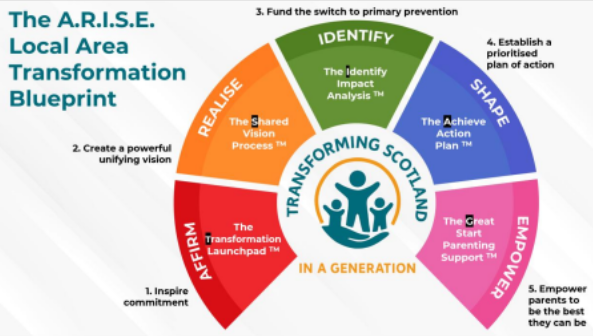
4. Preconception: The Evidence Base for Preparing Future Parents 4.1 The Preconception Period: Why Earlier Intervention Matters The preconception period—the time before conception—represents a window of  opportunity that has been systematically neglected in child development strategy. This  section presents the evidence demonstrating why interventions during childhood and  adolescence, before young people become parents, offer higher leverage for improving  child outcomes than interventions that begin during pregnancy or after birth. The Problem: Most Pregnancies Are Unplanned and Begin Without Optimal  Preparation A substantial proportion of pregnancies in the UK are unplanned or ambivalently  planned. Data from multiple sources indicate that between 40-50% of pregnancies are  unintended at the time of conception (World Health Organisation, 2014). This matters  because pregnancy is typically recognised at 4-6 weeks gestation, by which time the  embryo has entered or is approaching a highly vulnerable phase of development. Organogenesis—the formation of major organs and structures—occurs primarily  between weeks 6-13, during which the developing organism is maximally susceptible to  environmental insults including maternal stress, alcohol exposure, nutritional  deficiencies, and uncontrolled medical conditions. For preventable conditions like  foetal alcohol spectrum disorder (FASD), even brief exposures in the early weeks before  recognition can cause irreversible structural and neurological damage, underscoring  the need for preconception health strategies. Professor Vivette Glover of Imperial College London, presenting evidence to the  Scottish Commission of Inquiry (Glover, 2023), highlighted research demonstrating that  (OR: Odds Ratio, CI: Confidence Interval): • Maternal depression during pregnancy more than doubles the likelihood of  subsequent child maltreatment (OR = 2.2, 95% CI: 1.5-3.2) • Children of mothers with prenatal depression are three times more likely to  suffer depression in adulthood (OR = 3.0) • More than one million children in the UK suffer from neurodevelopmental  disorders that are exacerbated by prenatal stress, anxiety, and depression • Early intervention addressing emotional wellbeing before and during pregnancy  could prevent an estimated 100,000+ cases of neurodevelopmental disorders Glover's testimony emphasised a critical point: 'Pregnancy is a good place to start as  women are in touch with health professionals and can start early intervention. But  ideally, we should start even earlier—by addressing preconception stress, depression, and trauma, especially in vulnerable families.' The evidence she presented  demonstrates that waiting until pregnancy to intervene misses substantial  opportunities for prevention, because the conditions that harm child development are  already established before conception occurs. Preconception Stress and Birth Outcomes: The Evidence Research by Keenan and colleagues (2018) examining preconception stress exposure  found significant associations with adverse birth outcomes even after controlling for  stress during pregnancy. Their systematic review identified that preconception stress  independently predicts: • Preterm birth (OR = 1.5-1.8 across studies) • Low birth weight (weighted mean difference = -120g) • Small for gestational age (OR = 1.4) • Increased infant mortality risk (HR = 1.6) The mechanisms appear to operate through both biological embedding—where chronic  stress before conception alters maternal physiology including HPA (hypothalamic pituitary-adrenal) axis function, inflammation, and placental function—and through  continuity, where women experiencing preconception stress typically continue to  experience stress during pregnancy, creating cumulative exposure for the developing  foetus. Critically, these effects were found even in cohorts without severe adversity, indicating  that preconception stress operates across the socioeconomic spectrum, not only in  high-risk populations. This evidence establishes that the preconception period is not  merely a preparation phase, but a developmental period where maternal experiences  directly influence offspring outcomes through biological mechanisms. 4.2 The Transmission of Parenting Capacity Across Generations: Evidence from  Longitudinal Studies The Dunedin Study: Self-Control Predicts Parenting Quality Across Generations The Dunedin Multidisciplinary Health and Development Study, which has followed  1,037 individuals born in Dunedin, New Zealand between 1972-1973 from birth to the  present day, provides some of the most compelling evidence for intergenerational  transmission of developmental capacities. Moffitt and colleagues (2013) examined  whether childhood self-control—measured through teacher, parent, and observer  ratings at ages 3, 5, 7, 9, and 11—predicted the quality of parenting participants  provided to their own children decades later. The findings were striking and consistent:2 Self-control in childhood predicted parenting quality at age 32, measured through  multiple methods including observational assessments, partner reports, and offspring  reports. The association remained significant after controlling for: • Social class of origin • IQ • Family structure • Parental warmth received in childhood Effect sizes were substantial: children who scored in the bottom quintile on childhood  self-control were 2.5 times more likely to be rated as providing harsh or inconsistent  parenting as adults compared to those in the top quintile. The gradient was  continuous—each standard deviation decrease in childhood self-control predicted a  0.3 standard deviation decrease in adult parenting quality. The mechanisms appear to operate through multiple pathways. Adults with poor  childhood self-control (Moffitt et al., 2013): • Had significantly higher rates of substance dependence by age 32 (OR = 3.2) • Were more likely to have criminal convictions (OR = 3.9) • Experienced more financial difficulties (OR = 2.8) • Had higher rates of mental health problems including depression and anxiety  (OR = 2.1) • Demonstrated poorer emotion regulation under stress in laboratory  assessments Each of these outcomes independently predicts poorer parenting, but the direct  association between childhood self-control and adult parenting quality persisted even  after controlling for these intermediate outcomes. This suggests that self-control  operates both through creating life circumstances that undermine parenting (poverty,  substance abuse, mental health problems) and through direct effects on parents'  capacity to regulate their own behaviour under the demands of caregiving. The implications are profound: low self-control in one generation creates disadvantages  that cascade to the next generation through both environmental pathways (growing up  in poverty, with parental substance abuse, experiencing harsh discipline) and through  direct effects on parenting quality. Conversely, interventions that enhance self-control  in childhood may produce returns not only for those children's own life outcomes, but  for their future children's outcomes—a true prevention dividend extending across  generations.3 Parent-Child Attachment Quality Predicts Later Romantic Relationship Quality:  Systematic Review Evidence A systematic review by River and colleagues (2022) examined the association between  parent-child relationship quality in the family of origin and later romantic relationship  functioning. The review synthesised evidence from 68 studies examining various  dimensions of parent-child relationships and their longitudinal associations with  romantic relationships in adolescence and adulthood. Key findings included: (Note: r = Measures the strength and direction of the linear relationship between two  factors. Values range from -1 (perfect negative association) to +1 (perfect positive  association). Crucially, r does not prove cause and effect. k = no of groups, categories or studies d = quantifies the magnitude of the difference observed between groups) Secure attachment to caregivers predicted multiple dimensions of romantic  relationship quality: • Relationship satisfaction in adulthood (r = 0.28, 95% CI: 0.22-0.34, k = 24  studies) • Lower rates of relationship conflict (r = -0.31, k = 18 studies) • Greater relationship stability and commitment (r = 0.25, k = 15 studies) • More secure attachment styles in romantic relationships (r = 0.42, k = 31 studies) • Better emotion regulation during couple conflict (d = 0.48, k = 8 studies) The review identified several mechanisms explaining these associations (River et al.,  2022): Internal working models: Attachment theory proposes that early caregiving  experiences shape children's internal working models—mental representations of self,  others, and relationships. Children who experience sensitive, responsive caregiving  develop positive working models ('I am worthy of care', 'Others are reliable',  'Relationships are rewarding') that serve as templates for future relationships.  Longitudinal studies demonstrated continuity in attachment patterns from infancy to  romantic relationships, with 60-70% stability in attachment classifications across  decades. Emotion regulation capacities: Secure attachment in childhood predicts better  emotion regulation in adulthood. Multiple studies demonstrated that securely attached  children develop superior capacities to modulate emotional arousal, recover from 4 distress, and maintain organised behaviour under stress—capacities that directly affect  how individuals manage conflict and maintain connection in romantic relationships. Relationship schemas and expectations: Children internalise patterns observed in  parental relationships and parent-child interactions. Those witnessing warm,  supportive interactions develop expectations that relationships involve mutual care and  respect. Conversely, those experiencing harsh, inconsistent, or neglectful parenting  may develop expectations that relationships involve conflict, unreliability, or danger. The review's conclusions are particularly relevant to preconception strategy: 'The  quality of the parent-child attachment relationship plays a key role in shaping the  quality of future romantic relationships. These findings suggest that interventions  targeting parent-child relationship quality may have cascading benefits for relationship  functioning across generations' (River et al., 2022). The authors note that while  attachment patterns show continuity, they are not deterministic—later positive  relationship experiences can modify early negative patterns, but this becomes  increasingly difficult with age, arguing for early intervention. 4.3 Adolescent Relationship Violence: Prevalence, Patterns, and the Case for Early  Intervention The Scale of the Problem: Evidence from UK Adolescents Research by Fox and colleagues at Keele University examined dating violence among  1,143 students aged 13-14 years in UK schools using validated questionnaires  assessing experiences as victims, perpetrators, or witnesses of domestic abuse (Fox et  al., 2014). The findings challenge common assumptions about when relationship  violence begins and who is affected: Victimisation: 45% of pupils who had been in a dating relationship reported being  victimised by a partner Perpetration: 25% reported having perpetrated violence against  a partner Witnessing family violence: 34% had witnessed domestic abuse in their own  family Bidirectionality: 92% of those who perpetrated violence also reported being  victims These prevalence rates are remarkably high for such a young age group and  demonstrate that substantial numbers of young people are already experiencing partner  violence by early adolescence. The bidirectional nature of violence (92% of perpetrators  were also victims) reflects research showing that teen dating violence often involves  mutual aggression. The high rate of witnessing family violence (34%) provides evidence for intergenerational  transmission pathways. Multiple longitudinal studies have demonstrated that children  who witness parental domestic violence are at elevated risk of both perpetrating and  experiencing violence in their own relationships. Effect sizes are substantial:5 • Witnessing parental IPV predicts perpetration in adolescent relationships (OR =  2.8-3.4 across studies) • Witnessing predicts victimisation in adolescent relationships (OR = 2.1-2.6) • Effects persist into adulthood (OR = 1.8-2.2 for adult IPV perpetration) Fox and colleagues' key conclusion bears directly on preconception strategy: 'What  these findings tell us with regard to domestic abuse prevention is that if the aim is to  reach children before domestic abuse begins to impact upon many of their lives, then, in  the UK at least, interventions are going to need to target children before they reach the  age of 13' (Fox et al., 2014). The researchers note that the vast majority of children want to receive education on  domestic abuse: 84% of secondary age children and 52% of primary school children  reported wanting this education in surveys. This indicates substantial receptivity to  prevention efforts, countering concerns that children are too young for such education  or would resist it. Developmental Trajectories Linking Youth Violence to Adult Domestic Violence The Seattle Social Development Project has followed more than 800 participants from  fifth grade (age 10-11) into adulthood, providing rare longitudinal data on violence  trajectories. The research identified four distinct patterns of violent behaviour between  ages 13 and 18 (Herrenkohl et al., 2007): Non-offenders (60%): Did not engage in violent behaviour during adolescence  Desisters (15%): Engaged in violence early but ceased by age 16 Chronic offenders  (16%): Began violent behaviour early and it persisted at moderate levels up to age 18  Late increasers (9%): Became involved with violence in mid-adolescence with  behaviour increasing up to age 18 The critical finding: individuals in the chronic offender and late increaser groups were  significantly more likely to commit moderately severe forms of domestic violence at age  24 compared to non-offenders. At age 24, approximately 19% of participants with partners (117 of 650 individuals) reported having committed domestic violence in the  past year. Relative risk calculations: • Chronic offenders: RR = 3.8 (95% CI: 2.4-6.1) for adult domestic violence • Late increasers: RR = 3.2 (95% CI: 1.9-5.4) for adult domestic violence • Desisters: RR = 1.3 (95% CI: 0.7-2.4) - not significantly elevated These findings demonstrate that persistent youth violence is a strong predictor of adult  domestic violence, while youth violence that desists by mid-adolescence does not 6 confer elevated risk. This has direct implications for intervention timing: prevention and  intervention efforts during early and middle adolescence, before chronic patterns  become established, may prevent substantial domestic violence in adulthood. Herrenkohl emphasised: 'Most people think youth violence and domestic violence are  separate problems, but this study shows that they are intertwined... The take-home  message is that it may be possible to prevent some forms of domestic violence by  acting early to address youth violence. Our research suggests the earlier we begin  prevention programmes the better, because youth violence appears to be a precursor to  other problems including domestic violence' (Herrenkohl et al., 2007). The study also examined multiple risk factors for domestic violence at age 24. Beyond  youth violence trajectories, significant predictors included: • Major depressive episode: OR = 2.4 (95% CI: 1.5-3.9) • Receiving welfare: OR = 1.9 (95% CI: 1.2-3.1) • Partner's heavy drug use: OR = 3.2 (95% CI: 1.9-5.4) • Partner's history of violence: OR = 4.1 (95% CI: 2.6-6.5) • Partner's arrest record: OR = 2.8 (95% CI: 1.7-4.6) • Partner unemployment: OR = 2.1 (95% CI: 1.3-3.4) • Living in disorganised neighbourhoods: OR = 1.8 (95% CI: 1.1-2.9) These findings demonstrate that domestic violence risk is multiply determined,  involving individual characteristics, partner characteristics, and contextual factors. This  argues for comprehensive preconception strategies addressing mental health,  economic security, substance abuse prevention, and neighbourhood conditions, not  merely relationship education in isolation. 4.4 Adolescent Childbearing: Consequences for Parents and Children The Scale and Impact of Teen Pregnancy Adolescent pregnancies contribute substantially to poor maternal and infant outcomes  globally. The World Health Organisation (2014) synthesis of evidence demonstrates  that: • Perinatal deaths are 50% higher among babies born to adolescent mothers (RR =  1.5, 95% CI: 1.3-1.7) • Infants born to adolescent mothers have significantly higher rates of low birth  weight (OR = 1.6, 95% CI: 1.4-1.9) • Preterm birth rates are elevated (OR = 1.4, 95% CI: 1.2-1.7)7 • Neonatal mortality is increased (RR = 1.3, 95% CI: 1.1-1.6) These elevated risks persist even after controlling for socioeconomic status, suggesting  biological mechanisms related to maternal physiological immaturity contribute  independently to poor outcomes. Adolescent mothers' bodies are still developing, and  pregnancy competes with ongoing growth for nutritional and metabolic resources,  compromising both maternal and foetal development. Teen Parenting and Child Development Outcomes Beyond immediate birth outcomes, children of teenage parents face elevated  developmental risks extending to childhood and adolescence (Tremblay, 2023). Multiple  longitudinal studies document that children of teenage mothers show: • Lower cognitive development scores in early childhood (d = -0.35 at age 3) • Higher rates of behavioural problems (OR = 1.8 for clinically significant  problems) • Poorer academic achievement (standardised test scores 0.3-0.4 SD lower) • Elevated rates of school dropout (OR = 1.6) • Higher rates of teenage pregnancy themselves (OR = 2.1 for girls) Research on parenting quality provides evidence for mechanisms (Runyan, 2023).  Studies using observational assessments of parent-child interaction find that teenage  parents, compared to mothers in their twenties, demonstrate: • Less sensitive, responsive parenting (d = -0.42 on standardised observational  measures) • More harsh discipline including physical punishment (OR = 1.9) • Less age-appropriate expectations and knowledge of child development (d = - 0.38) • Lower rates of positive, playful interaction (d = -0.31) • More negative, hostile affect during interactions (d = 0.35) These differences in parenting quality appear to be mediated by multiple factors: lower  educational attainment and reduced knowledge of child development; higher rates of  depression and anxiety; greater financial stress and poverty; less social support; and,  particularly for young males, ongoing executive function development. Male executive  function—including impulse control, planning, and emotional regulation—continues  developing into the mid-twenties. Young fathers' parenting is particularly affected by  immature executive function, manifesting in less patience, more impulsive responses to  child behaviour, and difficulty maintaining consistent routines.8 The Prevention Dividend: Teen Pregnancy Reduction and Child Maltreatment Perhaps the most compelling evidence for teen pregnancy prevention comes from  research by Runyan and colleagues demonstrating population-level effects on child  maltreatment. Their analysis, examining geographical variation in teen birth rates and  substantiated child maltreatment across US counties (Runyan, 2023), found that: A 50% reduction in teenage childbearing was associated with a 9% reduction in rates of  child abuse and neglect (adjusted rate ratio = 0.91, 95% CI: 0.87-0.95, p < 0.001). This finding remained significant after controlling for multiple factors including county  poverty, unemployment, educational attainment, ethnicity, substance abuse and  availability of child welfare services. The 9% reduction may appear modest, but represents a substantial prevention effect at  population level. If Scotland were to reduce teenage births by 50%—a target achieved  by multiple countries through comprehensive prevention strategies (Kearney & Levine,  2014; Hadley et al, 2016; Wellings et al, 2016; Sedgh et al, 2015)—and achieve similar  maltreatment reductions, this would prevent hundreds of children from entering care  annually, with lifetime benefits extending across multiple domains (Melhuish et al,  2012, Scottish Government, 2021). The association likely operates through multiple pathways: reduced exposure to the  parenting risk factors associated with teenage parenthood (poverty, stress, immature  executive function, harsh discipline); increased likelihood that pregnancies occur in  more stable, supported circumstances; and more time for young women to complete  education and establish economic security before becoming parents. 4.5 Foetal Alcohol Spectrum Disorder: Prevalence, Impact, and Prevention FASD: Definition, Mechanisms, and Manifestations Foetal Alcohol Spectrum Disorder (FASD) encompasses a range of conditions caused  by prenatal alcohol exposure. As Mukherjee and colleagues (2006) establish in their  comprehensive review, alcohol is a teratogen—a substance that causes birth defects  and developmental abnormalities. When a pregnant woman consumes alcohol, it  crosses the placenta freely, and within minutes the foetus's blood alcohol  concentration matches the mother's. Unlike the mother, the foetus lacks mature  enzymes to metabolise alcohol efficiently, resulting in prolonged exposure at higher  concentrations relative to body weight. Alcohol causes more severe neurobehavioural effects on the developing foetus than  other substances of abuse including marijuana, cocaine, and heroin (Mukherjee et al.,  2006). The mechanisms involve: • Direct neurotoxicity, causing neuronal cell death in developing brain structures9 • Disruption of neural migration, resulting in abnormal brain organisation • Impaired synaptogenesis and reduced synaptic density • Damage to specific brain regions including hippocampus, corpus callosum,  cerebellum, and frontal cortex • Oxidative stress and mitochondrial dysfunction • Altered gene expression through epigenetic mechanisms The resulting deficits are permanent and wide-ranging. The FASD Network documents  the core impairments experienced by individuals with FASD: Cognitive impairments: Attention problems and hyperactivity; academic difficulties,  particularly in mathematics and memory; poor abstract reasoning; difficulty  understanding cause and effect; poor short-term memory; inconsistent performance  across tasks and settings Language deficits: Particularly poor receptive language (understanding what others  say), creating vulnerability to exploitation and misunderstandings; difficulties with  verbal expression and narrative coherence Adaptive functioning challenges: Problems intensify as individuals age and demands  increase; difficulty managing money and time; poor judgment and decision-making;  vulnerability to manipulation Social difficulties: Trouble forming and sustaining friendships; poor understanding of  social cues and expectations; often overly friendly with strangers (lack of normal  wariness); difficulty learning from social mistakes Behavioural and emotional regulation problems: Impulsivity and poor self-control;  emotional dysregulation; difficulty with transitions; lack of motivation; inappropriate  responses to situations Sensory processing issues: Auditory, visual, and tactile processing difficulties;  sensory integration problems affecting daily functioning Prevalence: A Hidden Epidemic Despite being entirely preventable, FASD represents the most common non-genetic  cause of learning disabilities in the UK according to the British Medical Association  (Barlow, 2023). However, prevalence estimates vary dramatically depending on  methodology, with active case ascertainment revealing far higher rates than passive  surveillance or diagnosis rates suggest. A 2021 study by McCarthy and colleagues used active case ascertainment in  Manchester, screening all children in mainstream primary schools and conducting 10 detailed assessments of those screening positive (McCarthy et al., 2021). The study  found FASD prevalence between 1.8% and 3.6% among 8-9-year-old children— substantially higher than diagnosis rates of approximately 0.02% suggested by clinical  records. International systematic reviews estimate UK population prevalence at 3-5%, though  with wide confidence intervals. If accurate, this suggests: • Approximately 20,000-35,000 children born annually in the UK with FASD • 750,000-1,250,000 individuals currently living with FASD in the UK • Fewer than 10,000 formal diagnoses, representing less than 1% of actual cases The prevalence is dramatically higher in specific populations. Approximately two-thirds  of children in foster care show symptoms consistent with FASD, though most remain  undiagnosed. This elevated prevalence reflects the strong association between parental alcohol problems and child maltreatment leading to care proceedings. The Cognitive and Functional Impact: Quantifying the Burden Mukherjee and colleagues' synthesis of neuropsychological research on FASD  establishes the severity of impairment (Mukherjee et al., 2006): • Mean IQ: 85.9 (approximately 1 standard deviation below population mean) • Mental disorder prevalence: 90% meet diagnostic criteria for at least one  disorder • Common co-occurring diagnoses: ADHD (60-80%); social and communication  impairments (40-60%); mood disorders (30-50%); personality disorders in  adulthood (25-40%); substance use disorders (30-50%); psychotic disorders (10- 15%) The functional impacts translate into substantial service utilisation and poor life  outcomes. Research tracking individuals with FASD into adulthood finds: • Education: 60-80% experience disrupted schooling; 40-60% do not complete  secondary education • Employment: 50-70% experience unemployment or underemployment in  adulthood • Independent living: 40-60% cannot live independently without support • Criminal justice: 40-60% have involvement with the justice system; 50%  experience confinement in detention or prison settings • Mental health services: 50% experience involuntary psychiatric admission11 • Inappropriate sexual behaviour: 50% engage in sexually inappropriate  behaviour, often related to poor judgment, social naivety, and impulsivity Much of this poor functioning reflects the core neuropsychological deficits: impaired  executive functioning prevents planning and self-control; receptive language difficulties  mean individuals misunderstand instructions and social cues; memory consolidation  problems due to hippocampal damage prevent learning from experience; and poor  abstract reasoning limits ability to generalise from specific situations to broader  principles. The Economic Burden The lifetime costs of FASD are substantial. US research estimates the additional cost of  caring for an individual with FASD at approximately $500,000 over 20 years (in 2006  dollars, equivalent to approximately £750,000 in current UK pounds). This includes: • Special education services and support • Mental health treatment • Substance abuse treatment • Criminal justice costs • Social services and supported living • Lost productivity and economic contribution Scaling to Scotland specifically, with approximately 50,000-55,000 births annually and  FASD prevalence of 3-5%, an estimated 1,500-2,750 children are born with FASD each  year. At average additional lifetime costs of £750,000 per individual, each annual cohort  in Scotland represents £1.1-2.1 billion in additional lifetime costs. These preventable  costs represent a massive burden on families, services, and society—costs that could  be eliminated through effective prevention. The Prevention Imperative: Why Preconception Strategy Is Essential Multiple factors make preconception FASD prevention essential rather than optional: Unplanned pregnancy rates: Given the high proportion of unplanned pregnancies  discussed earlier, substantial numbers of women continue drinking into early  pregnancy before recognition. Timing of vulnerability: The highest risk period for many FASD outcomes is the first  trimester, particularly weeks 3-8 of gestation when many major organ systems are  forming. This is precisely when many women do not yet know they are pregnant. Addiction and dependence: Women who are alcohol-dependent at the time of  conception cannot simply stop drinking upon pregnancy recognition. Alcohol 12 dependence requires comprehensive treatment, and relapse rates are high even with  intensive intervention. Social determinants: The factors that drive problematic alcohol use—poverty, trauma,  mental health problems, relationship violence, social isolation—are present before  pregnancy. Waiting until pregnancy to address these underlying conditions is  ineffective. The World Health Organisation's position is unequivocal: 'Substance use should stop  well before pregnancy, as quitting addictive substances can be very challenging once  established' (World Health Organisation, 2014). Prevention and management programs  must begin during adolescence, before initiation of heavy drinking, with screening and  intervention before conception. From Evidence to Delivery: Confronting an Uncomfortable Question The evidence reviewed in the preceding sections leads to a conclusion that is both  compelling and, for some readers, uncomfortable. Multiple developmental trajectories  that strongly shape future parenting capacity, relationship behaviour, mental health,  substance use and risk of violence are already established or emerging during  childhood and adolescence. By the time individuals reach adulthood, and certainly by  the time pregnancy occurs, many of these trajectories are significantly less malleable,  more costly to alter, and more likely to transmit risk to the next generation. This raises a difficult but unavoidable question for policy: if Scotland is serious about  addressing these risks at their roots, where and how can effective, equitable, early  intervention realistically occur? The intention of this section is not to prescribe institutional roles, nor to expand the  remit of any profession by assertion. Rather, it follows the logic of the evidence to  examine what kinds of systems are capable of delivering prevention at the scale, timing  and universality that the evidence indicates are required. In doing so, it is necessary to  confront the constraints within which policy operates, rather than assuming that  preferred alternatives exist. Across the domains reviewed—self-regulation, attachment, relationship skills, violence  prevention, mental health, substance use, and preparation for parenthood—three  consistent requirements emerge. Effective prevention requires: (i) contact before high-risk patterns are established; (ii) sustained engagement over developmental time, not one-off interventions; and (iii) universal or near-universal reach, in order to avoid stigma and reliably engage those  most at risk. Any delivery platform capable of meeting these conditions would need to offer regular  access to children and young people across many years of development, provide 13 continuity of relationships, and operate at population scale. The analysis that follows  therefore considers settings not on the basis of institutional preference, but on whether  they plausibly meet these requirements. This inevitably brings schools into focus—not because they are assumed to be  responsible for solving social problems, but because they are one of the few settings  that consistently provide universal reach, sustained contact and developmental  continuity during the years when prevention is most effective. Acknowledging this reality  does not imply that schools should act alone, nor that educational priorities should be  displaced. Nor does it preclude the involvement of health services, third-sector  organisations, families, or communities. Rather, it recognises that without some  universal platform capable of early engagement, prevention strategies risk remaining  fragmented, inequitable, or too late. Some will question whether this represents an appropriate role for education systems.  That concern is legitimate and deserves serious consideration. However, rejecting a  given platform does not remove the underlying problem. It simply raises a further  question: what alternative mechanism could achieve equivalent reach,  effectiveness and equity at the developmental stage when intervention has the  greatest impact? The section that follows therefore examines schools as a potential preconception  platform, not as a mandated solution, but as an evidence-driven response to a  challenge that cannot be wished away. The focus is on feasibility, effectiveness and  alignment with wider societal goals, rather than on institutional prescription. 4.6 Schools as the Universal Preconception Platform: Evidence and Rationale Why Schools? The Case for Universal Approaches The evidence presented in preceding sections establishes that multiple risk factors for  poor preconception health and parenting capacity are already present or developing  during childhood and adolescence: patterns of violence in relationships emerge by ages  13-14 (Fox et al., 2014); low self-control established in childhood predicts poor  parenting decades later (Moffitt et al., 2013); attachment patterns formed in childhood  influence romantic relationship quality (River et al., 2022); mental health problems begin emerging in adolescence; and risky behaviours including alcohol use initiate  during teen years. If these risk factors are present during childhood and adolescence, interventions must  occur during this developmental period. The question becomes: what setting provides  universal access to children and young people with sufficient intensity and duration to  deliver effective interventions? Schools are the only setting that consistently meets these criteria at population scale:14 • Universal reach: Virtually all children attend school from ages 5-16, providing 11  years of contact • Intensity: Children spend approximately 1,000 hours per year in school,  representing more waking hours than any other setting except home • Sustained contact: Daily interaction over years enables relationship building  and skill development • Developmental appropriateness: Schools can deliver age-appropriate  interventions as children develop • Reduced stigma: Universal school-based provision avoids the stigma of  targeted 'high-risk' services • Existing infrastructure: Schools already exist, with trained professionals and  established systems No other setting currently offers comparable reach, intensity, and sustained contact  with young people across the relevant developmental years. Evidence for Whole-School Attachment-Informed Approaches Implementation of attachment-informed practice in schools builds on the evidence that  early attachment relationships shape later relationship quality (McDaid, 2023). South  Lanarkshire's attachment strategy provides a model: all school staff receive training in  attachment theory and nurturing practices; schools appoint attachment leads and  ambassadors; Educational Psychologists provide reflective supervision; and  consistent, attuned relationships with adults are prioritised. The Nurture International Whole School Nurture Approach for Learning represents a  systematised model (Nurture International, 2023). The 18-month programme consists  of five half-day modules and review sessions covering: how early experiences shape  brain development; trauma healing; creation of emotionally safe learning environments;  assessment of developmental needs using the Digital Development Portrait; and  implementation of targeted interventions at individual, group, and whole-school levels. The Six Nurture Principles embedded throughout include: meeting social, emotional,  and cognitive needs; mindful communication; fostering emotional safety; reflecting on  behaviour and developmental needs; building positive self-esteem and identity; and  celebrating diversity and inclusion. For looked-after children—who face the greatest developmental risks and highest rates  of trauma—the Digital Development Portrait tool enables staff to create individualised  developmental profiles, identify learning barriers, and implement targeted strategies.  Research indicates this approach produces measurable improvements in academic 15 achievement and mental wellbeing while reducing behavioural difficulties (Nurture  International, 2023). Accessible Mental Health Support in Schools Evidence from 31 organisations contributing to the Scottish Commission (Burley, 2023)  emphasised that substantial and growing numbers of schoolchildren experience  mental health challenges that have not yet reached clinical thresholds requiring  specialist intervention. This 'missing middle' represents precisely the population where  early support could prevent escalation into more severe, harder-to-treat conditions. Current systems require referral to external Child and Adolescent Mental Health  Services (CAMHS), creating multiple barriers: stigma associated with accessing mental  health services; long waiting times; services located away from schools; and  requirement to reach clinical thresholds before accessing support. As a result, many  young people experiencing emerging difficulties receive no support until problems  become severe. Integration of mental health support within schools addresses these barriers: on-site  counsellors provide accessible, non-stigmatising support; Educational Psychology  Services offer evidence-based assessment and intervention; early support prevents  escalation to clinical severity; and universal provision normalises help-seeking. The  SEED (Social and Emotional Education and Development) Trial experiment in primary  schools in Scotland (Blair et al, 2024), led by Professor Marion Henderson, showed  positive impacts on scores on the Strengths and Difficulties Questionnaire. 4.7 Synthesis: From Evidence to Strategy The Intergenerational Transmission Pathways The evidence reviewed establishes multiple pathways through which current  developmental outcomes influence the next generation: Pathway 1 - Self-control and parenting capacity: Low self-control in childhood  predicts poor self-control in adulthood, which directly impairs parenting quality through  reduced capacity to respond patiently, consistently, and appropriately to child needs  (Moffitt et al., 2013). Pathway 2 - Attachment patterns across generations: Early attachment quality  shapes internal working models that influence romantic relationship quality, which in  turn affects the family environment children are born into (River et al., 2022). Pathway 3 - Violence trajectories: Chronic youth violence predicts adult domestic  violence, with substantially elevated relative risks for both chronic offenders and late  increasers (Herrenkohl et al., 2007). Children exposed to domestic violence show 16 elevated risks of perpetrating and experiencing violence in their own relationships (OR =  2.8-3.4). Pathway 4 - Teen parenting and child outcomes: Adolescent childbearing predicts  harsh discipline, less responsive parenting, and elevated child maltreatment risk. As  detailed earlier, reductions in teen births are associated with significant reductions in  child maltreatment at population level (Runyan, 2023). Pathway 5 - Prenatal alcohol exposure: FASD creates permanent neurological  damage, with 90% prevalence of mental disorders and 50% confinement in justice or  mental health settings (McCarthy et al., 2021; Mukherjee et al., 2006). Preventable, but  requires intervention before pregnancy due to high rates of unplanned pregnancy and  addiction complexity. These pathways are not independent but interconnected: poor self-control increases  risk of substance abuse, which increases risk of teen pregnancy and domestic violence;  domestic violence exposure in childhood predicts both perpetration and victimisation;  mental health problems increase maltreatment risk. The pathways create self reinforcing cycles where adversity in one generation creates circumstances that  generate adversity in the next. In addition to the psychosocial and behavioural pathways described above, biological  inheritance also contributes to intergenerational continuity across generations,  although these mechanisms are substantially less modifiable by current policy than the  pathways targeted in this report. Pathway 6 – Epigenetic embedding of early adversity Childhood adversity produces  lasting epigenetic changes (especially methylation of stress-related genes) that persist  into adulthood and can be transmitted to offspring via sperm or oocytes (ovarian cells),  altering the next generation’s stress response and neurodevelopment even in improved  rearing environments (Yehuda et al., 2016; Turecki & Meaney, 2016). Effect sizes are  modest but biologically plausible. Pathway 7 – Genetic transmission of risk Impulse control, mental health, and  substance-use disorders are moderately to highly heritable (h² = 0.4–0.8). Parents  transmit risk alleles (variants of a gene) to children, increasing the likelihood that  offspring will develop the same difficulties that impaired their own parenting (Moffitt &  Caspi, Dunedin/E-Risk studies). This genetic transmission often interacts with  environmental factors, such as adverse parenting experiences, which can amplify or  mitigate inherited risks through mechanisms like gene-environment correlations  (Moffitt & Caspi, various studies). The Evidence Base for Preconception Intervention17 Multiple lines of evidence converge on the conclusion that intervening during childhood  and adolescence—before young people become parents—offers higher leverage than  interventions beginning during pregnancy or after birth: 1. Timing: Risk factors are established or emerging during childhood and  adolescence, not suddenly appearing at conception 2. Plasticity: Developmental capacities including self-regulation, attachment  patterns, and relationship skills are more malleable during childhood and  adolescence than in adulthood 3. Prevention vs. treatment: Building capacities before problems develop is more  effective, more efficient and less costly than remediating established difficulties 4. Unplanned pregnancy: Given that nearly half of pregnancies are unplanned,  waiting until pregnancy planning occurs misses substantial proportions of the  population 5. Critical periods: Many harms (FASD, stress effects) occur before pregnancy  recognition, requiring prevention before conception 6. Compound effects: Early intervention prevents cascades where one risk factor  leads to others Policy Implications The evidence establishes several policy imperatives: If Scotland is to intervene before these risks are established, schools need to be  recognised and resourced as preconception platforms. This does not represent  mission creep, but reflects growing recognition that preparing young people for healthy,  capable adulthood—including future parenthood—is integral to education’s wider  purpose. The evidence indicates that whole-school approaches are required to achieve  sustained impact. Training only specialised staff is insufficient; all adults in school  ecosystems require understanding of attachment, trauma, and relationship-focused  practice. Online training alone is insufficient, new practices need to be embedded and  supported. The evidence suggests that embedding mental health support within schools offers  the most accessible and effective means of early intervention. External referral-only  models fail to reach the populations most needing support (Burley, 2023). Evidence from UK and international studies indicates that effective domestic  abuse prevention needs to begin before age 13. As Fox et al. (2014) demonstrated,  relationship violence is already prevalent by ages 13-14, and over a third of young 18 people have witnessed family violence. Waiting until late secondary school is waiting  too long. Indeed, the vast majority of children want to receive education on domestic  abuse – 84% of secondary age children and 52% of primary school children (Mullender  et al., 2002). Effective FASD prevention requires a comprehensive strategy, including early  education that can begin during the school years, universal screening conversations in  healthcare, partner engagement, and addressing underlying adversities. Product  labelling and population-level alcohol reduction strategies are essential complements  (Alcohol Focus Scotland, 2023). Teen pregnancy prevention requires a combination of approaches, including  accessible long-acting contraception, comprehensive sex education (Stop it Now  Scotland, 2023), keep-girls-in-education policies, and youth-friendly services. Fathers need to be actively engaged throughout. Evidence demonstrates fathers'  preconception health and parenting matter as much as mothers', yet men remain  systematically excluded from preconception interventions (Stephenson et al., 2018). 4.8 Conclusion: The Evidence Base for Transformative Action The evidence reviewed in this section establishes the preconception period as a critical  window for intervention. Key developmental capacities that shape future parenting and  child outcomes—including self-regulation, attachment, relationship skills, mental health, substance use patterns, and exposure to violence—are already established or  emerging during childhood and adolescence, long before pregnancy occurs. Longitudinal research demonstrates clear intergenerational transmission pathways:  childhood self-control predicts later parenting quality; early attachment patterns shape  adult relationships; youth violence predicts adult domestic abuse; and adolescent  childbearing increases population-level risk of child maltreatment. These pathways  operate through well-established biological, psychological, and social mechanisms,  with substantial and consistent effect sizes. The costs of inaction are both human and economic. Preventable harms such as FASD,  domestic abuse, mental illness, and child maltreatment generate billions of pounds in  avoidable public expenditure while inflicting lasting damage on individuals, families,  and communities. The evidence shows that these costs are not inevitable, but reflect  delayed and fragmented responses. For the reasons set out in Section 4.6, schools uniquely offer the universal reach,  sustained contact, and developmental timing required to deliver effective  preconception prevention at population scale. What distinguishes more effective from less effective strategy is therefore not whether  to intervene before conception—the evidence makes that imperative clear—but 19 whether Scotland commits to comprehensive, sustained, evidence-based  implementation rather than continuing piecemeal approaches that fail to alter long term trajectories. The opportunity is generational. By strengthening early prevention, Scotland can reduce  unplanned pregnancies, improve parenting capacity, enhance child development, and  break intergenerational cycles of harm. The primary beneficiaries are children not yet born, but the opportunity to shape their life chances lies in the development of today’s  children and young people. References Alcohol Focus Scotland. (2023). Urgent action required on alcohol treatment [Briefing].  Alcohol Focus Scotland. https://www.alcohol-focus scotland.org.uk/resources/Alcohol-Treatment-Briefing-Oct-2023.pdf Balbernie, R. (2023). Oral presentation to Scottish Commission of Inquiry on Delivery of  70/30 [Oral presentation]. Scottish Commission of Inquiry, Edinburgh, Scotland. Barlow, J. (2023). Oral presentation to Scottish Commission of Inquiry on Delivery of  70/30 [Oral presentation]. Scottish Commission of Inquiry, Edinburgh, Scotland. Bierer, L. M., Bader, H. N., Daskalakis, N. P., Lehrner, A., Makotkine, I., Seckl, J. R., &  Yehuda, R. (2022). Intergenerational effects of maternal Holocaust exposure on FKBP5  methylation. American Journal of Psychiatry, 179(9), 609–623.  https://doi.org/10.1176/appi.ajp.2021.21060634 Blair, M., Henderson, M., & colleagues. (2024). SEED Trial: Social and Emotional  Education and Development in Scottish primary schools. University of Glasgow. Burley, A. (2023). Oral presentation to Scottish Commission of Inquiry on Delivery of  70/30 [Oral presentation]. Scottish Commission of Inquiry, Edinburgh, Scotland. Caspi, A., & Moffitt, T. E. (2018). Longitudinal cohort research: Sowing, nurturing,  waiting, harvesting. In D. M. Keating (Ed.), Advances in child development and behavior:  Vol. 54. Developmental science and the holistic approach (pp. 1–38). Elsevier.  https://doi.org/10.1016/bs.acdb.2018.05.001 Cerezo, M. A. (2023). Oral presentation to Scottish Commission of Inquiry on Delivery of  70/30 [Oral presentation]. Scottish Commission of Inquiry, Edinburgh, Scotland. Fox, C. L., Corr, M.-L., Gadd, D., & Butler, I. (2014). Young teenagers’ experiences of  domestic abuse. Journal of Youth Studies, 17(4), 510–526.  https://doi.org/10.1080/13676261.2013.832471 Glover, V. (2023). Oral presentation to Scottish Commission of Inquiry on Delivery of  70/30 [Oral presentation]. Scottish Commission of Inquiry, Edinburgh, Scotland.20 Hadley, A., Ingham, R., & Chandra-Mouli, V. (2016). Implementing the United Kingdom’s  ten-year teenage pregnancy strategy for England (1999–2010): How was this done and  what did it achieve? Reproductive Health, 13, Article 139.  https://doi.org/10.1186/s12978-016-0255-4 Herrenkohl, T. I., Kosterman, R., Mason, W. A., & Hawkins, J. D. (2007). Youth violence  trajectories and proximal characteristics of intimate partner violence. Violence and  Victims, 22(3), 259–274. https://doi.org/10.1891/088667007780842689 Kearney, M. S., & Levine, P. B. (2014). Investigating recent trends in the U.S. teen birth  rate (NBER Working Paper No. 17964). National Bureau of Economic Research.  https://doi.org/10.3386/w17964 Keenan, K., Hipwell, A. E., Class, Q. A., & Mbayiwa, K. (2018). Extending the  developmental origins of disease model: Impact of preconception stress exposure on  offspring neurodevelopment. Developmental Psychobiology, 60(7), 753–764.  https://doi.org/10.1002/dev.21729 McCarthy, R., Mukherjee, R. A. S., Fleming, K. M., Green, J., Clayton-Smith, J., Price, A.  D., Allely, C. S., & Cook, P. A. (2021). Prevalence of fetal alcohol spectrum disorder in  Greater Manchester, UK: An active case ascertainment study. Alcoholism: Clinical and  Experimental Research, 45(11), 2271–2281. https://doi.org/10.1111/acer.14742 McDaid, T. (2023). Oral presentation to Scottish Commission of Inquiry on Delivery of  70/30 [Oral presentation]. Scottish Commission of Inquiry, Edinburgh, Scotland. Melhuish, E., Belsky, J., Leyland, A. H., Barnes, J., & National Evaluation of Sure Start  Team. (2012). The impact of Sure Start Local Programmes on seven year olds and their  families. Department for Education.  https://assets.publishing.service.gov.uk/government/uploads/system/uploads/attachm ent_data/file/180532/DFE-RR134.pdf Melhuish, T. (2023). Oral presentation to Scottish Commission of Inquiry on Delivery of  70/30 [Oral presentation]. Scottish Commission of Inquiry, Edinburgh, Scotland. Moffitt, T. E., Poulton, R., & Caspi, A. (2013). Lifelong impact of early self-control.  American Scientist, 101(5), 352–359. https://doi.org/10.1511/2013.104.352 Mukherjee, R. A. S., Hollins, S., & Turk, J. (2006). Fetal alcohol spectrum disorder: An  overview. Journal of the Royal Society of Medicine, 99(6), 298–302.  https://doi.org/10.1258/jrsm.99.6.298 Mullender, A., Hague, G., Imam, U., Kelly, L., Malos, E., & Regan, L. (2002). Children’s  perspectives on domestic violence. SAGE Publications.  https://doi.org/10.4135/978144622088721 Nurture International. (2023). Formal submission to Scottish Commission of Inquiry on  Delivery of 70/30. Nurture International. Provençal, N., Arloth, J., Cattaneo, A., Anacker, C., Cattane, N., Wiechmann, T., Röh, S.,  Ködel, M., Klengel, T., Czamara, D., Müller, N. S., Lahti, J., Räikkönen, K., Pariante, C. M.,  Rex-Haffner, M., Binder, E. B., & Suderman, M. (2020). Glucocorticoid exposure during  hippocampal neurogenesis primes future stress response by inducing changes in DNA  methylation. Proceedings of the National Academy of Sciences, 117(38), 23280–23285.  https://doi.org/10.1073/pnas.2018036117 River, L. M., O’Reilly Treter, M., Rhoades, G. K., & Narayan, A. J. (2022). Parent-child  relationship quality in the family of origin and later romantic relationship functioning: A  systematic review. Family Process, 61(1), 259–277. https://doi.org/10.1111/famp.12709 Runyan, D. (2023). Oral presentation to Scottish Commission of Inquiry on Delivery of  70/30 [Oral presentation]. Scottish Commission of Inquiry, Edinburgh, Scotland. Scottish Government. (2021). Tackling child poverty delivery plan: Fourth year progress  report 2021–22 – Focus report on households with mothers aged 25 or under. Scottish  Government. https://www.gov.scot/publications/tackling-child-poverty-delivery-plan fourth-year-progress-report-2021-22-focus-report-households-mothers-aged-25- under/ Sedgh, G., Finer, L. B., Bankole, A., Eilers, M. A., & Singh, S. (2015). Adolescent  pregnancy, birth, and abortion rates across countries: Levels and recent trends. Journal  of Adolescent Health, 56(2), 223–230. https://doi.org/10.1016/j.jadohealth.2014.09.007 Stephenson, J., Heslehurst, N., Hall, J., Schoenaker, D. A. J. M., Hutchinson, J., Cade, J.  E., Poston, L., Barrett, G., Crozier, S. R., Barker, M., Kumaran, K., Yajnik, C. S., Murphy,  H., & Mishra, G. D. (2018). Before the beginning: Nutrition and lifestyle in the  preconception period and its importance for future health. The Lancet, 391(10132),  1830–1841. https://doi.org/10.1016/S0140-6736(18)30311-8 Stop it Now Scotland. (2023). Formal submission to Scottish Commission of Inquiry on  Delivery of 70/30. Stop it Now Scotland. Tremblay, R. (2023). Oral presentation to Scottish Commission of Inquiry on Delivery of  70/30 [Oral presentation]. Scottish Commission of Inquiry, Edinburgh, Scotland. Turecki, G., & Meaney, M. J. (2016). Effects of the social environment and stress on  glucocorticoid receptor gene methylation: A systematic review. Biological Psychiatry,  79(2), 87–96. https://doi.org/10.1016/j.biopsych.2014.11.022 Wellings, K., Palmer, M. J., Geary, R. S., Gibson, L. J., Copas, A., Datta, J., Glasier, A.,  Scott, R. H., Mercer, C. H., Erens, B., Macdowall, W., French, R. S., Jones, K. G.,  Johnson, A. M., Tanton, C., & Wilkinson, P. (2016). Changes in conceptions in women 22 younger than 18 years and the circumstances of young mothers in England in 2000–12:  An observational study. The Lancet, 388(10044), 586–595.  https://doi.org/10.1016/S0140-6736(16)30449-4 World Health Organisation. (2014). Preconception care (SEA-CAH-16). WHO Regional  Office for South-East Asia.  https://iris.who.int/bitstream/handle/10665/206035/B5135.pdf?sequence=1 Yehuda, R., Daskalakis, N. P., Bierer, L. M., Bader, H. N., Klengel, T., Holsboer, F., &  Binder, E. B. (2016). Holocaust exposure induced intergenerational effects on FKBP5  methylation. Biological Psychiatry, 80(5), 372–380.  https://doi.org/10.1016/j.biopsych.2015.08.005
5: Pregnancy - The Evidence Base for Protecting Development Before Birth 5.1 Introduction: The Critical Window of Pregnancy Pregnancy represents a period of extraordinary vulnerability and opportunity. During the  approximately 280 days between conception and birth, the developing foetus undergoes rapid  neurological, physiological, and structural development that establishes the foundations for  lifelong health and functioning. The intrauterine environment—shaped by maternal stress,  nutrition, substance exposure, and the quality of care and support the mother receives—directly  programmes the child's stress response systems, brain architecture, and metabolic functioning  in ways that persist across the lifespan. This section presents evidence demonstrating how conditions during pregnancy influence child  development outcomes, and why intervening during this period offers substantial prevention  dividends. Unlike Section 4, which examined the preconception period and the development of  parenting capacities before pregnancy occurs, this section focuses specifically on the nine  months of gestation and the mechanisms through which maternal experiences during pregnancy  affect the developing child. The Pregnancy Paradox: Visibility Without Adequate Support Pregnancy is unique in the developmental timeline because, excluding the last days of life for  some families, it represents the period of greatest contact between families and health services.  Nearly all pregnant women in the UK attend multiple antenatal appointments, providing  systematic opportunities for screening, support, and early intervention that do not exist at any  other life stage. Yet despite this contact, substantial evidence demonstrates that critical risks— including maternal mental health problems, domestic violence, and substance use—are  frequently undetected or inadequately addressed during pregnancy, with profound  consequences for child outcomes. Professor Jane Barlow of the University of Oxford, presenting evidence to the Scottish  Commission of Inquiry, highlighted research (Barlow, 2023) demonstrating that families at  serious risk of causing harm to their children before the first birthday can typically be identified  during pregnancy through the presence of four key risk factors: • Parental substance misuse (particularly alcohol) • Intimate partner violence • Parental mental health problems • Prior parental experience of Adverse Childhood Experiences (ACEs) Barlow's testimony (Barlow, 2023) emphasised that these risks frequently co-occur—the so called "toxic trio" (Barlow, 2023; NSPCC, 2020)—and that one-third of mothers in high-risk  situations had already lost custody of an older child, indicating that the patterns were  established and ongoing. The critical implication is that pregnancy represents a window when 1 these families are in regular contact with services, creating opportunities for early identification  and intervention that are often missed. 5.2 Maternal Stress and Foetal Programming: The Neurodevelopmental  Pathway The Biological Mechanisms: HPA Axis Programming Professor Vivette Glover of Imperial College London has conducted seminal research (Glover,  2023) demonstrating the mechanisms through which maternal stress during pregnancy affects  foetal brain development. Her testimony to the Scottish Commission of Inquiry (Glover, 2023)  presented evidence that maternal stress, anxiety, and depression during pregnancy alter the  development of the foetal hypothalamic-pituitary-adrenal (HPA) axis—the body's central stress  response system. The mechanisms operate through multiple pathways: Cortisol transmission: When mothers experience chronic stress, their elevated cortisol levels  cross the placenta. While the placenta contains an enzyme (11β-HSD2) that normally converts  maternal cortisol to inactive cortisone, protecting the foetus from excessive exposure, chronic  maternal stress can overwhelm this protective mechanism. Prenatal exposure to elevated  cortisol programmes the foetal HPA axis to be more reactive, resulting in children who produce  higher cortisol responses to stressors throughout life. Warning to parents: High liquorice consumption in pregnancy may also overwhelm this  protective enzyme, negatively impacting the IQ of the child (Räikkönen et al., 2017). Epigenetic modifications: Maternal stress during pregnancy produces epigenetic changes— alterations in gene expression without changes to DNA sequence—that affect stress-response  systems. Research by Van den Bergh and colleagues (Van den Bergh et al., 2020), synthesising  evidence from multiple longitudinal studies, demonstrated that prenatal stress exposure is  associated with DNA methylation changes at birth, particularly in genes regulating the HPA axis  and immune function. Placental function: Maternal stress affects placental development and function, altering the  efficiency of nutrient and oxygen transfer to the foetus. This creates additional pathways  through which stress affects foetal growth and brain development beyond direct cortisol effects. Evidence from Longitudinal Studies: Quantifying the Impact Glover's research programme (Glover, 2023), drawing on large longitudinal cohorts including the  Avon Longitudinal Study of Parents and Children (ALSPAC), has consistently demonstrated  associations between maternal mental health during pregnancy and child outcomes across  multiple domains. Depression and intergenerational transmission: Children whose mothers experienced clinically  significant depression during pregnancy are approximately three times more likely to develop 2 depression themselves by adulthood in conventional observational studies (OR ≈ 3.0, Glover,  2023). Anxiety and emotional-behavioural outcomes: Prenatal anxiety is associated with increased risk  of emotional and behavioural problems in childhood, including ADHD, conduct problems, and  anxiety disorders. A meta-analysis of 29 observational studies reported small-to-moderate  effect sizes (r = 0.15–0.25) that translate into meaningful population-level burden (Van den  Bergh et al., 2020). Cognitive and neurodevelopmental outcomes: Children exposed to high levels of prenatal stress  show, on average, modestly reduced performance on cognitive assessments and elevated rates  of neurodevelopmental conditions including autism spectrum disorder. While effect sizes for  individual outcomes are modest, the breadth of domains affected creates cumulative  disadvantage. Child maltreatment risk: Maternal depression during pregnancy more than doubles the  subsequent risk of child maltreatment recorded by services (OR = 2.2, 95% CI: 1.5–3.2). As  Glover (2023) emphasised in her testimony, the maltreatment is typically not perpetrated by the  mother herself but occurs within a broader family context where maternal depression is one  element of accumulated risk. This association appears to operate primarily through postnatal  family stress, partner violence, and reduced parenting capacity rather than direct foetal  programming (Glover, 2023; Plant et al., 2018). The Genetics Debate: Inherited Risk versus Prenatal Programming A significant scientific debate concerns the relative contributions of genetic inheritance and  prenatal environmental exposure to these associations. Professor Glover's interpretation  emphasises the programming effects of prenatal exposure, while Professor Phil Wilson of  Aberdeen University contends that genetics play a larger role than environment in explaining  the observed associations. Studies employing genetically informed designs—including work by Hannigan and colleagues  (Hannigan et al., 2022) using the Norwegian Mother, Father and Child Cohort, and Jansen and  colleagues (Jansen et al., 2023)—suggest that a substantial proportion of the association  between maternal mental health and child outcomes is accounted for by inherited genetic risk,  with the independent prenatal programming effect being considerably smaller than  observational studies suggest. Similar findings have emerged for anxiety (Lewis et al., 2021;  Torvik et al., 2022). Professor Glover has responded by questioning aspects of this methodology and citing studies  showing smaller genetic effects. She points to the large scale of the ALSPAC study (5,546  subjects) and its finding that prenatal maternal depression remained a robust predictor of  offspring mental health problems even when shared genetic risk was accounted for—indicating  that genetics only partially explains the association. She also draws attention to evidence that  cannot be explained by genetic confounding: natural disaster studies examining outcomes in  children whose mothers experienced ice storms, floods, or earthquakes during pregnancy 3 consistently show effects on offspring development (Cao-Lei et al., 2024; Lafortune et al., 2021;  Ünsel-Bolat et al., 2024). Animal studies demonstrating prenatal stress effects under controlled  conditions provide further evidence for mechanisms independent of genetic transmission  (Beydoun & Saftlas, 2008; O'Donnell et al., 2009). What seems clear is that both genetics and prenatal experience contribute to child outcomes.  While we cannot alter genetic inheritance, we can take action to reduce depression and anxiety  during pregnancy. Moreover, population-attributable fractions remain substantial because  maternal distress is common and treatable, and reductions in maternal symptoms improve  parenting quality and family functioning even when genetic risk cannot be modified. Regardless  of the precise magnitude of prenatal programming effects on children, supporting maternal  mental health during pregnancy remains a priority—not least because we owe it to mothers  themselves. The Timing of Exposure: Sensitive Periods Research examining the timing of stress exposure during pregnancy reveals some evidence for  sensitive periods, though findings are not entirely consistent across studies. Van den Bergh and  colleagues' systematic review (Van den Bergh et al., 2020) identified that: First trimester stress exposure may particularly affect structural brain development, as this is  the period of neural tube formation and early brain organisation. Some studies link early  pregnancy stress to increased risk of neural tube defects and major congenital anomalies,  though confounding factors make causal inference difficult. Second and third trimester exposure may more strongly affect functional brain development,  including the programming of stress-response systems and the development of brain regions  involved in emotion regulation (amygdala, prefrontal cortex). However, the evidence suggests that chronic stress throughout pregnancy creates more  substantial risk than acute stress at any particular time point, indicating that sustained maternal  wellbeing throughout pregnancy is the critical factor. The Scale of the Problem: Population Impact Glover's testimony to the Commission (Glover, 2023) presented striking calculations of the  population-level impact of prenatal stress, anxiety, and depression: More than one million children in the UK currently suffer from neurodevelopmental disorders  that are exacerbated by—or in some cases caused by—prenatal stress, anxiety, and depression. Glover estimates that early intervention addressing emotional wellbeing before and during  pregnancy could prevent 100,000 cases or more of neurodevelopmental disorders from  reaching diagnosis level, representing a substantial proportion of current incidence. These figures indicate that prenatal stress is not a marginal risk factor affecting a small high-risk  population, but a major population-level determinant of neurodevelopmental outcomes. The  implication is that population-wide strategies to support maternal mental health during 4 pregnancy—combined with targeted interventions for women experiencing high levels of stress  or adversity—could produce substantial reductions in the burden of neurodevelopmental  disorders. 5.3 Perinatal Mental Health: Depression and Anxiety During Pregnancy The Prevalence and Recognition Challenge Perinatal mental health problems—including depression and anxiety occurring during pregnancy  and the first year after birth—represent one of the most common complications of pregnancy.  Prevalence estimates indicate that: Approximately 10-15% of women experience depression during pregnancy or the postnatal  period, with similar or slightly higher rates for anxiety disorders. Many women experience subsyndromal symptoms—anxiety and depression that do not meet  diagnostic thresholds but nevertheless cause distress and affect functioning—which are not  captured in prevalence estimates based on formal diagnoses. As Glover's testimony (Glover, 2023) emphasised, women can have significant symptoms of  anxiety and depression without receiving a formal diagnosis, either because symptoms are not  disclosed, are normalised as part of pregnancy, or are not asked about systematically. The recognition challenge is substantial. Research indicates that fewer than half of women with  perinatal depression are identified by health services, and identification rates for anxiety are  even lower. This represents a major gap in prevention, as untreated perinatal mental health  problems have cascading consequences for both mothers and children. Impact on Children: The Evidence Base Research demonstrates multiple pathways through which maternal perinatal mental health  affects child outcomes: Direct effects through prenatal programming: As discussed in Section 5.2, maternal depression  and anxiety during pregnancy affect foetal brain development through cortisol transmission,  epigenetic mechanisms, and alterations in placental function. These effects begin before birth  and establish vulnerability that persists after delivery. Effects on mother-infant interaction and attachment: Maternal depression, particularly when it  persists into the postnatal period, affects maternal sensitivity and responsiveness—the capacity  to read infant cues accurately and respond contingently. Multiple studies have demonstrated  that mothers experiencing depression show reduced sensitivity in interactions with their infants,  affecting the development of secure attachment. A meta-analysis by Barnes & Theule (2019) examining 13 studies found that maternal postnatal  depression was associated with significantly increased rates of insecure infant attachment (OR =  1.5, 95% CI: 1.2-1.8). The association was stronger when depression was chronic rather than 5 transient, and when it began during pregnancy rather than only postnatally, indicating the  importance of early identification and treatment. Impact on parenting capacity and child maltreatment risk: The finding that maternal prenatal  depression more than doubles the risk of subsequent child maltreatment (OR = 2.2, Glover,  2023) indicates that depression affects not just mother-infant attachment but also broader  family functioning and stress management. Glover's research (Glover, 2023) demonstrated that  the maltreatment is typically perpetrated by partners or other family members rather than by  the mother herself, suggesting that maternal depression operates as a marker of broader family  stress and dysfunction rather than creating direct risk through maternal behaviour alone. Long-term effects on child mental health: The finding that children of mothers who were  depressed during pregnancy are three times more likely to develop depression in adulthood (OR  = 3.0) demonstrates intergenerational transmission of vulnerability. This transmission operates  through multiple mechanisms: genetic factors, prenatal programming effects, reduced parenting  sensitivity, and environmental factors including ongoing family stress. Paternal Mental Health: An Overlooked Factor While maternal mental health has received increasing attention, paternal mental health, a  factor highlighted by Glover (2023) during the perinatal period, has been substantially neglected  despite evidence of significant impact: Prevalence estimates indicate that approximately 5-10% of fathers experience depression  during the perinatal period, with higher rates in fathers whose partners are also depressed. Glover's testimony (Glover, 2023) presented research demonstrating that paternal depression is  associated with an eightfold increase in the risk of child abuse (OR = 8.0). This striking finding  indicates that paternal mental health is not a peripheral concern but a central factor in child  protection, yet fathers are rarely systematically assessed or offered support (Glover, 2023). Research examining mechanisms suggests that paternal depression affects child outcomes both  directly—through reduced paternal sensitivity and engagement in caregiving—and indirectly  through increased partner conflict and reduced support for the mother, which exacerbates  maternal stress and depression. The implication is that perinatal mental health services and interventions must include fathers  as well as mothers. Current UK services typically focus almost exclusively on maternal mental  health, representing a substantial gap in provision. Barriers to Help-Seeking and Disclosure Multiple factors contribute to low rates of identification and treatment for perinatal mental  health problems: Stigma and fear of consequences: Parents, particularly those with existing vulnerabilities, may  fear that disclosing mental health problems will result in child protection involvement or  removal of their children. Testimony from Mellow Parenting to the Commission (Mellow 6 Parenting, 2023) emphasised that "parents are often scared to make disclosures due to fears  that their children will be taken away from them, which limits opportunities for early  intervention and meaningful support." Normalisation of distress: Pregnancy and early parenthood are expected to be stressful, and  both women and health professionals may normalise symptoms of depression and anxiety as  typical adjustment difficulties rather than recognising treatable mental health problems. Limited time in appointments: Standard antenatal care involves brief appointments focused  primarily on physical health monitoring. Mental health screening, when it occurs, may be limited  to a brief questionnaire without adequate time for discussion or follow-up. Lack of accessible services: Even when mental health problems are identified, waiting times for  psychological interventions may be substantial, and services may not be accessible to women  with childcare responsibilities, limited mobility during pregnancy, or rural locations. Addressing these barriers requires system-level changes including routine screening with  adequate time for sensitive enquiry, clear referral pathways to accessible services, and  normalising mental health support as a standard component of maternity care rather than an  exceptional intervention (Flanagan et al, 2018; Gillespie, 2023). Recent high-quality evidence demonstrates that integrated antenatal screening and referral  models can deliver substantial benefits. In a large randomised controlled trial involving 2,805  pregnant women, Meinhofer et al. (2024) found that combined screening for perinatal mental  health problems, substance use disorders, and intimate partner violence significantly increased  detection rates (for example, 4.3% versus 0.8% for substance use disorders) and markedly  improved treatment initiation (61% versus 20% for mental health conditions). Importantly, the  intervention was also associated with a reduction in subsequent child maltreatment reports.  These findings indicate that when routine enquiry is embedded within antenatal care and linked  to effective referral pathways, it can improve both service engagement and downstream child  protection outcomes. 5.4 Domestic Violence and Intimate Partner Violence During Pregnancy Prevalence and Recognition During Pregnancy Domestic violence frequently begins or escalates during pregnancy, creating risks for both  mothers and developing children. Evidence on prevalence indicates that: Between 2% and 13.5% of pregnant women experience intimate partner violence (IPV) during  pregnancy (Devries et al., 2010), with higher rates in low- and middle-income countries (Devries  et al., 2010). UK studies typically find prevalence rates of 4-9%, indicating that IPV during  pregnancy affects a substantial minority of pregnancies. Professor Jane Barlow's testimony to the Commission (Barlow, 2023) highlighted that IPV  frequently begins during pregnancy, and emphasised that one-third of mothers in high-risk  situations—those identified as likely to have children taken into care before the first birthday—7 had already lost custody of an older child, indicating chronic patterns of domestic violence and  other toxic trio components affecting multiple pregnancies. Scotland-specific data indicates the scale of the problem: Police Scotland responded to 63,093  calls about domestic abuse in 2021/22—an average of 173 calls per day. While not all of these  involve pregnant women, the figures indicate that domestic violence is a major public health  problem in Scotland requiring systematic response. Despite its prevalence, domestic violence during pregnancy is substantially under-detected.  Research by Trevillion and colleagues (Trevillion et al., 2012) examining healthcare responses to  domestic violence found that the majority of cases are not identified during routine antenatal  care, even when women are experiencing severe violence. Barriers to disclosure include fear of  consequences, shame, normalisation of abuse, and lack of opportunity for private conversation  during appointments where partners may be present. Direct and Indirect Effects on the Foetus Domestic violence affects the developing child through multiple pathways: Direct physical effects: Physical assault during pregnancy can cause placental abruption,  preterm labour, and direct injury to the foetus. Research demonstrates associations between  IPV during pregnancy and increased risks of miscarriage, preterm birth, and low birth weight. A  systematic review by Donovan and colleagues (Donovan et al., 2016) found that women  experiencing IPV during pregnancy had significantly elevated odds of preterm birth (OR = 1.5)  and low birth weight (OR = 1.4). Indirect effects through maternal stress: The chronic stress associated with living in a violent  relationship affects foetal development through the HPA axis programming mechanisms  discussed in Section 5.2. Lautarescu, Craig, and Glover (Lautarescu et al., 2020) reviewed  evidence demonstrating that the stress of domestic violence during pregnancy is associated with  offspring outcomes including ADHD, aggression, conduct disorder, and impaired cognitive and  motor development—effects consistent with prenatal stress programming. Effects on maternal mental health: IPV is strongly associated with maternal depression and  anxiety. Research by Howard and colleagues (Howard et al., 2010) and Trevillion and colleagues  (Trevillion et al., 2012) demonstrated significant associations between IPV during pregnancy and  the onset, duration, and recurrence of perinatal mental disorders. This creates a cascade  whereby IPV affects child development both through direct stress programming and through the  indirect pathway of maternal mental health problems affecting caregiving quality. Epigenetic Mechanisms: Intergenerational Transmission Research on the biological embedding of prenatal stress has revealed epigenetic mechanisms  through which the effects of domestic violence during pregnancy may be transmitted across  generations: Studies by Cao-Lei and colleagues (Cao-Lei et al., 2020) examining prenatal stress exposure have  demonstrated that maternal stress during pregnancy—including stress caused by domestic 8 violence—results in DNA methylation changes in offspring that persist into adulthood. These  epigenetic modifications particularly affect genes involved in stress response systems and  immune function. The timing of stress exposure during pregnancy affects which brain regions and systems are  most strongly affected. Van den Bergh and colleagues (Van den Bergh et al., 2020) reviewed  evidence indicating that stress during different gestational stages affects specific developmental  processes, with potential differential effects on structural brain development, stress-response  system calibration, and immune function programming. Research by Brunton and Grundwald (Brunton & Grundwald, 2015) using animal models  demonstrated that maternal stress effects can be transmitted to subsequent generations,  suggesting that epigenetic modifications may be stable and heritable. However, as Cao-Lei and  colleagues (Cao-Lei et al., 2020) noted, these modifications can also be dynamic and responsive  to environmental changes, indicating that supportive interventions may reverse some effects. These findings establish that domestic violence during pregnancy creates biological vulnerability  that may extend across multiple generations, reinforcing the urgency of prevention and early  intervention. The Relationship Between IPV and Infant Attachment Beyond prenatal effects, IPV affects the postnatal relationship between mother and infant: Research by Huth-Bocks and colleagues (Huth-Bocks et al., 2004) demonstrated that IPV during  pregnancy predicts insecure attachment in infants. The association operates through multiple  mechanisms: maternal mental health problems (particularly depression and PTSD symptoms)  affect maternal sensitivity; the ongoing stress of living with violence reduces mothers'  psychological resources for attuned caregiving; and some mothers may experience difficulty  forming attachment to their infants due to trauma-related dissociation or emotional numbing. The presence of violence in the home also creates a climate of fear and unpredictability that  directly affects infant stress physiology and emerging capacities for emotional regulation,  independent of effects on maternal caregiving. These findings indicate that IPV creates risk not only through prenatal programming but through  ongoing effects on the caregiving environment, establishing the importance of interventions  that both protect women from violence and support mother-infant relationships in the  aftermath of violence exposure. Professional Responses: Learning from Case Reviews The NSPCC's synthesis (National Society for the Prevention of Cruelty to Children, 2020) of  serious case reviews where children died or suffered serious harm in contexts of domestic abuse  identified systematic failures in professional responses. Key findings relevant to pregnancy  include:9 Professionals often failed to recognise domestic abuse as a child protection issue, focusing  assessments on parental needs rather than child safety. During pregnancy, this may manifest as  attention to maternal physical health while overlooking the impact of violence on the  developing child. Professionals sometimes relied too heavily on mothers' ability to protect their children from  abuse, particularly when fathers were absent or not engaged with services. During pregnancy,  this may result in inadequate assessment of partners who pose risk. Domestic abuse relationships are characterised by separations and reconciliations, but  practitioners sometimes relied on out-of-date information about relationship status, missing  periods when couples had reunited and violence resumed. Victims may minimise abusive incidents or retract disclosures due to fear for their safety or fear  of consequences including child removal. If professionals neglect to act on disclosures,  particularly from children in families where violence has occurred in previous pregnancies, those  children may be less likely to make further disclosures. These findings indicate that identifying and responding to domestic violence during pregnancy  requires specialist training for maternity services, routine enquiry with adequate time for  sensitive conversation, support to change perpetrator behaviour, and clear protocols for  response when violence is disclosed. 5.5 Substance Use During Pregnancy: Focus on Foetal Alcohol Spectrum  Disorder Note: Section 4 (Preconception) provided comprehensive discussion of FASD including its  neurodevelopmental impact, mechanisms, and preconception prevention strategies. This  section focuses specifically on pregnancy-related prevention and intervention, avoiding  unnecessary repetition while ensuring readers who begin with the Pregnancy section receive  essential information. FASD: The Most Preventable Major Cause of Neurodevelopmental Disorder Foetal Alcohol Spectrum Disorder (FASD) represents the most common non-genetic cause of  learning disability in the UK. As Professor Jane Barlow (Barlow, 2023) emphasised in her  testimony to the Commission, two-thirds of infants in foster care show symptoms of FASD,  indicating that prenatal alcohol exposure disproportionately affects the most vulnerable families  and creates cascading consequences across generations. Current evidence indicates that FASD affects approximately 3-5% of the population in Scotland,  with substantially higher rates (20% or more) among care-experienced children. These figures  represent conservative estimates based on active case ascertainment studies; the true  prevalence may be higher due to substantial under-recognition and under-diagnosis.10 The critical point distinguishing FASD from other neurodevelopmental conditions is that it is  entirely preventable through avoiding alcohol consumption during pregnancy. Unlike conditions  with genetic or unclear etiologies, FASD represents preventable harm—making its continued  high prevalence a policy failure requiring urgent attention. The Challenge: Gaps in Public Awareness Despite decades of public health messaging, substantial gaps in knowledge persist: Research indicates that approximately 28% of UK women are unaware of the recommendation  to avoid alcohol entirely during pregnancy, with many believing that "a little bit is safe" or that  drinking in later pregnancy is less harmful than early pregnancy exposure. Healthcare providers sometimes give conflicting advice, with some suggesting that occasional  alcohol consumption is acceptable, contradicting current UK Chief Medical Officers' guidance  that no amount of alcohol is safe during pregnancy. Public awareness campaigns such as Australia's "One Drink" initiative (Alcohol Focus Scotland,  2023) have demonstrated that sustained, clear messaging can increase awareness and reduce  alcohol consumption during pregnancy. Scotland has not yet implemented a comparable  sustained national campaign, representing a significant gap in prevention infrastructure. Pregnancy-Specific Prevention Strategies While preconception approaches (discussed in Section 4) are ideal, pregnancy offers a critical  window for intervention: Universal screening: Evidence indicates that routine, compassionate enquiry about alcohol use  at initial and subsequent antenatal visits is one of the most effective ways to identify risk early. Research indicates that pregnant women are generally willing to disclose substance use when  asked directly, particularly when questioning is integrated sensitively into clinical visits. Standardised screening tools such as the AUDIT-C (Alcohol Use Disorders Identification Test - Consumption) adapted for pregnancy can identify women drinking at levels that pose especially  high risk (bearing in mind all alcohol consumption in pregnancy creates risk), enabling brief  intervention or referral to specialist services. Brief intervention: For women identified as drinking alcohol during pregnancy, brief  interventions using motivational interviewing techniques have demonstrated effectiveness in  reducing or stopping alcohol consumption. These interventions typically involve 15-30 minutes  of structured conversation exploring ambivalence about drinking, discussing risks to the baby,  and supporting behaviour change. Targeted support for high-risk groups: Women with alcohol dependency or heavy drinking  patterns require specialist support beyond brief intervention. Integrated services addressing  both substance use and underlying trauma, mental health problems, or domestic violence are  most effective.11 The Alcohol Exposed Pregnancy (AEP) programme in the UK focuses on identifying and  supporting women at risk of alcohol-exposed pregnancy through preconception screening and  pregnancy interventions. Programmes such as CHOICES, which focus on both reducing risky  drinking and increasing contraceptive use among women not planning pregnancy, have shown  promise in prevention. Partner involvement: Research demonstrates that interventions are more effective when they  involve partners and address the social contexts in which alcohol consumption occurs. Male  partners' drinking behaviour influences women's drinking during pregnancy, and partner  support for abstinence improves adherence. The Role of Maternity Services Testimony to the Commission emphasised both the potential and the current limitations of  maternity services in FASD prevention: Mental health midwives represent a crucial resource. Specialist midwives with training in mental  health and substance use can conduct sensitive assessments, build trusting relationships over  time, and coordinate support for women with complex needs. However, investment in mental  health midwife positions remains limited in many areas of Scotland. Time constraints in standard antenatal care: The brief nature of most antenatal appointments  limits opportunities for screening and intervention. Expanding midwifery time for mental health  and substance use discussions requires system-level investment and restructuring of antenatal  care pathways. Training needs: Many midwives and other maternity service providers report limited confidence  in discussing alcohol use with pregnant women, particularly in the early stages of relationship building with patients. Enhanced training in motivational interviewing and trauma-informed  care is needed. Integration with substance use services: Clear referral pathways between maternity services  and specialist addiction services are essential, but often fragmented. Testimony from ADES  (Alcohol and Drugs Education Service) and Alcohol Focus Scotland to the Commission  emphasised the importance of connecting services at both local and national levels. 5.6 Nutrition and Physical Health During Pregnancy While this report focuses primarily on psychological and social determinants of child  development, the role of maternal nutrition and physical health during pregnancy warrants brief  discussion as these factors interact with psychosocial determinants in shaping outcomes. Nutrition and Neurodevelopment Adequate maternal nutrition during pregnancy is essential for foetal brain development: Specific micronutrients have been demonstrated to affect neurodevelopmental outcomes.  Folate (folic acid) supplementation periconceptionally and during early pregnancy substantially  reduces the risk of neural tube defects—one of the clearest examples of nutritional prevention 12 in developmental health. Current UK guidance recommends 400 micrograms daily before  conception and through the first 12 weeks of pregnancy. Iron deficiency anaemia during pregnancy is not uncommon, and associated with increased risk  of preterm birth and low birth weight, both of which independently predict  neurodevelopmental outcomes. Iodine deficiency during pregnancy has been linked to reduced cognitive development in  offspring. Research in UK populations has demonstrated that mild-to-moderate iodine  deficiency affects approximately 70% of pregnant women in some regions, and is associated  with reduced verbal IQ and reading ability in children. Omega-3 fatty acids, particularly DHA (docosahexaenoic acid), are critical for brain  development. Some evidence suggests that maternal omega-3 supplementation during  pregnancy may improve offspring cognitive and visual development, though findings are not  entirely consistent across studies. The implications are that nutritional support and supplementation should be routine  components of antenatal care, with particular attention to women experiencing poverty, food  insecurity, or restrictive diets who may be at elevated risk of micronutrient deficiencies. The Interaction Between Nutrition and Psychosocial Stress An important consideration is that nutritional status and psychosocial stress are not  independent risk factors but interact: Women experiencing high levels of stress, domestic violence, or mental health problems may  have poor nutritional intake due to appetite changes, poverty, or chaotic living circumstances. Emerging research suggests that adequate nutrition may provide some buffering against the  adverse effects of prenatal stress on child outcomes, though evidence is preliminary. Interventions addressing prenatal stress should therefore consider nutritional support as one  component of comprehensive care, recognising that addressing social determinants (poverty,  housing insecurity, food insecurity) requires attention to both practical needs and relational  support. 5.7 The Role of Fathers and Partner Relationships Most research and service provision relating to pregnancy focuses primarily on mothers, yet  fathers and partner relationships play crucial roles in child development both prenatally and  postnatally. Paternal Influence on Prenatal Development Fathers influence foetal development primarily through indirect pathways affecting maternal  stress and wellbeing:13 Partner relationship quality strongly predicts maternal stress levels during pregnancy. Women in  supportive, low-conflict relationships experience lower stress hormone levels and better mental  health than women in high-conflict relationships or lacking partner support. Paternal practical and emotional support—including attending antenatal appointments,  assisting with household responsibilities, and providing emotional availability—reduces  maternal stress and improves maternal mental health. As discussed in Section 5.3, paternal mental health problems, particularly depression, create  substantial risk for children through effects on family functioning and child protection. The  eightfold increase in child abuse risk associated with paternal depression indicates that  supporting fathers' mental health is a child protection priority, not merely a peripheral concern. Conversely, paternal involvement and support operate as protective factors, buffering against  the adverse effects of maternal stress and improving outcomes for children. Engaging Fathers in Antenatal Care Despite fathers' importance, antenatal services in Scotland and the UK have historically focused  almost exclusively on mothers: Antenatal appointments are typically scheduled during working hours, limiting partner  attendance for fathers in employment. The content of antenatal education often focuses primarily on pregnancy physiology and birth  preparation, with limited attention to fathers' roles in supporting maternal mental health,  understanding infant development, or developing parenting skills. Fathers may feel peripheral to the pregnancy process, unsure of their role or how to provide  effective support. Evidence from programmes that actively engage both parents—such as enhanced antenatal  education including both partners, or home visiting programmes that include fathers— demonstrates improved outcomes including better partner relationship quality, higher paternal  involvement in caregiving, and improved child development outcomes. Testimony from expert witnesses to the Commission emphasised that shifting to a "both  parents" approach in antenatal services—normalising fathers' attendance at appointments,  directly addressing fathers in educational content, and assessing fathers' mental health as well  as mothers'—could improve engagement and outcomes. The Importance of Couple Relationship Quality Research examining couple relationship quality during pregnancy and the transition to  parenthood demonstrates significant associations with child outcomes: • Relationship conflict during pregnancy predicts maternal depression, child behaviour  problems, and insecure infant attachment, even after controlling for other risk factors.14 • The transition to parenthood is a period of elevated stress for couple relationships, with  substantial proportions of couples experiencing increased conflict and reduced  relationship satisfaction after the birth of a first child. Interventions supporting couple  relationships during pregnancy and early parenthood may prevent some of these  declines and improve child outcomes. • Relationship education programmes for expectant couples—focusing on communication  skills, conflict resolution, shared decision-making about parenting, and maintaining  relationship connection during the transition to parenthood—show promise in research  trials, though have not been widely implemented in routine antenatal care. 5.8 Antenatal Attachment and Parental Reflective Function Attachment Begins Before Birth While attachment theory has traditionally focused on postnatal relationships between infants  and caregivers, research demonstrates that parents' mental representations of their unborn  children—their thoughts, feelings, and expectations about the baby—shape subsequent  caregiving quality: Antenatal attachment refers to parents' emotional orientation towards their unborn child,  including talking or singing to the baby, imagining the baby's personality, and planning for the  baby's arrival. Higher levels of antenatal attachment during pregnancy predict more sensitive  caregiving and more secure infant attachment after birth. Research by Slade and colleagues (Slade et al., 2005) examining mothers' representations of  their unborn babies found that the quality of these representations during pregnancy—whether  positive and child-focused or anxious and self-focused—predicted observed maternal sensitivity  at 6 months postpartum. For mothers with trauma histories, developing positive antenatal attachment may be  particularly challenging. Mothers who experienced abuse or neglect in their own childhoods  may find pregnancy triggering, reactivating memories or fears about their own parenting  capacity. Without support, these mothers may disconnect emotionally from their pregnancies or  experience high anxiety about the baby, patterns that predict difficulties in the postnatal  relationship. Parental Reflective Function and Mentalisation Parental reflective function—the capacity to understand the baby as a separate individual with  internal mental states (thoughts, feelings, intentions)—develops during pregnancy and shapes  caregiving quality: Parents with high reflective function are better able to interpret infant behaviour as  communicative (crying as expression of need rather than manipulation), regulate their own  emotional responses to infant distress, and respond sensitively to infant cues.15 Mothers with low reflective function or who experience difficulty mentalising about their  unborn babies are at higher risk of subsequent parenting difficulties, including harsh discipline,  misinterpretation of infant behaviour, and disrupted attachment relationships. Some interventions targeting reflective function during pregnancy have demonstrated that  supporting mothers to imagine and reflect upon their babies as individuals with emerging  personalities and needs improves both antenatal maternal wellbeing and postnatal caregiving  quality. Interventions Supporting Antenatal Attachment Several evidence-based interventions aim to support parents' developing relationships with  their unborn babies: Video Interaction Guidance (VIG): While typically used postnatally, VIG principles can be  adapted for pregnancy by using ultrasound images to support mothers to observe and reflect  upon foetal movement as early communication. This approach highlights positives within the  developing relationship in contrast to deficit-based models focusing on risk. Mellow Bumps: A group-based programme for pregnant women that combines practical  preparation for parenthood with attention to mothers' own emotional needs, experiences, and  developing relationships with their babies. Evaluation results have been mixed with the recent  2025 ‘Thrive’ study (Buston et al, 2025) suggesting changes to timings, intensity, format or client  tailoring may be necessary to produce satisfactory outcomes. Mindfulness-based interventions during pregnancy: Several programmes combining  mindfulness meditation with attention to the developing relationship with the baby have  demonstrated improvements in maternal stress, anxiety, and attachment-related outcomes. These approaches are particularly important for women with trauma histories, mental health  problems, or who are experiencing domestic violence, as they provide structured support for  developing positive orientation towards the baby despite adverse circumstances. 5.9 Service Models and Integrated Care The evidence presented throughout this section demonstrates that pregnancy offers a critical  window for prevention, but that current service models often fail to identify risks or provide  adequate support. This subsection examines service models that show promise for more  effective pregnancy support. The Case for Integrated Antenatal Care Testimony to the Commission repeatedly emphasised the need for integrated services that  address the interconnections between mental health, substance use, domestic violence, and  parenting capacity: The "toxic trio" of substance misuse, domestic violence, and mental health problems frequently  co-occur (NSPCC, 2020). Women experiencing one of these issues have elevated likelihood of 16 experiencing others, yet services are typically structured as separate pathways requiring  multiple referrals and appointments. Integrated care models that co-locate mental health, substance use, and domestic violence  services with maternity care show better outcomes in terms of engagement, treatment  completion, and child protection outcomes than fragmented referral-based models. The Pioneer Communities Model, described in testimony by Aidan Phillips (Phillips, 2023),  exemplifies this approach: identifying children at risk before birth through systematic  assessment of the four main risk factors (domestic abuse, mental health problems, substance  misuse, and prior parental ACEs), and providing coordinated support addressing all identified  needs through a single integrated team. The Family Nurse Partnership: Evidence from Scotland The Family Nurse Partnership (FNP) is an intensive home-visiting programme for first-time  young mothers (aged under 20) that begins during pregnancy and continues until the child's  second birthday: FNP involves regular home visits (typically fortnightly during pregnancy, weekly initially after  birth, then gradually reducing) by a specially trained family nurse who develops a sustained  relationship with the mother and provides support across multiple domains including antenatal  health, birth preparation, sensitive parenting, maternal life goals, and family planning. Evaluation in Scotland has demonstrated that FNP improves prenatal health behaviours  (including reduced smoking), reduces child protection involvement, and improves maternal self efficacy, though effects on child development outcomes have been more modest than  anticipated. The Programme reflects principles of relationship-based support, with outcomes depending  substantially on the quality of the therapeutic relationship between the family nurse and  mother. Testimony emphasised that adequate time to build trusting relationships is essential— hurried or directive approaches are ineffective. Mental Health Midwives: A Crucial Resource Mental health midwives—midwives with additional training in perinatal mental health who  work with women experiencing or at risk of mental health problems during pregnancy— represent a crucial service innovation: • Mental health midwives can conduct sensitive trauma-informed assessments,  identifying mental health problems and histories of ACEs that may not be disclosed in  routine antenatal care. • They provide continuity of care throughout pregnancy, building trusting relationships  that enable disclosure and engagement with support.17 • They coordinate between maternity services, perinatal mental health services, and  other supports, functioning as a bridge across fragmented systems. • Testimony to the Commission from Mellow Parenting and others emphasised that expanding mental health midwife capacity—particularly in areas of high deprivation— would substantially strengthen early identification and support. • However, current provision is limited and geographically patchy, with many areas of  Scotland having little or no specialist perinatal mental health midwifery capacity. Perinatal Mental Health Services: The Current Gap While some areas of Scotland have developed specialist perinatal mental health services,  provision remains inadequate relative to need: • The majority of women experiencing depression or anxiety during pregnancy do not  receive any specialist mental health input, instead being managed in primary care or  (frequently) no treatment at all. • Waiting times for psychological interventions are often substantial (several months), by  which time pregnancy may be over and the critical window for preventing prenatal  programming effects has passed. • Services typically focus on postnatal depression rather than problems during pregnancy,  despite evidence that prenatal mental health problems may have even greater impact  on child outcomes through foetal programming mechanisms. • The Maternal Mental Health Alliance has called for universal access to specialist  perinatal mental health services across the UK, with rapid referral pathways ensuring  that women identified as experiencing mental health problems during pregnancy can  access appropriate support within two weeks. Scotland has made progress towards this  goal but substantial gaps remain. Universal Provision with Progressive Intensification Testimony to the Commission emphasised the importance of "proportionate universalism"—the  principle that services should be universally available, with intensity of support proportional to  need: • A proportionate universalism approach to antenatal care provides all pregnant women  with a universal offer that includes education about infant development, the  importance of sensitive parenting, preparation for the emotional challenges of new  parenthood, and routine enquiry to identify mental health problems, substance use, and  domestic violence, with additional support provided in response to identified need.18 • Women identified as experiencing additional challenges or risks should receive  additional support through enhanced midwifery contact, mental health midwife  involvement, home visiting, or other intensified services. • Women experiencing multiple, severe risks (the "toxic trio" plus prior child protection  involvement) require the most intensive interventions, such as FNP, sustained perinatal  mental health input, and pre-birth child protection planning. • This model ensures that resources are directed towards those with greatest need while  maintaining a universal platform that reduces stigma and ensures that emerging needs  are identified early. 5.10 Policy and Practice Implications The evidence presented in this section establishes pregnancy as a critical window for prevention  with the potential to alter developmental trajectories and reduce the incidence of  neurodevelopmental disorders, mental health problems, and child protection involvement.  Realising this potential requires systematic changes to policy and practice. Implications for Maternity Services Realising the preventive potential of pregnancy requires maternity services to move beyond a  narrow focus on physical health towards a broader conception of antenatal care that  encompasses mental health, relationship support, and early childhood development: • Embedding routine screening for mental health problems, substance use, domestic  violence, and prior adversity within antenatal care—when linked to effective referral  pathways—has been shown to increase detection, improve treatment uptake, and  contribute to reductions in child maltreatment (Meinhofer et al., 2024). • Delivering antenatal care on a proportionate universalism basis (as set out in Section  5.9) ensures that all women receive a universal foundation of support, with additional,  intensified provision for those with greater need• Outcomes are consistently stronger when antenatal services engage fathers as well as  mothers, with appointment scheduling, service culture, and programme content  adapted to include both parents. Workforce Development Requirements Substantial investment in workforce development is needed: • All midwives, GPs, and other professionals providing antenatal care require training in  trauma-informed practice, recognising the prevalence of ACEs and the barriers to  disclosure that trauma survivors face.19 • Enhanced training in mental health assessment, motivational interviewing, and brief  intervention for substance use is needed for midwives, enabling them to conduct  screening and initial interventions within antenatal care rather than relying entirely on  referral to specialist services. • Expansion of mental health midwife positions to ensure that all areas of Scotland have  adequate specialist capacity relative to population need; and systems improvement to  ensure the right people get to the service. • Improved collaboration and communication between maternity services, mental health  services, substance use services, domestic violence services, and child protection  services, with shared care pathways and protocols. Public Health and Prevention Strategy At the population level, Scotland requires: • A sustained national public awareness campaign addressing alcohol use during  pregnancy, using trauma-informed, non-blaming messaging and targeting both women  and their partners. • A broader prevention strategy addressing the social determinants that elevate risk  during pregnancy, including poverty, housing insecurity, and food insecurity, recognising  that psychosocial support must be coupled with material support. • Expansion of parenting preparation and support, beginning before pregnancy (Section 4  strongly recommends starting in schools), and continuing through the early years, using  a proportionate universalism model ensuring that all families receive basic support  (especially on parental sensitivity) with intensification for those with additional needs. Research, Data, and Accountability The Commission recommends: • Establish routine data collection on key outcomes including FASD diagnoses, perinatal  mental health service access, and screening rates for domestic violence in antenatal  care, enabling monitoring of progress and identification of areas requiring  improvement. (A point made in evidence was that current domestic violence screening is ineffective.  Evidence supports that it raises identification, but not yet that it reduces levels of  domestic violence. This is not an argument for abandoning identification, but for  improving intervention and support.) • Fund research examining the implementation and effectiveness of integrated antenatal  care models, mental health midwife services, and parenting interventions during  pregnancy.20 • Ensure that outcome measurement extends beyond traditional clinical indicators  (maternal and infant mortality and morbidity) to include developmental, mental health,  and child protection outcomes, reflecting the broader conception of antenatal care  articulated in this section. 5.11 Conclusion: The Preventable Burden Pregnancy represents nine months during which maternal experiences—stress, mental health,  violence exposure, substance use, nutrition, and support—directly programme the developing  child's brain, stress response systems, and lifelong health trajectories. The evidence  demonstrates that adverse conditions during pregnancy create vulnerability extending from  neurodevelopment through attachment, mental health, and ultimately child protection  outcomes. Critically, these adverse conditions are not randomly distributed but concentrate in families  experiencing poverty, trauma, social adversity, and inadequate support. The "toxic trio" of  domestic violence, substance misuse, and mental health problems—which Professor Barlow  identified as characterising families at highest risk of child maltreatment—represents the  clustering of multiple preventable risks. The current system, despite regular contact between pregnant women and health services,  systematically fails to identify risks or provide adequate support. Maternal mental health  problems go unrecognised; domestic violence is not routinely asked about; substance use is  under-detected; fathers are marginalised; and the focus remains narrowly on physical health  rather than the broader determinants of child development. Transforming this system—through routine screening, integrated care pathways, mental health  midwife expansion, workforce training, and sustained public health prevention campaigns— offers the potential to prevent substantial suffering and reduce demand on services throughout  childhood and into adulthood. The evidence is clear; the mechanisms are understood; the  interventions exist. What is required is the will to act. As Professor Vivette Glover emphasised in her testimony: "Pregnancy is a good place to start as  women are in touch with health professionals and can start early intervention. But ideally, we  should start even earlier—by addressing preconception stress, depression, and trauma,  especially in vulnerable families." The conjunction of Sections 4 and 5—preconception and pregnancy—establishes the case that  the foundations of child wellbeing are laid long before birth, and that Scotland has the  knowledge and opportunity to address these foundations systematically. References ADES. (2023). Formal submission to Scottish Commission of Inquiry on Delivery of 70/30. ADES.21 Alcohol Focus Scotland. (2023). Formal submission to Scottish Commission of Inquiry on Delivery  of 70/30. Alcohol Focus Scotland. https://www.alcohol-focus scotland.org.uk/resources/Alcohol-Treatment-Briefing-Oct-2023.pdf Attachment in Action. (2023). Formal submission to Scottish Commission of Inquiry on Delivery of  70/30. Attachment in Action. Balbernie, R. (2023). Oral presentation to Scottish Commission of Inquiry on Delivery of 70/30 [Oral presentation]. Scottish Commission of Inquiry, Edinburgh, Scotland. Barlow, J. (2023). Oral presentation to Scottish Commission of Inquiry on Delivery of 70/30 [Oral  presentation]. Scottish Commission of Inquiry, Edinburgh, Scotland. Barnes, J., & Theule, J. (2019). Maternal depression and infant attachment security: A meta analysis. Infant Mental Health Journal, 40(6), 817–834. https://doi.org/10.1002/imhj.21812 Bethell, C. (2023). Oral presentation to Scottish Commission of Inquiry on Delivery of 70/30 [Oral  presentation]. Scottish Commission of Inquiry, Edinburgh, Scotland. Beydoun, H., & Saftlas, A. F. (2008). Physical and mental health outcomes of prenatal maternal  stress in human and animal studies: A review of recent evidence. Epidemiology, 19(6), 901–916.  https://doi.org/10.1097/EDE.0b013e318187e42b Brunton, P. J., & Grundwald, N. J. (2015). Prenatal stress programs neuroendocrine stress  responses and affective behaviors in second generation rats in a sex-dependent manner.  Psychoneuroendocrinology, 62, 204–216. https://doi.org/10.1016/j.psyneuen.2015.08.010 Buston, K., O’Brien, R., Wight, D., Henderson, M., McGee, E., White, J., Wilson, P., McIntosh, E.,  McConnachie, A., Minnis, H., Thompson, L., O’Dowd, J., Law, J., & Calam, R. (2025). Evaluation of  parenting interventions for those with additional health and social care needs during pregnancy:  THRIVE a multi-arm RCT with embedded economic and process components. Public Health  Research, 13(4), 1–156. https://doi.org/10.3310/KYMT5407 Cao-Lei, L., de Rooij, S. R., King, S., Matthews, S. G., Metz, G. A. S., Roseboom, T. J., & Szyf, M.  (2020). Prenatal stress and epigenetics. Neuroscience & Biobehavioral Reviews, 117, 198–210.  https://doi.org/10.1016/j.neubiorev.2017.05.016 Cao-Lei, L., Laplante, D. P., & Brunet, A. (2024). Prenatal maternal stress and child development:  A systematic review of studies on natural disasters. Developmental Psychobiology, 66(1), Article  e22435. https://doi.org/10.1002/dev.22435 Devries, K. M., Kishor, S., Johnson, H., Stöckl, H., Bacchus, L. J., Garcia-Moreno, C., & Watts, C.  (2010). Intimate partner violence during pregnancy: Analysis of prevalence data from 19  countries. Reproductive Health Matters, 18(36), 158–170. https://doi.org/10.1016/S0968- 8080(10)36533-5 Donovan, B. M., Spracklen, C. N., Schweizer, M. L., Ryckman, K. K., & Saftlas, A. F. (2016).  Intimate partner violence during pregnancy and the risk for adverse infant outcomes: A 22 systematic review and meta-analysis. BJOG: An International Journal of Obstetrics &  Gynaecology, 123(8), 1289–1299. https://doi.org/10.1111/1471-0528.13928 Erng, M. N., Smirnov, A., & Reid, N. (2020). Prevention of alcohol-exposed pregnancies and  foetal alcohol spectrum disorder among pregnant and postpartum women: A systematic review.  Alcoholism: Clinical and Experimental Research, 44(12), 2431–2448.  https://doi.org/10.1111/acer.14509 Flanagan, T., Alabaster, A., McCaw, B., Stoller, N., Watson, C., & Young-Wolff, K. C. (2018).  Feasibility and acceptability of screening for adverse childhood experiences in prenatal care.  Journal of Women's Health, 27(7), 903–911. https://doi.org/10.1089/jwh.2017.6649 Gillespie, R. J. (2023). Addressing adverse childhood and adult experiences during prenatal care.  Obstetrics & Gynecology, 141(6), 1072–1083. https://doi.org/10.1097/AOG.0000000000005202.  Glover, V. (2023). Oral presentation to Scottish Commission of Inquiry on Delivery of 70/30 [Oral  presentation]. Scottish Commission of Inquiry, Edinburgh, Scotland. Hannigan, L. J., Eilertsen, E. M., Askelund, A. D., Corfield, E. C., Wootton, R. E., Ahmadzadeh, Y. I.,  Wang, H., Smith, A. D. P., McAdams, T. A., O’Connor, T. G., & Lewis, S. J. (2022). Associations  between pregnancy-related predisposing factors for offspring neurodevelopmental conditions  and parental genetic liability to attention-deficit/hyperactivity disorder, autism, and  schizophrenia: The Norwegian Mother, Father and Child Cohort Study (MoBa). JAMA Psychiatry,  79(9), 799–810. https://doi.org/10.1001/jamapsychiatry.2022.2243 Hosking, G., & Dawson, I. (2023). An outline strategy for implementation of the 2022 Hampshire  Concordat on Prevention of ACEs and Embedding of Trauma-informed Practice. WAVE Trust.  https://wavetrust.org/wp-content/uploads/2023/05/Hampshire-Concordat-Implementation Strategy.pdf Howard, L. M., Trevillion, K., & Agnew-Davies, R. (2010). Domestic violence and mental health.  International Review of Psychiatry, 22(5), 525–534.  https://doi.org/10.3109/09540261.2010.537486 Huth-Bocks, A. C., Levendosky, A. A., Bogat, G. A., & von Eye, A. (2004). The impact of maternal  characteristics and contextual variables on infant-mother attachment. Child Development, 75(2),  480–496. https://doi.org/10.1111/j.1467-8624.2004.00687.x Institute of Health Visiting. (2019). Health visiting in England: A vision for the future. Institute of  Health Visiting. https://ihv.org.uk/wp-content/uploads/2019/10/IHV-Vision-for-Health-Visiting 2019.pdf Jansen, A. G., Verhulst, F. C., Jaddoe, V. W. V., & Tiemeier, H. (2023). Prenatal programming of  environmental sensitivity. Translational Psychiatry, 13(1), Article 165.  https://doi.org/10.1038/s41398-023-02461-y23 Khachadourian, V., Mahjani, B., Sandin, S., Kolevzon, A., Buxbaum, J. D., Reichenberg, A., &  Janecka, M. (2025). Familial confounding in the associations between maternal health and  autism. Nature Medicine, 31(2), 338–347. https://doi.org/10.1038/s41591-024-03232-4 Lafortune, S., Laplante, D. P., Elgbeili, G., Li, X., Lebel, S., Dagenais, C., & King, S. (2021). Effect of  natural disaster-related prenatal maternal stress on child development and health: A meta analytic review. International Journal of Environmental Research and Public Health, 18(16),  Article 8332. https://doi.org/10.3390/ijerph18168332 Lautarescu, A., Craig, M. C., & Glover, V. (2020). Prenatal stress: Effects on foetal and child brain  development. International Review of Neurobiology, 150, 17–40.  https://doi.org/10.1016/bs.irn.2020.02.002 Lewis, K. M., Mars, B., Rice, F., Lewis, G., Wiles, N., Pearson, R., Thapar, A., & Collishaw, S.  (2021). Systematic review and meta-analysis of genetically informed research: Associations  between parent anxiety and offspring internalizing problems. Journal of the American Academy  of Child & Adolescent Psychiatry, 60(9), 1082–1093. https://doi.org/10.1016/j.jaac.2020.11.025 Meinhofer, A., Chandra, A., Bykova, A., Lee, K., Post, B., & O'Neill, A. (2024). Text and telephone  screening and referral improved detection and treatment of maternal mental health and  substance use disorders. Health Affairs, 43(4), 558–566.  https://doi.org/10.1377/hlthaff.2023.01432 Mellow Parenting. (2023). Formal submission to Scottish Commission of Inquiry on Delivery of  70/30. Mellow Parenting. Minnis, H. (2013). Maltreatment-associated psychiatric problems: An example of  environmentally triggered ESSENCE? The Scientific World Journal, 2013, Article 148468.  https://doi.org/10.1155/2013/148468 National Society for the Prevention of Cruelty to Children. (2020). Domestic abuse: Learning  from case reviews. NSPCC. https://learning.nspcc.org.uk/research-resources/2020/domestic abuse-learning-case-reviews Nowak, A. L., Anderson, C. M., Mackos, A. R., Neiman, E., & Gillespie, S. L. (2020). Stress during  pregnancy and epigenetic modifications to offspring DNA: A systematic review of associations  and implications for preterm birth. The Journal of Perinatal & Neonatal Nursing, 34(2), 134–145.  https://doi.org/10.1097/JPN.0000000000000482 O’Donnell, K., O’Connor, T. G., & Glover, V. (2009). Prenatal stress and neurodevelopment of the  child: Focus on the HPA axis and role of the placenta. Developmental Neuroscience, 31(4), 285– 292. https://doi.org/10.1159/000216539 Phillips, A. (2023). Formal submission to Scottish Commission of Inquiry on Delivery of 70/30.  Pioneer Communities.24 Price, A. D., Cook, P. A., Norgate, S., & Mukherjee, R. A. S. (2017). Prenatal alcohol exposure and  traumatic childhood experiences: A systematic review. Neuroscience & Biobehavioral Reviews,  80, 89–98. https://doi.org/10.1016/j.neubiorev.2017.05.019 Räikkönen, K., Martikainen, S., Pesonen, A. K., Lahti, J., Heinonen, K., Pyhälä, R., Lahti, M.,  Tuovinen, S., Wehkalampi, K., Sammallahti, S., Kuula, L., Andersson, S., Eriksson, J. G., Ortega Alonso, A., Reynolds, R. M., Strandberg, T. E., Seckl, J. R., & Kajantie, E. (2017). Maternal licorice  consumption during pregnancy and pubertal, cognitive, and psychiatric outcomes in children.  American Journal of Epidemiology, 185(5), 317–328. https://doi.org/10.1093/aje/kww173 Reynolds, R., McCarthy, R., & Cook, P. A. (2021). We do things differently here: The Greater  Manchester approach to preventing alcohol-exposed pregnancy. Perspectives in Public Health,  141(5), 252–254. https://doi.org/10.1177/17579139211024870 Rosenqvist, M. A., Sjölander, A., Ystrom, E., Larsson, H., & Reichborn-Kjennerud, T. (2019).  Adverse family life events during pregnancy and ADHD symptoms in five-year-old offspring.  Journal of Child Psychology and Psychiatry, 60(8), 845–854. https://doi.org/10.1111/jcpp.13060 Royal College of General Practitioners in Scotland. (2023). Formal submission to Scottish  Commission of Inquiry on Delivery of 70/30. RCGP Scotland. Schölin, L., Mukherjee, R. A. S., Aiton, N., Blackburn, C., Brown, S., Flemming, K. M., Gard, P. R.,  Glass, L., Greaves, J., Holme, I., Kemball, H., Price, A. D., Ward, L., & Cook, P. A. (2021). Foetal  alcohol spectrum disorders: An overview of current evidence and activities in the UK. Archives of  Disease in Childhood, 106(7), 636–640. https://doi.org/10.1136/archdischild-2020-319731 Sinclair, A. (2023). Oral presentation to Scottish Commission of Inquiry on Delivery of 70/30 [Oral  presentation]. Scottish Commission of Inquiry, Edinburgh, Scotland. Slade, A., Grienenberger, J., Bernbach, E., Levy, D., & Locker, A. (2005). Maternal reflective  functioning, attachment, and the transmission gap: A preliminary study. Attachment & Human  Development, 7(3), 283–298. https://doi.org/10.1080/14616730500245880 Social Current. (2023). Formal submission to Scottish Commission of Inquiry on Delivery of 70/30.  Social Current. Torvik, F. A., Eilertsen, E. M., McAdams, T. A., Gustavson, K., Zachrisson, H. D., Brandlistuen, R.,  Gjerde, L. C., Havdahl, A., Stoltenberg, C., Ask, H., & Ystrom, E. (2022). Genetic nurture versus  genetic transmission of risk for ADHD traits in the Norwegian Mother, Father and Child Cohort  Study. Molecular Psychiatry, 27(11), 4446–4453. https://doi.org/10.1038/s41380-022-01681-1 Tremblay, R. (2023). Oral presentation to Scottish Commission of Inquiry on Delivery of 70/30 [Oral presentation]. Scottish Commission of Inquiry, Edinburgh, Scotland. Trevillion, K., Oram, S., Feder, G., & Howard, L. M. (2012). Experiences of domestic violence and  mental disorders: A systematic review and meta-analysis. PLoS ONE, 7(12), Article e51740.  https://doi.org/10.1371/journal.pone.005174025 Ünsel-Bolat, G., Yıldırım, S., Kılıçaslan, F., & Caparros-Gonzalez, R. A. (2024). Natural disasters as  a maternal prenatal stressor and children’s neurodevelopment: A systematic review. Behavioral  Sciences, 14(11), Article 1054. https://doi.org/10.3390/bs14111054 Van den Bergh, B. R. H., van den Heuvel, M. I., Lahti, M., Braeken, M., de Rooij, S. R., Entringer,  S., Hoyer, D., Roseboom, T., Räikkönen, K., King, S., & Schwab, M. (2020). Prenatal  developmental origins of behavior and mental health: The influence of maternal stress in  pregnancy. Neuroscience & Biobehavioral Reviews, 117, 26–64.  https://doi.org/10.1016/j.neubiorev.2019.08.011 Weber, A., Miskle, B., Lynch, A., Arndt, S., & Acion, L. (2021). Substance use in pregnancy:  Identifying stigma and improving care. Substance Abuse and Rehabilitation, 12, 105–121.  https://doi.org/10.2147/SAR.S281438 World Health Organisation. (2014). Preconception care (SEA-CAH-16). WHO Regional Office for  South-East Asia. https://iris.who.int/bitstream/handle/10665/206035/B5135.pdf References to add:  National Institute for Health and Care Excellence. (2021). Antenatal care (NICE Guideline  NG201). https://www.nice.org.uk/guidance/ng201.   World Health Organization. (2016). WHO recommendations on antenatal care for a positive  pregnancy experience. https://www.who.int/publications/i/item/9789241549912
SECTION 6: BIRTH TO 18 MONTHS – ATTACHMENT FORMATION THROUGH  RESPONSIVE CAREGIVING 6.1 Introduction: The Critical First 18 Months and the Formation of Attachment The first 18 months from birth represents the period during which the fundamental  architecture of human relationships is established. While Section 5 examined how  maternal experiences during pregnancy programme foetal development, this section  focuses on what happens after birth: how the quality of caregiving relationships during  the first eighteen months of life shapes the child's developing capacity for emotional  regulation, relationship formation, and ultimately, all subsequent development. The Fourth Trimester: A Concept with Profound Implications Paediatrician and researcher Harvey Karp popularised the concept of the "fourth  trimester" (Karp, 2002, 2004)—the first three months after birth—as a continuation of  gestation during which infants remain extraordinarily dependent and are completing  neurological and physiological development that began in utero. During this period, as  T. Berry Brazelton and colleagues have emphasised (Brazelton & Nugent, 2011), infants  possess what can be described as a "window of tolerance" in which caregivers play a  crucial role in regulating their babies' emotional states, preventing hyper-arousal  (fight/flight responses) or hypo-arousal (shutdown/dissociation). Recent evidence gathered by the Commission of Inquiry from Deborah McNelis (2025)  and Dr Bruce Perry (2025) has extended and sharpened this concept with striking  findings: the foundation of the prefrontal cortex—the brain's executive control centre  governing impulse control, delayed gratification, problem-solving, and emotional  regulation—is shaped most significantly during the fourth trimester, even though this  brain region does not reach full maturity until ages 25-30. This early scaffolding  establishes the neural architecture upon which all subsequent self-regulation  capacities are built. Most critically, Perry's research demonstrates that infants who experience adversity and  lack relational support during their first two months, but later enter healthy  environments, often have worse developmental outcomes than those who experienced  healthy environments and strong relationships during the first two months but later  encountered adversity. This finding—that early deprivation cannot be fully  compensated by later enrichment—establishes the irreplaceable nature of early  relational experiences and the urgency of ensuring that every infant receives responsive,  attuned care from birth. The Central Argument: Attachment as the Foundation This section presents evidence demonstrating that secure attachment—the emotional  bond formed between infant and primary caregivers through consistent, sensitive, 1 responsive caregiving—is the central mechanism through which early experience  shapes lifelong development. Secure attachment is not simply a pleasant addition to  infant life, nor is it merely about parental warmth or affection. Rather, it represents the  fundamental developmental process through which infants acquire the capacity for  emotional regulation, develop internal working models of themselves and others that  shape all future relationships, and establish the neurobiological foundations for stress  management, social competence, and mental health. The theoretical foundations of attachment—the work of John Bowlby and Mary  Ainsworth establishing how early caregiving relationships shape internal working  models and create distinct patterns of secure and insecure attachment—are examined  in detail in Section 8. This section focuses on the practical realities of the first 18  months: how responsive caregiving shapes brain development, what factors disrupt  attachment formation, how relationship difficulties can be identified early, and what  interventions support secure attachment during this critical period. The implications for prevention are profound: interventions that support attachment  formation during the first eighteen months of life—by enhancing parental sensitivity,  addressing factors that disrupt caregiving, and providing specialist support when  parent-infant relationships are compromised—offer leverage for preventing  developmental problems, mental health difficulties, and relationship dysfunction  across the lifespan. 6.2 The Mechanisms of Attachment Formation: How Responsive Caregiving Shapes  Development Sensitive, Responsive Caregiving: Definition and Core Components Mary Ainsworth's research identified sensitive responsiveness as the key caregiver  characteristic predicting secure attachment (see Section 8 for full theoretical  discussion). Sensitivity involves four core components (Ainsworth, Blehar, Waters, &  Wall, 1978): Awareness: Noticing and correctly interpreting infant signals (cries, facial expressions,  body movements, vocalisations) that communicate internal states and needs. Appropriate interpretation: Accurately understanding what the infant is  communicating rather than misattributing motives or meanings. Prompt response: Responding relatively quickly to signals of distress, though brief  delays that allow infants to develop tolerance for minor frustration are not harmful. Appropriate response: Providing care that matches the infant's actual need (comfort  when distressed, engagement when alert and interested, non-intrusive presence when  calmly exploring).2 Critically, sensitive responsiveness does not require perfect attunement or  instantaneous response to every signal. Research indicates that even highly sensitive  caregivers are correctly attuned approximately 30-50% of the time (Tronick & Gianino,  1986). What matters is the pattern of responsiveness over many interactions, combined  with the caregiver's ability to recognise and repair misattunements—returning to  coordination after periods of miscommunication. Serve-and-Return Interactions: The Building Blocks of Brain Architecture The Centre on the Developing Child at Harvard University has popularised the concept  of "serve-and-return" interactions to describe the back-and-forth exchanges between  infants and caregivers that build neural connections and develop regulatory capacities  (National Scientific Council on the Developing Child, 2004): • The infant "serves" by babbling, reaching, crying, making eye contact, or  otherwise signalling. • The caregiver "returns" by responding with eye contact, words, touch, or another  appropriate response. • This exchange continues, with each partner taking turns responding to the other. These seemingly simple interactions, repeated thousands of times during the first 18  months, are the primary mechanism through which neural circuits are constructed and  strengthened. Each responsive interaction strengthens connections between brain  regions involved in communication, emotional regulation, and social understanding.  Conversely, when serves are consistently met with lack of response—or with frightening  or chaotic responses—the expected neural development is disrupted. Neurobiological research using brain imaging has confirmed these mechanisms.  Studies by Moutsiana and colleagues (2015) found that adults who had experienced  institutional deprivation in early childhood (lacking consistent caregivers and serve and-return interactions) showed reduced grey matter volume in brain regions involved in  emotional processing and regulation, with the degree of reduction related to the  duration of deprivation. Importantly, these structural differences persisted despite  years of living in adoptive families providing high-quality care, demonstrating that some  effects of early relational deprivation may be partially irreversible. From Co-Regulation to Self-Regulation A central developmental achievement in the first two years is the gradual transition from  complete dependence on caregivers for emotional regulation (co-regulation) to  emerging capacities for self-regulation. This transition does not involve the infant  learning to regulate independently, but rather internalising the regulatory functions that  caregivers initially provide externally (Sroufe, 1996).3 The process operates as follows: Months 0-3: Infants have virtually no capacity for self-regulation. They depend entirely  on caregivers to modulate arousal—soothing them when distressed, stimulating them  when under-aroused, providing the external regulation they cannot provide themselves. Months 3-6: Infants begin developing rudimentary self-soothing capacities (thumb  sucking, looking away from over-stimulating input) but remain highly dependent on  caregiver regulation. Months 6-12: Infants develop increasingly sophisticated regulatory strategies including  seeking proximity to the caregiver when distressed, using the caregiver's emotional  expressions to guide their own responses (social referencing), and employing simple  strategies like distraction. Months 12-24: Toddlers develop more complex regulatory strategies including  rudimentary language to communicate needs, following caregiver directives, and basic  delay of gratification. This developmental progression depends critically on the consistent availability of  sensitive caregiver regulation during the early months. Infants who reliably experience  effective co-regulation internalise the regulatory processes, developing neural circuits  and cognitive-emotional capacities for self-regulation. Those who experience  inconsistent, absent, or frightening responses during distress fail to develop these  capacities normally, resulting in lasting difficulties with emotional regulation (Schore, 2001). The Role of the Caregiver in Stress Regulation: HPA Axis Development The quality of caregiving during infancy directly shapes the development of the  hypothalamic-pituitary-adrenal (HPA) axis—the body's central stress response system.  While Section 5 discussed prenatal programming of the HPA axis through maternal  stress during pregnancy, postnatal caregiving experiences continue to shape this  system throughout the first years of life. Research by Gunnar and colleagues has demonstrated that (Gunnar & Quevedo, 2007): Responsive caregiving buffers infant cortisol responses: • Infants experiencing stressful procedures (vaccinations, medical examinations)  show elevated cortisol, • but the increase is substantially attenuated when caregivers provide sensitive,  comforting responses. • Over time, this buffering shapes the infant's baseline HPA axis reactivity.4 Chronic stress in the absence of responsive caregiving creates lasting HPA axis  dysregulation: Children raised in institutional care with high infant-to-caregiver ratios  and inconsistent caregiving show abnormal diurnal cortisol patterns (blunted morning  cortisol, flattened daily rhythms) that persist years after adoption into families,  indicating that early relational deprivation permanently altered their stress physiology. The timing of deprivation matters: HPA axis effects are most pronounced when  deprivation occurs during the first 2 years of life, the period of most rapid HPA axis  maturation. The vulnerability begins immediately after birth, with the fourth trimester  representing a period of particular sensitivity, as emphasised in Perry's work on the  critical importance of the first months. These findings establish that attachment security is not merely psychological but has  direct biological manifestations. Secure attachment during infancy programmes the  stress response system to be responsive but not over-reactive—capable of mounting  appropriate responses to threats whilst recovering efficiently afterwards. This biological  programming affects vulnerability to physical and mental health problems throughout  life (Lupien, McEwen, Gunnar, & Heim, 2009). 6.3 Factors That Disrupt Attachment Formation in the Postnatal Period While Section 5 examined risks during pregnancy, this section focuses on factors  specific to the postnatal period that disrupt the formation of secure attachment. These  factors operate by compromising caregiver sensitivity and responsiveness, creating  circumstances where consistent, attuned care becomes difficult or impossible. Postnatal Depression: Distinct Effects on Caregiving Whilst maternal depression during pregnancy affects foetal development through  biological programming (discussed in Section 5), postnatal depression affects child  development primarily through its impact on the quality of mother-infant interaction.  Approximately 10-15% of mothers experience clinically significant depression during  the first year after birth, with onset typically in the first 3 months (Gavin et al., 2005). The  timing is critical as it coincides with the period of primary attachment formation. Depressed mothers often show reduced sensitivity in interactions with their infants,  including less contingent responding to infant cues, more negative or flat affect,  reduced physical touch and eye contact, and greater likelihood of mis-attributing  negative intentions to infant behaviour (Field, 2010). A meta-analysis by Beck (1998)  examining 19 studies found that maternal postnatal depression significantly predicted  insecure infant attachment (OR = 1.5). The effect was stronger when depression was  chronic rather than transient, and when it began early in the postnatal period rather  than later (Martins & Gaffan, 2000).5 Importantly, the relationship between postnatal depression and attachment is not  deterministic. Mothers experiencing depression who receive effective treatment, have  strong social support, or demonstrate resilience in maintaining sensitive caregiving  despite their symptoms can still form secure attachments with their infants (Campbell,  Cohn, & Meyers, 1995). Paternal Postnatal Depression: An Overlooked Factor Section 5 noted that paternal depression during the perinatal period is associated with  an eightfold increase in risk of child abuse. Research specific to the postnatal period  reveals additional pathways. Prevalence estimates suggest 5-10% of fathers experience  depression during the first postnatal year, with rates elevated in fathers whose partners  are also depressed (Paulson & Bazemore, 2010). Paternal depression affects infant outcomes through reduced paternal engagement in  caregiving, increased marital conflict (which affects maternal wellbeing and caregiving  capacity), and reduced practical and emotional support for the mother. Research by  Ramchandani and colleagues (2008) found that paternal depression at 8 weeks  postpartum predicted child behavioural problems at 3.5 years, even after controlling for  maternal depression, demonstrating independent effects of paternal mental health on  child outcomes. Birth Trauma and Its Effects on Early Relationships Birth complications, premature birth, and traumatic birth experiences can disrupt early  attachment formation through multiple pathways. Infants requiring neonatal intensive  care are separated from parents during the critical early days and weeks when  attachment relationships typically begin forming. NICU admission is associated with  elevated rates of attachment insecurity, mediated through reduced opportunities for  skin-to-skin contact, breastfeeding, and normal parent-infant interaction (Korja, Latva,  & Lehtonen, 2012). Women who experience birth as traumatic—whether due to emergency procedures,  severe pain, loss of control, or fear for their own or their infant's survival—may develop  post-traumatic stress disorder (PTSD) symptoms. Birth-related PTSD is associated with  difficulties bonding with the infant, intrusive thoughts about the birth, and avoidance of  reminders including (in some cases) the infant themselves (Ayers, Bond, Bertullies, &  Wijma, 2016). Research by Forcada-Guex and colleagues (2006) found that mothers whose infants  were born prematurely showed reduced sensitivity in interactions at 6 and 18 months,  and their infants showed elevated rates of disorganised attachment compared to full term infants. Interventions supporting parents of preterm or medically fragile infants— including facilitating early skin-to-skin contact, involving parents in caregiving during 6 NICU admission, and providing psychological support for traumatic birth experiences— can mitigate these effects (Welch et al., 2015). Substance Use Continuing into the Postnatal Period While Section 5 discussed FASD and the effects of prenatal substance exposure,  maternal substance use continuing after birth creates additional risks. Active  substance use impairs judgement, attention, emotional regulation, and the capacity to  provide consistent, responsive care. Substance use disorders are often accompanied  by housing instability, financial stress, involvement with criminal justice systems, and  chaotic households—all factors that disrupt consistent caregiving routines (Suchman,  Decoste, Castiglioni, McMahon, & Rounsaville, 2010). However, substance use disorders are treatable conditions, and mothers who achieve  stable recovery can provide sensitive, responsive care. The critical factor is not past  substance use but current parenting capacity. Interventions that provide integrated  treatment for substance use disorders alongside parenting support—rather than  punitive approaches that separate mothers from infants—show superior outcomes for  both maternal recovery and infant development (Suchman et al., 2017). Ongoing Domestic Violence in the Postnatal Period Section 5 examined how intimate partner violence (IPV) during pregnancy affects foetal  development. In the postnatal period, IPV continues to disrupt attachment formation  through multiple mechanisms: direct effects on infant safety, effects on maternal  sensitivity (women experiencing IPV show elevated rates of depression, anxiety, and  PTSD), and effects on infant stress physiology (infants in households with IPV show  elevated cortisol levels) (Martinez-Torteya, Bogat, von Eye, & Levendosky, 2009). Research by Levendosky and colleagues (2003) found that mothers experiencing  partner violence showed reduced parenting quality, and their infants showed elevated  rates of insecure and disorganised attachment. Interventions must address both the  safety of mother and infant and the trauma and mental health sequelae of violence  exposure. Parental Histories of Trauma and Insecure Attachment: Intergenerational  Transmission A robust finding across attachment research is that parents' own attachment  histories—their experiences of being cared for in childhood—predict the security of  attachment they form with their own children (Van IJzendoorn, 1995). The mechanisms  of intergenerational transmission are examined in detail in Section 8. In the postnatal  period, these mechanisms operate through frightened/frightening parental behaviour,  impaired reflective function, and triggering effects where infant distress activates  parents' own unresolved attachment trauma (Lyons-Ruth & Block, 1996).7 However, intergenerational transmission is not inevitable. Parents who have processed  their attachment trauma—achieving what researchers term "earned security"—can  provide sensitive care and form secure attachments with their infants despite adverse  childhood experiences (Roisman, Padron, Sroufe, & Egeland, 2002). Therapeutic  interventions during pregnancy and early infancy can support parents in processing  trauma and developing more secure representations, breaking the intergenerational  cycle. Social Isolation and Lack of Support The challenging demands of infant care—sleep deprivation, constant availability,  managing infant distress, adjusting to new roles—place enormous stress on parents.  Social support functions as a crucial buffer, enabling parents to maintain sensitive,  responsive care even under stress. Research consistently demonstrates that social  support—practical help with infant care, emotional support, and advice from trusted  sources—predicts more sensitive parenting and secure infant attachment, particularly  for parents experiencing other risk factors (Crittenden, 1985; Crockenberg, 1981). Conversely, social isolation—lacking family support, having few friends, being in a new  community—elevates risk of postnatal depression and reduces parenting quality.  Historically, extended family networks provided intensive support to new mothers  during the early months. The geographic mobility, smaller family sizes, and economic  pressures of contemporary life mean many parents lack this natural support, making  formal support services increasingly essential. 6.4 Early Recognition of Parent-Infant Relationship Difficulties Given the critical importance of early attachment relationships and the evidence that  difficulties can be addressed through timely intervention, early recognition of  relationship problems is essential. However, attachment security cannot be directly  assessed until infants are approximately 12 months old (when the Strange Situation can  be administered), and even then, routine use of this research measure in clinical  practice is impractical, except where a universal programme such as PCPS (Parent  Child Psychological Support) has it embedded within its age 3 to 18 months process. Observation of Parent-Infant Interaction Health visitors, midwives, and other professionals who have regular contact with  families during the first 18 months can observe parent-infant interactions during routine  contacts, noting: parental sensitivity, infant behaviour, emotional quality of the  interaction, and coordination between parent and infant. Whilst these observations  require training to conduct systematically, health professionals with appropriate  preparation can identify concerning patterns that warrant further assessment  (Svanberg, Barlow, & Tigbe, 2013).8 Standardised Assessment Tools Several validated instruments enable more systematic assessment. The Parent-Infant  Relationship Global Assessment Scale (PIR-GAS) provides a single global rating of  relationship quality from 0-100 (Zero to Three, 2016). The Emotional Availability Scales  assess parent sensitivity, structuring, non-intrusiveness, and non-hostility, as well as  infant responsiveness and involvement (Biringen, 2008). The Newborn Behavioural  Observations (NBO) system helps parents observe and understand their infant's  capacities and individuality from birth (Nugent, Keefer, Minear, Johnson, & Blanchard,  2007). Other tools include MPOS (Mellow Parenting Observation System), a clinical,  forensic and research tool which describes the interaction observed during video recorded caregiving, with a specific focus on the interaction quality; and CARO (Child  and Adult Relationship Observation), a simplified version of the MBOS system. Assessment of Parental Mental Health Given that maternal and paternal depression substantially elevate risk of attachment  difficulties, routine screening for parental mental health problems represents a frontline  strategy for identifying relationships at risk. The Edinburgh Postnatal Depression Scale  (EPDS) is a 10-item screening questionnaire validated for use during pregnancy and the  postnatal period (Cox, Holden, & Sagovsky, 1987). Importantly, EPDS screening alone is  insufficient—positive screens must be followed by comprehensive assessment and  connection to appropriate services. The Role of Health Visitors Health visitors—registered nurses or midwives with additional training in community  health and child development—play a pivotal role in the UK system for early  identification of relationship difficulties. In Scotland the Universal Health Visiting  Pathway (UHVP) prescribes visits as follows: 1) an Antenatal visit (32-34 weeks of pregnancy); 2) First post-birth Visit (11-14 days); 3) 3-5 weeks (visit one); 4) 3-5 weeks (visit two); 5) 6-8 week visit; 6) 3 month visit; 7) 4 month visit; 8) 8 month visit; 9) 13-15 month child health review;9 10) 27-30 month child health review; 11) 4-5 year child health review (Scottish Government, 2025). This level of support for parents, with eleven visits overall and eight visits between birth  and 12 months, is in sharp contrast to England, where the pattern has been five visits  overall, with just three between birth and 12 months (Institute of Health Visiting, 2019).  The author of this report has heard many mothers in England declare they never saw a  health visitor after the post-birth visit. Despite this much stronger support in Scotland, for which the Government is to be  commended, testimony to the Commission emphasised that health visitor capacity is  currently stretched, with caseloads often too high to enable the relationship-building  and detailed observation necessary for identifying subtle relationship difficulties. When to Refer to Specialist Services Not all relationship difficulties require specialist intervention. However, certain  presentations indicate need for specialist parent-infant mental health assessment:  disorganised or severely disrupted parent-infant interaction; parental rejection of the  infant; severe and persistent infant distress that does not respond to normal caregiving  efforts; parental mental health problems that do not respond to standard treatment;  and situations where there are child protection concerns (Sameroff, McDonough, &  Rosenblum, 2004). 6.5 Interventions That Support Attachment and Early Relationships A substantial evidence base has accumulated demonstrating that interventions during  the first eighteen months of life can enhance parental sensitivity, improve parent-infant  relationship quality, and promote secure attachment. This section organises  interventions by level of intensity and target population, consistent with a proportionate  universalism approach. Detailed programme descriptions are provided in Appendix A. Universal Interventions: Supporting All Families Universal Health Visiting Universal health visiting contacts provide opportunities for relationship support,  anticipatory guidance, and early identification of difficulties. Evidence for the  effectiveness of health visiting as currently delivered in the UK is mixed, likely reflecting  differences in implementation quality, health visitor training, caseload sizes, and the  specific content of contacts (Cowley et al., 2015). After a significant increase in Health Visitor numbers (+500) in Scotland 2014-18,  through significantly increased government investment, pressures on demand and  other factors such as recruitment difficulties have seen a decrease since then. A  number of people giving evidence to the Commission expressed concern about current 10 under-resourcing of health visitors in Scotland. Investment in health visitor services— recruiting and retaining adequate numbers, providing ongoing training in parent-infant  relationships and infant mental health, and ensuring caseloads that permit meaningful  engagement—is essential. MECSH (Maternal Early Childhood Sustained Home Visiting) This is a high quality, evidence-based, nurse-led structured intervention for families  needing extra support. It is a child focussed prevention model embedded in the local  child and family health service system. An Australian system by origin, it has been  adopted in a number of local areas across the UK. Families are enrolled prenatally and  families may start 6-8 weeks after the baby is discharged from hospital. The Solihull Approach The Solihull Approach is a framework for understanding infant and child development  and supporting parent-child relationships, developed in Solihull, England and now  widely disseminated across the UK including Scotland. The approach integrates three  psychological concepts: containment (the caregiver's capacity to receive, process, and  manage the infant's emotional distress), reciprocity (the back-and-forth interactions  between parent and infant), and behaviour management (understanding that behaviour  is communication) (Douglas & Brennan, 2004). The Solihull Approach is delivered through online courses for parents, group-based  programmes, and professional training. Research demonstrates positive effects on  parental confidence, parenting knowledge, and parent-child relationships. A  randomised controlled trial by Douglas and Rheeston (2019) found that the  "Understanding Your Baby" online course significantly improved parental confidence  and self-efficacy. The Solihull Approach's wide dissemination and integration into  health visiting practice makes it a key component of universal support infrastructure. Targeted Interventions: Enhanced Support for Families with Additional Needs The Family Nurse Partnership (FNP) FNP is an intensive, structured home-visiting programme for first-time mothers aged 24  or under in Scotland, delivered by specially trained family nurses from early pregnancy  until the child's second birthday. Nurses visit weekly during pregnancy, fortnightly  initially after birth, then gradually reducing frequency. The curriculum addresses  pregnancy health, birth preparation, infant care, sensitive parenting, maternal life goals,  and family planning (Olds et al., 1997; Olds, Kitzman, Cole, & Robinson, 2010). Evaluation of FNP implementation in Scotland (Sanders et al., 2018) found reduced  smoking during pregnancy, improved birth outcomes, reduced emergency attendances,  and reduced second pregnancies within 24 months, though effects on child 11 development outcomes at age two were modest. The programme's effectiveness  depends critically on the quality of the therapeutic relationship between nurse and  mother, programme fidelity, and sustained engagement. Full programme details are  provided in Appendix A. Mellow Babies Mellow Babies is a 14-week group-based intervention for mothers experiencing  difficulties in their relationships with their infants (ages 4-18 months). Groups of 6-8  mothers and their babies meet for half-day sessions weekly. Sessions include video recorded interactions, group viewing and discussion, focus on mothers' own  experiences and wellbeing, and practical support. Evaluation by Puckering and colleagues (2010) found significant improvements in  maternal sensitivity, maternal mental health, and infant social-emotional functioning.  The group format provides additional benefits: mothers form supportive relationships  with one another, reducing social isolation. A later meta-analysis suggested that the  intervention conferred medium level treatment effects to mothers and children  presenting with multiple indices of environmental adversity threatening good  developmental outcomes. The basic studies reviewed had methodological  weaknesses, limiting the robustness of the conclusions (Macbeth et al, 2015). Full  programme details are provided in Appendix A. Newborn Behavioural Observations (NBO) The NBO system, developed by the Brazelton Centre, helps parents observe and  understand their newborn infant's capacities and individuality from birth (Nugent et al.,  2007). Typically delivered in 1-3 brief sessions (20-30 minutes each) during the first  weeks after birth, the NBO is not an assessment tool but a relationship-building  approach with the parent as primary observer. Research demonstrates increased  parental confidence, enhanced parent understanding of infant behaviour, and improved  parent-infant interaction quality (Barlow et al., 2018). Brief Interventions Several brief interventions show promise for supporting parent-infant relationships  without requiring intensive specialist input. Video Interaction Guidance (VIG) typically  involves 6-8 sessions over 3-4 months, using video feedback to enhance relationships  (Kennedy, Landor, & Todd, 2011). Circle of Security-Parenting (COS-P) is delivered in 8  weekly group sessions using a simple visual framework to help caregivers understand  attachment needs (Cassidy et al., 2011). Both are examined in more detail in Section 7  on Parental Sensitivity. Specialist Interventions: Intensive Support for High-Risk Families Parent-Infant Psychotherapy12 Parent-infant psychotherapy encompasses several related therapeutic approaches that  work directly with the parent-infant dyad to address relationship difficulties. These  approaches draw on psychodynamic theory, attachment theory, and developmental  psychology, focusing on how parents' own attachment histories and unresolved  experiences affect their capacity to perceive and respond to their infant (Fraiberg,  Adelson, & Shapiro, 1975; Lieberman & Van Horn, 2008). Therapy typically involves joint sessions with parent and infant, focusing on the here and-now interaction whilst also addressing how the parent's past experiences and  current mental states affect their perceptions of and responses to the infant. The  therapist helps the parent develop reflective function—the capacity to think about the  infant's internal experience and to recognise how their own feelings and experiences  shape their responses. A meta-analysis by Barlow and colleagues (2015) examining psychotherapeutic  interventions for parent-infant relationship problems found moderate to large effect  sizes on parental sensitivity (d = 0.40-0.70) and infant attachment security (d = 0.40).  Parent-infant psychotherapy is particularly indicated for parents with histories of severe  trauma, parents experiencing severe mental health problems affecting caregiving,  parents who express persistent negative feelings toward their infant, and situations  where there are child protection concerns but the family has potential to remain  together with intensive support. Other Specialist Approaches Several other specialist interventions show efficacy for high-risk families. Attachment  and Biobehavioural Catch-Up (ABC) is a manualised 10-session home-visiting  intervention using in-the-moment coaching to help parents provide nurturing,  responsive care (Dozier, Lindhiem, & Ackerman, 2005). Randomised trials found ABC  significantly improved parental sensitivity and increased secure attachment rates from  32% to 52%, with effects also demonstrated on child cortisol patterns (Dozier et al.,  2009). Full details are provided in Appendix A. 6.6 Service Models for Supporting Families in the Eighteen Months The evidence above points not to a lack of effective interventions, but to the importance  of service design in ensuring that families can access the right support at the right time. The evidence reviewed above demonstrates that effective interventions exist across the  full spectrum of need. However, interventions are effective only when families can  access them. This requires well-designed service systems that can identify need early, provide appropriate and proportionate interventions, and ensure continuity and  coordination across agencies. A Universal Platform with Progressive Intensification13 The principle of proportionate universalism—providing universal services to all, with  increasing intensity according to need—offers the optimal framework for supporting  families in the first year (Marmot et al., 2010). Level 1 — Universal Provision Universal health visiting, access to information and education on infant development  and parenting, and opportunities for community-based peer support together provide a  foundation for supporting all families. A strong universal platform: • ensures all families receive a basic level of support, • reduces stigma by normalising help-seeking, and • creates multiple opportunities for early identification of additional needs. The evidence reviewed in this section indicates that universal support to promote  parental sensitivity in interactions with babies from 3 to 18 months functions as a  keystone within the pathway to secure attachment and healthy development. The Commission of Inquiry recommends that Scotland provides universal support  to promote parental sensitivity in interactions with babies from 3 to 18 months,  recognising this as a keystone intervention within the pathway to secure  attachment, healthy development, and long-term prevention of harm. This is the keystone of the pathway to secure attachment and to the development of the  four foundational capabilities—executive function, self-control, emotional self regulation and sense of agency—which underpin good life outcomes and prevent  Scotland’s costliest dysfunctions (see Sections 3 and 9). Section 7 is devoted to this keystone intervention. The economic return on this  investment far exceeds many current areas of public expenditure. How Scotland can  unlock the funding required for this essential investment is addressed in Section 22,  ‘The A.R.I.S.E. Implementation Blueprint’Level 2 — Targeted Support Families identified as experiencing additional challenges would benefit from enhanced  support through more frequent health-visiting contacts, group-based parenting  programmes, and brief relational interventions such as Video Interaction Guidance  (VIG). Universal parental-sensitivity support models are ideally placed to identify which  families require such additional help. The PCPS programme, delivered in conjunction with health visiting, provides an  example of an effective targeted system. It convenes monthly multi-disciplinary  meetings at which health visitors, PCPS specialists, addiction, debt, domestic abuse, 14 mental health or social services staff (and others as required) agree a single forward  plan to support each family. In a deprived area of Dublin, 25% of families were found to  need this additional level of support. Level 3 — Specialist Services Families experiencing severe or complex difficulties require specialist parent-infant  mental health assessment and intervention, intensive home-visiting programmes, and  coordinated multi-agency support. Specialist Parent-Infant Mental Health Services Specialist parent-infant mental health teams provide highly skilled assessment and  therapeutic intervention for families with significant relationship difficulties. Testimony  to the Commission highlighted that provision of such services in Scotland is severely  limited. While some areas (notably Glasgow and Edinburgh) have established teams,  many have no specialist capacity at all. Consequently, families may face lengthy waits,  and practitioners in universal services frequently lack access to specialist consultation. Expanding specialist parent-infant mental health teams—establishing them in every  health board area, ensuring adequate staffing, reducing waiting times, and providing  consultation to universal services—constitutes a critical investment priority. The Commission of Inquiry recommends that Scotland invests in the development  of specialist parent–infant mental health services across all health board areas,  recognising their essential role in addressing severe and complex relational and  mental health difficulties during the first 18 months of life. Integration Across Services Families facing challenges typically require support across multiple domains: mental  health treatment, parenting support, practical assistance (e.g., housing or finances),  and help with substance use. At present, services are often fragmented. Families are required to navigate multiple referral routes, attend appointments at different locations,  and coordinate between professionals who may not communicate effectively. Integrated service models—bringing together professionals from different agencies to  provide coordinated support—produce superior outcomes (Horwath & Morrison, 2007).  Examples include Family Drug and Alcohol Courts (FDAC), integrated perinatal mental  health pathways, and the Pioneer Communities Model (Phillips, 2023). Evidence  consistently shows that integration: • improves family engagement, • reduces duplication, and • achieves better outcomes than fragmented approaches.15 Integration requires investment in coordination infrastructure, shared protocols, shared  IT systems, and cultural change to enable genuine multi-agency working. It is therefore  one of the core recommendations of this Commission, particularly through the  development of community Parenting Hubs or Centres as a local integrating  mechanism. 6.7 Special Populations Several specific populations face particular challenges in forming secure attachments  and require adapted approaches. Looked After Children and Care Leavers Who Become Parents Young people leaving care face extraordinary challenges when they become parents:  histories of disrupted attachments creating unresolved trauma, lack of family support  networks, limited education about parenting, and heightened child protection  surveillance. Research demonstrates that care-experienced mothers are significantly  over-represented in care proceedings, though this reflects systemic factors including  poverty and bias as well as parenting capacity (Broadhurst et al., 2017). Interventions supporting care-experienced parents require intensive relationship-based  support beginning during pregnancy, focus on building the parent's own attachment  security, coordination between leaving care and parenting services, and challenging  assumptions about incapacity. The New Orleans Intervention Model for Foster Infants  provides an evidence-based framework for supporting infants entering care, recognising  that even very young infants may have experienced trauma and providing foster carers  with training and support to provide attuned care (Zeanah, Larrieu, Heller, & Valliere,  2000). A large scale trial in Scotland and London did not replicate the success of the  study in New Orleans. The researchers have suggested this may have had much to do  with a failure of the local system to provide the contextual support the programme  specified, such as avoiding unnecessary delays in the permanent placements system  so that clinical recommendations could be enacted within timescales that support the  child’s healthy development (Crawford et al, 2025). Parents with Learning Disabilities Parents with learning disabilities are significantly over-represented in care proceedings,  with thresholds for intervention often lower than for other parents (Booth, Booth, &  McConnell, 2005). However, with appropriate support—presented in accessible  formats, provided consistently, and focused on building skills—many parents with  learning disabilities can provide good quality care. Interventions should provide  information in accessible formats, offer intensive practical support using modelling and  repetition, address environmental factors, and challenge assumptions about capability. 16 Programmes such as Mellow Futures have been specifically adapted for parents with  learning disabilities (Puckering, Rogers, Mills, Cox, & Mattsson-Graff, 1994). Fathers: The Overlooked Parents Whilst this section has primarily discussed mothers, fathers play crucial roles. Infants  form attachment relationships with fathers as well as mothers, and father-infant  attachment security independently predicts child outcomes (Grossmann et al., 2002).  However, services systematically exclude or marginalise fathers through appointment  scheduling during working hours, content and materials directed toward mothers, and  assessments that focus on maternal capacity whilst fathers remain "invisible" (Panter Brick et al., 2014). A broader cultural change is needed; countries such as Spain, and in  Scandinavia, show much higher engagement of fathers. Improving engagement of fathers requires scheduling some appointments and groups  outside working hours, directly addressing fathers in materials and programme content,  assessing and supporting fathers' mental health, including fathers in parenting  programmes, and challenging assumptions that caregiving is a mothers' responsibility.  Research demonstrates that programmes that successfully engage fathers produce  better outcomes than mother-only programmes (Panter-Brick et al., 2014). 6.8 Policy and Practice Implications Implications for Universal Services Strengthening universal health visiting services—through recruiting and retaining  adequate numbers, reducing caseloads, and enhancing training in infant mental health  and parent–infant relationships, alongside appropriate supervision—provides an  essential underpinning for effective early identification and support within the wider  early years system. Implications for Workforce Development All professionals working with families during the first 18 months require training in  infant development and the critical importance of early relationships, the science of  attachment and how to support attachment formation, recognition of parent-infant  relationship difficulties and risk factors, trauma-informed practice, and reflective  practice skills. Implications for Specialist Services Developing specialist parent-infant mental health services across all health board areas  represents a critical investment for addressing severe and complex relationship  difficulties early. Implications for Service Integration17 Reduce fragmentation through developing shared protocols and referral pathways,  creating integrated service models for families with complex needs, investing in  coordination infrastructure including shared IT systems, and fostering cultural change  toward genuine multi-agency working. Implications for Public Awareness The general public, including prospective and new parents, would benefit from greater  awareness of the critical importance of responsive caregiving, how to read and respond  to infant cues, the normal challenges of infant care and when to seek help, the effects  of parental mental health on infant development, and the availability of support  services. This can be achieved for future generations of parents by embedding this  teaching in our schools.  Ensuring that children leave school with this knowledge represents an important  contribution to long-term prevention. For current generations, the community approaches recommended in Section 16  ‘Community Power – The Self-Healing Communities Model’ can provide missing  understanding of key issues such as early parenting, ACEs, healing past trauma and  secure attachment. Research, Data, and Accountability The commission recommends that Scotland establishes routine data collection on key  outcomes including rates of secure attachment, access to parent-infant mental health  services, and screening rates for postnatal depression. It also recommends funding  research on implementation and effectiveness of interventions in Scottish contexts and  inequalities in access to support. 6.9 Conclusion: Attachment as the Foundation The first eighteen months of life are not simply a time when infants grow and develop  physically. It is the period during which the fundamental architecture of emotional  regulation, relationship formation, and lifelong mental health is established through the  quality of relationships with primary caregivers. Secure attachment—formed through thousands of interactions in which caregivers  sensitively respond to infant needs—provides the foundation for emotional regulation,  positive self-concept, trust in relationships, and capacity to manage stress. Children  who experience consistent, responsive caregiving during the first 18 months develop  neural circuits, physiological regulatory systems, and internal working models that  support healthy development across all subsequent stages.18 Conversely, insecure and particularly disorganised attachment—arising from  inconsistent, rejecting, frightening, or absent caregiving—creates vulnerability to  emotional, behavioural, and relationship problems extending across the lifespan. The  effects operate through multiple mechanisms: disrupted stress physiology, impaired  regulatory capacities, negative internal working models, and intergenerational  transmission of attachment patterns. The critical implication is that supporting the formation of secure attachment during the  first eighteen months represents one of the most effective and efficient investments  society can make. The returns accrue across multiple domains: better mental and  physical health, stronger educational outcomes, reduced involvement in crime and  antisocial behaviour, more stable relationships and families in the next generation, and  reduced demand on services throughout childhood and into adulthood. Scotland has the knowledge, the interventions, and the infrastructure to support secure  attachment formation for all infants. Universal health visiting provides the platform;  evidence-based interventions exist across the spectrum of need; and specialist  services can support families facing the most severe challenges. What is required is the will to invest adequately—in health visitor numbers and training,  in evidence-based parenting programmes, in specialist parent-infant mental health  services, in integration across fragmented systems, and in public awareness. The  evidence is clear: the foundation matters, and we have the opportunity to get it right  from the start. References Aber, J. L., Slade, A., Berger, B., Bresgi, I., & Kaplan, M. (1985). The Parent Development  Interview. Unpublished manuscript, City University of New York. Ainsworth, M. D. S., Blehar, M. C., Waters, E., & Wall, S. (1978). Patterns of attachment:  A psychological study of the strange situation. Lawrence Erlbaum Associates. Ayers, S., Bond, R., Bertullies, S., & Wijma, K. (2016). The aetiology of post-traumatic  stress following childbirth: A meta-analysis and theoretical framework. Psychological  Medicine, 46(6), 1121–1134. https://doi.org/10.1017/S0033291715002706 Barlow, J. (2023). Oral presentation to Scottish Commission of Inquiry on Delivery of  70/30 [Oral presentation]. Scottish Commission of Inquiry, Edinburgh, Scotland. Barlow, J., Bennett, C., Midgley, N., Larkin, S. K., & Wei, Y. (2015). Parent-infant  psychotherapy for improving parental and infant mental health. Cochrane Database of  Systematic Reviews, 1, CD010534. https://doi.org/10.1002/14651858.CD010534.pub219 Barlow, J., Schrader McMillan, A., Kirkpatrick, S., Ghate, D., Barnes, J., & Smith, M.  (2018). Health-led parenting interventions in pregnancy and early years. Early  Intervention Foundation. Beck, C. T. (1998). The effects of postpartum depression on child development: A meta analysis. Archives of Psychiatric Nursing, 12(1), 12–20. https://doi.org/10.1016/S0883- 9417(98)80004-6 Biringen, Z. (2008). The Emotional Availability (EA) Scales (4th ed.). International Center  for Excellence in Emotional Availability. Booth, T., Booth, W., & McConnell, D. (2005). The prevalence and outcomes of care  proceedings involving parents with learning difficulties in the family courts. Journal of  Applied Research in Intellectual Disabilities, 18(1), 7–17. https://doi.org/10.1111/j.1468- 3148.2005.00234.x Brazelton, T. B., & Nugent, J. K. (2011). Neonatal Behavioral Assessment Scale (4th ed.).  Mac Keith Press. Broadhurst, K., Doherty, P., Yeend, E., Shaw, M., Harwin, J., Kershaw, S., Alrouh, B., &  Mason, C. (2017). Vulnerable birth mothers and recurrent care proceedings: Final main  report. Centre for Child & Family Justice Research. Campbell, S. B., Cohn, J. F., & Meyers, T. (1995). Depression in first-time mothers:  Mother-infant interaction and depression chronicity. Developmental Psychology, 31(3),  349–357. https://doi.org/10.1037/0012-1649.31.3.349 Cassidy, J., Woodhouse, S. S., Sherman, L. J., Stupica, B., & Lejuez, C. W. (2011).  Enhancing infant attachment security: An examination of treatment efficacy and  differential susceptibility. Development and Psychopathology, 23(1), 131–148.  https://doi.org/10.1017/S0954579410000696 Cowley, S., Whittaker, K., Grigulis, A., Malone, M., Donetto, S., Wood, H., Morrow, E., &  Maben, J. (2015). Why health visiting? Examining the potential public health benefits  from health visiting practice within a universal service: A narrative review of the  literature. International Journal of Nursing Studies, 52(1), 465–480.  https://doi.org/10.1016/j.ijnurstu.2014.07.013 Cox, J. L., Holden, J. M., & Sagovsky, R. (1987). Detection of postnatal depression:  Development of the 10-item Edinburgh Postnatal Depression Scale. British Journal of  Psychiatry, 150(6), 782–786. https://doi.org/10.1192/bjp.150.6.782 Crawford, K., Young, R., Wilson, P., et al. (2025). Infant mental health services for birth  and foster families of maltreated pre-school children in foster care (BeST?): A cluster randomized phase 3 clinical effectiveness trial. Nature Medicine, 31, 1617–1625.  https://doi.org/10.1038/s41591-025-03534-920 Crittenden, P. M. (1985). Social networks, quality of child rearing, and child  development. Child Development, 56(5), 1299–1313. https://doi.org/10.2307/1130245 Crockenberg, S. B. (1981). Infant irritability, mother responsiveness, and social support  influences on the security of infant-mother attachment. Child Development, 52(3), 857– 865. https://doi.org/10.2307/1129087 Douglas, H., & Brennan, A. (2004). Containment, reciprocity and behaviour  management. Journal of Community Nursing, 18(1), 14–19. Douglas, H., & Rheeston, C. (2019). The Solihull Approach Resource Pack: Working  together with parents and infants from birth to 12 months (3rd ed.). Solihull Approach. Dozier, M., Lindhiem, O., & Ackerman, J. P. (2005). Attachment and biobehavioral catch up: An intervention targeting empirically identified needs of foster infants. In L. J. Berlin,  Y. Ziv, L. Amaya-Jackson, & M. T. Greenberg (Eds.), Enhancing early attachments: Theory,  research, intervention, and policy (pp. 178–194). Guilford Press. Dozier, M., Peloso, E., Lewis, E., Laurenceau, J.-P., & Levine, S. (2009). Effects of an  attachment-based intervention on the cortisol production of infants and toddlers in  foster care. Development and Psychopathology, 20(3), 845–859.  https://doi.org/10.1017/S0954579408000400 Field, T. (2010). Postpartum depression effects on early interactions, parenting, and  safety practices: A review. Infant Behavior and Development, 33(1), 1–6.  https://doi.org/10.1016/j.infbeh.2009.10.005 Forcada-Guex, M., Pierrehumbert, B., Borghini, A., Moessinger, A., & Muller-Nix, C.  (2006). Early dyadic patterns of mother-infant interactions and outcomes of prematurity  at 18 months. Pediatrics, 118(1), e107–e114. https://doi.org/10.1542/peds.2005-1145 Fraiberg, S., Adelson, E., & Shapiro, V. (1975). Ghosts in the nursery: A psychoanalytic  approach to the problems of impaired infant-mother relationships. Journal of the  American Academy of Child Psychiatry, 14(3), 387–421. https://doi.org/10.1016/S0002- 7138(09)61442-4 Fraley, R. C., & Roisman, G. I. (2019). The development of adult attachment styles: Four  lessons. Current Opinion in Psychology, 25, 26–30.  https://doi.org/10.1016/j.copsyc.2018.12.009 Gavin, N. I., Gaynes, B. N., Lohr, K. N., Meltzer-Brody, S., Gartlehner, G., & Swinson, T.  (2005). Perinatal depression: A systematic review of prevalence and incidence.  Obstetrics & Gynecology, 106(5, Part 1), 1071–1083.  https://doi.org/10.1097/01.AOG.0000183597.31630.db Glover, V. (2023). Oral presentation to Scottish Commission of Inquiry on Delivery of  70/30 [Oral presentation]. Scottish Commission of Inquiry, Edinburgh, Scotland.21 Grossmann, K., Grossmann, K. E., Fremmer-Bombik, E., Kindler, H., Scheuerer Englisch, H., & Zimmermann, P. (2002). The uniqueness of the child-father attachment  relationship: Fathers’ sensitive and challenging play as a pivotal variable in a 16-year  longitudinal study. Social Development, 11(3), 301–337. https://doi.org/10.1111/1467- 9507.00202 Gunnar, M. R., & Quevedo, K. (2007). The neurobiology of stress and development.  Annual Review of Psychology, 58, 145–173.  https://doi.org/10.1146/annurev.psych.58.110405.085605 Horwath, J., & Morrison, T. (2007). Collaboration, integration and change in children’s  services: Critical issues and key ingredients. Child Abuse & Neglect, 31(1), 55–69.  https://doi.org/10.1016/j.chiabu.2006.01.007 Institute of Health Visiting. (2019). Health visiting in England: A vision for the future.  Institute of Health Visiting. https://ihv.org.uk/wp-content/uploads/2019/11/7.11.19- Health-Visiting-in-England-Vision-FINAL-VERSION.pdf Karp, H. (2002). The happiest baby on the block: The new way to calm crying and help  your baby sleep longer. Bantam Books. Karp, H. (2004). The “fourth trimester”: A framework and strategy for understanding and  resolving colic. Contemporary Pediatrics, 21(9), 94–116. Kennedy, H., Landor, M., & Todd, L. (Eds.). (2011). Video interaction guidance: A  relationship-based intervention to promote attunement, empathy and wellbeing.  Jessica Kingsley Publishers. Korja, R., Latva, R., & Lehtonen, L. (2012). The effects of preterm birth on mother-infant  interaction and attachment during the infant’s first two years. Acta Obstetricia et  Gynecologica Scandinavica, 91(2), 164–173. https://doi.org/10.1111/j.1600- 0412.2011.01304.x Levendosky, A. A., Huth-Bocks, A. C., Semel, M. A., & Shapiro, D. L. (2003). Trauma  symptoms in preschool-age children exposed to domestic violence. Journal of  Interpersonal Violence, 17(2), 150–164. https://doi.org/10.1177/0886260502017002003 Lieberman, A. F., & Van Horn, P. (2008). Psychotherapy with infants and young children:  Repairing the effects of stress and trauma on early attachment. Guilford Press. Lupien, S. J., McEwen, B. S., Gunnar, M. R., & Heim, C. (2009). Effects of stress  throughout the lifespan on the brain, behaviour and cognition. Nature Reviews  Neuroscience, 10(6), 434–445. https://doi.org/10.1038/nrn2639 Lyons-Ruth, K., & Block, D. (1996). The disturbed caregiving system: Relations among  childhood trauma, maternal caregiving, and infant affect and attachment. Infant Mental 22 Health Journal, 17(3), 257–275. https://doi.org/10.1002/(SICI)1097- 0355(199623)17:3<257::AID-IMHJ5>3.0.CO;2-L MacBeth, A., Law, J., McGowan, I., Norrie, J., Thompson, L., & Wilson, P. (2015). Mellow  Parenting: Systematic review and meta-analysis of an intervention to promote sensitive  parenting. Developmental Medicine & Child Neurology, 57(12), 1119–1128.  https://doi.org/10.1111/dmcn.12864 Main, M., & Hesse, E. (1990). Parents’ unresolved traumatic experiences are related to  infant disorganized attachment status: Is frightened and/or frightening parental  behavior the linking mechanism? In M. T. Greenberg, D. Cicchetti, & E. M. Cummings  (Eds.), Attachment in the preschool years: Theory, research, and intervention (pp. 161– 182). University of Chicago Press. Main, M., Kaplan, N., & Cassidy, J. (1985). Security in infancy, childhood, and adulthood:  A move to the level of representation. Monographs of the Society for Research in Child  Development, 50(1-2), 66–104. https://doi.org/10.2307/1166028 Manassis, K., Bradley, S., Goldberg, S., Hood, J., & Heinrichs, N. (2000). Attachment based psychotherapy in young children: A pilot study. Journal of Child and Family  Studies, 9(1), 67–80. https://doi.org/10.1023/A:1009434426539 Marmot, M., Allen, J., Goldblatt, P., Boyce, T., McNeish, D., Grady, M., & Geddes, I.  (2010). Fair society, healthy lives: The Marmot Review. Strategic review of health  inequalities in England post-2010. University College London. Martinez-Torteya, C., Bogat, G. A., von Eye, A., & Levendosky, A. A. (2009). Resilience  among children exposed to domestic violence: The role of risk and protective factors.  Child Development, 80(2), 562–577. https://doi.org/10.1111/j.1467-8624.2009.01279.x Martins, C., & Gaffan, E. A. (2000). Effects of early maternal depression on patterns of  infant-mother attachment: A meta-analytic investigation. Journal of Child Psychology  and Psychiatry, 41(6), 737–746. https://doi.org/10.1111/1469-7610.00661 Martins, C., Osório, A., & Sampaio, A. (2014). Maternal depression and insecure  attachment: A meta-analytic review. Journal of Child and Family Studies, 23(12), 1788– 1798. https://doi.org/10.1007/s10826-013-9858-5 McNelis, D. (2025). Webinar Series: Neuro-Nurturing [Webinar]. Population Health  Learning Collaborative. https://improvepophealth.org/nn-doc-mar14-2025 Moutsiana, C., Fearon, P., Murray, L., Cooper, P., Goodyer, I., Johnstone, T., & Halligan, S.  (2015). Making an effort to feel positive: Insecure attachment in infancy predicts the  neural underpinnings of emotion regulation in adulthood. Journal of Child Psychology  and Psychiatry, 56(9), 999–1008. https://doi.org/10.1111/jcpp.1239823 National Scientific Council on the Developing Child. (2004). Young children develop in  an environment of relationships (Working Paper No. 1). Center on the Developing Child,  Harvard University. https://developingchild.harvard.edu/resources/wp1/ Nugent, J. K., Keefer, C. H., Minear, S., Johnson, L. C., & Blanchard, Y. (2007).  Understanding newborn behavior and early relationships: The Newborn Behavioral  Observations (NBO) system handbook. Paul H. Brookes Publishing. Olds, D. L., Eckenrode, J., Henderson, C. R., Kitzman, H., Powers, J., Cole, R., Sidora, K.,  Morris, P., Pettitt, L. M., & Luckey, D. (1997). Long-term effects of home visitation on  maternal life course and child abuse and neglect: Fifteen-year follow-up of a  randomized trial. JAMA, 278(8), 637–643.  https://doi.org/10.1001/jama.1997.03550080047032 Olds, D. L., Kitzman, H., Cole, R., & Robinson, J. (2010). Theoretical foundations of a  program of home visitation for pregnant women and parents of young children. Journal  of Community Psychology, 25(1), 9–25. https://doi.org/10.1002/(SICI)1520- 6629(199701)25:1<9::AID-JCOP2>3.0.CO;2-2 Panter-Brick, C., Burgess, A., Eggerman, M., McAllister, F., Pruett, K., & Leckman, J. F.  (2014). Practitioner review: Engaging fathers – recommendations for a game change in  parenting interventions based on a systematic review of the global evidence. Journal of  Child Psychology and Psychiatry, 55(11), 1187–1212.  https://doi.org/10.1111/jcpp.12280 Paulson, J. F., & Bazemore, S. D. (2010). Prenatal and postpartum depression in fathers  and its association with maternal depression: A meta-analysis. JAMA, 303(19), 1961– 1969. https://doi.org/10.1001/jama.2010.605 Perry, B. (2025). Webinar Series: Neuro-Nurturing [Webinar]. Population Health Learning  Collaborative. https://improvepophealth.org/nn-doc-mar14-2025 Phillips, A. (2023). The Pioneer Communities Model [Written submission]. Commission  of Inquiry on Delivery of 70/30. Puckering, C., Connolly, B., Werner, C., Toms-Whittle, L., Thompson, L., Lennox, J., &  Minnis, H. (2010). Rebuilding relationships: A pilot study of the effectiveness of Mellow  Parenting with children in foster care. Adoption & Fostering, 34(3), 34–45.  https://doi.org/10.1177/030857591003400304 Puckering, C., Rogers, J., Mills, M., Cox, A. D., & Mattsson-Graff, M. (1994). Process and  evaluation of a group intervention for mothers with parenting difficulties. Child Abuse  Review, 3(4), 299–310. https://doi.org/10.1002/car.2400030404 Ramchandani, P. G., Stein, A., O’Connor, T. G., Heron, J., Murray, L., & Evans, J. (2008).  Depression in men in the postnatal period and later child psychopathology: A 24 population cohort study. Journal of the American Academy of Child & Adolescent  Psychiatry, 47(4), 390–398. https://doi.org/10.1097/CHI.0b013e31816429c2 Roisman, G. I., Padron, E., Sroufe, L. A., & Egeland, B. (2002). Earned-secure  attachment status in retrospect and prospect. Child Development, 73(4), 1204–1219.  https://doi.org/10.1111/1467-8624.00467 Sameroff, A. J., McDonough, S. C., & Rosenblum, K. L. (Eds.). (2004). Treating parent infant relationship problems: Strategies for intervention. Guilford Press. Sanders, J., Parry, G., Bradshaw, L., Davidson, L., Kirk, S., Brierley-Jones, L., &  MacArthur, C. (2018). Building Blocks 0-2 years Evaluation: Final report. Scottish  Government. https://www.gov.scot/publications/building-blocks-0-2-years-trial-family nurse-partnership-scotland-evaluation-report/ Schore, A. N. (2001). Effects of a secure attachment relationship on right brain  development, affect regulation, and infant mental health. Infant Mental Health Journal,  22(1–2), 7–66. https://doi.org/10.1002/1097-0355(200101/04)22:1<7::AID IMHJ2>3.0.CO;2-N Scottish Government. (2025). Enhancing the delivery of the health visiting service:  Scotland’s Health Visiting Action Plan 2025-2035. Scottish Government.  https://www.gov.scot/publications/enhancing-delivery-health-visiting-service scotlands-health-visiting-action-plan-2025-2035/ Slade, A., Grienenberger, J., Bernbach, E., Levy, D., & Locker, A. (2005). Maternal  reflective functioning, attachment, and the transmission gap: A preliminary study.  Attachment & Human Development, 7(3), 283–298.  https://doi.org/10.1080/14616730500245880 Sroufe, L. A. (1996). Emotional development: The organization of emotional life in the  early years. Cambridge University Press. Suchman, N. E., DeCoste, C. L., McMahon, T. J., Dalton, R., Mayes, L. C., & Borelli, J.  (2017). Mothering from the inside out: Results of a second randomized clinical trial  testing a mentalization-based intervention for mothers in addiction treatment.  Development and Psychopathology, 29(2), 617–636.  https://doi.org/10.1017/S0954579417000188 Suchman, N. E., Decoste, C., Castiglioni, N., McMahon, T. J., & Rounsaville, B. (2010).  The Mothers and Toddlers Program, an attachment-based parenting intervention for  substance-using women: Results at 6-week follow-up in a randomized clinical pilot.  Infant Mental Health Journal, 31(4), 427–449. https://doi.org/10.1002/imhj.2026525 Svanberg, P. O., Barlow, J., & Tigbe, W. (2013). The Parent-Infant Interaction Observation  Scale: Reliability and validity of a screening tool. Journal of Reproductive and Infant  Psychology, 31(1), 5–14. https://doi.org/10.1080/02646838.2012.751718 Tronick, E. Z., & Gianino, A. F. (1986). The transmission of maternal disturbance to the  infant. New Directions for Child and Adolescent Development, 1986(34), 5–11.  https://doi.org/10.1002/cd.23219863403 Van IJzendoorn, M. H. (1995). Adult attachment representations, parental  responsiveness, and infant attachment: A meta-analysis on the predictive validity of the  Adult Attachment Interview. Psychological Bulletin, 117(3), 387–403.  https://doi.org/10.1037/0033-2909.117.3.387 Van IJzendoorn, M. H., & Sagi-Schwartz, A. (2008). Cross-cultural patterns of  attachment: Universal and contextual dimensions. In J. Cassidy & P. R. Shaver (Eds.),  Handbook of attachment: Theory, research, and clinical applications (2nd ed., pp. 880– 905). Guilford Press. Waters, E., & Deane, K. E. (1985). Defining and assessing individual differences in  attachment relationships: Q-methodology and the organization of behavior in infancy  and early childhood. In I. Bretherton & E. Waters (Eds.), Growing points of attachment  theory and research (pp. 41–65). University of Chicago Press. Welch, M. G., Hofer, M. A., Stark, R. I., Andrews, H. F., Austin, J., Glickstein, S. B.,  Weisman, O., Brunelli, S. A., Myers, M. M., & Ludwig, R. J. (2015). Randomized  controlled trial of Family Nurture Intervention in the NICU: Assessments of length of  stay, feasibility and safety. BMC Pediatrics, 15, Article 148.  https://doi.org/10.1186/s12887-015-0460-3 Zeanah, C. H., Larrieu, J. A., Heller, S. S., & Valliere, J. (2000). Infant-parent relationship  assessment. In C. H. Zeanah Jr. (Ed.), Handbook of infant mental health (2nd ed.,  pp. 222–235). Guilford Press. Zero to Three. (2016). DC:0-5: Diagnostic classification of mental health and  developmental disorders of infancy and early childhood. Zero to Three Press.
Section 7: Parental Sensitivity and Attunement The Mechanism Through Which Secure Attachment Forms Executive Summary This section presents the scientific evidence establishing parental sensitivity and  attunement as the primary mechanism through which secure attachment develops.  Whilst the previous Birth to 18 Months section addressed when and where early  relationships form, and the subsequent Attachment section will examine what secure  attachment is and why it matters, this section focuses on how secure attachment  develops—the specific parental behaviours and interactions that create the foundation  for healthy child development. The core causal pathway is clear (this is not to exclude the impact of other factors such  as mind mindedness or infant irritability): ANTECEDENTS → Parental sensitivity (appropriate, prompt, non-interfering  responses to child cues) → MEDIATOR → Secure attachment (child's confidence in  caregiver availability) → CONSEQUENCES → Positive developmental outcomes  (cognitive, socioemotional, neural, health) Key findings: • Both mothers and fathers matter. Parental sensitivity predicts child outcomes  with comparable effect sizes for both parents across cognitive and  socioemotional domains. • The quality of parenting influences measurable brain development in typically  developing children, not just in cases of severe neglect or abuse (Bernier et al.,  2016; Dozier & Bernard, 2017). • Specific dimensions of sensitive parenting are identifiable and measurable:  appropriateness (responding to child's actual needs), promptness (timely  responses), and non-interference (respecting the child's ongoing activity) (Pons Salvador et al., 2025). • Evidence-based intervention exists and achieves transformative outcomes.  Parent-Child Psychological Support (PCPS), a universal prevention programme  with a 30-year evidence base, demonstrates remarkable effectiveness even in  highly disadvantaged communities (Evidence for Better Lives Consortium, 2019). • The intervention is scalable and highly acceptable. PCPS achieved 71%  participation in Ballymun, Ireland, through word-of-mouth referrals,  demonstrating that evidence-based universal prevention can engage families at  scale.1 • Additional evidence-based approaches including Circle of Security, Video  Interaction Guidance (Kennedy & Sked, 2008; Svanberg, 2009), and the Solihull  Approach provide multiple pathways for enhancing parental sensitivity across  different contexts and populations. 7.1. Introduction: Locating Parental Sensitivity Within the Developmental  Framework This section occupies a pivotal position within the broader narrative of early childhood  development. To understand its role, we must situate it within the sequence of  developmental processes: The Birth to 18 Months section (Section 6) establishes when and where critical  developmental processes occur—the immediate postnatal period and first 18 months  of life, when brain plasticity is at its peak and the foundations of the parent-child  relationship are established. That section addresses the biological and temporal  context: the 'fourth trimester', the vulnerability of the perinatal period, and the service  structures that can support families during this critical window. This section on Parental Sensitivity addresses the crucial question of how—the specific  mechanisms and behaviours through which secure attachment develops. Parental  sensitivity is not merely one factor amongst many; it is the primary causal mechanism  through which early relationships shape developmental outcomes (van IJzendoorn,  1995; Bakermans-Kranenburg et al., 2003). This section examines: • What parental sensitivity actually consists of (operationally defined) • How it can be measured reliably • The evidence that it causes (not merely correlates with) secure attachment • How it can be enhanced through intervention The Secure Attachment section (Section 8) will then address what secure attachment is  and why it matters—explaining attachment theory, the Strange Situation assessment,  attachment classifications, and the long-term consequences of secure versus insecure  attachment patterns. That section will demonstrate why getting parental sensitivity right  is so crucial: because it determines attachment security, which in turn shapes  developmental trajectories across the lifespan. Thus, these three sections form an integrated sequence: • Birth to 18 Months: When and where (the critical window and service context) • Parental Sensitivity: How (the mechanism through which attachment forms) • Secure Attachment: What and why (the outcome and its significance)2 This section therefore provides the critical link between the temporal context (Birth to  18 Months) and the developmental outcome (Secure Attachment). Without  understanding how parental sensitivity operates as a mechanism, we cannot effectively  design interventions to support families. Without situating this mechanism within the  perinatal context, we cannot target interventions appropriately. And without grasping  the significance of secure attachment as an outcome, we cannot justify the investment  required. 7.2 Parental Sensitivity: Definition, Components, and Measurement 7.2.1 What IS Parental Sensitivity? Parental sensitivity is the foundation upon which secure attachment relationships are  built (van IJzendoorn, 1995). At its core, sensitivity involves the parent's ability to: • Perceive the child's signals accurately • Interpret those signals correctly (understanding what the child needs) • Respond appropriately and promptly to meet those needs This apparently simple definition belies considerable complexity. As Mary Ainsworth,  who developed the construct, described it: the highly sensitive parent responds to the  infant's signals 'promptly and appropriately', making responses 'temporally contingent  on the baby's signals'. The Temporal Dimension: Contingency and Promptness Recent research has refined our understanding by examining the temporal aspects of  sensitivity more precisely. The 2025 study by Pons-Salvador and colleagues  demonstrates that sensitivity operates through two measurable dimensions: Appropriateness: The content quality of responses—whether the parent's reaction  actually addresses what the child needs, respects the child's pace and space, and  avoids unnecessary interference (Pons-Salvador et al., 2025). Promptness: The timing of responses—how quickly the parent reacts to the child's  signals (Pons-Salvador et al., 2025). Critically, infants whose parents later develop secure attachments with them  experience not only more appropriate responses, but also receive a lower proportion of  interfering behaviours (18% interruption rate compared to 25-27% for insecure groups)  (Pons-Salvador et al., 2025). From the infant's perspective, this means more  predictability, less disruption of their ongoing activity, and a more reliable connection  between their signals and parental responses. Non-Interference as a Component of Sensitivity3 An often under-appreciated aspect of sensitivity is what the parent does NOT do.  Ainsworth described the sensitive parent as one who 'respects [the child's] activity in  progress and thus avoids interrupting'. Interfering behaviours take two forms: • Intrusive interference: Imposing the parent's agenda when the child is engaged  in their own activity • Overstimulating interference: Overwhelming the child with stimulation beyond  their capacity to process Both forms disrupt the child's experience of contingency and control, undermining their  developing sense of agency and their confidence in the predictability of the caregiving  environment (Pons-Salvador et al., 2025). 7.2.2 How Is Sensitivity Measured? Valid measurement is essential for both research and practice. Multiple approaches  exist, each with distinct advantages and limitations: Observational Methodology (Gold Standard) The most rigorous approach involves: • Trained coders rating parent-child interactions from videotapes • Capturing actual behaviour, not just reported behaviour • Time-intensive but providing detailed, reliable data Global Rating Scales Ainsworth's original sensitivity scales remain influential: • Nine-point scales assessing overall sensitivity across an interaction • More efficient than micro-coding • May miss important temporal dynamics Sequential Coding The most fine-grained approach: • Captures the moment-by-moment flow of interaction • Enables analysis of contingency and timing • Computationally intensive but yields rich data on the process of interaction • Used in PCPS programme for precision feedback to parents4 Contemporary Assessment Tools Several modern instruments build on Ainsworth's foundation, for example: • Emotional Availability Scales: Assess both parent and child contributions to  the emotional quality of interaction • NICHD Study of Early Child Care coding system: Validated across large  samples and diverse populations • Parent-Infant Relationship Global Assessment Scale (PIR-GAS): Clinical tool  for assessing relationship quality Self-Report Measures Questionnaires asking parents about their typical behaviours: • Easy to administer at scale • Limited by social desirability and self-awareness • Useful for screening but not diagnostic purposes Each approach has strengths and limitations. For intervention programmes,  observational coding provides the most actionable feedback to parents, as it allows  specific behavioural examples to be identified and discussed. 7.3 From Sensitivity to Attachment: The Causal Pathway The relationship between parental sensitivity and attachment security is not merely  correlational. Decades of longitudinal research, experimental interventions, and meta analytic syntheses establish sensitivity as a causal mechanism (Bakermans Kranenburg et al., 2003; van IJzendoorn, 1995). 7.3.1 Evidence for Causation Longitudinal Prediction: Maternal sensitivity measured in early infancy predicts  attachment security assessed at 12-18 months, controlling for infant temperament and  other confounds (van IJzendoorn, 1995; Bor et al., 2003). Experimental Intervention: Randomised controlled trials show that interventions  enhancing parental sensitivity increase rates of secure attachment (Bakermans Kranenburg et al., 2003; Bick & Dozier, 2013). The meta-analysis by Bakermans Kranenburg and colleagues demonstrates this causal link across multiple studies. Dose-Response Relationships: The degree of improvement in sensitivity predicts the  degree of improvement in attachment security (Bakermans-Kranenburg et al., 2003). Specificity: Sensitivity predicts attachment security more strongly than other aspects  of parenting (warmth, stimulation, etc.) and more strongly than it predicts other 5 outcomes (cognitive development, behaviour problems) compared to its prediction of  attachment (van IJzendoorn, 1995). 7.3.2 The Mechanisms: How Sensitivity Creates Security Sensitivity promotes secure attachment through multiple pathways: Contingency Learning and Predictability When parents respond sensitively, infants learn that (Tamis-LeMonda et al., 2001): • Their signals have power to affect the world • Their caregiver is reliable and predictable • They are effective agents who can meet their needs through social signals Stress Regulation and Co-regulation Sensitive caregivers (Pearce, 2010; Casale, 2012): • Help regulate infant arousal within the 'window of tolerance' • Prevent prolonged states of hyperarousal or hypoarousal • Build the neurobiological systems that support self-regulation Internal Working Models Repeated sensitive interactions create mental representations (Blyth & Solomon, 2009): • 'My caregiver is available and responsive' • 'I am worthy of care and attention' • 'The world is a safe place where my needs can be met' These models guide expectations and behaviour throughout life. 7.4 Both Parents Matter: Maternal and Paternal Sensitivity Whilst the majority of attachment research has focused on mothers, accumulating  evidence demonstrates that fathers' sensitivity matters equally for child development. 7.4.1 Comparable Effects of Maternal and Paternal Sensitivity Meta-analytic evidence shows (Dwairy et al., 2019; Rodrigues et al. 2021): • Father sensitivity predicts child outcomes with effect sizes comparable to  mother sensitivity • Associations hold across cognitive, socioemotional, and behavioural outcomes • Effects persist when controlling for maternal sensitivity and other confounds6 7.4.2 Distinctive Features of Father-Infant Interaction Whilst maternal and paternal sensitivity are equally important, they may be expressed  somewhat differently: Interaction style: Fathers tend towards more physically stimulating, playful  interactions (though sensitive fathers modulate this to infant state). Mothers tend  towards more verbally mediated, soothing interactions. Both styles can be sensitively  attuned. Risk-taking and exploration: Fathers may encourage slightly more risk-taking and  exploration, whilst remaining sensitive to infant signals of distress or overstimulation. Complementary contributions: When both parents are sensitively attuned, they  provide infants with diverse but complementary experiences of responsive caregiving. 7.4.3 Challenges to Paternal Sensitivity and Engagement Despite fathers' importance, several factors may constrain their engagement and  sensitivity development: Work patterns: Traditional work schedules may limit fathers' opportunities for early  caregiving, reducing practice in reading infant cues. Social expectations: Cultural norms about masculine identity may discourage some  fathers from engaging in nurturing behaviours or seeking support in parenting. Maternal gatekeeping: When mothers (consciously or unconsciously) control or limit  fathers' caregiving, this can undermine fathers' confidence and skill development. Service design: Many early years services remain implicitly mother-focused in their  timing, language, and assumptions, making fathers feel unwelcome or irrelevant. 7.4.4 Supporting Both Parents Effective universal and targeted support must: • Explicitly welcome and engage fathers from pregnancy onwards • Schedule services at times accessible to working parents • Use inclusive language and imagery • Address both parents' sensitivity in assessment and intervention • Provide father-specific spaces where appropriate • Challenge restrictive gender norms that limit fathers' nurturing Programmes like PCPS demonstrate that fathers will engage when services are  genuinely inclusive and respectful.7 7.4.5 Cultural Variations in Parental Involvement Different cultures may express sensitive caregiving differently and assign different roles  to mothers, fathers, and extended family (Mesman et al., 2016): • Some cultures emphasise mother-infant proximity and extended family support • Others emphasise father involvement and co-parenting from birth • Multi-generational households may distribute caregiving across several relatives The universal principle is attunement to the infant's needs within their family's cultural  context. Services must respect diverse family structures whilst ensuring all infants  experience sensitive, responsive caregiving from their primary attachment figures  (Mesman et al., 2016). 7.5 Evidence-Based Approaches to Enhancing Parental Sensitivity Multiple evidence-based interventions exist to enhance parental sensitivity. This section  examines approaches that specifically target sensitivity as their mechanism of change,  ranging from brief universal interventions to intensive specialist support. Whilst Section  6 details the Parent-Child Psychological Support (PCPS) programme extensively given  its remarkable track record, we first examine other validated approaches that  demonstrate the breadth of available methods for supporting sensitive parenting. 7.5.1 Circle of Security The Circle of Security intervention provides a simple but powerful visual framework for  understanding attachment needs and parental responses. The programme has been  adapted for both individual (COS-Intervention) and group (COS-Parenting) delivery. Theoretical Foundation and Core Concepts The Circle of Security graphic depicts the child's needs as they navigate between  exploration ('going out' on the circle) and seeking comfort ('coming in' for reassurance).  Parents are conceptualised as providing a 'secure base' from which to explore and a 'safe haven' to return to when distressed. The framework teaches parents to: • Recognise attachment cues: Understanding when the child needs support for  exploration versus comfort for distress • Support both sides of the circle: Being comfortable with both the child's need  for independence and need for closeness • Recognise defensive strategies: Understanding how their own attachment  history may create 'struggles' that interfere with sensitive responding8 Programme Formats and Delivery COS-Parenting (COS-P): Eight weekly group sessions (typically 75 minutes), designed  for universal delivery to any parents wanting to strengthen relationships. Uses video  examples (not of participants' own children) to illustrate concepts. Can be delivered by  trained facilitators from various professional backgrounds. COS-Intervention (COS-I): More intensive individual approach using video feedback of  the parent with their own child. Typically 20 sessions delivered by specially trained  therapists. Targets families with more significant relationship difficulties. Evidence Base A 2015 Australian study of a clinical sample found positive impacts for COS-I in  attachment security and disorganisation, and in caregiver relationship with the child.  Impacts were greatest for those with the weakest initial scores (Huber et al, 2015). A  2016 meta-analysis found medium effect sizes across COS for attachment security (g =  0.65), caregiving quality (g = 0.60), and large effects for caregiver self-efficacy (g = 0.98)  (Yaholkoski et al., 2016). However, a 2023 comprehensive UK review found that three of  four RCTs showed no effects on attachment or sensitivity (Wright et al., 2023). The  intensive 20-week COS-I format may be more effective than brief group variants,  particularly for clinically referred families. Implementation quality appears critical. Implementation Considerations Strengths: • Simple, accessible framework that parents find intuitive • Addresses both behaviour and underlying psychological processes • Flexible delivery options for different contexts and needs • Good evidence base Requirements: • Facilitator training and certification • Ongoing supervision for quality assurance • For COS-I: substantial time commitment from therapists and families 7.5.2 Video Interaction Guidance Video Interaction Guidance (VIG) is an evidence-based intervention that uses video  feedback to enhance relationships between parents and children, applicable across the  age range from infancy to adolescence (Kennedy & Sked, 2008; Svanberg, 2009). Theoretical Foundation9 VIG draws on: • Attachment theory and parental sensitivity research • Social learning theory • Solution-focused approaches The core principle is that parents learn best by observing their own successful  interactions with their child, building on what they are already doing well (Kennedy &  Sked, 2008). The VIG Process VIG typically involves 6-8 sessions over 3-4 months: Initial consultation: Practitioner and parent agree on goals and what situations to film. Recording: Brief video clips (typically 10-15 minutes) of parent-child interaction in  naturalistic settings. Micro-analysis: Practitioner identifies short clips (30-60 seconds) showing successful  interaction—moments of attunement, sensitivity, or positive connection. Shared review: Parent and practitioner watch clips together, with practitioner using  'wondering' questions to help parent notice their own attuned responses (Kennedy &  Sked, 2008). Goal refinement: Parent identifies what they want to do more of in future interactions. Cycle repeats: New recording → new analysis → new review, with each cycle building on  previous successes. Principles of Attuned Interaction VIG focuses on observing and enhancing 'principles of attuned interaction and  guidance': • Being attentive (noticing child's communications) • Encouraging initiatives (supporting child's agency) • Receiving initiatives (welcoming child's bids for connection) • Developing attuned interactions (building responsive exchanges) • Guiding (providing appropriate structure and limits) • Deepening discussion (for older children) Evidence Base10 Research demonstrates (Kennedy & Sked, 2008; Svanberg, 2009): • Improvements in parental sensitivity and attunement • Enhanced parent-child communication and interaction quality • Reduced parental stress and depression • Improved child behaviour and emotional wellbeing • Effectiveness across diverse populations including families with high support  needs Implementation Considerations Strengths: • Strengths-based approach that builds parent confidence • Non-threatening use of video (shows success, not failures) • Applicable across wide age range (0-18 years) • Can be adapted to different contexts (home, school, care settings) • Relatively brief intervention compared to some alternatives Requirements: • Intensive training for practitioners (typically 10-15 days initial training) • Ongoing supervision essential for maintaining fidelity • Equipment for recording and reviewing video • Time for detailed micro-analysis between sessions 7.5.3 The Solihull Approach The Solihull Approach provides an integrative framework for understanding and  responding to children's emotional and behavioural needs from birth to adolescence.  Whilst the basic principles (discussed in the Birth to 18 Months section) apply  universally, this section examines how the approach specifically builds parental  sensitivity and attunement. The Three Concepts Framework The Solihull Approach organises understanding around three interrelated concepts: Containment: The parent's capacity to receive, hold, and process the child's emotional  experiences, particularly distress, and return them in a manageable form. This maps  directly onto Ainsworth's 'appropriate responding'—the parent must tolerate the child's 11 emotional state, understand what it means, and respond in a way that helps regulate  the child (Pearce, 2010). Reciprocity: The back-and-forth dance of parent-child interaction, the serve-and-return  of social engagement. This emphasises the temporal dimension of sensitivity—the  promptness and contingency of responses that create the experience of connection. Behaviour management: Setting appropriate boundaries and limits in a way that  maintains connection whilst providing structure. This includes the non-interference  dimension of sensitivity—knowing when to step in and when to stand back. Building Sensitivity Through Understanding The Solihull Approach enhances parental sensitivity by helping parents understand the  meaning behind children's behaviour: • Behaviour as communication (perceiving signals accurately) • Developmental capabilities and limitations (interpreting signals correctly) • Emotional needs underlying behaviour (responding appropriately) Delivery Formats The Solihull Approach is delivered through: • Understanding Your Baby/Child courses: Group-based parent education  (typically 10 weeks) • Professional training: Equipping health visitors, nursery nurses, and other  practitioners to use the framework. (A key strength of the Solihull Approach is  that multi-professional engagement in training allows effective communication  between services.) • Individual family work: One-to-one support using the framework to address  specific difficulties Evidence Base and Implementation Research demonstrates: • Improved parental understanding and confidence • Enhanced parent-child relationships • Reduced child behaviour difficulties • Decreased parental stress and mental health difficulties12 The approach has been widely implemented across the UK, particularly within health  visiting services, and is especially valuable if midwives, social workers, GP staff and  other early years professionals are also included in a common framework. 7.5.4 Common Principles Across Effective Interventions Whilst these interventions differ in their specific methods, they share core principles  that appear essential for enhancing parental sensitivity (Bakermans-Kranenburg et al.,  2003; Deans, 2020): Focus on Observation All effective interventions help parents become better observers of their children— noticing subtle cues, recognising communication patterns, and perceiving the child's  emotional state. Video feedback (in PCPS, VIG, and some applications of Circle of  Security) provides especially powerful opportunities for this enhanced observation  (Kennedy & Sked, 2008; Svanberg, 2009; Deans, 2020). Strengths-Based Approach Rather than criticising what parents do wrong, effective programmes identify and build  on what parents do well (Bick & Dozier, 2013). This builds confidence, reduces  defensiveness, and motivates continued engagement. Addressing the 'Ghosts in the Nursery' Effective interventions recognise that parents' own attachment histories may create  barriers to sensitive responding (Bick & Dozier, 2013). Circle of Security explicitly  addresses 'struggles on the circle'; the Solihull Approach helps parents understand  their own emotional reactions; VIG's solution-focused approach helps parents move  beyond patterns rooted in their past. Behavioural Specificity Rather than vague exhortations to 'be more sensitive', effective programmes identify  specific, observable behaviours that constitute sensitivity in particular contexts  (Bakermans-Kranenburg et al., 2003). This gives parents concrete actions they can  practise and refine. Adequate Dose and Duration Meta-analytic evidence suggests that interventions of moderate duration (5-16  sessions) are most effective (Bakermans-Kranenburg et al., 2003; Deans, 2020). Very  brief interventions may lack sufficient intensity to change established patterns; very  lengthy interventions may lose participants through attrition. 7.6 Parent-Child Psychological Support: A Comprehensive Case Study in Universal  Prevention13 Parent-Child Psychological Support (PCPS) represents a remarkable translation of  attachment theory and sensitivity research into scalable, effective practice. Operating  in Spain for approximately 30 years and in Ireland for over 15 years, PCPS demonstrates that evidence-based early intervention can achieve high participation rates and  transformative outcomes, even in highly disadvantaged communities (Evidence for  Better Lives Consortium, 2019; Cerezo, 2023). Given its exceptional track record and  the depth of available evidence, this section examines PCPS in detail as an exemplar of  what is possible when theory, measurement, and intervention are integrated within a  universal prevention framework. 7.6.1 Programme Philosophy and Approach Universal Prevention: PCPS is offered to all families, not just those identified as 'high risk'. This approach: • Destigmatises participation • Catches families before problems become entrenched • Normalises support-seeking • Allows early identification of families needing more intensive services • Tackles risky parenting practices rather than labelling risky parents Parent Engagement and Empowerment: • Strengths-based approach emphasises what parents are doing well • Feedback is supportive and developmental, not critical • Parents are treated as partners in their child's development • Feedback from interaction analysis allows parents to adjust behaviour and  develop their own competencies Relationship-Focused: The programme centres on enhancing the quality of parent child interactions, particularly (Cerezo, 2023): • Parental attunement and sensitivity • Appropriate responsiveness to child cues • Supporting the child's exploration and autonomy • Both mothers' and fathers' participation 7.6.2 Programme Structure and Components PCPS involves a series of six visits when the infant is approximately 3, 6, 9, 12, 15, and  18 months old. Each visit lasts 60 minutes and involves four specialised 'stations':14 Station A: Administration and Coordination • Gather demographic and health information at initial visit • Schedule follow-up appointments • Ensure continuity across visits • Maintain family records Station B: Physical Health Monitoring • Standard health visiting/child health surveillance • Weighing and measuring the infant • Physical health checks • Developmental milestone monitoring (physical) • Immunisation counselling and provision • Screening for visible physical or health concerns Station C: Child Development Assessment, Including Parent-Child Interaction This is where the unique, transformative work of PCPS happens. Video Recording: • The main caregiver plays with their infant • Interactions are video recorded (typically brief clips) • Recordings capture naturalistic parent-child interaction Expert Analysis: • Recorded interactions are analysed by specially trained coders in Spain • Highly experienced team (30 years of detailed micro-analysis) • Sequential coding captures moment-by-moment contingencies • Analysis assesses appropriateness, promptness, and interference Personalised Feedback: • Detailed report provided to family at next visit • Highlights strengths and successful interactions • Identifies specific opportunities for enhancement • Discussed with parents in supportive, collaborative manner15 Station D: Maternal Wellbeing and Mental Health • Screening for postnatal depression and anxiety • Assessment of maternal stress and social support • Brief supportive counselling • Referral to specialist services when needed 7.6.3 The 15-Month Assessment: Measuring Attachment Security At the 15-month visit, children undergo the Strange Situation Procedure (SSP) in Station  C to assess attachment quality. This serves multiple functions: Individual Clinical Function: • Provides families with information about their child's attachment security • Results available at 18-month session • Allows discussion of attachment and its implications • Identifies children with insecure or disorganised attachment who may benefit  from additional support Programme Evaluation Function: • Enables comparison of attachment rates between programme participants and  comparison groups • Documents programme impact on this key developmental outcome • Contributes to ongoing research on attachment and intervention 7.6.4 Evidence of Programme Impact: The Ballymun Results The PCPS programme has been extensively evaluated over its 30-year history in Spain  and 15+ years in Ireland. The Ballymun outcomes are particularly remarkable given  implementation in one of Ireland's most disadvantaged communities (Evidence for  Better Lives Consortium, 2019). Transformative Attachment Outcomes Secure attachment: 74.5% of PCPS participants (compared to 48.1% typically  expected in low socioeconomic status populations) (Evidence for Better Lives  Consortium, 2019). This represents a 26.4 percentage point improvement—bringing  outcomes above even typical middle-class samples.16 Disorganised attachment: 5.8% of PCPS participants (compared to 25.1% expected in  low SES populations) (Evidence for Better Lives Consortium, 2019). This represents a  19.3 percentage point reduction in the most concerning attachment pattern. This is particularly significant because disorganised attachment predicts the poorest  long-term outcomes, is strongly associated with maltreatment, shows highest rates of  psychopathology, and is most resistant to change (DeKlyen & Greenberg, 2008). High Acceptability and Participation In Ballymun, participation reached 71% of eligible families through word-of-mouth  referrals. Demographic analysis showed no systematic differences between  participants and non-participants. Parents from neighbouring areas often request  inclusion, and retention across the six visits is strong. Why participation is so high: • Universal (not stigmatising) • Strengths-based (parents experience it as supportive, not critical) • Practical (addresses both child development and maternal wellbeing) • Effective (parents observe improvements in their relationships with their  children) • Culturally adapted (implemented respectfully within local contexts) 7.6.5 Why PCPS Works: Active Ingredients PCPS succeeds because it operationalises key principles from attachment research  and translates them into practical intervention (Cerezo, 2023): 1. Precise, objective measurement: Sequential coding by expert observers  provides accurate, detailed assessment of parent-child interaction patterns. 2. Specific, actionable feedback: Parents receive concrete examples of what  works well and specific suggestions for enhancement. 3. Repeated practice with feedback: Six visits across 15 months allow multiple  opportunities for observation, feedback, and refinement. 4. Strengths-based approach: Highlighting what parents do well builds  confidence and motivation (Bick & Dozier, 2013). 5. Holistic support: Addresses physical health, development, parent-child  interaction, and maternal wellbeing in integrated manner. 6. Evidence-based assessment: Strange Situation at 15 months provides gold standard outcome measurement.17 7. Early identification and prevention: Identifies families at risk of maltreatment,  enables early intervention before patterns become entrenched, and contributes  to very low rates of children entering care. 7.7 Implications for Policy and Practice 7.7.1 The Scientific Case for Investment in Parental Sensitivity The evidence reviewed provides compelling justification for prioritising interventions  that enhance parental sensitivity: 1. Parental sensitivity is the primary causal mechanism through which secure  attachment develops (van IJzendoorn, 1995; Bakermans-Kranenburg et al.,  2003; Bick & Dozier, 2013). Multiple lines of evidence—longitudinal,  experimental, and meta-analytic—establish this causal relationship. 2. Specific dimensions are identifiable and measurable: Appropriateness,  promptness, and non-interference can be reliably assessed and targeted in  intervention (Pons-Salvador et al., 2025). 3. Both parents matter equally: Maternal and paternal sensitivity predict child  outcomes with comparable effect sizes (Planalp et al., 2019). 4. Intervention works: Multiple evidence-based approaches demonstrate that  parental sensitivity can be enhanced, with measurable effects on attachment  security and child development (Bakermans-Kranenburg et al., 2003; Bick &  Dozier, 2013; Kennedy & Sked, 2008; Svanberg, 2009; van Zeijl et al., 2006). 5. Universal prevention is feasible and effective: PCPS demonstrates that  evidence-based support can achieve transformative outcomes at scale, even in  disadvantaged communities, with high participation rates (Evidence for Better  Lives Consortium, 2019). 7.7.2 Implementation Priorities for Scotland Invest in Universal Prevention • All families can benefit from support in developing sensitive, attuned  relationships • Universal approaches reduce stigma and reach families before crisis • Programmes like PCPS demonstrate feasibility and transformative effectiveness  (Evidence for Better Lives Consortium, 2019; Cerezo, Focus on What Works • Target parental sensitivity as the mechanism of change (van IJzendoorn, 1995;  Bakermans-Kranenburg et al., 2003)18 • Use evidence-based methods (observational assessment, video feedback)  (Kennedy & Sked, 2008; Svanberg, 2009; Deans, 2020) • Ensure fidelity to core components whilst allowing cultural adaptation (Mesman  et al., 2016) Build Workforce Capacity • Train health visitors, family nurses, and early years practitioners in assessing and  supporting sensitivity • Provide ongoing supervision and quality assurance (Stolk et al., • Develop specialist capacity for families with complex needs Engage Both Parents • Design services that genuinely welcome and include fathers (Stolk et al., 2008) • Address barriers to paternal participation (timing, language, cultural norms) • Assess and support both parents' sensitivity (Planalp et al., 2019) Integrate Across Services • Ensure all early years services, including general practices, understand and  support sensitive parenting • Create clear pathways between universal, targeted, and specialist support • Use parental sensitivity as a common framework across health, education, and  social care Monitor Outcomes • Track participation rates and engagement • Measure changes in parental sensitivity where feasible • Assess attachment security at population level • Link early intervention data to later developmental outcomes 7.7.3 The Pathway Forward The evidence reviewed here provides clear direction: parental sensitivity is not a vague  aspiration but a specific, measurable, modifiable set of behaviours that determine  whether children develop secure attachments (van IJzendoorn, 1995; Bakermans Kranenburg et al., 2003). Multiple evidence-based approaches exist to enhance  sensitivity, from brief group-based programmes like Circle of Security-Parenting to 19 comprehensive universal prevention systems like PCPS (Evidence for Better Lives  Consortium, 2019; Cerezo, 2023). The Ballymun outcomes demonstrate what is possible: 74.5% secure attachment and  just 5.8% disorganised attachment in one of Ireland's most disadvantaged communities  (Evidence for Better Lives Consortium, 2019). These results exceed typical outcomes in  middle-class populations. They prove that with appropriate support, the large majority  of children—even in contexts of significant adversity—can develop the secure  attachments that provide the foundation for lifelong wellbeing. The question is not whether we can support parental sensitivity effectively, but whether  we will choose to invest in doing so at scale. The science is clear. The interventions  work. The outcomes are transformative.  The Commission of Inquiry recommends that universal early years services in  Scotland explicitly prioritise the promotion, assessment, and strengthening of  parental sensitivity and attunement in the first 18 months of life, recognising these  as the primary causal mechanisms through which secure attachment develops  and long-term developmental trajectories are shaped. This should include the use of evidence-based approaches that employ observational  assessment and feedback, engage both mothers and fathers, and are delivered within  proportionate universal systems that enable early identification and additional support  where needed. 7.8 Conclusion: Parental Sensitivity as the Linchpin This section has established parental sensitivity as the crucial mechanism connecting  the Birth to 18 Months period (Section 6) with secure attachment outcomes (Section 8).  Without sensitive, attuned caregiving, the potential of the critical early months cannot  be realised (van IJzendoorn, 1995; Bakermans-Kranenburg et al., 2003). Without  understanding how sensitivity operates, interventions cannot be effectively designed  and targeted. The evidence base is robust: parental sensitivity—defined as appropriate, prompt, non interfering responses to infant cues—causes secure attachment through well understood mechanisms (van IJzendoorn, 1995; Pons-Salvador et al., 2025). Both  mothers and fathers matter (Planalp et al., 2019). The quality of parenting influences  brain development in measurable ways (Bernier et al., 2016; Dozier & Bernard, 2017).  Specific dimensions of sensitivity can be reliably assessed (Pons-Salvador et al., 2025).  And most importantly, sensitivity can be enhanced through evidence-based  intervention, with transformative effects on attachment security and developmental  outcomes (Bakermans-Kranenburg et al., 2003; Bick & Dozier, 2013; Evidence for Better  Lives Consortium, 2019; Kennedy & Sked, 2008; Svanberg, 2009; van Zeijl et al., 2006).20 The next section will examine what these efforts create: secure attachment itself, its  measurement through the Strange Situation, the different attachment classifications,  and the profound long-term consequences that flow from early relationship quality.  Together, these three sections—Birth to 18 Months (when/where), Parental Sensitivity  (how), and Secure Attachment (what/why)—form an integrated understanding of how  the first 18 months of life set trajectories that last a lifetime. References Aber, J. L., Slade, A., Berger, B., Bresgi, I., & Kaplan, M. (1985). The Parent Development  Interview. Unpublished manuscript, City University of New York. Ainsworth, M. D. S., Blehar, M. C., Waters, E., & Wall, S. (1978). Patterns of attachment:  A psychological study of the strange situation. Lawrence Erlbaum Associates. Bakermans-Kranenburg, M. J., van IJzendoorn, M. H., & Juffer, F. (2003). Less is more:  Meta-analyses of sensitivity and attachment interventions in early childhood.  Psychological Bulletin, 129(2), 195–215. https://doi.org/10.1037/0033-2909.129.2.195 Balbernie, R. (2023, January 30). Oral evidence to the Scottish Commission of Inquiry [Oral presentation]. Scottish Commission of Inquiry, Edinburgh, Scotland. Barlow, J., & McMillan, A. S. (2009). Safeguarding children from emotional abuse: What  works? Department for Children, Schools and Families. Barlow, J., Schrader-MacMillan, A., Barnes, J., Smith, M., & Ghate, D. (2008). Review of  reviews: Child health promotion programme. DCSF. Behrens, K. Y., Haltigan, J. D., & Gribneau Bahm, N. I. (2016). Infant attachment, adult  attachment, and maternal sensitivity: Revisiting the intergenerational transmission of  attachment. Attachment & Human Development, 18(4), 337–353.  https://doi.org/10.1080/14616734.2016.1174744 Bernier, A., Calkins, S. D., & Bell, M. A. (2016). Longitudinal associations between the  quality of mother-infant interactions and brain development across infancy. Child  Development, 87(4), 1159–1174. https://doi.org/10.1111/cdev.12518 Bernier, A., Carlson, S. M., & Whipple, N. (2010). From external regulation to self regulation: Early parenting precursors of young children’s executive functioning. Child  Development, 81(1), 326–339. https://doi.org/10.1111/j.1467-8624.2009.01397.x Bernier, A., Degeilh, F., Leblanc, E., Daneault, V., Bailey, H. N., & Bherer, L. (2016).  Mother-child and father-child attachment security: Links to internalizing adjustment  from preschool to pre-adolescence. Attachment & Human Development, 18(5), 426– 444. https://doi.org/10.1080/14616734.2016.118671221 Bick, J., & Dozier, M. (2013). The effectiveness of an attachment-based intervention in  promoting foster mothers’ sensitivity toward foster infants. Infant Mental Health Journal,  34(2), 95–103. https://doi.org/10.1002/imhj.21373 Blyth, M., & Solomon, E. (2009). Prevention and youth crime: Is early intervention  working? Policy Press. Bor, W., Brennan, P. A., Williams, G. M., Najman, J. M., & O’Callaghan, M. J. (2003). A  mother’s attitude towards her infant and child behaviour five years later. Australian and  New Zealand Journal of Psychiatry, 37(6), 748–755. https://doi.org/10.1111/j.1440- 1614.2003.01281.x Bujia-Couso, P., O’Rourke, A., & Cerezo, M. A. (2010). Criteria based case review: The  Parent Child Psychological Support Program. Irish Journal of Applied Social Studies,  10(1), Article 1. https://doi.org/10.21427/D7Z722 Casale, C. M. (2012). Parents’ emotional attunement: A relationship perspective on  mothers’ and fathers’ attunement and adolescent girls’ depression [Doctoral  dissertation, University of Southern California]. ProQuest Dissertations and Theses  Global. Cerezo, M. A. (2023). Oral evidence to the Scottish Commission of Inquiry on Delivery of  70/30 [Oral presentation]. Scottish Commission of Inquiry, Edinburgh, Scotland. Deans, C. (2020). Maternal sensitivity, its relationship with child outcomes, and  interventions that address it: A systematic literature review. Early Child Development  and Care, 190(2), 252–275. https://doi.org/10.1080/03004430.2018.1465415 DeKlyen, M., & Greenberg, M. T. (2008). Attachment and psychopathology in childhood.  In J. Cassidy & P. R. Shaver (Eds.), Handbook of attachment: Theory, research, and  clinical applications (2nd ed., pp. 637–665). Guilford Press. Dozier, M., & Bernard, K. (2017). Attachment and emotion regulation. In P. R. Shaver &  M. Mikulincer (Eds.), Attachment in adulthood: Structure, dynamics, and change (2nd  ed., pp. 425–439). Guilford Press. Dwairy, A., Acuña, E. J., & Chen, B.-B. (2019). Father involvement and children’s  cognitive and socioemotional development: A meta-analysis. Journal of Family  Psychology, 33(4), 423–433. https://doi.org/10.1037/fam0000545 Evidence for Better Lives Consortium. (2019). Parent-Child Psychological Support  (PCPS): A 30-year evidence base. University College London. Fraley, R. C., & Roisman, G. I. (2019). The development of adult attachment styles: Four  lessons. Current Opinion in Psychology, 25, 26–30.  https://doi.org/10.1016/j.copsyc.2018.12.00922 Gerlach, J., Fößel, J. M., Vierhaus, M., Sann, A., Eickhorst, A., Zimmermann, P., &  Spangler, G. (2022). Risk and protective factors for insecure attachment in infancy:  Investigating the role of maternal sensitivity and family risk. Infant Mental Health  Journal, 43(2), 261–276. https://doi.org/10.1002/imhj.21967 Gilbert, M. C., & Blakey, R. (2021). The role of insecure attachment styles and  relationship maintenance in abusive relationships: Testing competing predictions from  attachment theory. Frontiers in Psychology, 12, Article 659652.  https://doi.org/10.3389/fpsyg.2021.659652 Guajardo, N. R., Snyder, G. S., & Petersen, R. (2008). Relationships amongst parenting  practices, parental stress, child behaviour, and children’s social-cognitive  development. Infant and Child Development, 18(1), 37–60.  https://doi.org/10.1002/icd.578 Huber, A., McMahon, C. A., & Sweller, N. (2015). Efficacy of the 20-week Circle of  Security intervention: Changes in caregiver reflective functioning, representations, and  child attachment in an Australian clinical sample. Infant Mental Health Journal, 36(6),  556–574. https://doi.org/10.1002/imhj.21540 Kennedy, H., & Sked, H. (2008). Video interaction guidance: A bridge to better  interactions for individuals with communication impairments. In M. Zeedyk (Ed.),  Promoting social interaction for individuals with communicative impairments (pp. 71– 91). Jessica Kingsley Publishers. Kobak, R., Abbott, C. H., Zisk, A., & Bounoua, N. (2017). Adapting to the changing needs  of adolescents: Parenting practices and challenges to sensitive attunement. Current  Opinion in Psychology, 15, 137–142. https://doi.org/10.1016/j.copsyc.2017.02.018 Kochanska, G., Kim, S., Boldt, L. J., & Koenig Nordling, J. (2013). Promoting toddlers’  positive social-emotional outcomes in low-income families: A play-based experimental  study. Journal of Clinical Child & Adolescent Psychology, 42(5), 700–712.  https://doi.org/10.1080/15374416.2013.782815 Lyu, X. (2023). The impact of parenting styles on children’s academic performance.  Journal of Education, Humanities and Social Sciences, 8, 1935–1938.  https://doi.org/10.54097/ehss.v8i.4514 Main, M., & Hesse, E. (1990). Parents’ unresolved traumatic experiences are related to  infant disorganized attachment status: Is frightened and/or frightening parental  behavior the linking mechanism? In M. T. Greenberg, D. Cicchetti, & E. M. Cummings  (Eds.), Attachment in the preschool years: Theory, research, and intervention (pp. 161– 182). University of Chicago Press.23 Manassis, K., Bradley, S., Goldberg, S., Hood, J., & Heinrichs, N. (2000). Attachment based psychotherapy in young children: A pilot study. Journal of Child and Family  Studies, 9(1), 67–80. https://doi.org/10.1023/A:1009434426539 Martins, C., Osório, A., & Sampaio, A. (2014). Maternal depression and insecure  attachment: A meta-analytic review. Journal of Child and Family Studies, 23(12), 1788– 1798. https://doi.org/10.1007/s10826-013-9858-5 Mesman, J., van IJzendoorn, M. H., Behrens, K. Y., Carbonell, O. A., Cárcamo, R. A.,  Cohen-Paraira, I., de la Harpe, C., Ekmekçi, H., Emmen, R. A. G., Heidar, J., Kondo Ikemura, K., Mels, C., Mooya, H., Murtisari, S., Nóblega, M., Ortiz, J. A., Sagi-Schwartz,  A., Sichimba, F., Soares, I., … Zreik, G. (2016). Is the ideal mother a sensitive mother?  Beliefs about early childhood parenting in mothers across the globe. International  Journal of Behavioral Development, 40(5), 385–397.  https://doi.org/10.1177/0165025415594030 Miller, K. F., Borelli, J. L., & Margolin, G. (2018). Families under stress: The role of  adolescent executive function in understanding adolescent outcomes. Family Process,  57(1), 31–45. https://doi.org/10.1111/famp.12281 Moutsiana, C., Fearon, P., Murray, L., Cooper, P., Goodyer, I., Johnstone, T., & Halligan, S.  (2015). Making an effort to feel positive: Insecure attachment in infancy predicts the  neural underpinnings of emotion regulation in adulthood. Journal of Child Psychology  and Psychiatry, 56(9), 999–1008. https://doi.org/10.1111/jcpp.12398 Olds, D. L., Eckenrode, J., Henderson, C. R., Kitzman, H., Powers, J., Cole, R., Sidora, K.,  Morris, P., Pettitt, L. M., & Luckey, D. (1997). Long-term effects of home visitation on  maternal life course and child abuse and neglect: Fifteen-year follow-up of a  randomized trial. JAMA, 278(8), 637–643.  https://doi.org/10.1001/jama.1997.03550080047032 Olds, D. L., Kitzman, H., Cole, R., & Robinson, J. (2010). Theoretical foundations of a  program of home visitation for pregnant women and parents of young children. Journal  of Community Psychology, 25(1), 9–25. https://doi.org/10.1002/(SICI)1520- 6629(199701)25:1<9::AID-JCOP2>3.0.CO;2-2 Paley, J. (2018). How can the attunement needs of children with disorganised  attachment styles be supported through expressive arts therapy? [Master’s thesis,  Lesley University]. Lesley Digital Commons. Panter-Brick, C., Burgess, A., Eggerman, M., McAllister, F., Pruett, K., & Leckman, J. F.  (2014). Practitioner review: Engaging fathers – recommendations for a game change in  parenting interventions based on a systematic review of the global evidence. Journal of  Child Psychology and Psychiatry, 55(11), 1187–1212.  https://doi.org/10.1111/jcpp.1228024 Paulson, J. F., & Bazemore, S. D. (2010). Prenatal and postpartum depression in fathers  and its association with maternal depression: A meta-analysis. JAMA, 303(19), 1961– 1969. https://doi.org/10.1001/jama.2010.605 Pearce, C. (2010). A short introduction to promoting resilience in children. Educational  and Child Psychology, 27(1), 40–50. Perry, B. D. (2001). The neurodevelopmental impact of violence in childhood. In D.  Schetky & E. Benedek (Eds.), Textbook of child and adolescent forensic psychiatry (pp. 221–238). American Psychiatric Press. Phillips, A. (2023). The Pioneer Communities Model [Written submission]. Commission  of Inquiry on Delivery of 70/30. Planalp, E. M., O’Neill, M., & Braungart-Rieker, J. M. (2019). Differential pathways to  secure attachment: The role of sensitivity and responsivity across multiple contexts.  Infant Behavior & Development, 55, 68–80.  https://doi.org/10.1016/j.infbeh.2019.03.003 Pons-Salvador, G., Trenado, R. M., & Cerezo, M. Á. (2025). Contingency in maternal  sensitivity and quality of child attachment. Journal of Experimental Child Psychology,  253, Article 106194. https://doi.org/10.1016/j.jecp.2024.106194 Puckering, C., Connolly, B., Werner, C., Toms-Whittle, L., Thompson, L., Lennox, J., &  Minnis, H. (2010). Rebuilding relationships: A pilot study of the effectiveness of Mellow  Parenting with children in foster care. Adoption & Fostering, 34(3), 34–45.  https://doi.org/10.1177/030857591003400304 Puckering, C., Rogers, J., Mills, M., Cox, A. D., & Mattsson-Graff, M. (1994). Process and  evaluation of a group intervention for mothers with parenting difficulties. Child Abuse  Review, 3(4), 299–310. https://doi.org/10.1002/car.2400030404 Quail, K. R., & Ward, C. L. (2023). The effectiveness of parent-child interaction therapy in  reducing child behaviour problems and improving parenting in low- and middle-income  countries: A systematic review. International Journal of Environmental Research and  Public Health, 20(5), Article 4313. https://doi.org/10.3390/ijerph20054313 Ramchandani, P. G., Stein, A., O’Connor, T. G., Heron, J., Murray, L., & Evans, J. (2008).  Depression in men in the postnatal period and later child psychopathology: A  population cohort study. Journal of the American Academy of Child & Adolescent  Psychiatry, 47(4), 390–398. https://doi.org/10.1097/CHI.0b013e31816429c2 Rodrigues, N., Ulloa, V., & Matos, P. M. (2021). Father involvement and child  development: A meta-analysis. Developmental Review, 60, Article 100962.  https://doi.org/10.1016/j.dr.2021.10096225 Sameroff, A. J., McDonough, S. C., & Rosenblum, K. L. (Eds.). (2004). Treating parent infant relationship problems: Strategies for intervention. Guilford Press. Sanders, J., Parry, G., Bradshaw, L., Davidson, L., Kirk, S., Brierley-Jones, L., &  MacArthur, C. (2018). Building Blocks 0-2 years Evaluation: Final report. Scottish  Government. https://www.gov.scot/publications/building-blocks-0-2-years-trial-family nurse-partnership-scotland-evaluation-report/ Schore, A. N. (1996). The experience-dependent maturation of a regulatory system in  the orbital prefrontal cortex and the origin of developmental psychopathology.  Development and Psychopathology, 8(1), 59–87.  https://doi.org/10.1017/S0954579400006947 Schore, A. N. (2001). The effects of a secure attachment relationship on right brain  development, affect regulation, and infant mental health. Infant Mental Health Journal,  22(1–2), 7–66. https://doi.org/10.1002/1097-0355(200101/04)22:1<7::AID IMHJ2>3.0.CO;2-N Serrano, S. D. (2010). Parents’ attunement: Relation to adolescent problem behaviour  and the moderating role of marital conflict [Doctoral dissertation, University of Southern  California]. ProQuest Dissertations and Theses Global. Siegel, D. J. (2001). Toward an interpersonal neurobiology of the developing mind:  Attachment relationships, “mindsight,” and neural integration. Infant Mental Health  Journal, 22(1–2), 67–94. https://doi.org/10.1002/1097-0355(200101/04)22:1<67::AID IMHJ3>3.0.CO;2-7 Slade, A., Grienenberger, J., Bernbach, E., Levy, D., & Locker, A. (2005). Maternal  reflective functioning, attachment, and the transmission gap: A preliminary study.  Attachment & Human Development, 7(3), 283–298.  https://doi.org/10.1080/14616730500245880 Sroufe, L. A. (1996). Emotional development: The organization of emotional life in the  early years. Cambridge University Press. Stolk, M. N., Mesman, J., van Zeijl, J., Alink, L. R. A., Bakermans-Kranenburg, M. J., van  IJzendoorn, M. H., Juffer, F., & Koot, H. M. (2008). Early parenting intervention: Family  risk and first-time parenting related to intervention effectiveness. Journal of Community  Psychology, 36(1), 1–17. https://doi.org/10.1002/jcop.20220 Suchman, N. E., DeCoste, C. L., McMahon, T. J., Dalton, R., Mayes, L. C., & Borelli, J.  (2017). Mothering from the inside out: Results of a second randomized clinical trial  testing a mentalization-based intervention for mothers in addiction treatment.  Development and Psychopathology, 29(2), 617–636.  https://doi.org/10.1017/S095457941700018826 Sunderland, M. (2006). The science of parenting. Penguin Books. Svanberg, P. O. (2009). Attachment theory and video feedback: Strengthening the  caregiving relationship in the care of young children. In S. M. Lanyado & A. Horne (Eds.),  A question of technique: Independent psychoanalytic approaches with children and  adolescents (pp. 231–248). Routledge. Tamis-LeMonda, C. S., Bornstein, M. H., & Baumwell, L. (2001). Maternal  responsiveness and children’s achievement of language milestones. Child  Development, 72(3), 748–767. https://doi.org/10.1111/1467-8624.00313 Teitelman, A. M., Ratcliffe, S. J., & Cederbaum, J. A. (2008). Parent-adolescent  communication about sexual pressure, maternal norms about relationship power, and  STI/HIV protective behaviours of minority urban girls. Journal of the American  Psychiatric Nurses Association, 14(1), 50–60.  https://doi.org/10.1177/1078390307310652 van IJzendoorn, M. H. (1995). Adult attachment representations, parental  responsiveness, and infant attachment: A meta-analysis on the predictive validity of the  Adult Attachment Interview. Psychological Bulletin, 117(3), 387–403.  https://doi.org/10.1037/0033-2909.117.3.387 van Zeijl, J., Mesman, J., van IJzendoorn, M. H., Bakermans-Kranenburg, M. J., Juffer, F.,  Stolk, M. N., Koot, H. M., & Alink, L. R. A. (2006). Attachment-based intervention for  enhancing sensitive discipline in mothers of 1- to 3-year-old children at risk for  externalising behaviour problems: A randomised controlled trial. Journal of Consulting  and Clinical Psychology, 74(6), 994–1005. https://doi.org/10.1037/0022-006X.74.6.994 Welch, M. G., Hofer, M. A., Stark, R. I., Andrews, H. F., Austin, J., Glickstein, S. B.,  Weisman, O., Brunelli, S. A., Myers, M. M., & Ludwig, R. J. (2015). Randomized  controlled trial of Family Nurture Intervention in the NICU: Assessments of length of  stay, feasibility and safety. BMC Pediatrics, 15, Article 148.  https://doi.org/10.1186/s12887-015-0460-3 Whipps, M. D. M., Miller, E. B., Bogen, D. L., Mendelsohn, A. L., Morris, P. A., Shaw, D. S.,  & Gross, R. S. (2020). Breastfeeding and maternal sensitivity predict early infant  temperament. Journal of Developmental & Behavioral Pediatrics, 41(6), 461–470.  https://doi.org/10.1097/DBP.0000000000000782 Winnicott, D. W. (1960). The theory of the parent-infant relationship. International  Journal of Psychoanalysis, 41, 585–595. Witt, K. (2011). Adjusting from mis-attunement back to attunement is the human skill.  The Witt Blog. https://www.wittinternational.com/blog/adjusting-from-mis-attunement back-to-attunement27 Wright, B., Fearon, P., Garside, M., Tsappis, E., Amoah, E., Glaser, D., Allgar, V., Minnis,  H., Woolgar, M., Churchill, R., McMillan, D., Fonagy, P., O’Sullivan, A., & McHale, M.  (2023). Routinely used interventions to improve attachment in infants and young  children: A national survey and two systematic reviews. Health Technology Assessment,  27(2), 1–226. https://doi.org/10.3310/IVCN8847 Yaholkoski, A., Hurl, K., & Theule, J. (2016). Efficacy of the Circle of Security  intervention: A meta-analysis. Journal of Infant, Child, and Adolescent Psychotherapy,  15(2), 143–157. https://doi.org/10.1080/15289168.2016.1163161 Zand, D. H., Pierce, K. E., Thomson, N., Baig, M. W., Teodorescu, C., Nibras, S., & Maxim,  R. A. (2014). Social competence in infants and toddlers with special health care needs:  The roles of parental knowledge, expectations, attunement, and attitudes toward child  independence. Children, 1(1), 5–20. https://doi.org/10.3390/children1010005 Zeanah, C. H., Larrieu, J. A., Heller, S. S., & Valliere, J. (2000). Infant-parent relationship  assessment. In C. H. Zeanah Jr. (Ed.), Handbook of infant mental health (2nd ed.,  pp. 222–235). Guilford Press. Zeegers, M. A. J., Potharst, E. S., Veringa-Skiba, I. K., Aktar, E., Goris, M., Bögels, S. M., &  Colonnesi, C. (2019). Evaluating ‘Mindful with Your Baby’: A pilot study of a mindful  parenting group training. Frontiers in Psychology, 10, Article 2720.  https://doi.org/10.3389/fpsyg.2019.02720 Zero to Three. (2016). DC:0-5: Diagnostic classification of mental health and  developmental disorders of infancy and early childhood. Zero to Three Press.
SECTION 8: SECURE ATTACHMENT – THE FOUNDATIONS OF HUMAN CONNECTION 8.1 Introduction: What is Attachment and Why Does it Matter? The story of attachment begins long before a child learns to speak. From the first days of  life, the infant's survival depends on a question answered not through words but through  patterns of tone, touch, rhythm and gaze: Is the world safe? John Bowlby's pioneering work  for the World Health Organisation in 1951 framed secure attachment as the cornerstone of  mental health, establishing that "what is believed to be essential for mental health is that  the infant and young child should experience a warm, intimate, and continuous relationship  with his mother or permanent mother substitute" (Bowlby, 1951). This section establishes the theoretical foundations of attachment—what it is, how it forms,  why it matters, and how it shapes development across the lifespan. Whilst Section 6  examined the practical realities of attachment formation during the first 18 months post birth, and Section 7 explores the specific mechanisms of parental sensitivity, this section  provides the comprehensive evidence base demonstrating that secure attachment is not  merely a helpful addition to childhood but the fundamental architecture upon which all  later development rests. Secure attachment is the emotional bond formed between infant and primary caregivers  through consistent, sensitive, responsive caregiving (Ainsworth et al., 1978; Bowlby,  1969/1982). It represents the fundamental developmental process through which infants  acquire the capacity for emotional regulation, develop internal working models of  themselves and others that shape all future relationships, and establish the neurobiological  foundations for stress management, social competence, and mental health. The implications  extend far beyond the parent-child relationship: secure attachment in infancy predicts  mental and physical health, educational achievement, relationship quality, and even  parenting capacity decades later (Sroufe, 2005; Sroufe et al., 2005). Crucially, secure attachment predicts these life outcomes not through some general  protective effect but through specific developmental mechanisms: secure attachment  provides the foundation for four key skills—Executive Function, Self-Control, Emotional  Self-Regulation, and Sense of Agency—that are themselves the proximal determinants of  success across all life domains. As Section 8.10 demonstrates, these four foundational skills emerge directly from attachment relationships during early childhood. Children who  develop secure attachment are far more likely to develop the cognitive, emotional, and  motivational capacities necessary to navigate life's challenges, whilst insecure attachment  undermines these skills, creating cascading vulnerabilities that manifest as Scotland's most  costly social dysfunctions. The economic implications are profound: by investing in secure  attachment during infancy, Scotland would be investing in the foundational skills that  prevent multiple expensive problems across education, health, criminal justice, and social  care systems. The full developmental pathway linking early caregiving, secure attachment, and the  emergence of these four foundational skills is set out in Section 3, which traces how early  relational experience shapes later outcomes across mental health, education, violence, and 1 economic participation. Section 9 then examines each of these skills in detail, drawing on  longitudinal, neurobiological, and intervention evidence to demonstrate how secure  attachment provides their developmental foundation. Modern attachment theory has evolved considerably since Bowlby's original formulation,  incorporating insights from neuroscience, developmental psychology, and cross-cultural  research. We now understand that attachment is simultaneously a biological process  (shaping brain structure and stress physiology), a psychological process (creating internal  working models that guide expectations and behaviour), and a social process (forming the  foundation for all later relationships). This section traces that evolution whilst establishing  the core evidence that secure attachment is one of the most powerful determinants of  lifelong wellbeing. 8.2 The Science of Attachment Formation: Theoretical Foundations Bowlby's Revolutionary Framework Attachment theory, developed by John Bowlby (1969, 1973, 1980) and empirically  validated by Mary Ainsworth (Ainsworth et al., 1978) and subsequent generations of  researchers, provides the most robust and comprehensive framework for understanding  how early caregiving relationships shape human development. Bowlby's fundamental  insight, synthesising evolutionary biology, ethology, and psychoanalysis, was that human  infants are biologically predisposed to form strong emotional bonds with their caregivers  because attachment serves a critical survival function: keeping the infant in proximity to a  protective adult (Bowlby, 1969/1982). However, Bowlby's theory extended far beyond the observation that infants seek proximity.  He proposed that the quality of the attachment relationship—determined by the caregiver's  sensitivity and responsiveness to the infant's signals of need—shapes the child's developing  "internal working models": mental representations of self, others, and relationships that  guide expectations, emotional responses, and behaviour in relationships throughout life  (Bowlby, 1973, 1980). A securely attached child develops internal working models characterised by the beliefs  that: "I am worthy of care and attention" (positive model of self) "Others are reliable and responsive to my needs" (positive model of others) "Relationships are sources of comfort and support" (positive model of relationships) "The world is fundamentally safe, though challenges can be managed with help" (basic  trust) These internal working models, formed through thousands of interactions during the first  12-18 months of life, operate largely outside conscious awareness yet profoundly influence  how individuals perceive, interpret, and respond to social and emotional situations across  the lifespan (Bowlby, 1973). They become the lens through which all subsequent  relationships are experienced and interpreted.2 The Strange Situation: Making Attachment Measurable Mary Ainsworth's Strange Situation procedure (Ainsworth et al., 1978)—a standardised  laboratory assessment in which infants (typically 12-18 months old) experience brief  separations from and reunions with their caregiver—provided the empirical method for  classifying attachment patterns and validating Bowlby's theoretical propositions. The  procedure revealed that infants develop distinct patterns of attachment behaviour based on  their history of caregiving experiences: Secure attachment (approximately 60-65% in low-risk samples): Infants use the caregiver  as a secure base for exploration, show distress when separated, and actively seek comfort  upon reunion, which effectively terminates their distress (Ainsworth et al., 1978). These  infants have experienced consistent, sensitive, responsive caregiving. They have learned  that distress signals are noticed and responded to appropriately, that comfort is reliably  available, and that exploration is supported. Insecure-avoidant attachment (approximately 15-20%): Infants show little distress at  separation and avoid or ignore the caregiver upon reunion, though physiological measures  reveal that they are experiencing stress (Ainsworth et al., 1978). These infants have  typically experienced consistently rejecting or dismissing caregiving, learning to deactivate  their attachment system to avoid further rejection. They have discovered that expressing  need leads to rebuff, so they minimise displays of distress whilst remaining physiologically  aroused. Insecure-resistant/ambivalent attachment (approximately 10-15%): Infants show  extreme distress at separation but cannot be comforted upon reunion, displaying angry,  resistant behaviour alternating with clingy, passive behaviour (Ainsworth et al., 1978).  These infants have typically experienced inconsistent caregiving—sometimes responsive,  sometimes unavailable—creating uncertainty about whether needs will be met. They  amplify distress signals to maximise the chances of gaining attention whilst remaining  uncertain whether comfort will be provided. Disorganised attachment (approximately 10-15% in low-risk samples, 40-80% in high risk samples): Infants display contradictory, incomplete, or bizarre behaviours in the  caregiver's presence, such as freezing, backing towards the caregiver, or showing fear of the  caregiver (Main & Solomon, 1990). This pattern emerges when the caregiver is  simultaneously the source of comfort and the source of fear, creating an irresolvable  dilemma for the infant. Disorganised attachment is strongly associated with frightening,  frightened, or severely neglectful caregiving, and predicts the most adverse developmental  outcomes (Cyr et al., 2010). These classifications are not personality traits, nor do they reflect infant temperament.  Rather, they represent strategies infants develop for managing distress and seeking care  based on their specific caregiving experiences. Importantly, the same infant may develop  different attachment patterns with different caregivers (van IJzendoorn & Sagi-Schwartz,  2008), demonstrating that attachment classifications reflect relationship-specific  experiences rather than fixed infant characteristics.3 The Evolution of Attachment Theory Attachment theory has evolved considerably since Bowlby's original formulation. Patricia  Crittenden's Dynamic-Maturational Model demonstrates that insecure patterns are not  simply deficits, but adaptive strategies shaped by context—intelligent short-term solutions  that exact long-term costs. Peter Fonagy and colleagues' work on mentalisation established  that reflective functioning—the capacity to think about one's own and others' mental  states—is a crucial mechanism linking parental attachment history to infant attachment  security (Fonagy et al., 1991). Mary Main and colleagues' development of the Adult Attachment Interview (discussed in  detail below) revealed that parental attachment patterns could be reliably assessed and  predicted infant attachment with remarkable accuracy, establishing the mechanisms of  intergenerational transmission (Main & Hesse, 1990; George et al., 1996). Allan Schore's  neurobiological research (discussed in Section 8.3) demonstrated that attachment is  literally "built into the body" through right-brain-to-right-brain communication that shapes  stress physiology and emotional regulation capacities (Schore, 2001, 2003). Contemporary attachment research thus integrates multiple levels of analysis: behavioural  patterns observed in the Strange Situation, (and methods for older children such as  MCAST), neurobiological processes shaping brain development, cognitive representations  in the form of internal working models, and intergenerational transmission through  parental states of mind. This multi-level understanding establishes attachment as  simultaneously an adaptive survival system, a regulatory system, and a meaning-making  system. 8.3 The Neurobiological Foundations of Attachment Every affectionate look, lullaby, and playful smile between an infant and caregiver leaves a  biochemical trace. What feels like love at the surface is, at a physiological level, the precise  regulation of stress hormones, heart rate and brain chemistry. Through thousands of these  exchanges, the child's brain learns what safety feels like—and how to return to it after  disruption. Modern neuroscience confirms what Bowlby could only hypothesise: that  attachment is a neurobiological process, not merely a psychological one. Attunement and the Stress System Allan Schore's studies of early brain development (Schore, 2001, 2003) describe the  caregiver as an external regulator of the infant's immature nervous system. During the first  two years, the right hemisphere—seat of emotion, bodily awareness, and empathy— develops more rapidly than any other brain region. When a caregiver senses distress,  mirrors the child's feeling, and calms them through tone and touch, both brains enter  synchrony: heart rates slow, cortisol levels fall, oxytocin rises (Schore, 2001). Repetition of  this "interactive repair" teaches the infant that arousal and fear are survivable states that  can be brought back to calm. When such repair is missing—through neglect, chronic anxiety, or parental depression—the  stress response becomes over-activated, leading to long-term vulnerability to anxiety, 4 impulsivity and ill health (Schore, 2003). Ed Tronick's Still-Face Experiment famously  captures this process in seconds (Tronick et al., 1978). When a mother freezes her face and  withholds response, her baby first tries to re-engage, then turns away and cries. Even brief  relational breaks activate the child's stress circuitry; consistent repair restores equilibrium.  Insecurely attached infants experience many more of these unhealed "still-face" moments,  gradually internalising the expectation that comfort is unreliable. Synchrony and Communicative Musicality Colwyn Trevarthen's work at the University of Edinburgh complements these findings. His  films of mother-infant interaction reveal rhythmic turn-taking resembling musical  phrasing—pauses, crescendos, variations (Trevarthen, 1999). He calls this communicative  musicality: a dance of emotion through which infants learn that feelings can be shared and  coordinated. The pleasure of synchrony releases dopamine and opioids in both participants,  making attachment self-reinforcing. When synchrony breaks down—because of caregiver withdrawal, depression or chaos—the  infant loses not only comfort but the neural training that underlies empathy and language  (Trevarthen, 1999). Trevarthen's concept of primary intersubjectivity describes the  instinctive two-way emotional communication that unfolds in the first months of life. Babies  are not passive recipients of care but active partners who seek synchrony. Through this  rhythmic dialogue of facial expression, voice and movement, infants and caregivers  integrate bodily sensations, emotion and meaning. Bruce Perry’s emphasis on the crucial  importance of the first two months in the child’s journey to life, captured elsewhere in this  report, is underpinned by Trevarthen’s insights. The Right-Brain Pathway to Empathy Neuroimaging now maps the trajectory from secure attachment to emotional intelligence.  Functional MRI studies show that securely attached adults display stronger activation in the  right anterior insula and orbitofrontal cortex—the same regions that develop through early  synchrony (Schore, 2012). These areas integrate bodily states with social meaning, forming  the substrate of empathy. Schore calls this the "right-brain pathway to intersubjectivity." Insecure attachment, conversely, is associated with under-connectivity between limbic and  prefrontal regions, producing either emotional blunting or hyper-reactivity (Schore, 2012).  During the first two years of life, the right hemisphere undergoes its most rapid growth.  Schore demonstrated that this development is driven by right-brain-to-right-brain  communication between infant and caregiver: fleeting moments of mutual gaze and attuned  expression that regulate cortisol levels and shape neural connectivity in the limbic system  (Schore, 2001, 2003). When this synchrony is repeated, the infant's brain learns to return to  calm after stress; when it is absent, the stress system becomes hypersensitive. These findings affirm that early relational experiences are not sentimental luxuries but  public health determinants. Programmes that support parental sensitivity—home-visiting  nurses, perinatal mental health services, relational training for early-years staff—can act as  neurodevelopmental interventions. As detailed in Section 9, interventions that enhance 5 parental sensitivity have been shown to improve children’s stress regulation, executive  functioning, and emotional self-regulation—demonstrating that changes in caregiving  relationships translate into measurable neurodevelopmental effects. Conversely, when  poverty, stress and lack of support prevent parents from being emotionally available, the  resulting biological impacts are measured years later in costly school exclusions, mental  health prescriptions, relationship conflicts, and prison statistics. 8.4 Long-Term Consequences: The Life Course Evidence Attachment in infancy is every child’s first survival system. Its purpose is not to create  ‘good’ or ‘bad’ relationships, but to enable the child to adapt to the environment they are  born into. When caregiving is sensitive and predictable, children typically develop secure  attachment — learning that distress can be tolerated, repaired, and transformed into  resilience. When caregiving is inconsistent, frightening or unavailable, children develop alternative  attachment strategies that help them cope with unpredictability or threat. These strategies  are adaptive in dangerous or chaotic environments, but in the relative safety and social  complexity of modern life they can become costly: children may struggle to trust, regulate  emotions, form stable relationships or manage stress. In this sense, early insecurity is less a  flaw than an adaptation that becomes a disadvantage in contexts it was not designed for. The Minnesota Longitudinal Study: Decades of Evidence The Minnesota Longitudinal Study of Risk and Adaptation, which has followed participants  from birth into adulthood, provides the most comprehensive evidence linking infant  attachment security to long-term outcomes (Sroufe, 2005; Sroufe et al., 2005). Key findings  include: Social competence and peer relationships: Infants classified as securely attached at 12- 18 months were rated by teachers as more socially competent, having better peer  relationships, and showing more empathy and prosocial behaviour throughout childhood  compared to insecurely attached peers (Sroufe, 2005; Anan & Barnett, 1999; Booth et al.,  1998; Bost et al., 1998). The associations remained significant after controlling for  socioeconomic status, maternal education, and child IQ. Emotional regulation: Secure attachment predicted superior emotion regulation  capacities across development, including better ability to modulate emotional arousal,  faster recovery from distress, and more adaptive coping strategies under stress (Sroufe et  al., 2005; Thompson, 2008). Research by Sroufe and colleagues demonstrated that infants  rated as securely attached at 12 months showed better self-regulation throughout  childhood and adolescence, measured through teacher ratings, laboratory assessments, and  physiological measures of stress reactivity. These findings on emotional regulation, social competence, and behavioural adjustment  converge on a clear pattern: secure attachment creates the foundation for developing  Executive Function, Self-Control, Emotional Self-Regulation, and Sense of Agency—the  four key skills that determine outcomes across all life domains. The Minnesota Study 6 demonstrates not just that secure attachment predicts better outcomes, but how: securely  attached infants develop superior regulatory capacities during early childhood, and these  capacities then support academic achievement, positive relationships, and mental health  across subsequent development. Section 8.10 examines this critical developmental pathway  in detail. Mental health: Attachment security in infancy predicted lower rates of anxiety disorders,  depression, and behaviour problems across childhood and adolescence (Fonagy et al., 1997;  Fearon et al., 2010; Dilmac et al., 2009). Disorganised attachment in infancy specifically  predicted dissociative symptoms, aggression, and conduct problems (Cyr et al., 2010;  Lyons-Ruth et al., 1995). The effects were mediated through the internalisation of  regulatory functions: securely attached children had learned, through thousands of  experiences of effective co-regulation, how to modulate their own emotional states. Romantic relationships: Attachment patterns in infancy predicted the quality of romantic  relationships in early adulthood, with securely attached infants growing into adults who  reported higher relationship satisfaction, better conflict resolution, and more secure  attachment styles in intimate relationships (Shanoora et al., 2023; Gleeson & Fitzgerald,  2014). The internal working models formed in the first years provided templates for  interpreting and responding to intimacy decades later. Parenting capacity: Perhaps most remarkably, attachment security in infancy predicted  the sensitivity and quality of caregiving that individuals provided to their own children  decades later, demonstrating intergenerational transmission of attachment patterns  (Sroufe, 2005). This finding establishes that the effects of early attachment extend not only  across an individual's lifespan but into the next generation. Meta-Analytic Evidence Meta-analytic evidence synthesising results across multiple longitudinal studies confirms  these patterns. A meta-analysis by Groh and colleagues (2014) examining 127 samples  found that secure attachment significantly predicted lower externalising problems  (aggression, conduct problems; d = -0.31) and lower internalising problems (anxiety,  depression; d = -0.35). Whilst effect sizes may appear modest, they represent substantial  population-level impacts, and the effects are mediated through multiple developmental  pathways that compound over time. A meta-analysis by Fearon and colleagues (2010) found consistent associations between  attachment and social competence, with secure attachment predicting better peer  relationships, more prosocial behaviour, and lower levels of social withdrawal across  childhood. The effects were strongest when measured in preschool and early school years,  suggesting that attachment patterns established in infancy create trajectories that become  increasingly differentiated over time. From Individual to Systemic Cost The effects of insecure attachment ripple through systems. Children who cannot trust adults  are harder to teach; pupils who cannot regulate emotion disrupt classrooms. Teachers 7 spend time managing behaviour rather than fostering learning. By adolescence, difficulties  spill into mental health referrals, substance misuse, and police contact. The Christie  Commission's estimate that up to 40% of Scottish local public spending is reactive finds one  of its root causes here: we pay in services for what we failed to build in relationships  (Christie Commission, 2011). Research by James Heckman and others shows that early deficits in self-regulation and  social competence are the most expensive to remediate later (Heckman, 2006). Insecure  attachment precisely underlies those deficits. Each neglected toddler who becomes an  excluded pupil or an imprisoned adult embodies the economic argument for prevention.  Investment in parental sensitivity is therefore not merely compassionate but fiscally  responsible. Bachmann and colleagues (2019) noted that insecure attachment, particularly  to fathers, significantly increases the societal costs of antisocial behaviour, even after  accounting for other contributing factors. Cross-Cultural Evidence: Universal Pattern with Cultural Variation Attachment patterns have been observed across diverse cultures, supporting Bowlby's  proposition that attachment is a universal human characteristic shaped by evolutionary  pressures (van IJzendoorn & Sagi-Schwartz, 2008). However, the distribution of attachment  classifications varies across cultures, reflecting different caregiving norms and practices: German samples show higher rates of avoidant attachment, consistent with cultural values  emphasising early independence. Japanese samples show higher rates of resistant  attachment, consistent with cultural practices involving minimal mother-infant separation.  Israeli kibbutzim samples (historical data) showed higher rates of disorganised attachment,  associated with communal sleeping arrangements that separated infants from parents  during nights (van IJzendoorn & Sagi-Schwartz, 2008). These cross-cultural variations demonstrate that attachment patterns are not fixed by  biology but are plastic responses to specific caregiving environments, shaped by cultural  context. However, across all cultures studied, secure attachment predicts more positive  developmental outcomes, and disorganised attachment predicts the most adverse  outcomes, suggesting universal underlying mechanisms (van IJzendoorn & Sagi-Schwartz,  2008). The fundamental human need for responsive caregiving transcends cultural  boundaries, though the specific behaviours that communicate sensitivity may vary. 8.5 Intergenerational Transmission and Breaking Cycles One of the most remarkable findings in attachment research is that parents' own  attachment histories—their experiences of being cared for in childhood—predict the  security of attachment they form with their own children with approximately 75% accuracy  (van IJzendoorn, 1995). This intergenerational transmission occurs not through genetic  inheritance but through the psychological mechanisms parents bring to caregiving. The Adult Attachment Interview The Adult Attachment Interview (AAI), developed by Mary Main, Carol George, and Nancy  Kaplan (George et al., 1996), assesses adults' current states of mind regarding attachment 8 through a structured interview about childhood experiences and relationships. Critically,  classification is based not on what happened in childhood but on how the person currently  thinks and talks about those experiences—their coherence, reflectiveness, and emotional  integration. Autonomous (secure) state of mind: Adults who value attachment relationships, can  discuss both positive and negative childhood experiences coherently, and show evidence of  having reflected on how those experiences shaped them (George et al., 1996). These adults  typically had secure attachment relationships in childhood or have achieved security  through later relationships, therapy, or other corrective experiences—a phenomenon  termed "earned security." Dismissing state of mind: Adults who minimise the importance of attachment  relationships, cannot recall childhood experiences in detail, or provide idealised  descriptions inconsistent with specific memories (George et al., 1996). These adults  typically had avoidant attachment in childhood. They maintain psychological distance from  attachment-related material, often insisting that early experiences had no lasting impact. Preoccupied state of mind: Adults who become confused, angry, or passive when  discussing attachment relationships, showing they remain embroiled in past difficulties  (George et al., 1996). These adults typically had resistant/ambivalent attachment in  childhood. They remain psychologically entangled with early attachment figures, unable to  achieve coherent understanding or resolution. Unresolved state of mind regarding trauma or loss: Adults who show lapses in  reasoning or discourse when discussing traumatic experiences or losses, suggesting they  have not integrated these experiences (Main & Hesse, 1990). This state of mind predicts  disorganised attachment in offspring. During discussion of trauma or loss, these adults may  exhibit confused thinking, attention to irrelevant detail, or belief that the deceased person is  simultaneously dead and alive. Research has demonstrated remarkable intergenerational continuity: parents' AAI  classifications predict their infants' Strange Situation classifications with approximately  75% accuracy (van IJzendoorn, 1995), a figure far exceeding chance and demonstrating that  attachment patterns are transmitted across generations through psychological mechanisms  rather than simple modelling of behaviour. Mechanisms of Transmission The mechanisms through which parental attachment patterns are transmitted to infants are  becoming clearer: Frightened/frightening behaviour: Parents with unresolved trauma may display  behaviours towards their infants that are frightening (looming towards the infant with a  fearful facial expression, harsh handling) or frightened (backing away from the infant,  appearing fearful when the infant approaches) (Main & Hesse, 1990). These behaviours  create the irresolvable dilemma that produces disorganised attachment: the infant 9 experiences the caregiver as simultaneously the source of fear and the only source of  comfort. Research by Mary Main and Erik Hesse (1990, 2006) established that unresolved trauma or  loss in parents predicts frightened/frightening behaviour towards infants, which in turn  predicts disorganised attachment. A meta-analysis by Madigan and colleagues (2006) found  a strong association between atypical parenting behaviours (frightened, frightening,  dissociative, or disrupted behaviours) and disorganised attachment (d = 0.65), with effect  sizes substantially larger than for other parenting dimensions. Impaired reflective function: Parents who have not processed their own attachment  traumas may have difficulty mentalising—understanding their infant as a separate  individual with internal mental states distinct from their own (Fonagy et al., 1991). This  impairment in reflective function reduces sensitivity, as parents struggle to accurately read  and respond to infant cues. Peter Fonagy's work demonstrates that parental reflective  functioning mediates the relationship between parental attachment and infant attachment. Triggering effects: Infant distress, particularly intense crying, can trigger parents' own  unresolved attachment trauma. Parents who experienced neglect or abuse in response to  their own childhood distress may find their infant's distress overwhelming or may respond  with the same rejecting or harsh responses they themselves received. The infant's need  activates the parent's unprocessed memories and defensive strategies, disrupting sensitive  responding. Breaking the Cycle: Earned Security However, intergenerational transmission is not inevitable. Research demonstrates that  parents who have processed their attachment trauma—achieving what researchers term  "earned security"—can provide sensitive care and form secure attachments with their  infants despite adverse childhood experiences (George et al., 1996). These adults show the  coherence, reflectiveness, and emotional integration characteristic of autonomous states of  mind, even though their early experiences were marked by insecurity or trauma. Therapeutic interventions during pregnancy and early infancy, such as EMDR, Prolonged  Exposure Therapy or Cognitive Processing Therapy, can support parents in processing  trauma and developing more secure representations, breaking the intergenerational cycle.  This establishes that screening for parental attachment histories and trauma, and providing  targeted support to parents with unresolved trauma, represents a crucial prevention  strategy. When parents begin to see behaviour as communication rather than provocation,  new neural pathways open for both generations. The security once absent can be newly  created. 8.6 Disorganised Attachment: The Most Concerning Pattern Whilst all forms of insecure attachment create vulnerability, disorganised attachment  deserves particular attention due to its strong association with the most adverse outcomes  and its prevalence in high-risk populations. The Impossible Situation10 Mary Main and Judith Solomon (1990) identified disorganised attachment through careful  analysis of Strange Situation videotapes that did not fit the original three-way classification.  These infants displayed contradictory, incomplete, or bizarre behaviours suggesting fear of  the caregiver: freezing with a trance-like expression, backing towards the caregiver whilst  keeping gaze averted, or approaching with head sharply averted. Main and Hesse proposed that disorganised attachment arises when the caregiver is  simultaneously the source of comfort and the source of fear—an "impossible situation" for  the infant (Main & Hesse, 1990). The attachment system, designed to move the infant  towards the caregiver in times of distress, is activated at the same time that the fear system,  designed to move the infant away from danger, is also activated. Unable to resolve this  conflict, the infant displays contradictory or incomplete patterns. Origins in Frightened/Frightening Caregiving Main and Hesse's research established that disorganised attachment is strongly predicted  by frightened or frightening parental behaviour (Main & Hesse, 1990). Frightening  behaviours include harsh handling, sudden movements towards the infant, assuming  frightening facial expressions, or other behaviours that alarm the infant. Frightened  behaviours include fearful facial expressions when the infant approaches, backing away  from the infant, or dissociative states where the parent appears "not there." These behaviours often arise from parents' unresolved trauma or loss. A parent who lost a  child and has not processed that grief may see the deceased child when looking at the  current infant, triggering frightened responses. A parent with unresolved abuse history may  dissociate when triggered by infant distress, appearing confused or emotionally  unavailable. The parent is not intentionally frightening the infant but is acting from their  own dysregulated state. Prevalence and Risk As noted above, disorganised attachment occurs in approximately 10-15% of low-risk  samples but 40-80% in high-risk samples including maltreated children, children of  depressed mothers, and families involved with child protective services (van IJzendoorn et  al., 1999; Cyr et al., 2010). This elevated prevalence in high-risk populations reflects the  concentration of parental unresolved trauma, substance abuse, severe mental illness, and  domestic violence—all factors associated with frightened/frightening behaviour. Developmental Consequences Disorganised attachment in infancy specifically predicts the most adverse developmental  outcomes. Longitudinal research demonstrates associations with: Dissociative symptoms and disorders in childhood and adulthood, reflecting the origins  of disorganised attachment in experiences that could not be integrated (Cyr et al., 2010). Aggression and conduct problems, particularly in boys (Lyons-Ruth et al., 1995;  Greenberg et al., 1993). The infant who could not find a coherent strategy for managing fear  becomes the child who controls through intimidation. Conduct disorders affect 11 approximately 5% of the population and are strongly associated with elevated risks of  violent behaviour, substance misuse, early parenthood, educational underachievement, and  reliance on state benefits in adulthood (Bachmann et al., 2019). Difficulty with emotion regulation, with children showing either emotional blunting or  explosive reactivity with little middle ground (Cyr et al., 2010). The developmental consequences of disorganised attachment map precisely onto deficits in  the four foundational skills addressed in Section 9: dissociative symptoms and conduct  problems reflect failures of Executive Function and Self-Control; emotional dysregulation  represents compromised Emotional Self-Regulation; and the early experience of fear  without solution undermines Sense of Agency—the belief that one's actions can influence  outcomes. Disorganised attachment thus represents the most severe disruption to the  developmental foundations necessary for all subsequent adaptive functioning. As Section  8.10 demonstrates, this pattern—insecure attachment undermining the four foundational  skills, which then produces costly social dysfunctions—operates across all forms of insecure  attachment but reaches its most extreme manifestation in disorganised attachment. For  Scotland, this reinforces the critical importance of preventing frightening/frightened  caregiving through supporting parental mental health, addressing trauma, and providing  intensive support to the most vulnerable families. Vulnerability to trauma-related disorders, as the early experience of fear without  solution creates lasting hypervigilance and difficulty processing subsequent stressful  experiences (Cyr et al., 2010). The pathway from disorganised attachment to later psychopathology is mediated through  multiple mechanisms: disrupted stress physiology, impaired reflective capacity, difficulty  trusting others, and defensive strategies that interfere with healthy relationships. These  children enter adulthood not only with emotional wounds but with altered neurobiological  and psychological functioning that creates ongoing vulnerability. 8.7 Cultural Context and Variations Attachment theory has sometimes been criticised for placing too much emphasis on  mothers or for reflecting Western individualistic values. Modern research, however,  recognises important cultural variations and multiple caregiving arrangements. Multiple Caregivers Secure attachment can form with any consistent, emotionally available caregiver—father,  grandparent, foster carer, or early-years practitioner. The essential ingredient is not biology  but sensitivity: the ability to notice a child's signals, interpret them accurately, and respond  contingently. Research demonstrates that infants form hierarchies of attachment  relationships, typically showing strongest attachment to the primary caregiver but forming  subsidiary attachments to others who provide consistent, sensitive care. In many cultures, multiple caregiving is normative. Research in societies with shared  caregiving (extended families, communal arrangements) demonstrates that children can  thrive with multiple attachment figures provided caregiving is consistent, sensitive, and 12 coordinated (van IJzendoorn & Sagi-Schwartz, 2008). What matters is the presence of at  least one attachment figure who provides a secure base, not the exclusive availability of one  caregiver. Cultural Variations in Caregiving Practices Caregiving practices that communicate sensitivity vary across cultures. In Western  societies, face-to-face interaction and verbal responsiveness are emphasised. In many non Western societies, physical proximity and body contact are emphasised over face-to-face  engagement. Japanese mothers traditionally show high sensitivity through anticipating  infant needs before distress signals, whilst Western mothers often allow brief distress to  encourage infant communication (van IJzendoorn & Sagi-Schwartz, 2008). These variations in caregiving behaviour can lead to different distributions of attachment  classifications across cultures, but the underlying principle remains constant: infants who  experience caregiving as predictable, responsive, and attuned develop secure attachment,  regardless of the specific cultural form that sensitivity takes (van IJzendoorn & Sagi Schwartz, 2008). Attachment in Scottish Context Data from the Growing Up in Scotland study reveal that early emotional attunement  predicts later school readiness and mental wellbeing more strongly than socioeconomic  status alone (Bromley, 2009). The evidence establishes secure attachment as both an  equality issue and a public health issue in Scotland. It determines who flourishes, who  struggles, and how much strain falls on the nation's services. Research by Helen Minnis and colleagues at the University of Glasgow has shown that  attachment insecurity and trauma are highly prevalent amongst looked-after children,  predicting disruptive behaviour and placement breakdown (Minnis et al., 2006). Lynne Murray's Dundee study of maternal postnatal depression found that infants of  depressed mothers showed reduced eye contact and slower cognitive development at 18  months—effects mediated by diminished maternal sensitivity rather than depression itself  (Murray & Cooper, 1997). 8.8 Attachment Beyond the Family: School and Community Attachment begins in the cradle, but its echoes are heard in every classroom, workplace and  neighbourhood. The same relational templates that govern an infant's bond with a caregiver  later shape how individuals handle challenge, difference and cooperation. From Home to Classroom Teachers often recognise securely attached children within minutes: they approach adults  confidently, manage disappointment, and recover quickly from distress. These traits reflect  what psychologists call executive function—the ability to regulate attention, emotion and  behaviour. Securely attached children are more curious, resilient and socially integrated,  whilst insecurely attached ones are prone to distraction, withdrawal or aggression (Sroufe,  2005).13 A landmark longitudinal study by Sroufe and colleagues tracked participants from infancy  into adulthood. Securely attached infants were not only more competent in school but also  more empathic in friendships, more persistent in solving problems, and more trusted by  teachers (Sroufe, 2005; Sroufe et al., 2005). The quality of early attachment predicts later  school attainment more strongly than IQ or socioeconomic status, confirming that  emotional security is not a soft skill but a foundation for cognitive growth (Matas et al.,  1978). Attachment-Aware Schools Schools can either compound or compensate for early insecurity. When discipline relies on  shame or exclusion, it replays the rejection that many vulnerable children already expect.  When it balances structure with empathy, it offers a corrective experience of safety and  repair. Attachment-aware approaches—now adopted in parts of Scotland including Fife and North  Ayrshire—train teachers to interpret behaviour as communication rather than defiance, to  recognise triggers of dysregulated behaviour, to use calm tone and predictable routines, and  to build trusted adult relationships. Evaluations of school-wide trauma-informed and  attachment-aware approaches—reported over several years in the UK and  internationally—show reductions in exclusions/suspensions and improvements in staff  confidence and morale (Avery et al., 2021; Rishel et al., 2019; Larson, 2017). While  approaches and contexts vary, the direction of findings is consistent with the wider  evidence reviewed in this report linking relational safety and co-regulation to improved  behavioural regulation and learning readiness. Communities as Attachment Systems Communities mirror the attachment dynamics of families. Neighbourhoods marked by trust,  cooperation and shared responsibility act as "secure bases" for citizens. When communities  are fragmented by fear or competition, the collective equivalent of insecure attachment  emerges—hypervigilance, withdrawal, and alienation. Robert Putnam's concept of "social capital" echoes attachment at scale (Putnam, 2000):  communities depend on micro-interactions of trust. If early care teaches suspicion, the  collective result is social fragmentation. Scotland's aspiration to become a wellbeing  economy thus begins in the nursery, not the marketplace. Secure attachment is not a private  luxury but a major contributor to public infrastructure—the foundation upon which  empathy, cooperation and democratic participation rest. 8.9 Attachment as Social Infrastructure If Scotland is to transform outcomes for children and families within a generation, secure  early attachment relationships must move from the margins of professional awareness to  the centre of public policy. Decades of prospective longitudinal research—including the Minnesota Study of Risk and  Adaptation, the Dunedin Study, and multiple birth cohorts—consistently identify early  attachment security as one of the strongest and most replicated protective factors14 across the life course (Sroufe et al., 2005; Raby et al., 2015; Fearon & Roisman, 2017).  Secure attachment predicts better emotional regulation, social competence, cognitive  performance, mental health, and resilience to adversity from childhood to adulthood, with  effect sizes that are moderate to large and that persist even after controlling for  socioeconomic status, temperament, and later experiences. Attachment as Core Public Infrastructure Secure early relationships are not a private family luxury; they constitute foundational  social and developmental capital. Their presence or absence reverberates across every  government portfolio—health, education, justice, housing, and economic productivity. A  coherent National Framework for Relational Health would systematically embed the  conditions that promote secure attachment into universal and targeted services alike,  aligning early-years strategy with broader wellbeing, justice, and prosperity goals. Performance and accountability frameworks should therefore include measurable  relational indicators alongside traditional health and education metrics—for example: • observed parental sensitivity and mind-mindedness in routine contacts • infant and toddler emotional wellbeing scores • proportion of early-years and maternity staff trained and supported in attachment informed, trauma-responsive practice These are not soft, and should not be optional, milestones. They are among the most  powerful determinants of lifelong mental and physical health, educational attainment, and  reduced demand on crisis services—every bit as concrete and cost-effective as  immunisation coverage or early literacy rates. The Economic Case Christie's estimate that 40% of Scottish local public spending is reactive still stands  (Christie Commission, 2011). Even a 4–6% reallocation from reactive expenditure to  developmental primary prevention would be sufficient to fund universal, evidence-based  programmes capable of driving significant, population-level improvements in parental  sensitivity and secure attachment, and in the four foundational skills that underpin life  outcomes across Scotland. The economic logic is compelling: early relationship-based interventions deliver 5-to-10- fold returns through reduced demand on later services—from fewer school exclusions to  lower mental health admissions and imprisonment rates (Allen, 2011). A 2021 meta-analysis by Facompré and colleagues found that interventions improving  parental sensitivity produced medium-to-large effects on child attachment security  (Hedges’ g = 0.47; where g = 0.2 is considered small, 0.5 medium, and 0.8 large), an effect  size stronger than many medical and pharmacological treatments routinely judged cost effective (Facompré et al., 2021). This evidence considerably strengthens the economic case 15 for relational investment. In fiscal terms, secure attachment is Scotland’s most undervalued  asset. Re-equipping the Workforce Professional competence must include emotional competence. From midwives to teachers  to police officers, the capacity to recognise and respond to distress with empathy should be  regarded as a core skill. Key actions include universal attachment literacy across training  curricula for all child- and family-facing professions, reflective supervision for practitioners  to prevent burnout and sustain empathy, and attachment specialists embedded within  Family Hubs and Community Wellbeing teams to coach others. 8.10 The Critical Link: How Secure Attachment Builds Scotland's Four Foundational  Skills The preceding sections have established secure attachment as fundamental to lifelong  development, demonstrating both how sensitive caregiving creates attachment security and  how attachment patterns predict outcomes across the lifespan. However, a critical link in  the causal chain requires explicit statement: the mechanisms through which early  attachment experiences shape the specific developmental capacities that determine life  outcomes. Secure attachment does not predict better outcomes through some general protective ffect. Rather, secure attachment directly enables the development of four specific  foundational skills—Executive Function, Self-Control, Emotional Self-Regulation, and  Sense of Agency—that are themselves the proximal determinants of academic  achievement, mental health, relationship quality, and social functioning throughout life.  These four skills, addressed comprehensively in Section 9, represent the psychological and  neurobiological infrastructure through which individuals navigate life's challenges. The evidence establishes a clear developmental sequence: sensitive, responsive caregiving  creates secure attachment through thousands of experiences of effective co-regulation;  secure attachment provides the neurobiological and psychological foundations necessary  for developing the four foundational skills; these skills enable children to succeed  academically, form positive relationships, regulate behaviour and emotions, and navigate  adversity; conversely, insecure and particularly disorganised attachment undermine these  skills, creating cascading vulnerabilities that manifest as Scotland's most costly social  dysfunctions. This developmental architecture has profound implications for Scottish policy. Scotland's  preventable reactive spending—estimated at 40% of local public expenditure (Christie  Commission, 2011)—stems to a significant degree from the consequences of early  attachment insecurity and resulting deficits in foundational skills. By focusing investment  on creating secure attachment during the critical early years, Scotland can simultaneously  reduce future demand across multiple service systems whilst dramatically improving  children's life chances. [Note: The comprehensive evidence base for these links is provided  in Appendix X.]16 Secure Attachment and Executive Function Executive function—comprising working memory, inhibitory control, and cognitive  flexibility—develops most rapidly during the first five years and depends critically on early  caregiving relationships. The research evidence linking attachment security to executive  function operates through multiple interconnected mechanisms. Neurobiologically, secure attachment shapes executive function through its effects on  prefrontal cortex maturation. During the first years of life, neural connections form and  prune based on experience (Diamond, 2002). Sensitive, responsive caregiving provides  optimal conditions for this neurodevelopment. Bernier and colleagues (2010)  demonstrated that maternal sensitivity observed at 12-15 months predicted executive  function skills at age three, even after controlling for child temperament and maternal  education. Critically, intervention research provides experimental evidence: Lind and  colleagues (2017) showed that the Attachment and Biobehavioural Catch-up intervention,  which specifically targets enhancing parental sensitivity to promote secure attachment,  produced significant improvements in toddlers' executive function skills. The mechanism centres on co-regulation becoming self-regulation. Infants cannot regulate  their own arousal, attention, or behaviour; they depend entirely on caregivers to provide  external regulation. Through thousands of experiences of sensitive responses to distress,  infants gradually internalise regulatory capacities (Kopp, 1989). Secure attachment  indicates this co-regulation has been effective. Children cannot develop executive function  when their stress systems are frequently activated and dysregulated. Secure attachment  provides the physiological and psychological stability necessary for higher-order cognitive  processes to develop (Bernier et al., 2012). For Scotland, the implications are clear. Executive function in early childhood predicts  academic achievement more strongly than IQ (Blair & Razza, 2007). Children entering  school with poor executive function face compounding difficulties that cascade into  educational underachievement, behavioural problems, and increased risk for all the costly  outcomes Scotland seeks to prevent. By investing in parental sensitivity and secure  attachment during infancy, Scotland simultaneously invests in the cognitive architecture  underlying school success and lifelong adaptive functioning. Secure Attachment and Self-Control Self-control—the capacity to override impulses in service of longer-term goals—is perhaps  the most economically significant developmental outcome. Longitudinal research  demonstrates that self-control in childhood predicts health, wealth, criminal offending, and  substance dependence decades later, independent of intelligence and social class (Moffitt et  al., 2011). The development of self-control is fundamentally rooted in early attachment  relationships. Secure attachment provides the experiential foundation for self-control development.  During infancy, caregivers serve as external regulators of the child's behaviour and  emotional state. Through thousands of regulatory experiences, the infant gradually 17 develops internal regulatory capacities. Research documents this progression: mothers who  provide sensitive, responsive care during infancy have children who show better  behavioural regulation in toddlerhood and stronger self-control in preschool years (Calkins  & Johnson, 1998). The attachment-self-control link operates through multiple mechanisms: secure attachment  establishes well-regulated stress physiology, enabling children to deploy cognitive  resources for impulse control rather than remaining in reactive states (Leerkes et al., 2009);  securely attached children develop trust in caregivers and positive expectations about  relationships, predicting "committed compliance"—willing, autonomous compliance  reflecting internalised behavioural standards (Kochanska, 2002); and sensitive caregivers  provide age-appropriate structure and expectations whilst remaining emotionally  supportive, promoting self-control development. The economic implications are profound. Research from the Dunedin cohort demonstrates  that a small segment of the population identified by early childhood risks generates  disproportionate costs. Just 22% of the cohort, predicted by four childhood risk factors  including poor self-control, accounted for 81% of criminal convictions, 78% of prescription  fills, 77% of fatherless child-rearing, 66% of welfare benefits, 57% of hospital nights, 54%  of cigarettes smoked and 40% of excess obese kilograms (Caspi et al., 2017). As set out in Section 3, deficits in these foundational skills are associated with Scotland’s  most costly social outcomes, including mental ill-health, violence, addiction, educational  failure, and long-term economic inactivity. Section 9 then draws together the economic  evidence demonstrating that early investment in the relational foundations of these skills  yields substantial long-term savings across multiple public systems. Critically, secure attachment supports development of self-control whilst also protecting  against maltreatment—two of the four key risk factors. Early investment in secure  attachment thus addresses multiple predictors of this high-cost population segment  simultaneously. The Montreal Longitudinal Experimental Study found £11 in benefits for  every £1 invested in self-control training, with returns from increased employment income,  reduced social transfers, lower crime costs, and better health (Algan et al., 2022; Vitaro et  al., 2013). For Scotland, investment in secure attachment during infancy directly supports self-control  development—the skill that most powerfully predicts whether individuals will require  extensive public services. Every infant who develops secure attachment is more likely to  develop the self-control that protects against addiction, criminal offending, unemployment,  and chronic health problems. Secure Attachment and Emotional Self-Regulation Emotional self-regulation—the capacity to monitor, evaluate, and modify emotional  reactions—develops through early caregiving relationships and profoundly shapes mental  health, relationship quality, and behavioural adjustment. The pathway from attachment 18 security to emotional regulatory capacity represents one of the most well-established  findings in developmental psychology. Emotional regulation begins as co-regulation in the caregiver-infant relationship. Infants  experience powerful emotional states but lack capacity to manage these independently.  When caregivers respond sensitively to infant distress—reading emotional cues accurately,  responding promptly and appropriately, and helping the infant return to calm—they  provide a template for emotional regulation that the child gradually internalises. Through  thousands of co-regulatory experiences, children learn that emotions are manageable,  distress is tolerable and temporary, and they possess strategies for emotional management. Recent research illuminates mechanisms linking parenting to children's emotional  regulation through attachment. Evans and colleagues (2020) found that mindful parenting  was associated with higher levels of child emotional self-regulation, substantially mediated  through reduced parenting anger. Zhang and colleagues (2019) demonstrated that parents'  dispositional mindfulness strengthens parent-child attachment, which predicts lower  emotional lability and negativity in children. Multiple studies document the attachment-emotional regulation link: securely attached  children show better emotion regulation throughout childhood and adolescence (Sroufe et  al., 2005; Thompson, 2008); insecure attachment, particularly disorganised attachment,  specifically predicts emotional regulation difficulties (Cyr et al., 2010); and parenting  interventions targeting sensitivity produce improvements in children's emotional  regulation alongside attachment security (Facompré et al., 2021). The significance for mental health cannot be overstated. Poor emotional regulation is  strongly associated with virtually all forms of psychopathology. Children who cannot  effectively manage emotions are at elevated risk for anxiety, depression, and externalising  behaviour problems (Aldao et al., 2010; Robson et al., 2020). Given Scotland's persistent  mental health crisis amongst children and young people, supporting emotional regulation  development represents a crucial preventive strategy. The most effective time to support  emotional regulation is during infancy and toddlerhood through enhancing the sensitive,  responsive caregiving that creates secure attachment. Secure Attachment and Sense of Agency Sense of agency—the belief that one's actions can influence outcomes and that effort  matters—is fundamental to human motivation, resilience, and wellbeing. Children with  strong sense of agency believe "I can learn this if I try," "My actions make a difference," and  "I can overcome challenges." This fundamental orientation emerges directly from early  attachment experiences. Sense of agency begins forming from the earliest days. When infants cry and caregivers  respond, infants learn their actions have effects. When toddlers attempt tasks and receive  supportive scaffolding, they experience mastery and learn persistence yields results. When  young children face challenges and find trusted adults provide help when needed, they 19 develop confidence that difficulties can be overcome. These thousands of experiences  accumulate into a generalised belief about personal efficacy. The National Scientific Council on the Developing Child (2015) identifies supportive  relationships as the single most significant factor in developing sense of agency. Secure  attachment represents precisely this kind of relationship. Securely attached children have  learned through consistent experience that their communications are noticed and  responded to, challenges can be managed with help, effort leads to positive outcomes, and  they are valued and their needs matter. Research directly links attachment security to sense of agency: the National Scientific  Council on the Developing Child (2015) establishes that helping children build sense of  mastery depends fundamentally on supportive relationships; sense of coherence is shaped  by life experiences and particularly by the quality of relationships available to support  coping (Antonovsky, 1987; Mokens, 2021); and conversely, the absence of stable,  supportive relationships leaves children vulnerable to developing external locus of control  and learned helplessness. The implications of compromised sense of agency are severe and lifelong: external locus of  control serves as a risk factor for anxiety, depression, and learned helplessness (Holder &  Levi, 1988); low sense of agency predicts behavioural problems and poorer coping with  stress (Mokens, 2021); and external locus of control correlates with risk factors for  offending behaviour (Holder et al., 2024; Tyler et al., 2020). Conversely, strong sense of  agency protects across all these domains, supporting persistence in the face of difficulty, use  of effective coping strategies, and resilience following adversity. The Cascade from Insecure Attachment to Skills Deficits to Social Dysfunction Having established how secure attachment supports each foundational skill, the converse  must be stated: insecure and particularly disorganised attachment undermine these skills,  creating cascading vulnerabilities that manifest as Scotland's most costly social  dysfunctions. Research confirms that insecure attachment predicts deficits across all four  foundational skills simultaneously—poor executive function combined with poor self control, poor emotional regulation, and low sense of agency (Bernier et al., 2012; National  Collaborating Centre for Mental Health, 2015; Cyr et al., 2010). This combination creates  particular vulnerability. The pathways from skills deficits to costly outcomes demonstrate clear patterns. Except in  cases of severe physical or cognitive impairments, educational failure stems from poor  executive function compromising ability to focus attention, remember instructions, and  adapt to demands; poor self-control manifesting as difficulty sitting still and persisting with  tasks; poor emotional regulation leading to classroom outbursts; and low sense of agency  manifesting as learned helplessness (Calkins & Howse, 2004; Vernon-Feagans et al., 2016;  Robson et al., 2020). Mental health difficulties emerge from poorly regulated stress physiology, negative internal  working models, limited emotional regulation capacity, and external locus of control 20 (Fonagy et al., 1997; Fearon et al., 2010; Cyr et al., 2010). Antisocial behaviour and violence  trace to disorganised attachment predicting aggression, poor self-control predicting  criminal offending, poor emotional regulation leading to reactive aggression, and external  locus of control correlating with offending behaviour (Lyons-Ruth et al., 1995; Moffitt et al.,  2011; Factor et al., 2016). Addiction demonstrates particularly striking dose-response relationships: poor self-control  predicts substance dependence (Moffitt et al., 2013); poor emotional regulation increases  substance use as maladaptive coping (Robson et al., 2020). Section 3 of this report demonstrates that Scotland's major social dysfunctions share  common roots in early developmental deficits. This section clarifies those roots: insecure  attachment undermines development of the four foundational skills, creating cascading  vulnerabilities that manifest as costly dysfunction across multiple domains simultaneously.  Every individual who develops insecure attachment and associated skills deficits generates  costs across multiple service systems throughout their lifetime. The Christie Commission's  estimate that 40% or more of Scottish local public spending is only necessary because we  don’t intervene early enough in the development of problems reflects this reality: Scotland  spends billions addressing consequences of insecure attachment and skills deficits that  could be prevented during early childhood.21 The Commission of Inquiry recommends that secure attachment in the early years  be recognised and treated as core social infrastructure in Scotland, and that  national and local policy explicitly prioritise the creation, protection, and  monitoring of secure attachment relationships as a primary prevention strategy  underpinning health, education, justice, and economic wellbeing. To give effect to this strategic priority, the Commission further recommends that  Scotland:  invests substantially in workforce development across all child- and family-facing  professions, implements evidence-based attachment interventions at scale, integrates fragmented services around supporting attachment and foundational  skills development, and establishes monitoring systems tracking attachment security alongside  traditional metrics.8.11 Scotland's Strategic Choice: From Evidence to Action The evidence establishes that secure attachment is the most strategic infrastructure  investment that Scotland could make. Multiple lines of evidence predict substantial returns:  Heckman and colleagues (2010) demonstrate returns of £4-£9 for every £1 invested in  high-quality early childhood interventions, with returns deriving from reduced special  education, lower crime, better health, and higher earnings—all mediated through improved  self-regulatory skills rooted in secure attachment. The Parent-Child Psychological Support programme in Ballymun achieved 74.5% secure  attachment in a highly deprived community through just six visits using video interaction  feedback—a striking result given that meta-analytic research finds secure attachment rates  of only 48–51% in comparable low socioeconomic status populations (van IJzendoorn et al.,  1999). The programme also reduced disorganised attachment to just 12.9%, compared with  rates of 18.5–25.1% typically found in such populations, and prevented any child removals  into care over nine years amongst 2,200 families (Cerezo, 2019; IPINFA, 2015). The  economic implications are striking: preventing even a single child removal can avoid annual  22 care costs ranging from tens of thousands to several hundred thousand pounds, depending  on placement type, whilst the associated attachment and skills benefits reduce long-term  demand across health, education, justice, and social care systems. As demonstrated elsewhere in this report, insecure and disorganised attachment are  strongly associated with the very outcomes that drive these costs, including behavioural  difficulties, mental ill-health, educational disruption, and later involvement with justice and  welfare systems. Scotland possesses the policy infrastructure to make this transformation: GIRFEC provides  universal assessment mechanisms; Family Nurse Partnership and enhanced health visiting  provide existing platforms; the 1,140 hours expansion in funded early learning and  childcare creates unprecedented opportunity. However, current implementation often fails  to translate evidence into practice. Health visitors receive insufficient training in  attachment; services remain fragmented; investment priorities favour downstream  interventions; performance measurement focuses on outputs rather than outcomes. The causal chain from this section and Section 8.10 is unambiguous: parental sensitivity  creates secure attachment, which provides the foundation for Executive Function, Self Control, Emotional Self-Regulation, and Sense of Agency, which determine life outcomes  across all domains. The Christie Commission estimated that 40% of Scotland’s local public  expenditure was preventable (Christie Commission, 2011); this avoidable burden stems  largely from addressing consequences of insecure attachment and resulting skills deficits  that could have been prevented during the critical early years when intervention is most  effective and least costly. Effective interventions exist, can be delivered at scale through existing platforms, and  produce substantial economic returns.  Insecure and particularly disorganised attachment create cascading vulnerabilities  extending across the lifespan (Cyr et al., 2010; Fearon et al., 2010). Yet the cycle can be  broken. Interventions that enhance parental sensitivity, address trauma, and support  reflective functioning can shift attachment patterns, even when parents' own early  experiences were marked by insecurity or adversity (George et al., 1996; Fonagy et al.,  1991). The plasticity of attachment means that whilst early experience matters profoundly, it is not  destiny. Every secure attachment relationship Scotland creates during infancy represents a  long-term investment reducing future demand across all service systems whilst  dramatically improving a child's life chances. This is not soft social policy but hard preventive economics. Scotland's fiscal future depends  on making this shift from reactive services to preventive investment. The evidence could  not be clearer. [For comprehensive research evidence, detailed mechanisms, and full  citations supporting these links, see Appendix X: The Evidence Base Linking Secure  Attachment to Scotland's Four Foundational Skills.]23 By making secure attachment the organising (and enduring) principle of early-years policy,  Scotland can demonstrate that compassion and fiscal prudence are partners, not opponents.  The dividends of investment in secure attachment are: • A generation of children whose default setting is trust rather than fear. • Adults whose stress systems are calibrated for cooperation rather than defence. • Communities whose members are capable of solving problems without violence. • A public sector freed from perpetual crisis response and able to invest in the development of human potential. The theoretical foundations are established in this section. Section 7 explains how parental  sensitivity creates secure attachment. Section 6 details practical interventions for the first  18 months of life. Together, they provide the evidence base for transformation. The next  generation will measure Scotland's success not by what was said, but by the quality of life  they experience—and that measurement begins with the choices made now about where to  invest, what to measure, and whether Scotland has the vision to build prevention into the  foundations of policy rather than continue funding endless cycles of reactive services  addressing predictable consequences. The science is settled. The methods are proven. The  choice is Scotland's. References Ainsworth, M. D. S. (1967). Infancy in Uganda: Infant care and the growth of love. Johns  Hopkins University Press. Ainsworth, M. D. S. (1973). The development of infant-mother attachment. In B. M. Caldwell  & H. N. Ricciuti (Eds.), Review of child development research (Vol. 3, pp. 1–94). University of  Chicago Press. Ainsworth, M. D. S., Blehar, M. C., Waters, E., & Wall, S. (1978). Patterns of attachment: A  psychological study of the Strange Situation. Lawrence Erlbaum. Aldao, A., Nolen-Hoeksema, S., & Schweizer, S. (2010). Emotion-regulation strategies across  psychopathology: A meta-analytic review. Clinical Psychology Review, 30(2), 217–237.  https://doi.org/10.1016/j.cpr.2009.11.004 Algan, Y., Beasley, E., Côté, S., Park, J., Tremblay, R., & Vitaro, F. (2022). The impact of  childhood social skills and self-control training on economic and noneconomic outcomes:  Evidence from a randomized experiment using administrative data. American Economic  Review, 112(8), 2553–2579. https://doi.org/10.1257/aer.20200224 Allen, G. (2011). Early intervention: The next steps. HM Government. Anan, R., & Barnett, D. (1999). Perceived social support mediates between prior attachment  and subsequent adjustment: A study of urban African American children. Developmental  Psychology, 35(5), 1210–1222. https://doi.org/10.1037/0012-1649.35.5.121024 Antonovsky, A. (1987). Unraveling the mystery of health: How people manage stress and stay  well. Jossey-Bass. Avery, J. C., Morris, H., Galvin, E., Misso, M., Savaglio, M., & Skouteris, H. (2021). Systematic  review of school-wide trauma-informed approaches. Journal of Child & Adolescent Trauma,  14(3), 381–397. https://doi.org/10.1007/s40653-020-00321-1 Bachmann, C. J., Beecham, J., O’Connor, T. G., Scott, A., Briskman, J., & Scott, S. (2019). The  cost of love: Financial consequences of insecure attachment in antisocial youth. Journal of  Child Psychology and Psychiatry, 60(12), 1343–1350. https://doi.org/10.1111/jcpp.13103 Bernier, A., Carlson, S. M., Deschênes, M., & Matte-Gagné, C. (2012). Social factors in the  development of early executive functioning: A closer look at the caregiving environment.  Developmental Science, 15(1), 12–24. https://doi.org/10.1111/j.1467-7687.2011.01093.x Bernier, A., Carlson, S. M., & Whipple, N. (2010). From external regulation to self-regulation:  Early parenting precursors of young children’s executive functioning. Child Development,  81(1), 326–339. https://doi.org/10.1111/j.1467-8624.2009.01397.x Blair, C., & Razza, R. P. (2007). Relating effortful control, executive function, and false belief  understanding to emerging math and literacy ability in kindergarten. Child Development,  78(2), 647–663. https://doi.org/10.1111/j.1467-8624.2007.01019.x Booth, C. L., Rubin, K. H., & Rose-Krasnor, L. (1998). Perceptions of emotional support from  mother and friend in middle childhood: Links with social-emotional adaptation and  preschool attachment security. Child Development, 69(2), 427–442.  https://doi.org/10.1111/j.1467-8624.1998.tb06200.x Bost, K. K., Vaughn, B. E., Washington, W. N., Cielinski, K. L., & Bradbard, M. R. (1998). Social  competence, social support, and attachment: Demarcation of construct domains,  measurement, and paths of influence for preschool children attending Head Start. Child  Development, 69(1), 192–218. https://doi.org/10.1111/j.1467-8624.1998.tb06143.x Bowlby, J. (1951). Maternal care and mental health. World Health Organisation. Bowlby, J. (1969/1982). Attachment and loss: Vol. 1. Attachment. Basic Books. Bowlby, J. (1973). Attachment and loss: Vol. 2. Separation: Anxiety and anger. Basic Books. Bowlby, J. (1980). Attachment and loss: Vol. 3. Loss: Sadness and depression. Basic Books. Bromley, C. (2009). Growing Up in Scotland: The impact of children’s early activities on  cognitive development. Scottish Government. Cacioppo, M., Barni, D., Correale, C., Mangialavori, S., Danioni, F., & Gori, A. (2019). Do  attachment styles and family functioning predict adolescents’ problematic internet use? A  relative weight analysis. Journal of Child and Family Studies, 28(5), 1263–1271.  https://doi.org/10.1007/s10826-019-01364-125 Calkins, S. D., & Howse, R. B. (2004). Individual differences in self-regulation: Implications  for childhood adjustment. In P. Philippot & R. S. Feldman (Eds.), The regulation of emotion (pp. 307–332). Lawrence Erlbaum. Calkins, S. D., & Johnson, M. C. (1998). Toddler regulation of distress to frustrating events:  Temperamental and maternal correlates. Infant Behavior & Development, 21(3), 379–395.  https://doi.org/10.1016/S0163-6383(98)90015-7 Caspi, A., Houts, R. M., Belsky, D. W., Harrington, H., Hogan, S., Ramrakha, S., Poulton, R., &  Moffitt, T. E. (2017). Childhood forecasting of a small segment of the population with large  economic burden. Nature Human Behaviour, 1, Article 0005.  https://doi.org/10.1038/s41562-016-0005 Cassidy, J. (1994). Emotion regulation: Influences of attachment relationships. Monographs  of the Society for Research in Child Development, 59(2–3), 228–249.  https://doi.org/10.2307/1166148 Cerezo, M. A. (2019). PCPS as a prevention and early intervention tool: Successful  application in Spain. Journal of Family Psychology, 33(3), 359–368. Christie Commission. (2011). Commission on the Future Delivery of Public Services. Scottish  Government. Cyr, C., Euser, E. M., Bakermans-Kranenburg, M. J., & van IJzendoorn, M. H. (2010).  Attachment security and disorganisation in maltreating and high-risk families: A series of  meta-analyses. Development and Psychopathology, 22(1), 87–108.  https://doi.org/10.1017/S0954579409990289 Diamond, A. (2002). Normal development of prefrontal cortex from birth to young  adulthood: Cognitive functions, anatomy, and biochemistry. In D. T. Stuss & R. T. Knight  (Eds.), Principles of frontal lobe function (pp. 466–503). Oxford University Press. Dilmac, B., Hamarta, E., & Arslan, C. (2009). Analysing the trait anxiety and locus of control  of undergraduates in terms of attachment styles. Educational Sciences: Theory and Practice,  9(1), 143–159. Dodge, K. A. (1991). The structure and function of reactive and proactive aggression. In D. J.  Pepler & K. H. Rubin (Eds.), The development and treatment of childhood aggression (pp. 201–218). Lawrence Erlbaum. Eichenberg, C., Malik, N., & Hübner, L. (2024). Attachment styles, personality traits, and  mental distress in relation to social media addiction: A study among students from  Germany, Austria, and Switzerland. Journal of Technology in Behavioral Science, 9(1), 83–97.  https://doi.org/10.1007/s41347-023-00331-4 Evans, S., Bhide, S., Quek, J., Nicholson, J. M., Anderson, V., Hazell, P., Mulraney, M., &  Sciberras, E. (2020). Mindful parenting of children with ADHD is associated with parenting  behavior, parent psychological well-being, and child emotional and behavioral outcomes.  Journal of Pediatric Psychology, 45(3), 296–309. https://doi.org/10.1093/jpepsy/jsz09226 Facompré, C. R., Bernard, K., & Waters, T. E. A. (2021). Effectiveness of interventions in  preventing disorganised attachment: A meta-analysis. Development and Psychopathology,  33(5), 1667–1681. https://doi.org/10.1017/S0954579421000481 Factor, P. I., Rosen, P. J., & Reyes, R. A. (2016). The relation of poor emotional awareness and  externalizing behavior among children with ADHD. Journal of Attention Disorders, 20(2),  168–177. https://doi.org/10.1177/1087054713494005 Fearon, R. P., Bakermans-Kranenburg, M. J., van IJzendoorn, M. H., Lapsley, A. M., & Roisman,  G. I. (2010). The significance of insecure attachment and disorganisation in the development  of children’s externalising behaviour: A meta-analytic study. Child Development, 81(2), 435– 456. https://doi.org/10.1111/j.1467-8624.2009.01405.x Fearon, R. P., & Roisman, G. I. (2017). Attachment theory: Progress and future directions.  Current Opinion in Psychology, 15, 131–136. https://doi.org/10.1016/j.copsyc.2017.03.002 Fonagy, P., Leigh, T., Steele, M., Steele, H., Kennedy, R., Mattoon, G., Target, M., & Gerber, A.  (1997). The relation of attachment status, psychiatric classification, and response to  psychotherapy. Journal of Consulting and Clinical Psychology, 64(1), 22–31.  https://doi.org/10.1037/0022-006X.64.1.22 Fonagy, P., Steele, M., Steele, H., Moran, G. S., & Higgitt, A. C. (1991). The capacity for  understanding mental states: The reflective self in parent and child and its significance for  security of attachment. Infant Mental Health Journal, 12(3), 201–218.  https://doi.org/10.1002/1097-0355(199123)12:3<201: AID-IMHJ2280120307>3.0.CO;2-7 George, C., Kaplan, N., & Main, M. (1996). Adult Attachment Interview (3rd ed.). Unpublished  manuscript, University of California at Berkeley. Gleeson, G., & Fitzgerald, A. (2014). Exploring the association between adult attachment  styles in romantic relationships, perceptions of parents from childhood and relationship  satisfaction. Health, 6(13), 1643–1661. https://doi.org/10.4236/health.2014.613196 Greenberg, M. T., Speltz, M. L., & DeKlyen, M. (1993). The role of attachment in the early  development of disruptive behaviour problems. Development and Psychopathology, 5(1–2),  191–213. https://doi.org/10.1017/S095457940000434X Groh, A. M., Roisman, G. I., van IJzendoorn, M. H., Bakermans-Kranenburg, M. J., & Fearon, R.  P. (2014). The significance of insecure and disorganised attachment for children’s  internalising symptoms: A meta-analytic study. Child Development, 83(2), 591–610.  https://doi.org/10.1111/j.1467-8624.2011.01711.x Guttmann-Steinmetz, S., & Crowell, J. A. (2006). Attachment and externalising disorders: A  developmental psychopathology perspective. Journal of the American Academy of Child &  Adolescent Psychiatry, 45(4), 440–451.  https://doi.org/10.1097/01.chi.0000199696.66636.5c Heckman, J. J. (2006). Skill formation and the economics of investing in disadvantaged  children. Science, 312(5782), 1900–1902. https://doi.org/10.1126/science.112889827 Heckman, J. J., Moon, S. H., Pinto, R., Savelyev, P. A., & Yavitz, A. (2010). The rate of return to  the HighScope Perry Preschool Program. Journal of Public Economics, 94(1–2), 114–128.  https://doi.org/10.1016/j.jpubeco.2009.11.001 Holder, J. C., & Levi, D. J. (1988). Mental health and locus of control: SCL-90-R and  Levenson’s IPC scales. Journal of Clinical Psychology, 44(5), 753–755.  https://doi.org/10.1002/1097-4679(198809)44:5<753: AID-JCLP2270440514>3.0.CO;2-A Holder, J. C., Warren, M. J., & Anderson, K. L. (2024). Locus of control and criminal justice  outcomes: A longitudinal study. Criminal Justice and Behavior, 51(2), 234–251. IPINFA. (2015). Ballymun Parent Child Psychological Support Service (PCPSS): Evaluation  report. International Primary Care and Family Support Association. Keller, T. E., Spieker, S. J., & Gilchrist, L. (2005). Patterns of risk and trajectories of preschool  problem behaviours: A person-oriented analysis of attachment in context. Development and  Psychopathology, 17(2), 349–384. https://doi.org/10.1017/S0954579405050170 Kochanska, G. (2002). Committed compliance, moral self, and internalisation: A mediational  model. Developmental Psychology, 38(3), 339–351. https://doi.org/10.1037/0012- 1649.38.3.339 Kopp, C. B. (1989). Regulation of distress and negative emotions: A developmental view.  Developmental Psychology, 25(3), 343–354. https://doi.org/10.1037/0012-1649.25.3.343 Larson, S. K. (2017, February 22). This town adopted trauma-informed care—and saw a  decrease in crime and suspension rates. YES! Magazine.  https://www.yesmagazine.org/democracy/2017/02/22/this-town-adopted-trauma informed-care-and-saw-a-decrease-in-crime-and-suspension-rates Leerkes, E. M., Blankson, A. N., & O’Brien, M. (2009). Differential effects of maternal  sensitivity to infant distress and nondistress on social-emotional functioning. Child  Development, 80(3), 762–775. https://doi.org/10.1111/j.1467-8624.2009.01296.x Leza, L., Siria, S., López-Goñi, J. J., & Fernández-Montalvo, J. (2021). Adverse childhood  experiences (ACEs) and substance use disorder (SUD): A scoping review. Drug and Alcohol  Dependence, 221, Article 108563. https://doi.org/10.1016/j.drugalcdep.2021.108563 Li, J., Peng, W., Wu, R., Wang, X., Feng, D., Guo, Y., & Zheng, X. (2024). Attachment styles and  smartphone addiction in Chinese college students: A chain mediation model through  emotional distress and self-compassion. Acta Psychologica, 245, Article 104114.  https://doi.org/10.1016/j.actpsy.2024.104114 Lind, T., Raby, K. L., Caron, E. B., Roben, C. K. P., & Dozier, M. (2017). Enhancing executive  functioning among toddlers in foster care with an attachment-based intervention.  Development and Psychopathology, 29(2), 575–586.  https://doi.org/10.1017/S0954579417000190 Lyons-Ruth, K., Alpern, L., & Repacholi, B. (1995). Disorganised infant attachment  classification and maternal psychosocial problems as predictors of hostile-aggressive 28 behaviour in the preschool classroom. Child Development, 64(2), 572–585.  https://doi.org/10.2307/1131219 Madigan, S., Bakermans-Kranenburg, M. J., van IJzendoorn, M. H., Moran, G., Pederson, D. R.,  & Benoit, D. (2006). Unresolved states of mind, anomalous parental behaviour, and  disorganised attachment: A review and meta-analysis of a transmission gap. Attachment &  Human Development, 8(2), 89–111. https://doi.org/10.1080/14616730600774458 Main, M., & Hesse, E. (1990). Parents’ unresolved traumatic experiences are related to infant  disorganised attachment status: Is frightened and/or frightening parental behaviour the  linking mechanism? In M. T. Greenberg, D. Cicchetti, & E. M. Cummings (Eds.), Attachment in  the preschool years: Theory, research, and intervention (pp. 161–182). University of Chicago  Press. Main, M., & Solomon, J. (1990). Procedures for identifying infants as  disorganised/disoriented during the Ainsworth Strange Situation. In M. T. Greenberg, D.  Cicchetti, & E. M. Cummings (Eds.), Attachment in the preschool years: Theory, research, and  intervention (pp. 121–160). University of Chicago Press. Matas, L., Arend, R. A., & Sroufe, L. A. (1978). Continuity of adaptation in the second year:  The relationship between quality of attachment and later competence. Child Development,  49(3), 547–556. https://doi.org/10.2307/1128221 Minnis, H., Everett, K., Pelosi, A. J., Dunn, J., & Knapp, M. (2006). Children in foster care:  Mental health, service use and costs. European Child & Adolescent Psychiatry, 15(2), 63–70.  https://doi.org/10.1007/s00787-006-0490-7 Moffitt, T. E., Arseneault, L., Belsky, D., Dickson, N., Hancox, R. J., Harrington, H., Houts, R.,  Poulton, R., Roberts, B. W., Ross, S., Sears, M. R., Thomson, W. M., & Caspi, A. (2011). A  gradient of childhood self-control predicts health, wealth, and public safety. Proceedings of  the National Academy of Sciences, 108(7), 2693–2698.  https://doi.org/10.1073/pnas.1010076108 Moffitt, T. E., Poulton, R., & Caspi, A. (2013). Lifelong impact of early self-control. American  Scientist, 101(5), 352–359. Moksnes, U. K. (2021). Sense of coherence in adolescents. In M. B. Mittelmark, S. Sagy, M.  Eriksson, G. F. Bauer, J. M. Pelikan, B. Lindström, & G. A. Espnes (Eds.), The handbook of  salutogenesis (2nd ed., pp. 135–145). Springer. Murray, L., & Cooper, P. J. (1997). Postpartum depression and child development.  Psychological Medicine, 27(2), 253–260. https://doi.org/10.1017/S0033291796004564 National Collaborating Centre for Mental Health. (2015). Children’s attachment: Attachment  in children and young people who are adopted from care, in care or at high risk of going into  care. National Institute for Health and Care Excellence. National Scientific Council on the Developing Child. (2015). Supportive relationships and  active skill-building strengthen the foundations of resilience (Working Paper No. 13). Center  on the Developing Child, Harvard University.29 Putnam, R. D. (2000). Bowling alone: The collapse and revival of American community. Simon  & Schuster. Raby, K. L., Roisman, G. I., Fraley, R. C., & Simpson, J. A. (2015). The enduring predictive  significance of early maternal sensitivity: Social and academic competence through age 32  years. Child Development, 86(3), 695–708. https://doi.org/10.1111/cdev.12325 Rishel, C. W., Tabone, J. K., Hartnett, H. P., & Szafran, K. F. (2019). Trauma-informed  elementary schools: Evaluation of school-based early intervention for young children.  Children & Schools, 41(4), 213–221. https://doi.org/10.1093/cs/cdz023 Robson, D. A., Allen, M. S., & Howard, S. J. (2020). Self-regulation in childhood as a predictor  of future outcomes: A meta-analytic review. Psychological Bulletin, 146(4), 324–354.  https://doi.org/10.1037/bul0000227 Schore, A. N. (2001). The effects of a secure attachment relationship on right brain  development, affect regulation, and infant mental health. Infant Mental Health Journal, 22(1– 2), 7–66. https://doi.org/10.1002/1097-0355(200101/04)22:1<7: AID-IMHJ2>3.0.CO;2-N Schore, A. N. (2003). Affect regulation and the repair of the self. W. W. Norton. Schore, A. N. (2012). The science of the art of psychotherapy. W. W. Norton. Shanoora, N., Sadia, B., & Saeeda, B. (2023). Attachment styles and marital satisfaction  among married couples: A systematic review. Journal of Professional & Applied Psychology,  4(1), 82–95. Sroufe, L. A. (1996). Emotional development: The organization of emotional life in the early  years. Cambridge University Press. Sroufe, L. A. (2005). Attachment and development: A prospective, longitudinal study from  birth to adulthood. Attachment & Human Development, 7(4), 349–367.  https://doi.org/10.1080/14616730500365928 Sroufe, L. A., Egeland, B., Carlson, E. A., & Collins, W. A. (2005). The development of the  person: The Minnesota study of risk and adaptation from birth to adulthood. Guilford Press. Thompson, R. A. (2008). Early attachment and later development: Familiar questions, new  answers. In J. Cassidy & P. R. Shaver (Eds.), Handbook of attachment: Theory, research, and  clinical applications (2nd ed., pp. 348–365). Guilford Press. Trevarthen, C. (1999). Musicality and the intrinsic motive pulse: Evidence from human  psychobiology and infant communication. Musicae Scientiae, 3(1 Suppl), 155–215.  https://doi.org/10.1177/10298649000030S109 Tronick, E., Als, H., Adamson, L., Wise, S., & Brazelton, T. B. (1978). The infant’s response to  entrapment between contradictory messages in face-to-face interaction. Journal of the  American Academy of Child Psychiatry, 17(1), 1–13. https://doi.org/10.1016/S0002- 7138(09)62273-1 Tyler, N., Miles, H. L., Karadag, B., & Rogers, G. (2020). An updated picture of the mental  health needs of male and female prisoners in the UK: Prevalence, comorbidity, and gender 30 differences. Social Psychiatry and Psychiatric Epidemiology, 55(5), 609–618.  https://doi.org/10.1007/s00127-019-01816-7 van IJzendoorn, M. H. (1995). Adult attachment representations, parental responsiveness,  and infant attachment: A meta-analysis on the predictive validity of the Adult Attachment  Interview. Psychological Bulletin, 117(3), 387–403. https://doi.org/10.1037/0033- 2909.117.3.387 van IJzendoorn, M. H., & Sagi-Schwartz, A. (2008). Cross-cultural patterns of attachment:  Universal and contextual dimensions. In J. Cassidy & P. R. Shaver (Eds.), Handbook of  attachment: Theory, research, and clinical applications (2nd ed., pp. 880–905). Guilford  Press. van IJzendoorn, M. H., Schuengel, C., & Bakermans-Kranenburg, M. J. (1999). Disorganised  attachment in early childhood: Meta-analysis of precursors, concomitants, and sequelae.  Development and Psychopathology, 11(2), 225–249.  https://doi.org/10.1017/S0954579499002035 Vernon-Feagans, L., Willoughby, M., & Garrett-Peters, P. (2016). Predictors of behavioral  regulation in kindergarten: Household chaos, parenting, and early executive functions.  Developmental Psychology, 52(3), 430–441. https://doi.org/10.1037/dev0000087 Vitaro, F., Brendgen, M., & Tremblay, R. E. (2013). The Montreal Longitudinal Experimental  Study: A cost-benefit analysis. In A. E. Reynolds, J. A. Temple, & B. A. B. Ou (Eds.), Health and  education in early childhood: Predictors, interventions, and policies (pp. 186–208). Cambridge  University Press. Zaccagnino, M., Cussino, M., Preziosa, A., Civilotti, C., & Fernandez, I. (2013). Attachment  representation in institutionalised children: A preliminary study using the child attachment  interview. Clinical Neuropsychiatry, 10(3 Suppl. 1), 51–59. Zhang, W., Wang, M., & Ying, L. (2019). Parental mindfulness and preschool children’s  emotion regulation: The role of mindful parenting and secure parent-child attachment.  Mindfulness, 10(12), 2481–2491. https://doi.org/10.1007/s12671-019-01244-1
SECTION 9: DEVELOPING THE FOUR FOUNDATIONAL SKILLS FOR LEARNING AND  LIFE 9.1 Introduction: Why These Four Skills Matter When we ask what enables a child to thrive – to do well at school, form positive  relationships, cope with life's challenges, and ultimately flourish as an adult – the  answer lies not primarily in their IQ or family circumstances, but in a set of four  interconnected foundational skills: Executive Function, Self-Control, Emotional Self Regulation, and Sense of Agency. These skills are more powerful predictors of life outcomes than intelligence or  socioeconomic background. Children who develop strong self-control by age five go on  to have better health, higher incomes, more stable relationships, and lower involvement  in crime three decades later – regardless of their IQ or family background (Moffitt et al.,  2011). Children with strong executive function skills achieve better academic results  from primary school through to university (Blair & Razza, 2007). Those who can regulate  their emotions experience fewer mental health problems, form better relationships, and  show greater resilience when facing adversity (Robson, 2020). Children who develop a  robust sense of agency – the belief that their actions matter, and they can influence  outcomes – are better equipped to overcome disadvantage and hardship (Antonovsky,  2002). The evidence is unequivocal: these 4 skills are not innate talents that some children  possess and others lack. They are capacities that develop through experience and can  be strengthened through well-designed interventions (Diamond & Lee, 2011). This  presents both an opportunity and an obligation for policymakers. The Foundations Built in Earlier Sections The 4 skills do not develop in isolation. As earlier sections of this report have  established, they emerge from and depend upon the foundations laid in the earliest  years of life: Secure attachment (addressed in earlier sections) provides the secure base from which  children develop the capacity for self-regulation. When infants and young children  experience sensitive, responsive caregiving, they develop internal working models of  themselves and others that support emotional regulation, self-control, and the ability to  seek help when needed (Sroufe et al., 2005). Children who experience insecure  attachment are significantly more likely to struggle with all 4 foundational skills. Freedom from Adverse Childhood Experiences (ACEs) (addressed in other sections) is  essential because toxic stress disrupts the development of brain architecture,  particularly in the prefrontal cortex where executive function is seated (Shonkoff et al.,  2012). Children exposed to chronic neglect, abuse, or household dysfunction show 1 documented structural deficits in their brains and significant impairments in self regulation, emotional control, and sense of agency (Teicher et al., 2016). Addressing  ACEs is therefore not separate from developing these skills – it is a prerequisite. Quality play experiences (also addressed in another section) provide the natural context  in which young children develop and practise these skills. During pretend play, children  must plan, remember roles, control impulses, regulate emotions, and cooperate with  others – exercising all 4 foundational skills simultaneously (Thibodeau et al., 2016;  Vygotsky, 1978). High-quality play is not a luxury or a break from learning; it is a crucial  mechanism through which these essential capacities develop. The Critical Importance of Early Action The plasticity of the developing brain means that early childhood represents a critical  window of opportunity. Executive function skills show dramatic growth between ages 3 and 5 (Diamond, 2002). Self-control capacities begin to develop in toddlerhood and  strengthen rapidly through the preschool years (Kopp, 1982). The patterns of emotional  regulation that children learn in their first relationships shape their capacity for  managing feelings throughout life (Thompson, 1994). Sense of agency – the  fundamental belief that "I can influence what happens to me" – is built through  hundreds of small experiences of mastery in early childhood (Skinner, 1995). This developmental trajectory creates both urgency and hope. The urgency comes from  the fact that children who do not develop these skills early fall progressively further  behind their peers. Achievement gaps that emerge in preschool widen through primary  school and become increasingly difficult to close (Reardon, 2018). The hope comes  from consistent research evidence showing that children with the poorest initial skills  benefit most from intervention – meaning that early action can prevent these gaps from opening in the first place (Blair & Raver, 2014). The Scope of This Section This section synthesises evidence from randomised controlled trials, longitudinal  studies, and systematic reviews to identify what works in developing these 4 foundational skills. It moves chronologically through early childhood, from birth to age  12, identifying evidence-based approaches for different ages and settings. It distils key  principles that cut across successful programmes. It presents the compelling  economic case for investment. And it offers practical implications for Scottish policy  and practice. 9.2 Understanding the Four Skills and Their Interconnections 9.2.1 Executive Function: The Brain's Air Traffic Control System Executive function (EF) comprises the mental processes that enable us to plan, focus  attention, remember instructions, and juggle multiple tasks successfully. Just as an air 2 traffic control system at a busy airport manages the arrival and departure of many  aircraft on multiple runways, executive function enables the brain to filter distractions,  prioritise tasks, set and achieve goals, and control impulses. Executive function depends on 3 core cognitive capacities that are highly interrelated  (Diamond, 2013): Working Memory: The ability to hold and manipulate information in mind. A child with  strong working memory can remember the teacher's instructions whilst simultaneously  beginning to carry them out or can mentally manipulate numbers to solve arithmetic  problems. Working memory capacity directly affects academic achievement across all  subjects (Alloway & Alloway, 2010). Inhibitory Control (or Cognitive Inhibition): The ability to resist impulses, ignore  distractions, and override automatic responses. This enables children to wait their turn,  think before acting, resist temptation, and stay focused despite interruptions. Children  with stronger inhibitory control demonstrate better attention regulation and fewer  disruptive behaviours (Rhoades et al., 2009). Cognitive Flexibility (or Set-Shifting): The ability to shift perspectives, adapt to  changing circumstances, think ‘outside the box,’ and see things from different  viewpoints. This supports creative problem-solving, perspective-taking in social  situations, and adapting to new demands (Ionescu, 2012). These three capacities work together and are supported by the same brain regions,  particularly the prefrontal cortex (Miyake et al., 2000). They develop dramatically during  early childhood and continue maturing through adolescence into the mid-twenties. Executive function matters profoundly because it predicts academic achievement  better than IQ (Blair & Razza, 2007), supports successful social relationships (Riggs et  al., 2006), enables goal-directed behaviour, and provides protection against mental  health problems (Holmes et al., 2016). Children with stronger executive function  become adults with better health, wealth, and wellbeing (Moffitt et al., 2011). 9.2.2 Self-Control: The Capacity to Delay Gratification and Manage Impulses Self-control (also termed self-regulation or behavioural regulation) involves the ability to  override or inhibit impulses in the service of longer-term goals. It enables children to  wait for a larger reward rather than grabbing a smaller immediate one, to persevere with  difficult tasks rather than giving up, and to inhibit aggressive impulses when frustrated  or angry (Tangney et al., 2004). The famous ‘marshmallow test’ studies demonstrated that preschool children who  could delay gratification for longer periods showed better academic and social  outcomes years later (Mischel et al., 1989). More importantly, longitudinal studies  following children into adulthood demonstrate that self-control in childhood predicts 3 health, wealth, substance dependence, criminal conviction, and single-parent  parenting in adulthood – even after controlling for intelligence and social class (Moffitt  et al., 2011). Self-control overlaps substantially with the inhibitory control component of executive  function but is typically considered a broader construct encompassing motivation and  emotion as well as cognition (Hofmann et al., 2012). It represents not just the cognitive  capacity to inhibit but the actual exercise of that capacity across situations and time. Crucially, self-control is not a fixed trait but a developable capacity. Children who  initially show poor self-control but then develop stronger regulatory skills show  improved outcomes (Piquero et al., 2016). This plasticity creates opportunity for  intervention. 9.2.3 Emotional Self-Regulation: Managing Feelings Effectively Emotional self-regulation involves the ability to monitor, evaluate, and modify emotional  reactions to accomplish goals (Thompson, 1994). It includes both down-regulating  negative emotions (calming down when angry or frightened) and up-regulating positive  emotions (generating enthusiasm or excitement). Effective emotional regulation does  not mean suppressing all emotions but rather managing them adaptively. Young children initially rely entirely on caregivers to regulate their emotions through  soothing, distraction, and support. Gradually, through thousands of experiences of co regulation, children internalise strategies and develop independent capacity to manage  their feelings (Kopp, 1989). The quality of early caregiving relationships profoundly  shapes this developmental trajectory. Emotional regulation involves multiple strategies (Gross, 1998): situation selection  (choosing or avoiding situations based on their emotional impact), attention  deployment (directing attention towards or away from emotional stimuli), cognitive  change (reinterpreting situations to modify their emotional impact), and response  modulation (directly influencing physiological, experiential, or behavioural aspects of  emotional responding). Children with better emotional regulation show better academic achievement, more  positive social relationships, and lower risk of mental health problems (Robson, 2020).  Those who struggle with emotional regulation are at elevated risk for anxiety,  depression, and externalising behaviour problems (Aldao et al., 2010). Given rising  mental health concerns amongst children and young people, supporting emotional  regulation development represents a crucial preventive strategy. 9.2.4 Sense of Agency: The Belief That Actions Matter Sense of agency refers to the developing belief and lived experience that one’s actions  can influence outcomes — that effort matters, challenges can be overcome, and one is 4 not merely a passive recipient of external forces. It overlaps with related constructs  such as self-efficacy (belief in one’s capability to act effectively) and internal locus of  control (the broader belief that outcomes are shaped by one’s actions rather than by  chance or external forces), but is developmentally more fundamental, emerging  through early experiences of action and response (Bandura, 1997). Children with a strong sense of agency believe “I can learn this if I try hard enough,” “My  actions make a difference,” and “I can influence what happens to me.” This foundational belief develops through accumulated experiences. When infants cry  and caregivers respond, they learn that their actions have effects. When toddlers  attempt tasks and succeed (or receive supportive help when struggling), they build  confidence in their capabilities. When children face challenges and discover they can  overcome them through effort and strategies, they develop a robust sense of agency  (Skinner, 1995). Sense of agency powerfully predicts achievement and wellbeing. Children who believe  effort matters persist longer with difficult tasks, employ more effective learning  strategies, and achieve more than children with comparable abilities but a weaker  sense of agency (Bandura, 1997). Agency protects against learned helplessness and  depression, supports resilience in the face of adversity, and enables children to be  active participants in their own development rather than passive recipients (Moksnes,  2021). Critically, children who experience poverty, trauma, or chronic adversity are at risk of  developing low agency – a realistic assessment that their efforts often do not matter or  that external forces overwhelm their actions (Evans & Rosenbaum, 2008). Supporting agency development for these children requires both addressing the structural barriers  they face and providing experiences of genuine efficacy and control. 9.2.5 How the Four Skills Interconnect These 4 skills are distinct but deeply interrelated. Executive function provides the  cognitive architecture that enables self-control: one cannot resist temptation or delay  gratification without working memory (remembering the long-term goal), inhibitory  control (resisting the immediate impulse), and cognitive flexibility (generating  alternative strategies). Similarly, emotional regulation depends on executive function – children use working memory to remember calming strategies, inhibitory control to  prevent emotional outbursts, and cognitive flexibility to reappraise situations that  trigger difficult emotions (Cole et al., 2004). Self-control and emotional regulation mutually support each other. Children who can  control impulses are better equipped to manage emotional reactions; conversely,  children who can regulate emotions are better able to exercise self-control. Both 5 depend on and reinforce sense of agency: believing that effort matters motivate self control, and successfully exercising self-control strengthens the belief that one's  actions influence outcomes (Baumeister & Vohs, 2007). Finally, sense of agency both depends on and supports the other 3 skills. Children need  executive function and self-control to successfully accomplish goals – and these  successful experiences build agency. At the same time, believing that effort matters  motivate children to exercise executive function and self-control rather than giving up  (Zimmerman, 2000). Understanding these interconnections has practical implications: interventions that  strengthen one skill often benefit others, comprehensive approaches addressing  multiple skills simultaneously may be particularly effective, and supporting agency may  amplify the impact of developing executive function, self-control, and emotional  regulation (Diamond & Ling, 2016). The evidence base reviewed in the following  sections demonstrates these interconnections in practice. 9.3 The Essential Foundations: What Children Need to Develop These Skills These skills do not develop in isolation. Their emergence depends on a set of  foundational conditions that shape children’s earliest experiences and responses to  challenge. Programmes and curricula can enhance skill development, but they cannot  compensate for absent foundations. Children need 6 essential conditions, addressed  more fully in earlier sections of this report: 9.3.1 Secure Attachment Secure attachment relationships provide the foundation for self-regulation  development (Sroufe, 2005). When caregivers respond sensitively and consistently to  infants' distress, infants gradually develop the capacity to manage their own emotions  and arousal. This co-regulation in early relationships becomes internalised as self regulation capability. Children with secure attachments show better executive function, stronger self-control,  more effective emotional regulation, and higher sense of agency compared to children  with insecure or disorganised attachments (Bernier et al., 2012; Fearon et al., 2010).  Conversely, disrupted attachment relationships compromise the development of all 4 foundational skills. This underscores that attachment support (addressed in earlier  report sections) is not separate from skill development – it is the foundation upon which  skills are built. 9.3.2 Sensitive, Attuned Caregiving Beyond attachment security, the day-to-day quality of caregiving shapes skill  development. Caregivers who are sensitive to children's signals, responsive to their  needs, provide appropriate structure and support, and engage in cognitively stimulating 6 interactions promote better executive function development (Bernier et al., 2010). This  occurs through multiple mechanisms: scaffolding (providing just enough support to  enable success), cognitive stimulation (rich language, explanations, problem-solving  support), and emotion coaching (helping children understand and manage feelings)  (Gottman et al., 1996). Harsh, intrusive, or insensitive parenting undermines skill development (Chang et al.,  2011). Children whose caregivers are frequently angry or critical show poorer emotional  regulation. Children who experience frequent conflict or unpredictability at home show  compromised executive function. Supporting parental sensitivity is therefore essential  for skill development. 9.3.3 Freedom from Toxic Stress and ACEs Chronic stress exposure during early childhood has profound neurobiological  consequences. The developing brain is highly malleable but also highly vulnerable.  Sustained activation of stress response systems disrupts normal brain architecture  development, particularly in the prefrontal cortex (supporting executive function) and  the limbic system (supporting emotional regulation) (National Scientific Council on the  Developing Child, 2015). Children exposed to ACEs – abuse, neglect, household dysfunction, violence – show  documented impairments in executive function, self-control, and emotional regulation  that persist into adulthood (Pears & Fisher, 2005). The dose-response relationship is  striking: more ACEs predict progressively worse regulatory capacities (Felitti et al.,  1998). This neurobiological reality means that skill-building programmes cannot succeed  without addressing the stress and adversity children experience. Preventing and  mitigating ACEs is not separate from skill development – it is a prerequisite. Children  cannot develop executive function when their stress response systems are chronically  activated. 9.3.4 Quality Play Experiences High-quality play, particularly pretend play and games with rules, provides the natural  laboratory in which young children develop and practise all 4 foundational skills (Barker  et al., 2014). During pretend play, children must plan scenarios (executive function),  take turns and follow agreed roles (self-control), manage the emotions evoked by  pretence (emotional regulation), and experience themselves as powerful agents  creating their own narratives (sense of agency). Vygotsky (1978) identified pretend play as the leading activity for psychological  development in early childhood – the primary context in which self-regulation develops.  Modern research confirms this: children who engage in more complex pretend play 7 show better executive function, and interventions that promote pretend play enhance  regulatory capacities (Thibodeau et al., 2016). Concerning trends towards reduced play time, increased screen time, and pressures for  early academic instruction threaten this foundational developmental context.  Protecting and promoting quality play is essential for skill development, not incidental  to it. 9.3.5 Language Development Language development and executive function are intimately linked. Children use  language to guide their own behaviour ("Now I need to remember..."), to regulate  emotions ("I'm feeling sad because..."), and to develop agency ("I can do this if I...")  (Winsler et al., 2009). Rich language environments promote executive function  development; conversely, language delays predict executive function difficulties (Fuhs  & Day, 2011). The relationship is bidirectional: executive function supports language learning  (children need attention control and working memory to acquire language), whilst  language development supports executive function (verbal self-guidance enhances  regulatory capacity). Supporting early language development through rich  conversational interactions, shared book reading, and language-rich environments  therefore promotes all 4 foundational skills. 9.3.6 Addressing Socioeconomic Disadvantage Children growing up in poverty face multiple challenges to skill development: higher  stress, less predictable environments, reduced access to cognitively stimulating  materials and experiences, and parents struggling with their own stress and hardship  (Blair & Raver, 2012; Raver et al., 2013). Achievement gaps in executive function, self control, and emotional regulation between children from higher and lower  socioeconomic backgrounds emerge early and widen over time (Evans & Rosenbaum,  2008). Crucially, these gaps are not inevitable. They result from the environmental contexts of  poverty, not poverty per se. Interventions that reduce family stress, provide parenting  support, and offer high-quality early education can close or substantially narrow these  gaps (Neville et al., 2013). Understanding socioeconomic disadvantage as creating  environmental barriers to skill development (rather than reflecting inherent differences)  is essential for effective policy responses. These 6 foundational conditions create the context in which specific interventions can  succeed. Programmes that build skills whilst ignoring these foundations will produce  limited and unsustainable results. Conversely, when foundations are strong, relatively  modest interventions can produce substantial benefits. This evidence points strongly 8 towards the need for an integrated approach within Scottish policy – addressing  attachment, toxic stress, play, language, and disadvantage alongside specific skill building programmes. 9.4 Evidence That These Skills Can Be Developed: A Synthesis Having established why these 4 skills matter and what foundations they require, we turn  to the critical question for policymakers: can these skills actually be strengthened  through intervention? The answer, supported by decades of rigorous research, is an  unequivocal yes. Randomised controlled trials, longitudinal studies, and systematic  reviews demonstrate that well-designed interventions can enhance executive function,  self-control, emotional regulation, and sense of agency – producing benefits that  extend to academic achievement, social competence, and life outcomes. This section synthesises evidence across the developmental span from birth to age  twelve, focusing on principles and patterns rather than programme details. 9.4.1 Birth to Three: Supporting Families to Build Regulatory Foundations The evidence for this age period centres on a crucial insight: the most effective way to  support infants' and toddlers' regulatory development is through supporting parents to  provide sensitive, responsive caregiving. Young children develop self-regulation through  co-regulation in relationships. Interventions that strengthen parent-child relationships  and enhance parental sensitivity therefore build the foundation for all 4 skills. Key Principles from the Evidence Universal preventive interventions using video interaction guidance can produce  extraordinary results, even in highly deprived communities. The Parent-Child  Psychological Support (PCPS) programme demonstrates that universal interventions  can achieve outcomes typically only seen in intensive targeted programmes. In  Ballymun, a highly deprived area of Dublin, PCPS achieved 74.5% secure attachment  compared to 48.1% in typical low socioeconomic status samples – an increase of over  25 percentage points (Cerezo, 2019; IPINFA, 2015). Most remarkably, the programme  reduced disorganised attachment to 12.9% (compared to typical rates of 16–25% in  disadvantaged populations) and prevented any child removals into care over nine years  amongst 2,200 participating families, against a statistical expectation of at least 10  removals. The programme uses six visits over 15 months (ages 3–18 months) with video  interaction guidance to enhance parental sensitivity, demonstrating that relatively  modest intensity combined with evidence-based methodology can produce  transformative population-level effects. Establishing predictable routines strengthens self-regulation from the earliest  months. Infants who experience consistent, predictable caregiving develop better  regulatory capacity (Bernier et al., 2010). Programmes that help parents establish 9 feeding, sleeping, and daily routines enhance both parental confidence and infant self regulation. This makes intuitive sense: predictability provides the scaffolding within  which infants can begin to anticipate, prepare for, and manage transitions. Reducing parental stress enhances children's regulatory development. Parents  experiencing high stress, depression, or trauma struggle to provide the sensitive,  attuned caregiving that supports regulatory development (Lovejoy et al., 2000). PCPS  demonstrates this mechanism clearly: 5% of participating parents scored within the  clinical range for stress at 15 months (IPINFA, 2015), compared to typical rates of 20%  or higher in the clinical range for low SES parents of young children (Spinelli et al., 2016). This dramatic stress reduction cascades to improved parent-child interaction quality  and child outcomes. Interventions addressing parental mental health, providing  practical support, and reducing family stress produce cascading benefits for children's  skill development. This underscores that supporting parents is not separate from  supporting children – it is essential to it. Dose-response relationships matter: more intensive engagement produces better  outcomes. PCPS evaluation demonstrates this clearly: 73% of children with 3–4 visits  achieved secure attachment compared to 54% with fewer visits, and only 4% showed  disorganised attachment with more visits compared to 15% with fewer (IPINFA, 2015).  This reinforces that whilst universal access is important, ensuring families complete  recommended visits is equally crucial. Implications for the Scottish Context Importantly, these approaches can be integrated into existing universal services  including health visiting, with clear pathways to more intensive support for families  identified as needing additional help. This highlights the importance of training in  evidence-based approaches for health visitors and other professionals. PCPS represents an exceptional opportunity for Scotland. Its demonstrated  effectiveness in Ballymun – a community with similar levels of deprivation to some  Scottish areas – provides directly applicable evidence. The programme's ability to  achieve 74.5% secure attachment in a highly deprived community, reduce disorganised  attachment to 12.9%, and prevent any care placements among 2,200 families over nine  years is unparalleled. Its universal approach aligns perfectly with Scottish values of  progressive universalism, whilst its proven effectiveness in disadvantaged communities  directly addresses equity priorities. The programme can be integrated smoothly with  enhanced health visiting, integrates naturally with Getting It Right For Every Child (GIRFEC), and addresses multiple Scottish Government priorities simultaneously: early  years development, child protection, reducing inequalities, and preventing looked-after children placements.10 For families identified as having more severe attachment difficulties, clear pathways to  targeted specialist support are required for effective implementation. This type of  regular signposting for additional support, when needed, is provided through the  holistic monthly support meeting in PCPS, in which health visitors take part, and is  typically needed for about 25% of families. The key is ensuring that all professionals working with families of infants and toddlers  understand the critical importance of sensitive caregiving for the development of self regulatory skills and are equipped with evidence-based tools like video interaction  guidance to support and enhance it. Family support services are most effective when  they are explicitly oriented towards reducing toxic stress (not just addressing ‘parenting  skills’) and supporting sensitive caregiving. This points to the value of shared training  across services – health visitors, family support workers, social workers, early years  practitioners – in attachment, brain development, and self-regulation so that consistent  messages and support are provided. 9.4.2 Preschool Years (3–5): A Second Window of Opportunity The period from age three to five represents an important window for further developing  these foundational skills. Executive function shows dramatic growth during the  preschool years, and children appear particularly sensitive to developmentally  appropriate interventions at this age (Diamond, 2002). Preschool executive function  predicts mathematics and reading competence throughout all school years, making  this period crucial for establishing the foundations of academic success (Blair & Razza,  2007). Moreover, research consistently shows that children with poorer initial skills  benefit most from preschool interventions – meaning that effective programmes during  this period can prevent achievement gaps from widening (Raver et al., 2011). Scotland's expansion to 1,140 hours of funded early learning and childcare creates an  unprecedented opportunity to implement evidence-based practices that promote skill  development. However, quantity of hours is insufficient – quality matters profoundly. Key Principles from the Evidence Play-based approaches that explicitly exercise executive function are highly effective. Programmes using games that require children to hold rules in mind, inhibit impulses,  and shift flexibly between tasks produce robust improvements in executive function.  Curricula emphasising pretend play produce better executive function outcomes than  those emphasising direct instruction. Social-emotional learning programmes that teach emotion recognition and  regulation strategies produce benefits that extend beyond emotional competence  to executive function and academic outcomes. Promoting Alternative Thinking  Strategies (PATHS) teaches children to identify emotions, use self-control strategies 11 (deep breathing, counting to ten, considering consequences), and solve social  problems systematically (Greenberg & Kusché, 1998). After one year, children show  better inhibitory control and cognitive flexibility, with cascading effects on behaviour.  Crucially, the evidence demonstrates that quantity of provision is insufficient. Low quality childcare, characterised by high adult-child ratios, unstable staffing, and limited  practitioner knowledge, does not support skill development regardless of how many  hours are provided. The evidence indicates that Scotland’s policy focus would benefit  from prioritising quality – through workforce development, adequate practitioner-child  ratios, stable relationships, and evidence-based pedagogical approaches. 9.4.3 Primary School Years (6–12): Embedding and Extending Skills The primary school years are crucial for consolidating and extending the skills  developed in early childhood. Executive function skills continue developing through  adolescence (Best & Miller, 2010), academic demands progressively increase requiring  stronger self-regulation, and this period represents a critical window to prevent  achievement gaps from widening. Interestingly, some programmes show stronger  effects at this age than in preschool, possibly because children have developed  sufficient meta-cognitive skills to utilise self-regulatory strategies more intentionally  (Zelazo & Carlson, 2012). Key Principles from the Evidence Social-emotional learning curricula show consistent effects on self-regulation,  social competence, and academic outcomes. Meta-analyses of social-emotional  learning programmes in elementary school find significant positive effects on social emotional skills including self-regulation, improved attitudes and behaviour, and  enhanced academic achievement (Durlak et al., 2011). PATHS, a universal, evidence based, social and emotional learning schools programme for 4-11 year olds, shows  particularly consistent effects in primary school, with improvements in inhibitory  control and cognitive flexibility predicting fewer behaviour problems one year later  (Riggs et al., 2006). These programmes work because they provide explicit instruction in  regulatory strategies whilst creating classroom cultures that support their practice. Classroom climate and teacher-child relationships powerfully influence both  executive function and academic outcomes, independent of specific curricula. Where difficulties persist, targeted intensive interventions for children with  significant difficulties produce substantial benefits that can persist into adulthood  when sufficiently intensive and sustained. The Montreal Longitudinal Experimental  Study (Algan et al., 2022) provided intensive intervention over two years (ages seven to  nine) combining child training in groups with pro-social peer models, comprehensive  parent training tailored to individual families, and systematic skill reinforcement.12 Follow-up at age 39 demonstrated remarkable long-term impacts: 20% higher  employment income, 40% reduction in social benefits, higher trust and self-control,  and increased education and employment. Economic analysis estimates $11 in  benefits per $1 invested – returns that compare favourably with most educational and  social interventions. Combining child training with parent training produces stronger and more  sustained effects than either alone. SNAP Under 12, serving boys at risk of offending,  combines child training in self-control skills with parent training in behaviour  management and wraparound support (Augimeri et al., 2007). Evaluation shows  improvements in self-control, reductions in offending behaviour, and improved parental  capacity sustained at three-year follow-up. The synergy between supporting children's  skill development and enhancing parental capacity to reinforce those skills produces  more robust outcomes than either component alone. Programmes teaching systematic problem-solving strategies enhance both self regulation and social competence. SNAP and PATHS both teach children to approach  problems systematically: stop, think about goals, generate options, anticipate  consequences, choose and implement action, evaluate outcomes. This meta-cognitive  approach – thinking about one's thinking – leverages children's developing capacity for  self-reflection to enhance self-regulation (Meichenbaum, 1977). Teaching children not  just what to do but how to think through problems transfers across situations in ways  that specific behavioural prescriptions cannot. Academic engagement and achievement improve when self-regulation improves,  even without explicit academic instruction. Multiple studies find that interventions  improving executive function and self-regulation produce cascading benefits for  academic outcomes (Blair & Raver, 2015). This occurs because these skills enable  children to pay attention, persist with difficulty, organise their work, and regulate  emotions that interfere with learning. Investing in these foundational skills is therefore  not separate from or competing with academic instruction – it is essential to academic  success. Implications for the Scottish Context Scotland's Curriculum for Excellence already emphasises skills for learning, life, and  work; health and wellbeing as foundational; and developing successful learners,  confident individuals, responsible citizens, and effective contributors. The evidence  provides empirical support for this approach whilst suggesting that explicit attention to  executive function, self-control, emotional regulation, and sense of agency could be  strengthened. Beyond the formal curriculum, physical education, outdoor learning, and opportunities  for physical activity must be protected and valued. There is evidence that activities such 13 as traditional martial arts, yoga, and structured mindfulness practices can support  executive function. Alongside these universal supports, evidence indicates that clear pathways to targeted  interventions are important for children showing significant difficulties. Programmes such as SNAP Under 12 illustrate how intensive, combined child and  parent interventions can be effective to support children with conduct problems.  Intensive parent training programmes drawing on the Montreal study's model could be  available for families of children with significant self-regulation difficulties. Crucially, targeted interventions are most effective when they are genuinely additional to (not instead of) good universal practice, and avoid stigmatisation. The evidence  shows that embedding support throughout regular classroom practice benefits all  children whilst enabling those who need more to receive it. 9.5 What Works: Key Principles from the Evidence Synthesising across the programmes and studies reviewed reveals consistent  principles that cut across age groups, settings, and specific curricula. These principles  should guide Scottish policy and practice: 1. Start early, but it's never too late. The most cost-effective time to intervene is early  childhood, when skills are developing rapidly and before gaps widen (Heckman, 2006).  However, plasticity continues throughout childhood and adolescence – primary school  interventions can still produce meaningful improvements, particularly when intensive  and sustained (Algan et al., 2022). The message is to apply urgency to early intervention  but not to despair about later intervention. 2. Children with the weakest initial skills benefit most. Study after study finds that  children starting with poorer regulatory capacities show the greatest gains from  intervention (Raver et al., 2011; Tominey & McClelland, 2016). This differential  responsiveness means effective interventions can prevent achievement gaps from  widening – making them powerful equity tools. Universal programmes that provide  compensatory effects whilst benefiting all children offer excellent value. 3. Quality matters far more than quantity. Hours of provision, class sizes, and  practitioner-child ratios matter primarily as they enable or constrain quality. What  matters most is what actually happens during those hours: sensitive, responsive  interactions; cognitively stimulating activities; emotionally supportive environments;  and evidence-based practices (Mashburn et al., 2008). The evidence cautions against  prioritising quantity (more hours, more children served) over quality. 4. Relational quality is foundational. Across all ages and settings, the quality of adult child relationships powerfully influences outcomes. Sensitive, attuned caregiving in  infancy; warm, supportive relationships in preschool; and positive teacher-child 14 relationships in primary school all promote regulatory development (Hamre & Pianta,  2005). No curriculum or programme can compensate for poor relational quality.  Supporting practitioners to build positive relationships with children is therefore  essential. 5. Integration trumps isolation. Programmes that integrate skill-building throughout  the day produce better outcomes than those delivered as discrete add-on sessions  (Diamond et al., 2007). This reflects how children learn – through repeated practice  across contexts. Expecting children to develop executive function through 30-minute  weekly lessons whilst the rest of their time lacks support is unrealistic. Evidence-based  practices must pervade environments, not occupy slots. 6. Play is pedagogy, especially in early childhood. The consistent finding that play based approaches produce equal or better outcomes than direct instruction for  executive function development (Diamond et al., 2007) validates Vygotsky's insight that  play is the leading activity of early childhood. Pressures towards early academics  should be resisted (Vygotsky, 1978). High-quality play is not a break from learning – it is  the primary mechanism through which young children develop foundational capacities (Thibodeau et al., 2016). 7. Mind and body are inseparable. Physical activity, particularly activities requiring  attention and self-control (martial arts, yoga, dance), consistently enhances executive  function (Flook et al., 2010). This reflects neurobiological reality: the prefrontal cortex  that supports executive function also governs motor control; movement and cognition  develop together. Physical education, outdoor play, and embodied learning deserve  protection and investment, not marginalisation. 8. Parent engagement amplifies programme effects. Programmes that engage  parents as partners consistently show stronger and more sustained effects than those  working only with children (Durlak et al., 2011). This makes sense: parents spend far  more time with children than any professional, their influence is profound and  continuous, and they can reinforce skills across all contexts. Successful programmes  view parents as collaborators in skill development, not mere recipients of professional  services. 9. Teacher knowledge, skill, and support are critical implementation factors. Purchasing programmes or distributing materials is insufficient – practitioners need to  understand child development, the importance of these skills, and how to support them  (Hamre et al., 2012). They need modelling, coaching, and troubleshooting support.  Workforce development is therefore not incidental to programme success but central to  it. Scotland must invest substantially in practitioner training and ongoing support. 10. Addressing toxic stress and adversity is a prerequisite. Children experiencing  chronic stress, trauma, or adversity cannot fully benefit from skill-building programmes 15 until their stress levels are reduced (Shonkoff et al., 2012). Programmes showing  strongest effects for at-risk children typically include both skill-building and stress reduction components. Addressing ACEs, supporting mental health, and reducing  family hardship are not separate from skill development – they are foundations for it. 11. Executive function, self-control, emotional regulation, and sense of agency  develop together. Effective programmes typically enhance multiple skills  simultaneously rather than narrowly targeting one (Diamond & Lee, 2011). This reflects  the deep interconnections between these capacities. Integrated approaches that  address cognitive, social, emotional, and motivational development together produce  more robust outcomes than programmes focusing narrowly on one domain. 12. Benefits extend beyond the skills themselves to academic achievement,  behaviour, and wellbeing. Improvements in executive function predict better  mathematics and reading (Blair & Razza, 2007). Improvements in self-control and  emotional regulation predict fewer behaviour problems, better peer relationships, and  lower mental health risk (Riggs et al., 2006). This cascade of benefits means that  investing in these foundational skills produces returns across multiple domains – academic, social, behavioural, and health-related. Programme selection benefits when these principles inform implementation  approaches, workforce development, and policy frameworks. They represent distilled  wisdom from decades of rigorous research across diverse populations and contexts. 9.6 The Economic Case for Investment Beyond the moral imperative to support children's development, there is a compelling  economic case for investing in interventions that strengthen executive function, self control, emotional regulation, and sense of agency. Multiple lines of evidence converge  on the conclusion that early investment in these skills yields substantial returns. The Longitudinal Evidence The Dunedin Study followed 1,000 children from birth to age thirty-two, finding that  childhood self-control predicts adult health, wealth, substance dependence, and  criminal offending – independent of intelligence and socioeconomic background  (Moffitt et al., 2011). Statistical simulations demonstrate that interventions achieving  even modest improvements in self-control across the population would yield large  reductions in crime, health costs and social benefit costs whilst increasing productivity  and tax revenues. The authors conclude: "If self-control’s effects follow a gradient,  interventions that achieve even small improvements in self-control for individuals could  shift the entire distribution of outcomes in a salutary direction and yield large  improvements in health, wealth, and crime rate for a nation."16 The Montreal Longitudinal Experimental Study provides direct economic evidence,  following children who received intensive self-control and social skills training from ages 7 to 9, until they reached age 39 (Algan et al., 2022). Cost-benefit analysis  estimates that the programme produced $11 in benefits for every $1 invested, with an  internal rate of return of approximately 17% - returns exceeding those from most  educational and social programmes. Benefits derived from increased employment  income, reduced social transfers, lower crime and justice system costs, and better  health outcomes. The Perry Preschool Study and Abecedarian Project, whilst not explicitly targeting  executive function and self-control, produced skills improvements that predicted long term economic returns (Heckman et al., 2010). Cost-benefit analyses estimate returns  ranging from 7–10% per dollar invested, derived from increased educational attainment,  higher employment and earnings, reduced crime, and better health. These returns  accrue across decades, as childhood improvements cascade into progressively better  adult outcomes. The Mechanisms of Economic Return The economic benefits arise through multiple mechanisms that are well-documented in  labour economics and health economics literature: Increased educational attainment. Executive function and self-control predict  academic achievement better than IQ (Blair & Razza, 2007). Educational attainment in  turn predicts employment, earnings, and economic productivity. Interventions  improving regulatory skills therefore produce economic returns through enhanced  human capital development. Reduced special education costs. Children with poor self-regulation are  disproportionately likely to require special education services (Duncan et al., 2007).  Preventing these difficulties through early intervention reduces costly remedial services  whilst enabling children to participate fully in mainstream education. Increased employment and earnings. Self-control and emotional regulation predict  employment rates, job stability, and earnings independent of education (Moffitt et al.,  2011). Adults with better regulatory skills are more reliable and productive employees,  persist with job-seeking when unemployed, and advance in their careers – producing  both private earnings gains and increased tax revenues. Reduced crime and justice system costs. Self-control is one of the strongest  predictors of criminal offending (Pratt & Cullen, 2000). The Montreal study  demonstrates that intensive interventions can reduce offending and produce  substantial justice system savings (Algan et al., 2022). Given that crime imposes large 17 costs on victims, justice systems, and society, preventing crime through skill  development yields substantial economic benefits. Improved health and reduced healthcare costs. Executive function and self-control  predict health behaviours (diet, exercise, substance use), chronic disease risk, and  healthcare utilisation (Forestier et al., 2023). Adults with better regulatory skills make  healthier choices, manage chronic conditions better, and require less medical  intervention. Preventing health problems produces both individual wellbeing gains and  reduced public healthcare expenditure. Reduced welfare dependency. The Montreal study found that intervention group  members received 40% less in social benefits across their adult years compared to  controls (Algan et al., 2022). This reflects higher employment, better job stability, and  greater self-sufficiency—producing fiscal savings whilst enhancing individual dignity  and autonomy. Intergenerational transmission. Adults with better regulatory skills provide more  sensitive parenting to their own children, creating positive cycles across generations  (Bridgett et al., 2015). Investments in one generation therefore yield benefits in the next – amplifying returns across decades. The Returns on Investment Rigorous cost-benefit analyses from multiple studies estimate returns ranging from 4:1  to 17:1 – every pound invested yields £4 to £17 in benefits (Algan et al., 2022; Heckman  et al., 2010). These are conservative estimates focusing only on quantifiable economic  benefits and excluding non-monetised benefits such as improved wellbeing, better  relationships, and stronger communities. The returns depend critically on several factors: Earlier intervention produces higher returns. The developing brain's plasticity means  that early investments produce larger and more sustained effects than later  interventions (Knudsen et al., 2006). However, even primary school interventions can  generate positive returns when sufficiently intensive. Programme quality determines benefit magnitude. Low-quality programmes with  poor implementation fidelity produce minimal effects and correspondingly low returns.  High-quality implementation with adequate training, coaching, and support is essential – but yields substantial returns when achieved. Benefits compound over time. Small improvements in childhood multiply across  development as enhanced skills enable better educational achievement, which  supports better employment, which predicts better health and family functioning.  Longitudinal analyses capturing these cascading effects reveal larger returns than  cross-sectional evaluations can detect.18 Population-level benefits exceed individual benefits. When interventions shift the  entire distribution of outcomes rather than just helping the most disadvantaged,  benefits accrue across society through reduced crime, better productivity, and stronger  social cohesion (Moffitt et al., 2011). Universal programmes with differential effects for  disadvantaged children maximise population-level returns. The Fiscal Argument From a purely fiscal perspective, investing in early childhood skill development reduces  future public expenditure (special education, justice systems, healthcare, welfare  benefits) whilst increasing future public revenues (income taxes from higher earnings).  This creates a compelling case even in austere fiscal contexts: the question is not  whether Scotland can afford to invest, but whether Scotland can afford not to invest. The evidence suggests that every pound invested in effective programmes will return  multiple pounds to the public purse over coming decades. The challenge is that costs  are borne now whilst benefits accrue over twenty to thirty years – a timeframe that  challenges political cycles and budget processes. However, this temporal mismatch  does not change the economic reality: the investments are highly profitable from a  societal perspective. The Non-Economic Benefits Whilst economic returns provide important justification, the fundamental case for  investment rests on children's wellbeing and flourishing. Children who develop strong  executive function, self-control, emotional regulation, and sense of agency are happier, form better relationships, cope more effectively with challenges, and lead more fulfilling  and pro-social lives – outcomes that matter regardless of their economic value. The  economic benefits are welcome but secondary to the intrinsic value of supporting children's development and wellbeing. Taken together, the economic evidence strongly supports investing in evidence based interventions that strengthen these foundational skills. The returns are  substantial, the evidence is robust, and the benefits extend across multiple  domains and generations. Failing to invest represents not prudent fiscal restraint  but costly neglect that will burden individuals, families, and society for decades to  come. 9.7 Recommendations19 The evidence reviewed in this section supports the following recommendations for  developing executive function, self-control, emotional self-regulation, and sense of  agency in Scotland's children.  1. The Commission of Inquiry recommends that Scotland formally recognises the  acquisition of the four foundational skills — executive function, self-control,  emotional self-regulation, and sense of agency — as core outcomes of early  childhood, education, and family policy. 2. The Commission of Inquiry recommends that Scotland prioritises continuity of  support and nurturing relational experience across early childhood and education,  and places greater emphasis on relational quality than on the proliferation of  discrete programmes, recognising that the four foundational skills are acquired  through sustained, high-quality interactions rather than through episodic or  fragmented interventions. 3. The Commission of Inquiry recommends that national and local evaluation  frameworks progressively incorporate measures of the four foundational skills — executive function, self-control, emotional self-regulation, and sense of agency — alongside traditional service activity and attainment metrics. These recommendations, taken together, would position Scotland as an international  leader in evidence-based early childhood policy focused on the skills that truly matter  for children's life outcomes. They align with and strengthen existing Scottish policy frameworks whilst drawing on the strongest available international evidence. They are  ambitious but achievable, costly but economically justified, and urgent but sustainable. The evidence is clear: Scotland knows what works to develop the foundational skills  children need to thrive. The question now is one of commitment and implementation. REFERENCES • Aldao, A., Nolen-Hoeksema, S., & Schweizer, S. (2010). Emotion-regulation  strategies across psychopathology: A meta-analytic review. Clinical psychology  review, 30(2), 217-237. • Algan, Y., Beasley, E., Côté, S., Park, J., Tremblay, R. E., & Vitaro, F. (2022). The  impact of childhood social skills and self-control training on economic and  noneconomic outcomes: Evidence from a randomized experiment using  administrative data. American Economic Review, 112(8), 2553-2579.20 • Alloway, T. P., & Alloway, R. G. (2010). Investigating the predictive roles of working  memory and IQ in academic attainment. Journal of experimental child  psychology, 106(1), 20-29. • Antonovsky, A. (2002). Unraveling the mystery of health: How people manage  stress and stay well. In The health psychology reader (pp. 127-139). SAGE  Publications Ltd. • Augimeri, L. K., Farrington, D. P., Koegl, C. J., & Day, D. M. (2007). The SNAP™ Under 12 Outreach Project: Effects of a community based program for children  with conduct problems. Journal of Child and Family Studies, 16(6), 799-807. • Bakermans-Kranenburg, M. J., Van Ijzendoorn, M. H., & Juffer, F. (2003). Less is  more: meta-analyses of sensitivity and attachment interventions in early  childhood. Psychological bulletin, 129(2), 195. • Bandura, A. (1997). Self-efficacy: The exercise of control (Vol. 11). Freeman. • Barker, J. E., Semenov, A. D., Michaelson, L., Provan, L. S., Snyder, H. R., &  Munakata, Y. (2014). Less-structured time in children's daily lives predicts self directed executive functioning. Frontiers in psychology, 5, 593. • Baumeister, R. F., & Vohs, K. D. (2007). Self‐Regulation, ego depletion, and  motivation. Social and personality psychology compass, 1(1), 115-128. • Bernier, A., Carlson, S. M., & Whipple, N. (2010). From external regulation to self‐ regulation: Early parenting precursors of young children’s executive  functioning. Child development, 81(1), 326-339. • Bernier, A., Carlson, S. M., Deschênes, M., & Matte‐Gagné, C. (2012). Social  factors in the development of early executive functioning: A closer look at the  caregiving environment. Developmental science, 15(1), 12-24. • Best, J. R., & Miller, P. H. (2010). A developmental perspective on executive  function. Child development, 81(6), 1641-1660. • Blair, C., & Raver, C. C. (2012). Child development in the context of adversity:  experiential canalization of brain and behavior. American psychologist, 67(4),  309. • Blair, C., & Raver, C. C. (2014). Closing the achievement gap through  modification of neurocognitive and neuroendocrine function: Results from a  cluster randomized controlled trial of an innovative approach to the education of  children in kindergarten. PloS one, 9(11), e112393. • Blair, C., & Raver, C. C. (2015). School readiness and self-regulation: A  developmental psychobiological approach. Annual review of psychology, 66(1),  711-731. • Blair, C., & Razza, R. P. (2007). Relating effortful control, executive function, and  false belief understanding to emerging math and literacy ability in  kindergarten. Child development, 78(2), 647-663.21 • Brackett, M. A., Rivers, S. E., Reyes, M. R., & Salovey, P. (2012). Enhancing  academic performance and social and emotional competence with the RULER  feeling words curriculum. Learning and Individual Differences, 22(2), 218-224. • Bridgett, D. J., Burt, N. M., Edwards, E. S., & Deater-Deckard, K. (2015).  Intergenerational transmission of self-regulation: A multidisciplinary review and  integrative conceptual framework. Psychological bulletin, 141(3), 602. • Chang, H., Olson, S. L., Sameroff, A. J., & Sexton, H. R. (2011). Child effortful  control as a mediator of parenting practices on externalizing behavior: Evidence  for a sex-differentiated pathway across the transition from preschool to  school. Journal of abnormal child psychology, 39(1), 71-81. • Cole, P. M., Martin, S. E., & Dennis, T. A. (2004). Emotion regulation as a scientific  construct: Methodological challenges and directions for child development  research. Child development, 75(2), 317-333. • Diamond, A. (2002). Normal development of prefrontal cortex from birth to young  adulthood: Cognitive functions, anatomy, and biochemistry. Principles of frontal  lobe function, 466(503), 201-25. • Diamond, A. (2013). Executive functions. Annual review of psychology, 64(1),  135-168. • Diamond, A., & Lee, K. (2011). Interventions shown to aid executive function  development in children 4 to 12 years old. Science, 333(6045), 959-964. • Diamond, A., & Ling, D. S. (2016). Conclusions about interventions, programs,  and approaches for improving executive functions that appear justified and  those that, despite much hype, do not. Developmental cognitive  neuroscience, 18, 34-48. • Diamond, A., Barnett, W. S., Thomas, J., & Munro, S. (2007). Preschool program  improves cognitive control. Science, 318(5855), 1387-1388. • Duncan, G. J., Dowsett, C. J., Claessens, A., Magnuson, K., Huston, A. C.,  Klebanov, P., ... & Japel, C. (2007). School readiness and later  achievement. Developmental psychology, 43(6), 1428. • Durlak, J. A., Weissberg, R. P., Dymnicki, A. B., Taylor, R. D., & Schellinger, K. B.  (2011). The impact of enhancing students’ social and emotional learning: A  meta‐analysis of school‐based universal interventions. Child  development, 82(1), 405-432. • Evans, G. W., & Rosenbaum, J. (2008). Self-regulation and the income achievement gap. Early Childhood Research Quarterly, 23(4), 504-514. • Fearon, R. P., Bakermans‐Kranenburg, M. J., Van IJzendoorn, M. H., Lapsley, A.  M., & Roisman, G. I. (2010). The significance of insecure attachment and  disorganization in the development of children’s externalizing behavior: a meta‐ analytic study. Child development, 81(2), 435-456.22 • Felitti, V. J., Anda, R. F., Nordenberg, D., Williamson, D. F., Spitz, A. M., Edwards,  V., & Marks, J. S. (1998). Relationship of childhood abuse and household  dysfunction to many of the leading causes of death in adults: The Adverse  Childhood Experiences (ACE) Study. American journal of preventive  medicine, 14(4), 245-258. • Flook, L., Smalley, S. L., Kitil, M. J., Galla, B. M., Kaiser-Greenland, S., Locke, J., ...  & Kasari, C. (2010). Effects of mindful awareness practices on executive  functions in elementary school children. Journal of applied school  psychology, 26(1), 70-95. • Forestier, C., de Chanaleilles, M., Bartoletti, R., Cheval, B., Chalabaev, A., &  Deschamps, T. (2023). Are trait self-control and self-control resources mediators  of relations between executive functions and health behaviors?. Psychology of  Sport and Exercise, 67, 102410. • Fuhs, M. W., & Day, J. D. (2011). Verbal ability and executive functioning  development in preschoolers at head start. Developmental psychology, 47(2),  404. • Gibb, R., Coelho, L., Van Rootselaar, N. A., Halliwell, C., MacKinnon, M., Plomp,  I., & Gonzalez, C. L. (2021). Promoting executive function skills in preschoolers  using a play-based program. Frontiers in Psychology, 12, 720225. • Goble, P., Flynn, T., Nauman, C., Almendarez, P., & Linstrom, M. (2021).  Intervention implementation of tools of the mind for preschool children’s  executive functioning. Frontiers in psychology, 12, 624140. • Gottman, J. M., Katz, L. F., & Hooven, C. (1996). Parental meta-emotion  philosophy and the emotional life of families: theoretical models and preliminary  data. Journal of family psychology, 10(3), 243. • Greenberg, M. T., & Kusché, C. A. (1998). Preventive intervention for school-age  deaf children: The PATHS curriculum. Journal of deaf studies and deaf education,  49-63. • Gross, J. J. (1998). The emerging field of emotion regulation: An integrative review.  Review of general psychology, 2(3), 271-299. • Hamre, B. K., & Pianta, R. C. (2005). Can instructional and emotional support in  the first‐grade classroom make a difference for children at risk of school  failure?. Child development, 76(5), 949-967. • Hamre, B. K., Pianta, R. C., Burchinal, M., Field, S., LoCasale-Crouch, J., Downer,  J. T., ... & Scott-Little, C. (2012). A course on effective teacher-child interactions:  Effects on teacher beliefs, knowledge, and observed practice. American  educational research journal, 49(1), 88-123. • Havighurst, S. S., Wilson, K. R., Harley, A. E., Prior, M. R., & Kehoe, C. (2010).  Tuning in to Kids: improving emotion socialization practices in parents of 23 preschool children–findings from a community trial. Journal of child psychology  and psychiatry, 51(12), 1342-1350. • Heckman, J. J. (2006). Skill formation and the economics of investing in  disadvantaged children. Science, 312(5782), 1900-1902. • Heckman, J. J., Moon, S. H., Pinto, R., Savelyev, P. A., & Yavitz, A. (2010). The rate  of return to the HighScope Perry Preschool Program. Journal of public  Economics, 94(1-2), 114-128. • Hofmann, W., Schmeichel, B. J., & Baddeley, A. D. (2012). Executive functions  and self-regulation. Trends in cognitive sciences, 16(3), 174-180. • Holmes, C. J., Kim-Spoon, J., & Deater-Deckard, K. (2016). Linking executive  function and peer problems from early childhood through middle  adolescence. Journal of abnormal child psychology, 44(1), 31-42. • Ionescu, T. (2012). Exploring the nature of cognitive flexibility. New ideas in  psychology, 30(2), 190-200. • Knudsen, E. I., Heckman, J. J., Cameron, J. L., & Shonkoff, J. P. (2006). Economic,  neurobiological, and behavioral perspectives on building America’s future  workforce. Proceedings of the national Academy of Sciences, 103(27), 10155- 10162. • Kopp, C. B. (1982). Antecedents of self-regulation: a developmental  perspective. Developmental psychology, 18(2), 199. • Kopp, C. B. (1989). Regulation of distress and negative emotions: A  developmental view. Developmental psychology, 25(3), 343. • Lakes, K. D., & Hoyt, W. T. (2004). Promoting self-regulation through school based martial arts training. Journal of Applied Developmental Psychology, 25(3),  283-302. • Lovejoy, M. C., Graczyk, P. A., O'Hare, E., & Neuman, G. (2000). Maternal  depression and parenting behavior: A meta-analytic review. Clinical psychology  review, 20(5), 561-592. • Mashburn, A. J., Pianta, R. C., Hamre, B. K., Downer, J. T., Barbarin, O. A., Bryant,  D., ... & Howes, C. (2008). Measures of classroom quality in prekindergarten and  children’s development of academic, language, and social skills. Child  development, 79(3), 732-749. • Meichenbaum, D. (1977). Cognitive behaviour modification. Cognitive Behaviour  Therapy, 6(4), 185-192. • Mischel, W., Shoda, Y., & Rodriguez, M. L. (1989). Delay of gratification in  children. Science, 244(4907), 933-938. • Miyake, A., Friedman, N. P., Emerson, M. J., Witzki, A. H., Howerter, A., & Wager,  T. D. (2000). The unity and diversity of executive functions and their contributions  to complex “frontal lobe” tasks: A latent variable analysis. Cognitive  psychology, 41(1), 49-100.24 • Moffitt, T. E., Arseneault, L., Belsky, D., Dickson, N., Hancox, R. J., Harrington, H.,  ... & Caspi, A. (2011). A gradient of childhood self-control predicts health,  wealth, and public safety. Proceedings of the national Academy of Sciences,  108(7), 2693-2698. • Moksnes, U. K. (2021). Sense of coherence. Health promotion in health care–vital  theories and research, 35-46. • National Scientific Council on the Developing Child. (2015). Supportive  Relationships and Active Skill-Building Strengthen the Foundations of Resilience:  Working Paper 13. http://www.developingchild.harvard.edu. • Neville, H. J., Stevens, C., Pakulak, E., Bell, T. A., Fanning, J., Klein, S., & Isbell, E.  (2013). Family-based training program improves brain function, cognition, and  behavior in lower socioeconomic status preschoolers. Proceedings of the  national academy of sciences, 110(29), 12138-12143. • Olds, D. L., Kitzman, H., Hanks, C., Cole, R., Anson, E., Sidora-Arcoleo, K., ... &  Bondy, J. (2007). Effects of nurse home visiting on maternal and child  functioning: age-9 follow-up of a randomized trial. Pediatrics, 120(4), e832-e845. • Pears, K., & Fisher, P. A. (2005). Developmental, cognitive, and  neuropsychological functioning in preschool-aged foster children: Associations  with prior maltreatment and placement history. Journal of Developmental &  Behavioral Pediatrics, 26(2), 112-122. • Piquero, A. R., Jennings, W. G., Farrington, D. P., Diamond, B., & Gonzalez, J. M. R.  (2016). A meta-analysis update on the effectiveness of early self-control  improvement programs to improve self-control and reduce delinquency. Journal  of Experimental Criminology, 12(2), 249-264. • Pratt, T. C., & Cullen, F. T. (2000). The empirical status of Gottfredson and  Hirschi's general theory of crime: A meta‐analysis. Criminology, 38(3), 931-964. • Raver, C. C., Blair, C., & Willoughby, M. (2013). Poverty as a predictor of 4-year olds' executive function: new perspectives on models of differential  susceptibility. Developmental psychology, 49(2), 292. • Raver, C. C., Jones, S. M., Li‐Grining, C., Zhai, F., Bub, K., & Pressler, E. (2011).  CSRP’s impact on low‐income preschoolers’ preacademic skills: self‐regulation  as a mediating mechanism. Child development, 82(1), 362-378. • Razza, R. A., Bergen-Cico, D., & Raymond, K. (2015). Enhancing preschoolers’  self-regulation via mindful yoga. Journal of Child and Family Studies, 24(2), 372- 385. • Reardon, S. F. (2018). The widening academic achievement gap between the rich  and the poor. In Social stratification (pp. 536-550). Routledge. • Rhoades, B. L., Greenberg, M. T., & Domitrovich, C. E. (2009). The contribution of  inhibitory control to preschoolers' social–emotional competence. Journal of  applied developmental psychology, 30(3), 310-320.25 • Riggs, N. R., Greenberg, M. T., Kusché, C. A., & Pentz, M. A. (2006). The  mediational role of neurocognition in the behavioral outcomes of a social emotional prevention program in elementary school students: Effects of the  PATHS curriculum. Prevention science, 7(1), 91-102. • Robson, D. A., Allen, M. S., & Howard, S. J. (2020). Self-regulation in childhood as  a predictor of future outcomes: A meta-analytic review. Psychological  bulletin, 146(4), 324. • Shonkoff, J. P., Garner, A. S., Committee on Psychosocial Aspects of Child and  Family Health, Committee on Early Childhood, Adoption, and Dependent Care,  and Section on Developmental and Behavioral Pediatrics, Siegel, B. S., Dobbins,  M. I., Earls, M. F., ... & Wood, D. L. (2012). The lifelong effects of early childhood  adversity and toxic stress. Pediatrics, 129(1), e232-e246. • Skinner, E. A. (1995). Perceived control, motivation, & coping (Vol. 8). Sage. • Spinelli, M., Fasolo, M., Coppola, G., Zupan, B., Ponzetti, S., Veronese, F. S., &  Aureli, T. (2016). Current parenting stress in mothers with an infant: Relations to  parenting practices and socioeconomic status. Infant Mental Health Journal,  37(5), 492–506. https://doi.org/10.1002/imhj.21579 • Sroufe, L. A. (2005). Attachment and development: A prospective, longitudinal  study from birth to adulthood. Attachment & human development, 7(4), 349-367. • Sroufe, L. A., Egeland, B., Carlson, E. A., & Collins, W. A. (2005). The  development of the person: The Minnesota study of risk and adaptation from  birth to adulthood. Guilford Press. • Tangney, J. P., Boone, A. L., & Baumeister, R. F. (2018). High self-control predicts  good adjustment, less pathology, better grades, and interpersonal success.  In Self-regulation and self-control (pp. 173-212). Routledge. • Teicher, M. H., Samson, J. A., Anderson, C. M., & Ohashi, K. (2016). The effects of  childhood maltreatment on brain structure, function and connectivity. Nature  reviews neuroscience, 17(10), 652-666. • Thibodeau, R. B., Gilpin, A. T., Brown, M. M., & Meyer, B. A. (2016). The effects of  fantastical pretend-play on the development of executive functions: An  intervention study. Journal of experimental child psychology, 145, 120-138. • Thompson, R. A. (1994). Emotion regulation: A theme in search of definition.  Monographs of the society for research in child development, 25-52. • Tominey, S. L., & McClelland, M. M. (2016). Red light, purple light: Findings from a  randomized trial using circle time games to improve behavioral self-regulation in  preschool. In Self-regulation and Early school success (pp. 135-165). Routledge. • Vygotsky, L. S. (1978). Mind in society: The development of higher psychological  processes (Vol. 86). Harvard university press.26 • Walk, L. M., Evers, W. F., Quante, S., & Hille, K. (2018). Evaluation of a teacher  training program to enhance executive functions in preschool children. PloS  one, 13(5), e0197454. • Winsler, A. E., Fernyhough, C. E., & Montero, I. E. (2009). Private speech,  executive functioning, and the development of verbal self-regulation. Cambridge  University Press. • Zelazo, P. D., & Carlson, S. M. (2012). Hot and cool executive function in  childhood and adolescence: Development and plasticity. Child development  perspectives, 6(4), 354-360. • Zimmerman, B. J. (2000). Attaining self-regulation: A social cognitive perspective.  In Handbook of self-regulation (pp. 13-39). Academic press.
Section 10: Aggression and Violence 10.1 Introduction Violence casts a long shadow across Scottish society. Behind every statistic lies a human  story: the family shattered by a fatal assault; the child who witnesses domestic abuse and  carries its imprint into adulthood; the young person whose trajectory from playground  aggression to prison seems, in retrospect, tragically predictable. The costs are borne not  only by victims but by communities, public services, and ultimately by the individuals  whose lives are defined by patterns of aggression they never chose and struggle to escape. This section examines violence through a developmental lens. It begins by setting out the  scale of the challenge — the human and economic costs that aggression and violence  impose on Scotland. It then reviews current approaches to containment and reduction,  acknowledging significant progress whilst identifying their limitations. Finally, it presents a  root cause analysis that points toward a different kind of prevention: one that intervenes  not after violence has occurred, nor even when warning signs emerge in adolescence, but  during the critical early years when children are either learning to regulate their natural  toddler aggression — or failing to do so. 10.2 The Costs to Scotland of Aggression and Violence The Human Cost Violence diminishes lives in ways that no economic calculation can fully capture. For those  who experience it directly — whether as victims of assault, witnesses to domestic abuse, or  survivors of childhood maltreatment — the consequences extend far beyond physical  injury. Trauma reshapes how people see themselves, others, and the world. It disrupts  education, employment, and relationships. It passes between generations, as those who  experienced violence in childhood struggle to provide the safety and nurture their own  children need. Scotland has made remarkable progress in reducing violence over the past two decades.  Recorded violent crime has fallen substantially since its peak in the mid-2000s, and  homicides have dropped from over 100 per year to between 45 and 60 (Scottish  Government, 2024a). Yet violence remains a defining feature of too many Scottish lives. In  2023–24, there were approximately 71,000 recorded incidents of non-sexual violence, with  assaults accounting for 83% of these (Scottish Government, 2024a). Domestic abuse  incidents remained stubbornly high at around 58,000–61,000 per year (Scottish  Government, 2024b). Behind these figures are real people: partners living in fear, children  growing up in chaos, young men whose futures are curtailed by violence they perpetrate or  receive. Violence and poverty co-occur in Scottish communities, but the relationship between them  is more complex than simple causation. Research consistently shows that rates of violence  in the most deprived areas are 15 to 25 times higher than in the least deprived (Public Health Scotland, 2025). However, the evidence increasingly suggests that this association is  driven primarily by adverse childhood experiences (ACEs), not by poverty itself. A 2025 UK  study using the Millennium Cohort found that higher ACE exposure increased youth  violence risks by 45–154%, with ACEs remaining the dominant predictor even after  controlling for socioeconomic status. Meta-analyses indicate that ACEs explain 20–40% of  violent behaviours, with poverty contributing primarily by increasing exposure to ACEs  rather than through direct effects on violence (Grummitt et al., 2024). This has profound implications for prevention. ACEs both cause violence and cause poverty  — through disrupted education, mental health difficulties, and compromised employment.  Poverty in turn increases children’s exposure to ACEs, creating a cycle. But the evidence  suggests that addressing ACEs directly is more likely to reduce violence than addressing  poverty alone. As Section 14 of this report demonstrates, tackling childhood adversity is  essential to building a fairer, more prosperous Scotland — and a less violent one. The Economic Burden The economic costs of violence to Scotland are substantial, though precise figures are  difficult to establish given the complexity of calculating indirect and long-term impacts.  Estimates suggest that aggression and violence cost Scotland between £1 billion and £2  billion annually when direct costs (healthcare, policing, criminal justice) and indirect costs  (lost productivity, victim support, long-term health consequences) are combined (Institute  for Economics and Peace, 2025; Fraser of Allander Institute, 2023). Healthcare costs represent an immediate and visible burden. Non-fatal violent injuries  cost NHS Scotland an estimated £200–300 million per year in emergency treatment,  surgery, and rehabilitation. The longer-term mental health consequences — post-traumatic  stress disorder, depression, anxiety, and substance misuse triggered or exacerbated by  violence — add a further £100–200 million in ongoing care costs (Public Health Scotland,  2025). These figures likely underestimate the true burden, as many victims never present  to services or have their difficulties correctly attributed to violence exposure. Criminal justice costs are equally substantial. Each homicide investigation, trial, and  subsequent incarceration costs an estimated £1–2 million. With 45–60 homicides annually,  this represents £50–120 million for the most serious offences alone (Scottish Police  Authority, 2025). The broader costs of processing violent crimes through the courts and  prison system add a further £300–500 million per year (Audit Scotland, 2024). Police  Scotland’s budget of approximately £1.96 billion includes an estimated £400–600 million  allocated to violence-related response, investigation, and prevention activities (Scottish  Police Authority, 2025). Productivity losses arise from violence-related absence from work, reduced earning  capacity following injury, and the economic exclusion of those trapped in cycles of  offending. These costs are estimated at £200–400 million annually, though this figure  captures only a fraction of the economic potential lost when violence disrupts educational  attainment and employment trajectories (Scottish Government, 2025a).Domestic abuse deserves particular attention given its scale and the breadth of its  impacts. When the costs of medical treatment, housing disruption, lost earnings, legal  proceedings, and support services are combined, domestic abuse is estimated to cost  Scotland £2–3 billion per year (Scottish Women’s Aid, 2024). Much of this burden falls on  victims themselves — through lost income, housing instability, and the long-term health  consequences of living with abuse — rather than appearing in public expenditure figures. The Intergenerational Cost Perhaps the most significant cost of violence is its tendency to reproduce itself across  generations. Children who witness domestic abuse or experience maltreatment are at  substantially elevated risk of becoming either victims or perpetrators of violence in  adulthood (Kong, 2021). This intergenerational transmission means that today’s violence  seeds tomorrow’s — creating cycles that, without intervention, perpetuate across decades. The Dunedin Study, which followed a New Zealand birth cohort from infancy to age 32,  demonstrated that individuals on “life-course persistent” antisocial trajectories — identifiable from early childhood — generated costs across every domain of adult life:  violence (with 75% of women and 59% of men on this pathway engaging in at least one  violent act in the past year by age 32), mental health difficulties, physical health problems,  and economic exclusion (Odgers et al., 2008). When the full social and economic burden of  such trajectories is calculated — spanning criminal justice, healthcare, welfare, and lost  productivity — the lifetime cost per individual almost certainly exceeds £1 million (Cohen  & Piquero, 2009). The implication is stark: preventing violence is not merely a matter of reducing next year’s  crime statistics. It is an investment in breaking cycles that otherwise compound across  lifetimes and generations. Trends and Trajectories Scotland’s progress in reducing violence since the early 2000s has been internationally  recognised. Violent crime peaked in the mid-2000s at approximately 80,000 non-sexual  incidents per year and has since fallen by 50–60% (Scottish Government, 2024a).  Homicides have halved. Knife crime has declined substantially since its peak, with knife related hospital admissions falling by 70% since 2008 (Scottish Violence Reduction Unit,  2025). This progress has yielded real savings — an estimated 30–40% reduction in  violence-related costs compared to peak levels (Fraser of Allander Institute, 2023). However, recent trends give cause for concern. Between 2022 and 2024, non-sexual  violence increased by approximately 4%, returning to around 71,000 incidents (Scottish  Government, 2024a). Whilst still far below historical peaks, this uptick suggests that the  gains of the past two decades cannot be taken for granted. Factors including the cost-of living crisis, post-pandemic pressures, and continuing challenges with alcohol and drug  misuse may be placing new strains on families and communities. The Violence Prevention Framework 2024/2025 estimates that sustained investment in  prevention could yield savings of £200–500 million per year (Scottish Government, 2025b). Realising these savings requires understanding not only what is currently being done, but  what more could be done — and at what developmental stage intervention is most likely to  succeed. 10.3 Current Approaches to Containing and Reducing Violence Scotland employs a range of strategies to address violence, from traditional enforcement  through to public health approaches that treat violence as preventable rather than  inevitable. This section reviews these approaches, acknowledging genuine achievements  whilst identifying the limitations that point toward the need for deeper, earlier  intervention. Reactive Approaches: Policing and Criminal Justice Policing remains the front line of society’s response to violence. Police Scotland’s annual  budget of approximately £1.96 billion funds a range of violence-related activities:  responding to incidents, investigating offences, gathering evidence for prosecution, and — increasingly — working to prevent violence before it occurs (Scottish Police Authority,  2025). Enforcement strategies have evolved considerably over the past two decades. Police  Scotland’s forthcoming Violence Prevention Strategy (expected early 2026) is structured  around four pillars: Pursue (offenders), Prevent (root causes), Protect (vulnerable groups),  and Prepare (through training and data analysis). Targeted operations focus resources on  high-risk individuals and locations, with evidence suggesting that “focused deterrence”  approaches can reduce repeat violence by 20–30% amongst those identified as most likely  to offend (Scottish Violence Reduction Unit, 2025). Specialist units address particular forms  of violence, including Violence Against Women and Girls teams that bring expertise to  domestic abuse and sexual violence cases (Scottish Government, 2025c). These approaches have contributed to Scotland’s falling violence rates. Yet they operate, by  definition, after the risk of violence has already crystallised. A young person targeted by  focused deterrence has already come to police attention through offending behaviour. A  hotspot has already experienced elevated violence. Enforcement can contain and reduce  violence amongst those already on harmful trajectories, but it cannot address the  developmental origins that placed them on those trajectories in the first place. The criminal justice system processes those who commit violent offences, seeking to  balance punishment, public protection, and rehabilitation. The system’s annual budget of  approximately £1–1.5 billion includes substantial expenditure on violence-related cases:  court proceedings, custodial sentences, community orders, and rehabilitation programmes  (Audit Scotland, 2024). The National Strategy for Community Justice (2022) and its 2024 Delivery Plan emphasise  preventative approaches to reduce reoffending, including through community sentences  and rehabilitation (Scottish Government, 2024c). Diversion from prosecution and custody  — particularly for younger and less serious offenders — can reduce reoffending by 10– 20% compared to traditional processing (Scottish Violence Reduction Unit, 2025). Community-based alternatives to secure care for young people have demonstrated that  intensive support can achieve better outcomes at lower cost than incarceration (Francis et  al., 2024). The criminal justice system performs essential functions: it expresses society’s  condemnation of violence, protects the public from dangerous individuals, and offers some  offenders pathways to change. However, it operates at the end of a long developmental  process. By the time someone enters the criminal justice system for a violent offence,  patterns of behaviour have typically been established over many years. Rehabilitation is  possible, but it is harder, more expensive, and less reliably successful than prevention. Prevention Approaches: Public Health and Community Intervention Scotland has been a pioneer in applying public health principles to violence. The Scottish  Violence Reduction Unit (SVRU), established in 2005, represented a fundamental shift in  thinking: treating violence not as an inevitable feature of society to be managed through  enforcement, but as a preventable phenomenon with identifiable causes and evidence based solutions. The SVRU approach recognises that violence, like infectious disease, has risk factors that  cluster in populations, spreads through social networks, and can be interrupted through  targeted intervention. Cross-sector partnerships bring together police, health, education,  and community services to address the conditions in which violence flourishes. Work with  high-risk individuals combines enforcement with offers of support — the “carrot and stick”  approach that gives people genuine alternatives whilst maintaining consequences for  continued offending. The results have been significant. The SVRU has contributed to Scotland’s approximately  50% reduction in violent crime since 2005, including a 37% reduction in homicides  between 2008 and 2018 (Scottish Government, 2024a). Its 10-Year Strategic Plan (2015– 2025) emphasised early intervention in parenting, education, and emotional development.  Initiatives such as No Knives, Better Lives — a youth-focused campaign delivering  education in schools and communities since 2009 — have reached thousands annually and  contributed to the 70% reduction in knife-related hospital admissions (Scottish Violence  Reduction Unit, 2025). Scotland’s approach has been studied and replicated internationally,  and the country is now recognised as a leader in public health approaches to violence. The Violence Prevention Framework for Scotland, launched in May 2023, represents  the most comprehensive national framework to date (Scottish Government, 2023). It  adopts a public health lens, treating violence as preventable and influenced by  interconnected factors including socioeconomic conditions, mental health, and substance  misuse. The Framework’s three-year initial plan (2023–2026), backed by £6 million in  funding, focuses on data-sharing across sectors, community engagement, and targeted  interventions for at-risk groups. The 2024/2025 Annual Progress Report notes  advancements in partnerships and integration with other policies including the National  Strategy for Community Justice (Scottish Government, 2025b).Specific forms of violence receive dedicated attention. The Equally Safe Strategy  addresses violence against women and girls, including domestic abuse, sexual violence, and  honour-based violence, through education, legal reforms, and support services (Scottish  Government, 2025c). The Domestic Abuse (Scotland) Act 2018 criminalised psychological  abuse and coercive control, supported by specialist courts and victim services. Community and social interventions complement these strategies. Social prescribing  connects people at risk of violence to community support, addressing underlying issues  such as isolation, unemployment, and mental health difficulties. Social prescribing and  medics against violence programmes have been shown to reduce healthcare utilisation by  20–30% (Kiely et al., 2024). Focused deterrence initiatives divert 83% of at-risk youth  from secure care (Francis et al., 2024). Community mentoring programmes offer young  people relationships with positive adult role models. The cost-effectiveness of community approaches is striking. Intensive community support  for at-risk young people costs approximately £2,000 per week, compared with £6,500 for  secure care — a saving of over £10 million for every 30 young people diverted (Francis et  al., 2024). When the long-term costs of custodial trajectories are considered (reduced  employment, continued offending, health problems, welfare dependency), the savings from  successful community intervention multiply across lifetimes. The Limits of Current Approaches Scotland’s progress in reducing violence is real and should be celebrated. The combination  of smarter enforcement, public health thinking, and community intervention has saved  lives and reduced suffering. Yet current approaches share a common limitation: they  intervene after problematic patterns have already developed. The SVRU’s work typically engages young people and adults who have already come to  attention through violence or its precursors — gang involvement, weapon-carrying,  aggressive behaviour. Community mentoring reaches those already identified as at risk.  Focused deterrence targets known offenders. Even the most preventive current  programmes operate with adolescents or young adults whose developmental trajectories  were shaped years earlier. This is not a criticism of these approaches — they represent the best available response to  violence that has already taken root. But they are, in developmental terms, remedial rather  than preventive. The question they cannot answer is: why do some children develop into  violent adolescents and adults whilst the majority do not? And if we understood those  developmental origins, could we intervene earlier, more effectively, and at lower cost? The evidence reviewed in the following sections suggests that we can. The roots of violence  — and of the empathy and self-regulation that prevent it — are established not in  adolescence but in infancy and early childhood. Understanding this developmental  pathway opens possibilities for a fundamentally different approach to violence prevention:  one that addresses root causes rather than managing consequences.10.4 A Root Cause Approach to Violence The Earliest Fork in the Road Across every culture, the earliest experiences of love, comfort, and responsiveness shape  whether a child grows towards compassion or towards conflict. The trajectory is not fixed  by genes or temperament alone but is profoundly influenced by the quality of early  caregiving relationships. When a baby’s cries of hunger or fear are met by calm, attuned soothing, the infant learns  that distress can be contained and that relationships are sources of safety. This  foundational experience — repeated thousands of times — wires the developing brain for  trust, emotional regulation, and eventually, for concern about others’ feelings. Conversely,  when cries are ignored, met with irritation, or followed by frightening responses, the  neural circuitry develops differently. The child learns that the world is unpredictable, that  emotions are overwhelming, and that survival may depend on aggressive self-defence  rather than cooperative connection. This section examines how the roots of empathy and aggression are established in the  earliest months and years of life, and why understanding this developmental pathway is  essential for preventing violence. Tremblay’s Revolutionary Insight: We Do Not Learn Aggression — We Fail to Unlearn It Richard Tremblay’s groundbreaking longitudinal studies have fundamentally challenged  conventional wisdom about the development of aggression. Rather than aggression  emerging or increasing during adolescence — as the traditional “age-crime curve”  suggested — Tremblay’s research with thousands of Canadian children revealed that  physical aggression is actually at its highest frequency during toddlerhood (Tremblay,  2006). The key findings are revolutionary: Physical aggression peaks in toddlerhood, not adolescence. Observational studies  show that one in four social interactions amongst 24-month-old children involves physical  aggression — hitting, pushing, biting, or kicking (Restoin et al., 1985). This is the age when  physical aggression is most frequent in human development. Far from being a behaviour  that children “learn” from violent media or antisocial peers, physical aggression is a normal  feature of toddler behaviour. Most children learn to inhibit aggression before school entry. Large longitudinal  studies tracking children from toddlerhood through adolescence consistently show a  steady decline in the frequency of physical aggression from ages 2–3 onwards (Nagin &  Tremblay, 1999). By age 6, most children have learned alternatives to physical aggression  and use it far less frequently than they did as toddlers. They have developed language to  express frustration, emotional regulation to manage impulses, and social understanding  that aggression damages relationships.Only a small minority maintain high levels of aggression. Approximately 3–5% of  children — predominantly boys — maintain high levels of physical aggression from  preschool years through adolescence and into adulthood (Nagin & Tremblay, 1999). These  are children who, for various reasons, fail to learn the inhibition of physical aggression that  most children master during the preschool years. This small group accounts for the majority of serious violence. The Pittsburgh Youth  Study, which followed youth who eventually committed homicides, found that those with  court-reported homicide and violent index offences showed the highest levels of physical  aggression at age 13, at the beginning of adolescence (Loeber, Lacourse & Homish, 2005).  They did not “become violent” during adolescence; rather, they remained violent when  most of their peers were growing out of physical aggression. The implication is profound: the critical period for learning to regulate aggression is  not adolescence but the preschool years. As Tremblay argues, prevention efforts focused  on adolescents are attempting to remediate a developmental failure that occurred years  earlier. The question is not “why do some adolescents become violent?” but rather “why do  most children successfully learn to inhibit their toddler aggression, whilst a small minority  do not?” Parental Sensitivity: The Seedbed of Self-Regulation The answer lies primarily in the quality of early caregiving. Parental sensitivity — the  moment-to-moment perception of the child’s emotional state and the accurate, timely  response to it — is the crucible in which both empathy and self-regulation are forged.  When parents consistently read their infant’s signals and respond appropriately, they teach  the child that emotions have meaning, that they can be communicated, and that others will  respond with care. By around twelve months, most securely nurtured infants already display what researchers  call empathic concern: they become distressed when another baby cries and may offer  comfort by patting or offering a toy. This primitive empathy emerges not from moral  instruction — toddlers cannot yet grasp abstract ethical principles — but from the lived  experience of having been comforted themselves. WAVE Trust’s comprehensive report Violence and what to do about it (Hosking & Walsh,  2005) synthesised longitudinal evidence showing that empathy levels at 18 months predict  prosocial behaviour in preschool and beyond. Children who show concern for others’  distress at this early age are significantly less likely to develop persistent aggressive  behaviour patterns. This early empathic capacity appears to serve as a protective factor,  inoculating children against the development of callous-unemotional traits that  characterise the most serious and persistent patterns of antisocial behaviour. When Attunement is Absent: The Persistence of Aggression In the absence of sensitive caregiving, frustration and fear are not comforted but  accumulate. Infants whose distress is ignored or met with irritation or anger develop  insecure or disorganised attachment patterns. Unable to regulate their own emotions and lacking confidence that adults will help them, these children are more likely to respond to  stress with aggression — and critically, less likely to learn the alternatives to aggression  that most children master in the preschool years. Twin studies provide important context for understanding individual differences. Research  indicates that more than half of the variation in physical aggression at 17 months of age is  explained by genetic factors (Dionne et al., 2003). However, genetic predisposition does not  determine destiny: environmental factors remain critical in shaping whether early  aggressive tendencies persist or are successfully regulated. Children with genetic  vulnerabilities may require particularly sensitive caregiving to develop normally — yet  they are also more likely to elicit harsh parenting due to their difficult temperament. This  gene-environment interaction underscores why high-quality early caregiving is essential  even — perhaps especially — for children with neurobiological vulnerabilities. The Dunedin Evidence: From Age 3 to Age 32 The Dunedin Study provides remarkable empirical confirmation of this developmental  model and demonstrates just how early pathways can be identified. In this prospective  birth cohort study of 1,037 New Zealand children followed from birth to age 32, examiners  observed each child for 90 minutes at age 3 and rated their behaviour across 22  characteristics. Three temperament types emerged with striking predictive power (Caspi et  al., 1996): Under-controlled children (10% of the cohort) were irritable, impulsive, and  impersistent at age 3. By age 21, they were 2.9 times more likely to meet diagnostic criteria  for antisocial personality disorder, 2.2 times more likely to be recidivistic offenders, and  4.5 times more likely to be convicted of a violent offence compared to well-adjusted  children. Inhibited children (8% of the cohort) were shy, fearful, and easily upset at age 3. By age  21, they were 2.2 times more likely to meet criteria for depression. Unexpectedly, inhibited  boys were also at increased risk for violent convictions, though not for recidivistic  offending — suggesting a different pathway to violence than the under-controlled group. Well-adjusted children showed self-control, confidence, and adaptability at age 3, and  generally maintained healthy functioning into adulthood. Crucially, these predictions held even after controlling for family social class,  demonstrating that early behavioural differences carry independent predictive power. When the Dunedin cohort was followed to age 32, more nuanced developmental  trajectories emerged. Odgers and colleagues (2008) identified four distinct pathways: Life-Course Persistent (LCP): 10.5% of males and 7.5% of females showed high levels of  antisocial behaviour from childhood through to age 32. These individuals were  characterised in childhood by neurodevelopmental difficulties (low IQ, reading problems,  ADHD), family adversity (low socioeconomic status, maltreatment, parental mental health  problems), and under-controlled temperament. By age 32, 75% of LCP women and 59% of  LCP men had engaged in at least one form of violence in the past year. Amongst LCP men, 33% had received an official conviction for violence between ages 26 and 32 — compared  to 0.4% of men on the low antisocial pathway. Adolescent-Onset: 19.6% of males and 17.4% of females began antisocial behaviour  during adolescence. Unlike the LCP group, they had relatively normal childhoods and fewer  neurodevelopmental deficits, though they showed elevated peer delinquency during  adolescence. Childhood-Limited: 24.3% of males and 20.0% of females showed antisocial behaviour in  childhood but largely desisted by adolescence. This group is particularly important for  policy: it demonstrates that early conduct problems do not inevitably lead to chronic  difficulties — with appropriate support, many children successfully grow out of early  aggression. Low: 45.6% of males and 55.1% of females showed consistently low levels of antisocial  behaviour across development. The childhood origins of the LCP pathway are identifiable and potentially modifiable:  family adversity, harsh parenting, neurodevelopmental difficulties, and poor emotional  regulation are all targets for early intervention. Neurobiological Pathways: How Experience Shapes the Brain The impact of early caregiving on empathy and aggression is not merely behavioural or  psychological — it is deeply biological. The infant brain is exquisitely sensitive to social  experience, and the quality of early relationships literally shapes neural architecture  (Schore, 2016). Research using functional magnetic resonance imaging (fMRI) has shown that securely  attached children display greater activation in brain regions associated with empathy and  emotion regulation — particularly the anterior cingulate cortex and the insula — when  viewing others in distress (Decety & Michalska, 2010). Conversely, children with histories  of maltreatment show reduced activation in these empathy circuits and heightened  activation in threat-detection regions such as the amygdala (McCrory et al., 2011). The stress response system is particularly vulnerable to early adversity. Chronic activation  of the hypothalamic-pituitary-adrenal (HPA) axis in response to neglect or abuse can lead  to persistent dysregulation, leaving children hyper-reactive to perceived threats and less  able to modulate their emotional responses (Gunnar & Quevedo, 2007). This biological  embedding of early stress helps explain why children from chaotic or frightening  environments may respond aggressively even to ambiguous social cues — their brains  have been wired for vigilance and self-defence. Crucially, these neurobiological changes are not irreversible. Studies of children placed into  high-quality foster care after early institutional deprivation show partial recovery of stress  regulation and improvements in social functioning (Dozier et al., 2008). The younger the  child at the time of placement, the greater the potential for recovery — highlighting once  again the importance of early intervention.The Intergenerational Transmission of Violence Perhaps the most troubling aspect of early adversity is its tendency to reproduce itself  across generations. Adults who experienced harsh or inconsistent parenting in their own  childhoods are at elevated risk of repeating these patterns with their own children (Conger  et al., 2003; Buchanan, 1996). Witnessing intimate partner violence is strongly linked to  adult violent behaviour (González et al., 2016). This intergenerational transmission occurs  through multiple pathways. First, early maltreatment disrupts the development of emotion regulation and impulse  control, making it harder for individuals to manage the inevitable stresses of parenting.  Second, internal working models of relationships — formed in infancy and early childhood  — shape expectations about how parents and children should interact. Adults who never  experienced sensitive caregiving may lack the mental template for providing it to their own  children. Third, the social and economic consequences of early adversity (lower  educational attainment, unemployment, mental health problems) create additional  stressors that further compromise parenting capacity. Fourth, epigenetic mechanisms may  transmit the biological effects of stress across generations (Weaver et al., 2004). Research on Dutch boys demonstrates a specific pathway: maternal self-control influences  the quality of maternal parenting, which in turn shapes the child’s developing self-control,  ultimately affecting levels of childhood aggression (Meldrum et al., 2018). This finding has  important implications for intervention design: supporting maternal wellbeing and  regulatory capacity — not just teaching specific parenting techniques — may be essential  for breaking intergenerational cycles. The importance of early self-control development is further underscored by the Dunedin  Study’s remarkable findings. Childhood self-control — measured between ages 3 and 11 — predicted adult outcomes across virtually every domain of life: physical health, substance  dependence, personal finances, and criminal convictions. Crucially, this gradient of self control predicted outcomes even after controlling for intelligence and social class. The  researchers concluded that “poor self-control in childhood was a stronger predictor of  these financial difficulties than study members’ social class origins and IQ” (Moffitt et al.,  2011). However, the cycle can be broken. Studies of “resilient” adults — those who experienced  significant childhood adversity but went on to become sensitive, effective parents  themselves — identify several protective factors: having had at least one stable, supportive  relationship during childhood (often with a grandparent, teacher, or family friend);  participation in therapy or other reflective processes that help integrate difficult  experiences; and access to supportive relationships in adulthood, particularly with  partners who model healthy attachment (Egeland et al., 1988). Callous-Unemotional Traits: When Empathy Fails to Develop A small proportion of children display what researchers term callous-unemotional (CU)  traits: lack of guilt or remorse, shallow emotions, lack of empathy, and callous use of others  for personal gain. These traits, when persistent and severe, represent a particularly concerning developmental pathway because they predict chronic and severe antisocial  behaviour that is less responsive to typical interventions (Frick & White, 2008). Longitudinal research suggests that CU traits emerge from a combination of  neurobiological vulnerabilities (including differences in amygdala functioning and reduced  physiological arousal) and environmental factors, particularly harsh, inconsistent, or  neglectful parenting. Children with these neurobiological vulnerabilities appear to require  particularly sensitive, warm, and consistent caregiving to develop normally — yet they are  also more likely to elicit harsh parenting due to their difficult temperament and lack of  responsiveness to typical discipline (Waller et al., 2013). However, emerging research offers grounds for optimism. Intervention studies show that  even children with elevated CU traits can benefit from parenting programmes that  emphasise positive reinforcement, warmth, and consistent structure (Hawes et al., 2014).  The key appears to be starting early — before patterns become entrenched — and  targeting not just behaviour management but also the parent-child relationship quality and  parental warmth. The Economic Case for Early Intervention The difference between a child who learns to regulate aggression and one who does not is  not only personal — it is profoundly economic. Longitudinal studies from Dunedin,  Montreal, Pittsburgh, and Cambridge have calculated the lifetime costs of childhood  conduct problems running into millions of pounds per individual (Cohen & Piquero, 2009;  Scott et al., 2001). Tremblay’s Montreal Longitudinal Experimental Study provides compelling evidence of  what early intervention can achieve. A sample of 250 disruptive boys aged 7–9 from low  socioeconomic backgrounds were randomly assigned to receive a two-year multimodal  intervention (parent training, child social skills training, and teacher consultation) or to a  control group. Fifteen years later, at age 24, striking differences emerged (Boisjoli et al.,  2007): • High-school graduation: Boys who received the intervention had significantly  higher rates (45.6%) compared to controls (32.2%) • Criminal records: The intervention group showed a lower rate (21.7% vs 32.6%  for controls) • Clinical significance: Boys who received the intervention achieved outcomes  similar to a low-risk comparison group, whilst the control group remained  substantially worse off This demonstrates that even a two-year intervention starting at age 7–9 — after the most  critical early period — can alter life trajectories in measurable and meaningful ways. The  potential impact of intervening even earlier, during the preschool years when aggression  regulation is first being learned, is likely to be greater still. In the United Kingdom, each homicide costs the public purse an estimated £3.2 million; a  single prolific violent offender can cost more than £150,000 per year in criminal justice, healthcare, and social services (Dubourg et al., 2005). When we calculate the full social and  economic burden of life-course persistent antisocial behaviour — spanning violence,  mental health, physical health, and economic participation — the lifetime costs almost  certainly exceed £1 million per individual (Cohen & Piquero, 2009). Preventing even a small proportion of chronic offending trajectories through early  intervention would yield enormous savings. If Scotland could successfully redirect just half  of the children currently on LCP pathways (approximately 5% of the birth cohort) towards  the Childhood-Limited or Low trajectories, the savings would be measured in hundreds of  millions of pounds — alongside immeasurable reductions in human suffering. 10.5 Elements of a Root Cause Approach to Prevention If the roots of violence are established in infancy and early childhood, then this is also the  optimal window for intervention. A comprehensive approach to violence prevention would  operate at multiple levels: universal support for all families, targeted intervention for those  at elevated risk, and specialist services for those with the greatest difficulties. Universal Support for Parental Sensitivity Every parent should have access to guidance and support in understanding their infant’s  emotional needs and responding sensitively. This need not require expensive, intensive  interventions for all — but it does require that universal services (health visiting, early  years services) are equipped with the knowledge and tools to promote secure attachment  and healthy emotional development. The evidence reviewed in Section 9 on secure attachment, and in Section 15 on community  support, points to practical mechanisms. Community-based Parenting Hubs can provide  accessible, non-stigmatising spaces where parents receive support. The Parent-Child  Psychological Support (PCPS) programme, successfully implemented in Dublin’s Ballymun  community, demonstrates what can be achieved through six structured visits during the  critical first 18 months. Amongst 2,200 families over nine years, the expected ten care  placements were reduced to zero, and children achieved 74.5% secure attachment  compared to typical rates of 48% in low socioeconomic populations (Cerezo, 2019). Targeted Intervention for Known Risk Factors Families experiencing domestic violence, parental mental health problems, or substance  misuse should be proactively offered evidence-based support. This requires both effective  identification — which depends on professionals being trained to ask about and recognise  risk factors — and available, accessible services to which families can be referred. Several evidence-based programmes have demonstrated effectiveness: Attachment and Biobehavioural Catch-up (ABC) is a 10-session home-visiting  intervention designed for caregivers of infants and toddlers who have experienced early  adversity. Randomised controlled trials show that ABC significantly increases rates of  secure attachment amongst high-risk children and improves stress regulation as measured by cortisol patterns (Dozier et al., 2008). ABC is currently being piloted in several Scottish  local authorities. Video Interaction Guidance (VIG) involves filming brief parent-child interactions and  reviewing the footage with parents, highlighting moments of attuned connection and  helping parents recognise and build on their strengths. This approach has proven effective  in increasing parental sensitivity across diverse populations (Kennedy et al., 2010). The Family Nurse Partnership (FNP) provides intensive support to first-time young  parents from early pregnancy until the child’s second birthday. European evidence from  the Netherlands shows significant reductions in intimate partner violence and a 42%  reduction in child protective services reports (Mejdoubi et al., 2015). Mellow Parenting, developed in Scotland, is a 14-week group-based intervention  addressing parents’ own mental health and attachment difficulties whilst teaching practical  parenting skills. Evaluations show improvements in parenting stress, parental sensitivity,  and child behaviour (Puckering et al., 2010). The Incredible Years is a suite of programmes for parents, children, and teachers,  designed to promote social competence and reduce conduct problems in children aged 0– 12. The programme is widely implemented in Scotland and has strong evidence of  effectiveness from multiple randomised controlled trials (Webster-Stratton & Reid, 2018). Support for Parents with Trauma Histories Many parents struggling to provide sensitive care are themselves carrying the weight of  unresolved childhood adversity. Providing parents with opportunities for reflection,  support, and where necessary, therapy, can break intergenerational cycles and  dramatically improve their capacity to attune to their own children’s needs. This is why Section 15’s emphasis on community capacity is essential to violence  prevention. Communities that support struggling families — through practical help,  emotional support, and connection to others — enable parents to develop the regulatory  capacity they need to parent sensitively. The Washington State Self-Healing Communities  Model achieved simultaneous reductions in child abuse, family violence, youth violence,  and youth suicide precisely because it addressed the common developmental roots of these  interconnected problems. Early Years Education High-quality early years provision can partly compensate for less-than-optimal home  environments. Programmes that explicitly focus on emotional understanding, perspective taking, and conflict resolution can boost empathy development and help children learn to  regulate aggression, particularly for those who receive less support for these skills at home  (Denham & Burton, 2003). Nurture groups in primary schools provide a structured, therapeutic approach for  children struggling with social and emotional difficulties. Operating in small groups of 6–8  children, nurture groups offer a safe base where children can experience the sensitive, responsive relationships they may have missed in their earliest years. Evaluations show  improvements in both emotional wellbeing and academic progress (Boxall & Lucas, 2010). Roots of Empathy brings a parent and baby into the classroom throughout the school year.  Students observe the baby’s development and learn to identify the baby’s feelings through  guided discussion. Evaluations show reductions in both physical and relational aggression  and increases in prosocial behaviour (Schonert-Reichl et al., 2012). Restorative approaches to behaviour management focus on repairing harm and  maintaining relationships rather than punishment and exclusion. When children cause  harm, restorative practices create structured opportunities for them to understand the  impact of their actions on others, take responsibility, and make amends — both teaching  empathy and modelling it (McCluskey et al., 2008). Addressing the Digital Environment The landscape of childhood is changing, and the digital environment deserves attention in  any comprehensive approach to violence prevention. Screen time in infancy and early childhood raises concerns not because screens are  inherently harmful, but because time spent with screens is time not spent in face-to-face  interaction. Since empathy emerges from thousands of instances of attuned human  connection, displacement of this interaction time could potentially affect development. Parental distraction by smartphones during interactions with young children may be of  greater concern than children’s own screen use. “Technoference” — interruptions to  parent-child interaction caused by technology — has been linked to less sensitive  parenting and more behavioural problems in children (McDaniel & Radesky, 2018). A  parent absorbed in their phone cannot attune to their infant’s emotional states. Exposure to violent media increases aggressive thoughts, feelings, and behaviours, at  least in the short term (Anderson et al., 2010). The evidence suggests violent media has  minimal impact on most people but can increase violent behaviour in young people already  exposed to violence at home — observing media violence may build behavioural scripts for  aggression during formative years (Huesmann, 2010). Links to Other TSIAG Recommendations A root cause approach to violence prevention is not a standalone strategy but integrates  with the broader framework set out in this report: Section 8 (Pregnancy) and Section 9 (Secure Attachment) address the earliest  foundations. Supporting maternal mental health, reducing prenatal stress, and promoting  sensitive caregiving from birth create the conditions in which children develop the  emotional regulation that prevents aggression. Section 11 (Child Sexual Abuse) and Section 12 (Domestic Violence and Abuse) address forms of adversity that are themselves both causes and consequences of violence.  Preventing these harms prevents the ACEs that drive intergenerational cycles.Section 13 (ACEs) provides the overarching framework. The evidence reviewed in this  section confirms that ACEs — not poverty per se — are the primary drivers of violence.  Addressing ACEs addresses violence. Section 14 (Building a Fairer Scotland) demonstrates that tackling childhood adversity  is essential not only to reducing violence but to reducing poverty and inequality. ACEs  cause both. Section 15 (Community Power) provides the delivery mechanism. Only community based approaches can reach the population at scale. The Washington State experience  shows that communities equipped with understanding and empowered to act can achieve  reductions in violence that professional services alone cannot. 10.6 Conclusion Violence is not inevitable. The evidence reviewed in this section demonstrates that the  roots of aggression lie in early childhood — and that early intervention can redirect  developmental trajectories before patterns become entrenched. Richard Tremblay’s revolutionary insight reframes the question entirely. Physical  aggression is not something children learn; it is natural in toddlerhood. The question is  why most children successfully learn to inhibit their toddler aggression whilst a small  minority — who go on to account for the majority of serious violence — do not. The answer  lies primarily in the quality of early caregiving: parental sensitivity, secure attachment, and  the development of emotional regulation and empathy. The Dunedin Study demonstrates that behavioural patterns observable at age 3 predict  outcomes three decades later — but also that early difficulties need not determine destiny.  The Childhood-Limited group shows that with appropriate support, children can and do  grow out of early aggression. The Montreal Longitudinal Study shows that even  intervention at age 7–9 can alter life trajectories. Earlier intervention, during the preschool  years when aggression regulation is first being learned, offers even greater potential. Scotland has been a pioneer in public health approaches to violence, and the Scottish  Violence Reduction Unit’s work has saved lives and inspired international replication. But  current approaches, however valuable, intervene after problematic patterns have  developed. A root cause approach would complement this work by intervening earlier — supporting parents to provide the sensitive caregiving that enables children to develop  empathy and self-regulation, and thereby preventing violence before it begins. The economic case is compelling. Each individual on a life-course persistent antisocial  trajectory generates lifetime costs exceeding £1 million across criminal justice, healthcare,  welfare, and lost productivity. Redirecting even a small proportion of these trajectories  would yield savings measured in hundreds of millions of pounds — alongside  immeasurable reductions in human suffering. The Commission’s recommendations on pregnancy, attachment, the four foundational  skills, and community capacity all contribute to violence prevention. Implementing these recommendations would not only give children better starts in life; it would build a safer  Scotland for everyone. References Anderson, C. A., Shibuya, A., Ihori, N., Swing, E. L., Bushman, B. J., Sakamoto, A., … & Saleem,  M. (2010). Violent video game effects on aggression, empathy, and prosocial behavior in  eastern and western countries: A meta-analytic review. Psychological Bulletin, 136(2), 151– 173. Audit Scotland. (2024). Health and social care integration: Update on progress.  https://www.audit-scot.gov.uk/report/health-and-social-care-integration-update-on progress Boisjoli, R., Vitaro, F., Lacourse, É., Barker, E. D., & Tremblay, R. E. (2007). Impact and  clinical significance of a preventive intervention for disruptive boys: 15-year follow-up. The  British Journal of Psychiatry, 191(5), 415–419. Boxall, M., & Lucas, S. (2010). Nurture groups in schools: Principles and practice (2nd ed.).  Sage. Buchanan, A. (1996). Cycles of child maltreatment: Facts, fallacies and interventions. Wiley. Caspi, A., Moffitt, T. E., Newman, D. L., & Silva, P. A. (1996). Behavioral observations at age 3  years predict adult psychiatric disorders: Longitudinal evidence from a birth cohort.  Archives of General Psychiatry, 53(11), 1033–1039. Cerezo, M. A. (2019). Parent-Child Psychological Support Programme: Implementation and  outcomes. IPINFA. Cohen, M. A., & Piquero, A. R. (2009). New evidence on the monetary value of saving a high  risk youth. Journal of Quantitative Criminology, 25(1), 25–49. Conger, R. D., Neppl, T., Kim, K. J., & Scaramella, L. (2003). Angry and aggressive behavior  across three generations: A prospective, longitudinal study of parents and children. Journal  of Abnormal Child Psychology, 31(2), 143–160. Decety, J., & Michalska, K. J. (2010). Neurodevelopmental changes in the circuits underlying  empathy and sympathy from childhood to adulthood. Developmental Science, 13(6), 886– 899. Denham, S. A., & Burton, R. (2003). Social and emotional prevention and intervention  programming for preschoolers. Kluwer Academic/Plenum. Dionne, G., Tremblay, R., Boivin, M., Laplante, D., & Pérusse, D. (2003). Physical aggression  and expressive vocabulary in 19-month-old twins. Developmental Psychology, 39(2), 261– 273.Dozier, M., Peloso, E., Lewis, E., Laurenceau, J. P., & Levine, S. (2008). Effects of an  attachment-based intervention on the cortisol production of infants and toddlers in foster  care. Development and Psychopathology, 20(3), 845–859. Dubourg, R., Hamed, J., & Thorns, J. (2005). The economic and social costs of crime against  individuals and households 2003/04. Home Office Online Report, 30(05). Egeland, B., Jacobvitz, D., & Sroufe, L. A. (1988). Breaking the cycle of abuse. Child  Development, 59(4), 1080–1088. Francis, J., McGhee, J., & Moodie, K. (2024). Community-based alternatives to secure care  for seriously at-risk children and young people: Learning from Scotland, The Netherlands,  Canada and Hawaii. Youth, 4(3), 1168–1186. https://doi.org/10.3390/youth4030073 Fraser of Allander Institute. (2023). The economic and social costs of crime in Scotland.  https://fraserofallander.org/publications/the-economic-and-social-costs-of-crime-in scotland/ Frick, P. J., & White, S. F. (2008). Research review: The importance of callous-unemotional  traits for developmental models of aggressive and antisocial behavior. Journal of Child  Psychology and Psychiatry, 49(4), 359–375. González, R. A., Kallis, C., & Coid, J. (2016). Adult victims of violence: An evidence review.  Trauma, Violence, & Abuse, 17(3), 295–312. Grummitt, L. R., Kelly, E. V., Barrett, E. L., Keyes, K., Dawes, K., Kemp, N., & Stockings, E.  (2024). Targets for intervention to prevent substance use in young people exposed to  childhood adversity: A systematic review. PLoS ONE, 16(6), e0252815. Gunnar, M., & Quevedo, K. (2007). The neurobiology of stress and development. Annual  Review of Psychology, 58, 145–173. Hawes, D. J., Price, M. J., & Dadds, M. R. (2014). Callous-unemotional traits and the  treatment of conduct problems in childhood and adolescence: A comprehensive review.  Clinical Child and Family Psychology Review, 17(3), 248–267. Hosking, G., & Walsh, I. (2005). The WAVE Report: Violence and what to do about it. WAVE  Trust. Huesmann, L. R. (2010). Nailing the coffin shut on doubts that violent video games  stimulate aggression. Psychological Bulletin, 136(2), 179–181. Institute for Economics and Peace. (2025). Global Peace Index 2025.  https://www.visionofhumanity.org/wp-content/uploads/2025/06/GPI-2025-Web.pdf Kennedy, H., Landor, M., & Todd, L. (2010). Video Interaction Guidance as a method to  promote secure attachment. Educational and Child Psychology, 27(3), 59–72. Kiely, B., Clyne, B., Boland, F., O’Donnell, P., Connolly, D., O’Shea, E., … & Smith, S. M. (2024).  The dual impact of social prescribing: Targeting social determinants and enhancing health.  Health Policy, 138, 104941.Kong, J. (2021). Intergenerational transmission of violence: A scoping review. Youth  Violence and Juvenile Justice, 19(1), 3–21. Loeber, R., Lacourse, E., & Homish, D. L. (2005). Homicide, violence, and developmental  trajectories. In R. E. Tremblay, W. W. Hartup, & J. Archer (Eds.), Developmental origins of  aggression (pp. 202–220). Guilford Press. McCluskey, G., Lloyd, G., Kane, J., Riddell, S., Stead, J., & Weedon, E. (2008). Can restorative  practices in schools make a difference? Educational Review, 60(4), 405–417. McCrory, E. J., De Brito, S. A., Sebastian, C. L., Mechelli, A., Bird, G., Kelly, P. A., & Viding, E.  (2011). Heightened neural reactivity to threat in child victims of family violence. Current  Biology, 21(23), R947–R948. McDaniel, B. T., & Radesky, J. S. (2018). Technoference: Parent distraction with technology  and associations with child behavior problems. Child Development, 89(1), 100–109. Mejdoubi, J., van den Heijkant, S. C., van Leerdam, F. J., Heymans, M. W., Crijnen, A., &  Hirasing, R. A. (2015). The effect of VoorZorg, the Dutch nurse-family partnership, on child  maltreatment and development: A randomized controlled trial. PLoS ONE, 10(4), e0120182. Meldrum, R. C., Verhoeven, M., Junger, M., van Aken, M. A., & Deković, M. (2018). Parental  self-control and the development of male aggression in early childhood: A longitudinal test  of self-control theory. International Journal of Offender Therapy and Comparative  Criminology, 62(4), 935–957. Moffitt, T. E., Arseneault, L., Belsky, D., Dickson, N., Hancox, R. J., Harrington, H., … & Caspi,  A. (2011). A gradient of childhood self-control predicts health, wealth, and public safety.  Proceedings of the National Academy of Sciences, 108(7), 2693–2698. Nagin, D., & Tremblay, R. E. (1999). Trajectories of boys’ physical aggression, opposition,  and hyperactivity on the path to physically violent and nonviolent juvenile delinquency.  Child Development, 70(5), 1181–1196. Odgers, C. L., Moffitt, T. E., Broadbent, J. M., Dickson, N., Hancox, R. J., Harrington, H., … &  Caspi, A. (2008). Female and male antisocial trajectories: From childhood origins to adult  outcomes. Development and Psychopathology, 20(2), 673–716. Public Health Scotland. (2025). Violence in Scotland: A public health overview.  https://publichealthscotland.scot/publications/ Puckering, C., McIntosh, E., Hickey, A., & Longford, J. (2010). Mellow Babies: A group  intervention for infants and mothers experiencing postnatal depression. Counselling  Psychology Review, 25(1), 28–40. Restoin, A., Montagner, H., Rodriguez, D., Girardot, J. J., Laurent, D., Kontar, F., … & Talpain,  B. (1985). Chronologie des comportements de communication et profils de comportement  chez le jeune enfant. In R. E. Tremblay, M. A. Provost, & F. F. Strayer (Eds.), Ethologie et  développement de l’enfant (pp. 93–130). Stock/Laurence Pernoud.Schonert-Reichl, K. A., Smith, V., Zaidman-Zait, A., & Hertzman, C. (2012). Promoting  children’s prosocial behaviors in school: Impact of the “Roots of Empathy” program on the  social and emotional competence of school-aged children. School Mental Health, 4(1), 1–21. Schore, A. N. (2016). Affect regulation and the origin of the self: The neurobiology of  emotional development. Routledge. Scott, S., Knapp, M., Henderson, J., & Maughan, B. (2001). Financial cost of social exclusion:  Follow up study of antisocial children into adulthood. BMJ, 323(7306), 191. Scottish Government. (2023). Violence Prevention Framework for Scotland.  https://www.gov.scot/publications/violence-prevention-framework-scotland/ Scottish Government. (2024a). Recorded Crime in Scotland, 2023-24.  https://www.gov.scot/publications/recorded-crime-scotland-2023-24/ Scottish Government. (2024b). Domestic abuse recorded by the police in Scotland, 2023-24.  https://www.gov.scot/publications/domestic-abuse-recorded-police-scotland-2023-24/ Scottish Government. (2024c). National Strategy for Community Justice: Delivery Plan 2024.  https://www.gov.scot/publications/national-strategy-community-justice-delivery-plan 2024/ Scottish Government. (2025a). Scottish Crime and Justice Survey 2023/24.  https://www.gov.scot/publications/scottish-crime-justice-survey-2023-24-main-findings/ Scottish Government. (2025b). Violence Prevention Framework for Scotland: Annual  Progress Report 2024/2025. https://www.gov.scot/publications/violence-prevention framework-scotland-annual-progress-report-2024-2025/ Scottish Government. (2025c). Equally Safe Strategy: Updated 2023.  https://www.gov.scot/publications/equally-safe-strategy-prevent-eradicate-violence against-women-girls-updated-2023/ Scottish Police Authority. (2025). Police Scotland Budget 2025/26.  https://www.spa.police.uk/publications/police-scotland-budget-2025-26/ Scottish Violence Reduction Unit. (2025). Violence Prevention Framework Monitoring  Report 2025. https://www.svru.co.uk/publications/ Scottish Women’s Aid. (2024). The costs of domestic abuse in Scotland.  https://womensaid.scot/ Tremblay, R. E. (2006). Prevention of youth violence: Why not start at the beginning?  Journal of Abnormal Child Psychology, 34(4), 480–486. Waller, R., Gardner, F., & Hyde, L. W. (2013). What are the associations between parenting,  callous-unemotional traits, and antisocial behavior in youth? A systematic review of  evidence. Clinical Psychology Review, 33(4), 593–608.Weaver, I. C., Cervoni, N., Champagne, F. A., D’Alessio, A. C., Sharma, S., Seckl, J. R., Dymov, S.,  Szyf, M., & Meaney, M. J. (2004). Epigenetic programming by maternal behavior. Nature  Neuroscience, 7(8), 847–854. Webster-Stratton, C., & Reid, M. J. (2018). The Incredible Years parents, teachers, and  children training series: A multifaceted treatment approach for young children with  conduct problems. In J. R. Weisz & A. E. Kazdin (Eds.), Evidence-based psychotherapies for  children and adolescents (3rd ed., pp. 122–141). Guilford Press.
v7 Section 11: Closing the Attainment Gap - Play and the  Foundations of Learning This section explores why educational inequality has its roots not in classrooms but in the  earliest years of life, showing how secure attachment, play, and development through age  seven form the neurological foundations of learning. 11.1 The Red Thread: From Birth Through Age Seven The "red thread" refers to the continuous developmental pathway from birth through early  primary years – a coherent process of nurturing the same foundational capacities through age appropriate experiences at each stage. As demonstrated in earlier sections on parental attunement and adverse childhood experiences,  the capacities that underpin learning are sculpted by early relationships and play. In Sections 5 and 6 of this report, we identified the four foundational capacities that determine  whether children will flourish or struggle across every domain of life: executive function, self control, emotional self-regulation, and sense of agency. We demonstrated how these capacities  develop during the earliest years through secure attachment and sensitive parenting, and how  their absence creates the "hidden architecture of dysfunction" underlying Scotland's costliest  social problems - from mental health crises and educational failure to addiction, violence, and  intergenerational poverty. The evidence was unequivocal: these four skills are more predictive of life outcomes than IQ,  social class, or early academic attainment. Nobel laureate James Heckman's research showed  that these "soft skills" – or more accurately, foundational developmental capacities – deliver  greater returns than cognitive skills alone (García et al., 2017). They are what enable children to  learn, to regulate their behaviour and emotions, to persist through challenges, and to believe  they can shape their own futures. But here is the critical question this section addresses: once these foundations begin developing  in the first three years through secure attachment and sensitive parenting, how do they  continue to strengthen and mature through ages 3-7? The answer, supported by decades of international research and the experience of the highest performing education systems in the world, is both simple and profound: through play. Play is not a break from developing these crucial capacities – it is the primary mechanism  through which children aged 3–7 consolidate, practise, and extend the executive function, self control, emotional regulation, and sense of agency that secure attachment helped establish in  infancy. This is why Scotland's attainment gap is fundamentally a developmental gap, and why 1 addressing it requires understanding play not as an alternative to learning, but as the way young  children continue building the foundations that enable all future learning and life success. 11.2 Closing the Attainment Gap: Scotland's Shared Goal No one disputes the urgency of closing the poverty-related attainment gap in Scotland. When  children from disadvantaged backgrounds begin school already a year behind their peers in  spoken language and problem-solving (Sosu & Ellis, 2014), we fail both those individual children  and Scotland's future. The Scottish Government's focus on this gap is essential. The introduction of the Scottish  National Standardised Assessments (SNSA) in 2018, starting from Primary 1, reflects clear logic:  measure children's progress early, identify those falling behind, and ensure they get support.  The commitment to tracking progress and holding the system accountable comes from the best  of intentions. Yet despite significant investment, the gap persists. Additional support needs continue to rise.  Mental health problems among children are increasing. Educational outcomes for  disadvantaged children remain stubbornly behind those of their more advantaged peers. This section proposes not abandoning current efforts but adding a developmental dimension  that makes Scotland's goal more achievable. The evidence suggests that by understanding and  addressing the developmental gap underlying the attainment gap – through play-based  kindergarten that continues building the four foundational capacities – Scotland could achieve  what current approaches have not. Understanding the Gap: It's Developmental Before It's Academic When SNSA is administered in P1, it reveals what we already know: some children can identify  letters and sounds, recognise numbers, and demonstrate early reading skills, while others  cannot. The children who cannot are disproportionately from disadvantaged backgrounds. The  gap is real, measurable, and concerning. But why are some children behind? And more importantly, what do they need to catch up? The gap visible in P1 literacy and numeracy is not primarily a gap in children's ability to  memorise letters or count to twenty. It is a gap in the four foundational capacities that make  formal learning possible – the same capacities detailed in Sections 5 and 6 of this report. Before a child can learn to read, they need rich spoken language, self-regulation to sit and  attend to instruction, executive function to hold information in working memory, and sense of  agency to persist through challenges. These capacities don't develop through formal instruction – they develop through relationships and play. Children from advantaged backgrounds often arrive at P1 having had years of experiences that  build these capacities: rich conversations, opportunities for complex play, adult support in 2 managing emotions. Children from disadvantaged backgrounds are less likely to have had these  experiences – not because their parents care less, but because poverty, parental trauma, or a  combination of both, constrain opportunities. For some children, the developmental gap is even more profound. These are children who arrive  at kindergarten or P1 not just behind but lacking basic foundational capacities entirely – perhaps  not yet toilet trained, with severely limited language, minimal self-regulation skills. This often  reflects early parenting that has been disrupted by parental trauma, severe mental health  difficulties, substance abuse, or other crises that prevented sensitive, attuned caregiving during  the critical early years. These children need play-based kindergarten provision most urgently of all. For them, ages 3–7  represent not an opportunity to strengthen existing foundations, but to build them for the first  time in a safe, nurturing environment. The case for kindergarten is even more compelling for  these most vulnerable children – they need time, relationships with attuned adults, and  developmentally appropriate experiences to establish the secure base that early parenting did  not provide. The attainment gap is a developmental gap. This is not a new observation – it is central to  Scotland's own understanding of early years development and echoes the findings presented  throughout this report. 11.3 Measuring What Matters: Why We Need Both EDI and SNSA Scotland already measures literacy and numeracy at P1 through SNSA. What if we also  measured children's broader development – giving us a complete picture of each child's  strengths and needs? The Early Development Instrument (EDI) Developed in Canada by child psychiatrist Dr. Dan Offord and Dr. Magdalena Janus (Janus &  Offord, 2007) and now used extensively in Australia and other countries, the EDI is a teacher completed questionnaire assessing children's development across five domains: physical health  and wellbeing, social competence, emotional maturity, language and cognitive development,  and communication skills and general knowledge. The EDI is completed by P1 teachers a few months into the school year. It takes 20–30 minutes  per child and requires no direct testing – it captures what teachers observe in everyday  classroom life and play. Critically, the EDI measures the developmental foundations that enable learning, not just early  academic skills. EDI and SNSA Together: A Complete Picture Imagine having both EDI and SNSA results for each child:3 Child A: SNSA: Behind in literacy and numeracy • EDI: Strong social skills and emotional maturity, but weak language development and  attention control • Interpretation: This child needs language-rich experiences and support developing self regulation, not just more phonics worksheets. Child B: SNSA: Behind in literacy and numeracy • EDI: Strong in all developmental domains • Interpretation: This child has the foundations for learning but hasn't had exposure to letters  and numbers. Formal instruction will likely work well. Child C: SNSA: Behind in literacy and numeracy • EDI: Struggles with social skills, emotional regulation, and following instructions • Interpretation: This child needs help with basic social-emotional development before  academic instruction can be effective. Pushing academics now may increase anxiety and  resistance. SNSA tells us children are behind. EDI tells us why, and what they need. Proven Success: The East Lothian Pilot In 2011–2012, researchers piloted the EDI in East Lothian (Frank & Geddes, 2020). P1 teachers  completed it for nearly 1,100 students. The results demonstrated strong psychometric  properties and showed that children from the most deprived areas were 2–3 times more likely  to be "developmentally vulnerable" than children from affluent areas. Importantly, even among  the most affluent families, 17% of children were developmentally vulnerable. The cost was approximately £20 per child per wave, or less than £7 per child annually if  repeated every three years. East Lothian stakeholders found the results invaluable, using EDI data to design targeted  programmes. Stakeholders were so enthusiastic that East Lothian raised funds for a second  wave of EDI assessment on their own initiative. Meanwhile, Australia has administered the EDI to over 90% of P1 students every three years  since 2009, using the data to guide improvement in early years programming.4 Scotland could have both. SNSA provides valuable baseline information about literacy and  numeracy. EDI would add the developmental context that explains SNSA results and guides  effective intervention. 11.4 What Children Need: The Power of Play EDI would show us which children lack the foundational capacities for learning. But  measurement alone doesn't build them. If the attainment gap is rooted in a developmental gap  in the four foundational capacities, the question becomes: how do we build these capacities in  children aged 3–7? The answer, supported by decades of research and international evidence, is: through play. Play Develops the Four Foundational Capacities Play activates neural circuits governing executive function, social cognition, and emotional  regulation – skills later expressed as focus, empathy, and resilience in learning. Active, creative, social play – especially outdoors – is how children aged 3–7 continue  developing the capacities that secure attachment began establishing in infancy: Executive Function: Play requires children to control attention, plan actions, remember rules,  and switch between activities. When children engage in complex play, they are exercising the  same "air traffic control" functions that enable all later learning. Self-Control: Through play, children practise delaying gratification (waiting your turn), managing  impulses (not grabbing toys), and persisting through challenges (rebuilding the block tower that  fell). These experiences build the self-control that predicts life success more powerfully than IQ. Emotional Self-Regulation: Play provides countless opportunities to manage disappointment,  negotiate conflicts, read others' emotions, and recover from setbacks. Children learn these skills  through experience, not instruction. Sense of Agency: When children direct their own play, they learn that their actions matter, that  they can solve problems, and that they can achieve goals through their own efforts. This belief  in one's ability to influence outcomes is protective across every domain of development. These are exactly the capacities that children from disadvantaged backgrounds often lack when  they arrive at P1 – and they are exactly what play-based provision can develop. As Sections 5  and 6 of this report demonstrated, these four capacities prevent the cascade of dysfunction that  generates Scotland's most expensive social problems. Scotland Already Recognises This Scotland's own guidance for early years, Realising the Ambition: Being Me (Crichton et al.,  2020), makes this explicit, stating that play is the primary method of learning in the early years  and that through play children develop their cognitive, social, emotional, and physical capacities.5 The evidence is in Scotland's own policy guidance. The question is whether practice matches it. 11.5 International Evidence: Play-Based Systems Close Gaps More  Effectively Countries that prioritise play in the early years and delay formal schooling consistently achieve  better outcomes – not just in child wellbeing, but in academic attainment. Estonia: Play-Based Early Years, Outstanding Outcomes The International Early Learning and Child Well-being Study (OECD, 2020) assessed five-year olds across multiple countries. Estonian children performed strongly across all domains, with  particularly high scores in self-regulation and social-emotional development. Compared with children in England and the United States, Estonian five-year-olds demonstrated  stronger emotional recognition and prosocial behaviour, greater ability to inhibit impulse  responses, and comparable or stronger levels of emergent literacy and numeracy. These outcomes stem from Estonia's approach: play-based learning where teachers blend  teaching and play, with play as the primary foundation. The curriculum emphasises physical  development through outdoor play, emotionally supportive child-centred environments, and  holistic development prioritised over early academic performance. In PISA 2022, Estonia ranked 7th globally. The UK ranked 20th (OECD, 2023). Switzerland: Individual Readiness Over Age-Based Progression Switzerland's early years approach shows similar principles. In childcare settings, the guidance  states explicitly that "Children mainly learn through play" and that "Learning and playing are not  opposites, but to a large extent one and the same thing" (Eurydice, 2024). Teaching is strongly guided by children's individual development, with no rigid age-based  progression. Children's intellectual and emotional maturity guides their pace, additional support  is provided where needed, and there is no abrupt transition between pre-school and primary  school. Switzerland ranked 10th in PISA 2022 (OECD, 2023). The Economic Returns on Play-Based Investment Longitudinal analyses demonstrate that early play-based programmes yield among the highest  economic returns in social policy, reducing later expenditure on remediation, special  educational needs support, and youth justice interventions. These fiscal benefits stem directly  from play's role in building the four foundational capacities that prevent the costly dysfunctions  detailed throughout this report. The Pattern Is Clear6 Countries that provide play-based early years and delay formal instruction achieve better  academic outcomes than the UK, have better child wellbeing indicators, and show smaller gaps  between advantaged and disadvantaged children. Play-based provision doesn't compromise academic attainment – it enhances it by building the  foundations that make formal learning successful. 11.6 The Tension in Current Scottish Practice So if play-based approaches work internationally, why hasn't Scotland embraced them fully?  Scotland has excellent guidance in Realising the Ambition (Crichton et al., 2020) and measures  literacy and numeracy from P1 through SNSA. But these two elements exist in tension, and that  tension makes it impossible for teachers to implement the play-based approaches that the  evidence – and Scotland's own guidance – supports. What Teachers Report P1 teachers across Scotland report feeling caught between developmentally appropriate practice called for in Realising the Ambition and accountability for demonstrating measurable  progress in literacy and numeracy. Local authorities track progress toward benchmarks, creating  pressure to show advancement in the three Rs. As Sue Palmer, founder of Upstart Scotland, explains (Palmer, 2025): "It's impossible to abide by  the developmental principles of 'Realising the Ambition' if you're focusing on progress in the  three Rs... Even those schools that want to embrace 'RtA' can't do so completely because their  local authority still requires them to concentrate on the teaching of literacy and numeracy in P1." This tension between policy guidance and accountability pressures creates predictable  consequences. The Result: Patchy Implementation Some schools have embraced play-based practice with inspiring results. But implementation is  inconsistent. Many continue with traditional approaches – reading schemes, phonics  worksheets, handwriting practice – because that's what produces visible "progress" toward  benchmarks. In some local authorities, even nurseries must demonstrate progress in literacy  and numeracy. The guidance is non-statutory. The accountability is real. In that tension, accountability wins. Why This May Widen the Gap This tension doesn't just affect pedagogy – it may actually widen the gap. When children arrive  at P1, some have had years of informal literacy coaching at home while others haven't. When  both groups immediately face formal phonics and letter recognition instruction, the advantaged 7 child finds it easy while the disadvantaged child finds it confusing because foundational  language and attention skills aren't fully developed. Early formal instruction in literacy and numeracy, before children have the developmental  prerequisites, advantages those who already have advantages and further disadvantages those  who don't. This dynamic is well-documented internationally: formal instruction before  developmental readiness consistently favours children who've had informal preparation while  confusing those who lack prerequisites. The assessment itself isn't harmful – but using it to drive  instruction before children are developmentally ready widens existing gaps rather than closing  them. Children who lack these foundations – whether because of poverty, parental trauma, or both – need more of what builds them, not earlier formal instruction in skills they're not ready for. The Digital Environment: New Challenges for Young Children Digital environments are increasingly shaping children's play and development. While some  digital tools support creativity and learning, unmoderated exposure to social media poses  significant risks to children's mental health and wellbeing. Scotland must remain vigilant in  monitoring these impacts and holding global platforms accountable for robust child-safety  standards that protect children during their most vulnerable developmental years. 11.7 The Case for Kindergarten: Closing the Gap by Building Foundations If we want to close the attainment gap effectively, we need to address the developmental gap  that causes it – and we need to do so by providing what children aged 3–7 actually need to  develop the four foundational capacities. This is the case for a statutory kindergarten stage in Scotland for ages 3–7, characterised by  play-based pedagogy, relationship-centred practice, holistic development, individualised  progression, and universal provision with progressive intensity. How Kindergarten Would Close the Gap Provide what disadvantaged children need most: Children from disadvantaged backgrounds  often lack the experiences that build developmental foundations. For some – those whose early  years were marked by severe parental trauma, neglect, or crisis – kindergarten offers the first  opportunity to develop these capacities at all, providing the safe, nurturing relationships and  experiences that early childhood should have offered but didn't. High-quality kindergarten  provides language-rich environments, opportunities for complex play, relationships with  attuned adults, and time to develop at their own pace. Build foundations before teaching formal skills: Rather than teaching literacy and numeracy to  children who lack prerequisites, kindergarten builds those prerequisites. By age 7, when formal  instruction intensifies, all children would have the foundations needed to succeed.8 Prevent additional support needs: Many children currently identified with learning difficulties or  behavioural problems simply aren't developmentally ready. Appropriate provision would  prevent many of these apparent ‘difficulties.’  Improve long-term outcomes: Children who have play-based early years don't just do well in  early primary – they maintain advantages through secondary school and into adulthood because  strong developmental foundations support all future learning. Supporting parents to understand and value play is as vital as training educators; home  environments rich in responsive play multiply the benefits achieved in early-years settings,  creating continuity between kindergarten provision and family life. 11.8 The Workforce Challenge: Who Will Deliver Quality Kindergarten? The case for play-based kindergarten is compelling. But Scotland faces a fundamental challenge:  the current early years workforce is inadequately trained, poorly paid, and lacks the professional  status needed to deliver the quality provision children deserve. This is not a minor implementation detail – it strikes at the heart of whether transformation is  possible. As research cited in the joint WAVE Trust and Department for Education report on  early years (Hosking & Walsh, 2013) emphasises: "The quality of the workforce is the most  important factor" in determining outcomes for children. No curriculum reform, no new  guidance, no additional funding can compensate for a workforce that lacks the expertise,  emotional intelligence, and stability to build the relationships through which young children  develop. WAVE Trust's analyses of attachment-based programmes such as Parent-Child Psychological  Support (PCPS) and Roots of Empathy illustrate measurable improvements in attachment  security, parental sensitivity, and children's classroom behaviour – demonstrating the tangible  impact that relationship-focused interventions can achieve when delivered by well-trained  practitioners. The Status and Pay Problem The UK early years workforce is significantly undervalued compared to other professions – and  compared to early years practitioners in countries achieving better outcomes. The pay gap within the UK is stark: • Average early years practitioner: £19,000–£27,000 • University lecturer: £45,000+ • Scottish council nurseries (better than private): £26,000–£28,000 starting salary Even qualified Early Years Teachers with degrees start around £27,000 – significantly below  primary school teachers despite working with children during the most critical developmental  period.9 But this undervaluation becomes even more striking when compared internationally. Countries  that treat early years pedagogy as a prestigious profession don't just pay more in absolute terms – they pay early years workers at levels approaching those of university lecturers, reflecting  genuine professional parity: Country Early Years Salary University Lecturer EY salary as % LecturerUK/Scotland £19,000–£27,000 £45,000+ 42–60%Estonia €20,520–€24,156 (£17,400–£20,500)€36,128–€41,278  (£30,600–£35,000)57–67%Switzerland CHF 73,986–81,900  (£66,000–£73,000)CHF 92,559–127,360  (£82,500–£113,600)80–88%Denmark DKK 414,155–425,232  (£45,500–£46,800)DKK 518,731–726,528  (£57,000–£79,900)80–88%This is the critical insight: Switzerland doesn't just pay kindergarten teachers more – it pays  them 80–88% of what university lecturers earn, compared to only 42–60% in the UK. Denmark  similarly values early years workers at 57–82% of lecturer salaries. Even Estonia, despite lower  overall wages, pays early years workers 57–67% of lecturer pay – at the top end of the UK range  despite Estonia's much lower cost of living. These ratios demonstrate that higher pay in these countries is not simply about cost of living – it  reflects a genuine elevation of early years pedagogy to near-parity with higher education  teaching. These nations recognise that working with 3–7 year–olds during their most formative  developmental period requires expertise comparable to teaching adults and should command  comparable professional status and compensation. Professor Ted Melhuish of Oxford University told the Commission: "Change relative status and  rewards for the early years workforce to recognise that it is the most important period in a  child's life, and requires the highest quality of support." Professor Phil Wilson (2023) of Aberdeen University noted: "Early childcare work in Nordic  countries is considered a prestigious occupation and attracts high quality applicants." This inversion of priorities – paying least to work with children when they need most – reflects a  fundamental misunderstanding of child development. The earliest years, when brains are  forming at their most rapid rate and foundational capacities are being established, require the  highest expertise, not the lowest pay. The Consequences: Recruitment, Retention, and Quality Multiple reports document the predictable consequences of low pay and status: • High Staff Turnover: undermining the stable relationships children need • Difficulty Recruiting High-Quality Candidates: the profession doesn't attract top applicants • Limited Career Progression: experienced practitioners leave for better-paid work10 • Variable Training Quality: no consistent standards for expertise The National Foundation for Educational Research warned in 2025 that "Poor pay and career  progression in the early years workforce could hamper expansion of free childcare entitlement"  (National Foundation for Educational Research, 2025). The Social Mobility Commission found  early years staff were "Underpaid, overworked, and undervalued" (Social Mobility Commission,  2020). A workforce reality: During his time as Finance Director of a Further Education College, one of  this report's authors interviewed students training for early years’ work. Many were young  women who had experienced difficult childhoods and were seeking work with children as a way  of compensating for the lack of love in their own early lives. They often had lower than average  levels of self-awareness and emotional maturity – yet they were being recruited to work during  the most critical developmental period, when children need attuned, emotionally intelligent  adults to support their development. This is not a criticism of individuals choosing this path – it reflects a system that fails to attract  and select candidates with the emotional and professional capacities the work requires. What Quality Kindergarten Requires The evidence is clear about what early years practitioners need to deliver quality provision: Knowledge and understanding: • Child development from conception through age seven • How early relationships shape brain development • The role of play in developing the four foundational capacities • How to identify and respond to developmental difficulties early • Cultural sensitivity and inclusive practice Skills and capabilities: • Building trusting relationships with families • Supporting parental sensitivity and attachment • Creating language-rich, play-based environments • Observing and assessing development across domains • Working collaboratively across professional boundaries Personal qualities: • Emotional intelligence and self-awareness • Capacity to form attuned, responsive relationships • Resilience to manage emotionally demanding work • Non-judgemental approach to struggling families11 • Genuine belief in every child's potential The 2012 Nutbrown Review in England recommended minimum Level 3 qualifications for all  practitioners, mandatory literacy and numeracy standards, stronger training content focused on  child development and play pedagogy, graduate-led expertise in every setting, and clear career  pathways with ongoing professional development (Nutbrown, 2012). Scotland has made progress – particularly through graduate-led provision in many settings and  the Realising the Ambition framework. But fundamental challenges remain around workforce  recruitment, training quality, pay levels, and professional status. The Investment Imperative Research cited in the joint WAVE Trust and Department for Education report on early years  (Hosking & Walsh, 2013) emphasises: "The essence of quality in early childhood services is  embodied in the expertise, skills, and relationship building capacities of their staff... Substantial  investments in training, recruiting, compensating, and retaining a high quality workforce must  be a top priority for society." The report continues: "Inexpensive services that do not meet quality standards are a waste of  money. Stated simply, sound policies seek maximum value rather than minimal cost." This is the workforce reality Scotland must confront: implementing play-based kindergarten  without addressing workforce quality will fail. Children will not develop the four foundational  capacities through time in buildings or exposure to resources – they develop them through  relationships with emotionally intelligent, developmentally informed, professionally supported  adults. What Scotland Must Do Professor Phil Wilson's observation about Nordic countries points to the solution: early years  work must become a prestigious occupation attracting high-quality applicants. This requires: • Substantial pay increases to reflect the critical importance of this work and compete for  talented candidates. Starting salaries should approach those of primary teachers,  recognising that working with 3–7 year–olds during their most formative period is at  least as demanding and important. • Rigorous training focused on child development, attachment, play pedagogy, and the  emotional intelligence to build relationships with vulnerable families. Training should  include extended supervised placements and ongoing mentoring. • Career pathways from Level 3 through graduate leadership, with clear progression  based on demonstrated expertise and continuous professional development. • Professional status and identity comparable to teaching, with registration, standards,  and recognition that early years’ pedagogy requires specialised expertise.12 • Emotional support and supervision for practitioners doing emotionally demanding work  with traumatised families, ensuring they can maintain the emotional capacity to  respond sensitively. The Scottish Government has taken steps – increasing hourly rates for funded provision,  supporting graduate qualifications, and developing frameworks like Realising the Ambition. But  these incremental improvements do not address the fundamental status and pay gap that  prevents Scotland from building the workforce quality that kindergarten requires. The Choice Scotland Faces Scotland can implement play-based kindergarten with the current workforce – and achieve  limited results because quality provision depends on quality relationships, which depend on  quality practitioners who are well-trained, well-supported, and well-paid. Or Scotland can recognise that workforce transformation is not separate from kindergarten  transformation – it is the foundation on which everything else depends. The international evidence is unambiguous: countries achieving the best outcomes for young  children treat early years work as a prestigious profession approaching the status of university  teaching, pay accordingly, and attract high-quality practitioners. Scotland's aspiration to provide  world-class kindergarten will remain an aspiration until workforce reality matches that ambition. This is not an additional cost on top of kindergarten provision – it is the investment without  which kindergarten provision cannot succeed. 11.9 From Measurement to Action: Making This Work in Practice The case for kindergarten is clear. So how do we make it happen? Scotland already has most of  what it needs: universal health visiting, existing early years infrastructure, and Realising the  Ambition guidance. What's required is adding developmental measurement, adjusting what we  hold teachers accountable for and when, and making developmentally appropriate practice  statutory rather than optional. Use Both Tools - But for Different Purposes EDI at P1 (every 3 years): • Understand children's developmental status across all domains • Identify which capacities need support in early years provision • Guide improvement of provision for ages 3–7 SNSA at P1 (annually if desired): • Establish baseline literacy and numeracy levels • Informational only – not an accountability measure for P1/P2 teachers13 SNSA from P3/P4 onwards: • Track progress now that children have had kindergarten to build foundations • Accountability for attainment Hold Teachers Accountable for What They Can Control For ages 3–7 (kindergarten): Accountability is for provision quality – is it play-based,  relationship-centred, developmentally appropriate? Measured through observation, EDI  results, inspection. • From P3/P4 Onwards: Accountability includes attainment, with children expected to  make good progress in literacy and numeracy now that foundations are built. Make Realising the Ambition Statutory Currently guidance – well-intentioned but non-binding. For genuine implementation, make it  statutory for ages 3–7 with clear requirements around play pedagogy, no pressure for  literacy/numeracy progress in P1/P2, and outdoor play provisions.14 11.10 Commission of Inquiry Recommendations and Delivery Implications Recommendation 1: Reframing the Attainment Gap Through  Developmental Pathways The Commission of Inquiry recommends that Scotland addresses the  poverty-related attainment gap by recognising it as a developmental gap  shaped by early experience, and by adopting a play-based, relationship centred approach from ages 3–7 that builds the four foundational  capacities—executive function, self-control, emotional self-regulation,  and sense of agency—before formal academic accountability is applied. This reframing reflects the evidence that disparities in educational  outcomes emerge early, are strongly patterned by experience rather than  income alone, and are most effectively addressed by strengthening  developmental foundations prior to the onset of formal instruction and  high-stakes assessment. Recommendation 2: Treating Early Years Workforce Transformation as a  Non-Negotiable Enabler The Commission of Inquiry recommends that Scotland treats  transformation of the early years workforce as integral to closing the  poverty-related attainment gap, including raising professional status, pay,  training quality, and career pathways to reflect the developmental  importance and complexity of work with children aged 3–7. Without a highly skilled, well-supported workforce, play-based and  relationship-centred approaches cannot be delivered with the quality or  consistency required to narrow inequalities in school readiness and later  attainment. Delivery Implications15 Delivering these recommendations requires a coherent set of system  changes, including: 1. Sequencing accountability appropriately, ensuring that assessment  systems support developmental readiness rather than inadvertently  narrowing practice in the early years. 2. Aligning early years pedagogy with developmental evidence,  embedding high-quality play, language-rich environments, and  relational support as the foundation for later learning. 3. Using population-level developmental measures, such as the Early  Development Instrument (EDI), alongside existing educational  assessments, to inform system learning and early intervention  without distorting practice. 4. Investing in workforce capability and stability, including specialist  training in child development, play-based learning, and relational  pedagogy, supported by clear progression routes and sustained  professional development. 5. Engaging families and communities as partners, recognising that  children’s developmental trajectories are shaped across home, early  years settings, and neighbourhoods, and that closing the attainment  gap requires alignment across these domains. Closing Note Together, these recommendations set out a coherent, evidence-led  pathway for closing the poverty-related attainment gap by strengthening  the developmental foundations on which educational success depends,  while maintaining Scotland’s commitment to fairness, inclusion, and high  ambition for all children.16 11.11 Conclusion: A More Effective Path Scotland's commitment to closing the attainment gap is unwavering. The question is how to do  so most effectively. Current approaches – measuring literacy and numeracy from P1, accountability for early  academic progress – come from good intentions. But evidence suggests they may be measuring  outcomes before addressing causes, pushing formal instruction before children have  foundations, and potentially widening gaps. There is a more effective path: Address the developmental gap through play-based kindergarten  that builds the four foundational capacities identified in Sections 5 and 6 of this report – executive function, self-control, emotional self-regulation, and sense of agency. This approach: • Keeps measurement (SNSA provides baseline; EDI adds developmental context) • Adds appropriate provision (play-based kindergarten builds foundations) • Adjusts accountability (for provision quality at 3-7; for attainment from P3/P4) • Uses evidence from countries achieving better outcomes • Transforms the workforce to deliver quality relationships By P3/P4, children who have had high-quality kindergarten will have rich language, self regulation, social-emotional competence, physical development, and love of learning. These are the foundations that enable academic success. Closing the attainment gap requires  closing the developmental gap. Play-based kindergarten is how we do that – not instead of  measuring and accountability, but as the most effective way to achieve the outcomes we all  want for Scotland's children. Section 12 outlines practical steps by which local authorities and health boards can translate this  evidence into delivery through the ARISE implementation framework. This continues the red thread running through this report: that investing in the four  foundational capacities during the critical early years – from birth through age seven – prevents  Scotland's most expensive dysfunctions while enabling every child to flourish. The evidence is  clear. The path is clear. The question is whether Scotland will take it. [CHANGE RHETORIC] References • Crichton, V., Carwood-Edwards, J., Ryan, J., McTaggart, J., Collins, J., MacConnell, M. P.,  ... & Johnston, K. (2020). Realising the ambition-Being me: National practice guidance  for early years in Scotland. • Eurydice (2024). Switzerland: Educational Guidelines – Early Childhood Education and  Care. European Commission. Available at:  https://eurydice.eacea.ec.europa.eu/eurypedia/switzerland/educational-guidelines17 • Frank, J., & Geddes, R. (2020). A Public Health Perspective on Child Development-and on  Scotland's Approach to Assessment at P1. In Play is the Way: Child Development, Early  Years and the Future of Scottish Education (pp. 156-171). CCWB Press, Paisley UK PA3  4DA. • García, J. L., Heckman, J. J., Leaf, D. E., & Prados, M. J. (2017). The life-cycle benefits of  an influential early childhood program (No. w22993). National Bureau of Economic  Research. • Hosking, G. and Walsh, I. (2013). Conception to age 2: The age of opportunity: Tackling  the roots of disadvantage and supporting families in the foundation years. Department  for Education and WAVE Trust, London. • Janus, M., & Offord, D. R. (2007). Development and psychometric properties of the Early  Development Instrument (EDI): A measure of children's school readiness. Canadian  Journal of Behavioural Science/Revue canadienne des sciences du comportement, 39(1),  1. • National Foundation for Educational Research (2025). Poor pay and career progression  in early years workforce could hamper expansion of childcare entitlement. Press release,  Slough. • Nutbrown, C. (2012). Foundations for quality: The independent review of early education  and childcare qualifications. Department for Education. • OECD (2020), Early Learning and Child Well-being in Estonia, OECD Publishing,  Paris, https://doi.org/10.1787/15009dbe-en. • OECD (2023), PISA 2022 Results (Volume I): The State of Learning and Equity in  Education, PISA, OECD Publishing, Paris, https://doi.org/10.1787/53f23881-en • Palmer, S. (2025). Formal submission to Scottish Commission of Inquiry on Delivery of  70/30.  • Social Mobility Commission. (2020). The stability of the early years’ workforce in  England. An examination of national, regional and organisational barriers. Education  Policy Institute (EPI) and National Centre for Social Research (NatCen): London, UK. • Sosu, E., & Ellis, S. (2014). Closing the attainment gap in Scottish education. York: Joseph  Rowntree Foundation. • Wilson, P. (2023). Oral presentation to Scottish Commission of Inquiry on Delivery of  70/30.
Section 15: Community Power and Parenting Support This section sets out why communities are the primary environment in which prevention,  parenting support, and Positive Childhood Experiences are generated at scale. Community  capacity is not a peripheral supplement to statutory services but a foundational prevention  infrastructure — essential to delivering the transformation envisaged throughout this  report. 15.1 The Missing Foundation: Why Professional Systems Alone Cannot Meet the  Need The Scale Problem Across Scotland’s health and social care systems, demand for support vastly exceeds the  capacity of statutory services to respond. This is not a temporary challenge but a structural  reality. The consequences are visible in every system: long waiting lists that leave families  without support for months or years; eligibility thresholds set so high that problems must  escalate to crisis before intervention is offered; and large numbers of people receiving no  support at all because they simply do not meet criteria designed to keep demand at  manageable levels. As of November 2025, over 70,000 patients in Scotland were waiting more than a year for  inpatient or day case procedures. Waiting lists for social care assessments reached 7,829 — a 14–30% year-on-year increase. Post-assessment, 3,264 people awaited care-at-home  packages, requiring over 31,000 weekly hours of support that the system could not provide  (Public Health Scotland, 2025).  The pattern extends to children’s services. Neurodevelopmental assessments face similar  pressures, with waiting lists contributing to poorer long-term outcomes as children’s  difficulties go unaddressed during critical developmental windows. When families finally  receive support, problems have often deteriorated to the point where remediation is far  more difficult and costly than early intervention would have been. An International Pattern Scotland is not alone. Evidence from across Europe and North America confirms that this is  a systemic challenge facing all developed nations, not a local failure of management or  resources. OECD’s Health at a Glance 2025 report documents wide variation in waiting times for  elective procedures across developed countries, with prolonged waits now a common  feature of many health systems (OECD, 2025). Unmet needs for medical and dental care  affected 3.8% of EU adults in 2024, primarily due to waiting lists and costs. The European  Commission’s 2025 Country Health Profiles identify waiting times as a “significant  challenge” across multiple member states (European Commission, Directorate-General for  Health and Food Safety, 2025).1 These delays have consequences. OECD analysis notes increased emergency use and  chronic condition progression as direct results of waiting, creating a vicious cycle in which  delayed intervention leads to more complex and costly problems. The Implication: Statutory Services Alone Cannot Solve This The scale of unmet need points to an uncomfortable truth: however excellent professional  services may be, and however much additional funding might be provided, statutory  agencies alone cannot meet the support needs of the population. The gap between demand  and capacity is too large to close through conventional service expansion. This is not an argument against statutory services or professional expertise. Both are  essential. It is an argument for recognising that a different approach is needed alongside  them — one that can reach the population at scale, at lower cost, and in ways that people  find accessible and acceptable. The Evidence for Community Partnership Research from Scotland, Europe, and North America consistently demonstrates that  community-based approaches can provide this missing foundation. In Scotland, integrated health and social care partnerships have shifted care to community  settings, reducing hospital bed days by 6% for adults between 2014 and 2019 and enabling  10,000 more over-65s to live at home daily than projected (Audit Scotland, 2018). For at risk youth, intensive community alternatives such as Glasgow’s Includem model diverted  83% from secure care, reducing placements by 45% over seven years whilst improving  attendance and wellbeing. The cost advantages are substantial. Community models typically cost a fraction of  statutory equivalents — for example, £2,000 per week compared with £6,500 for secure  care, saving Glasgow £10.4 million per 30 children (Francis et al., 2024). A 2024 Health  Policy study across 12 high-income countries found that social prescribing (community  referrals for non-clinical support) reduced primary care utilisation by 20–30% whilst  improving outcomes (Kiely et al., 2024). User acceptance is consistently higher. Community-based support, delivered in familiar,  non-stigmatising settings by trusted local people, reaches populations who would never  engage with statutory services. School-based advice pilots in Stirling achieved 100% staff  support for continuation. Youth services incorporating lived experience report boosted  satisfaction and engagement. The evidence shows community partnership is not merely a valuable adjunct to statutory  services but an essential component of any realistic strategy to meet population needs at  scale. An Illustrative Example: GIRFEC Scotland’s Getting it Right for Every Child (GIRFEC) framework illustrates both the  aspiration and the gap. First introduced in 2006, with implementation reports in 2008 and  2010, GIRFEC represents Scotland’s national commitment to ensuring that every child and 2 young person can flourish (Scottish Government, 2010). The framework’s principles  remain sound, and its wellbeing indicators — safe, healthy, achieving, nurtured, active,  respected, responsible, included — provide a valuable shared language. Yet recent evidence raises questions about how fully that ambition is being realised. The  Behaviour in Scottish Schools 2023 report, comparing pupil behaviour in 2016 and 2023,  reveals a marked deterioration. Since 2016, the number of pupils under the influence of  drugs or alcohol has risen, abusive use of mobile phones has escalated, and serious  disruptive behaviours have increased — including sexist abuse towards staff, verbal abuse,  and physical aggression and violence towards both staff and pupils. Some statistics are particularly stark. Primary school support staff who, in the last week,  encountered a pupil using a weapon against others rose from 3% in 2016 to 11% in 2023.  Teachers reporting the same behaviour in both primary and secondary schools rose from  1% to 6%. Secondary school support staff who witnessed violence between pupils in the  classroom in the last week increased from 17% to 44%. Primary teachers facing daily  physical aggression towards other pupils doubled, from 10% in 2016 to 20% in 2023 (Scottish Government, 2023). Given the strong evidence on the link between adverse childhood experiences and poor  educational engagement, these figures are unsurprising. Burke-Harris and colleagues found  that only 3% of children with no ACEs had learning or behavioural problems in school,  compared with 51% of children with four or more ACEs (Burke et al., 2011). Despite  professional excellence and political commitment, for many children the system as a whole  is not yet “getting it right.” These trends do not reflect a loss of commitment or competence  among educators, but the cumulative impact of unmet developmental need, family stress,  and adversity that has not been addressed earlier in the life course. A clue to what is missing may lie in the implementation guidance. The 2010 document A  Guide to Implementing Getting it Right for Every Child (Scottish Government, 2010) provides  excellent advice for professionals and voluntary workers engaging with families. Yet across  its 64 pages, the words parent, parents or parental appear only four times. This striking  omission points to a deeper issue: sustainable transformation cannot be achieved by  professional effort alone. Without strong parental engagement and community foundations  to reinforce positive change, gains made through schools, health services, and social work  will struggle to endure. The evidence gathered by this Commission confirms that while professional interventions  are essential, they are not sufficient. The gap points to the need for deeper, community rooted solutions — an approach that international evidence shows can transform  outcomes at scale and at a fraction of the cost of statutory service expansion. 15.2 The Self-Healing Communities Model: Proof of Concept The Self-Healing Communities Model (SHCM), developed in Washington State, provides  compelling international evidence that communities themselves can drive large-scale  transformation. Between 1994 and 2012, counties that adopted SHCM, compared with  those that did not, saw significant reductions in:3 • Child abuse and neglect • Family violence • Youth violence • Youth substance abuse • School dropouts • Teen pregnancy • Youth suicide These improvements occurred simultaneously across multiple domains — demonstrating  that when communities address root causes, the benefits cascade across what are  conventionally treated as separate problems. Scotland is not starting from a blank page in this area. Over the past two decades, Asset Based Community Development (ABCD) approaches have been adopted in a number of  Scottish and UK localities, drawing on community builders, asset mapping, and resident-led  action to strengthen social networks, confidence, and mutual support. Where implemented  with commitment and sustained leadership, ABCD has demonstrated tangible benefits in  wellbeing, civic participation, and reduced reliance on statutory services. The Self-Healing Communities Model builds on many of the same community-building  mechanisms, but differs in its emphasis on long-term enabling infrastructure, fidelity of  implementation, and general community capacity as a population-level prevention  strategy. Evidence reviewed by the Commission suggests that while Asset-Based  Community Development provides a powerful and often effective foundation for  community mobilisation, its greatest potential lies in being intentionally developed as a  first phase towards more comprehensive, long-term models capable of delivering  sustained, multi-domain reductions in harm — requiring the additional discipline, learning  systems, and continuity demonstrated by the Self-Healing Communities Model or  approaches of comparable scope and ambition. The Economic Case Washington State’s economic analysis found the model not only improved outcomes but  also delivered exceptional value for money. With an average annual investment of $3.4  million, SHCM generated direct savings of $27.9 million each year — a cost-benefit ratio of  approximately 8:1 (Schueler et al., 2009). This return far exceeds most social investments  and demonstrates that community-based prevention, done well, is not merely effective but  economically compelling. How the Model Works At its heart, SHCM builds community capacity to change cultural norms and strengthen  resilience across generations. It recognises that adverse childhood experiences are among  the most powerful determinants of public health and focuses on addressing these root  causes at scale. Rather than relying on costly direct services that reach only a fraction of those affected,  SHCM mobilises low-cost, locally supported interventions that match the scale of the 4 problem. The approach fosters peer support, reduces parental stress, inspires local  innovation, and promotes systemic change. Communities implementing SHCM over eight or more years progressed through four  iterative phases: Leadership Expansion — inviting people from all walks of life, particularly those directly  affected by adversity, to co-lead change. Activities included structured conversations with  residents, service providers, and officials; highlighting gaps between community values and  current outcomes; and personalised invitations to join the movement. Focus — building a shared understanding of cultural patterns that perpetuate harm,  drawing on neuroscience, epigenetics, ACEs research, resilience research, and systems  thinking. Communities held summits, created shared agendas, established a common  language and shared values, and formed local meta-leadership teams. Iterative Learning Cycles — embedding continuous reflection and improvement.  Strategies across disciplines became complementary and reinforcing. Communities ran  knowledge-building workshops, hosted “family or community cafés” offering free food and  childcare alongside dialogue, and built peer-to-peer support that extended beyond close  social circles. Results — iteratively refining strategies using outcome data. Results-driven communities  used data to secure additional resources, told powerful local stories of transformation,  reinforced collective action and shared responsibility, and built a shared identity around  creating a better future. General Community Capacity A cornerstone of SHCM is the concept of General Community Capacity (GCC) — the ability  of a community to build authentic relationships, foster democratic leadership, and take  collective action to promote health and equity. Strengthening GCC enables sustainable  cultural change: shifting from reliance on external services to fostering environments  where health is actively created within the community itself (Porter et al., 2017). Implications for Scotland The Washington State experience demonstrates that community-based transformation can  achieve what professional services alone cannot. Scotland would benefit from developing a  similar approach — whether by adapting the SHCM model or by creating an indigenous  Scottish approach capable of achieving comparable results. The key insight is not that  Scotland should copy Washington State, but that the evidence proves such transformation  is possible when communities are equipped and empowered to lead. 15.3 How Community Capacity Addresses Multiple Challenges The power of community-based approaches lies in their ability to address multiple  interconnected challenges simultaneously. The issues that burden Scotland’s statutory  services — addiction, domestic violence and abuse, child sexual abuse, mental health 5 difficulties, parenting struggles, antisocial behaviour, community crime and violence — are  not separate problems requiring separate solutions. They share common roots in adverse  childhood experiences, compromised attachment, and the absence of the foundational  skills examined throughout this report. Earlier sections have set out the evidence on these interconnections. Section 11 examined  child sexual abuse and its links to attachment disruption and later perpetration. Section 12  addressed domestic violence and abuse and their intergenerational transmission. Section  13 explored the wider picture of ACEs and their cascading consequences across the life  course. Section 10 demonstrated how empathy deficits and aggression emerge from the  same developmental failures. Community capacity building addresses these challenges at their source. When  communities develop the ability to support families, reduce isolation, challenge harmful  norms, and create environments where children encounter multiple caring adults, they  create conditions in which: • Parents under stress receive practical and emotional support before problems  escalate • Families affected by addiction or mental health difficulties are connected to help  rather than isolated • Children at risk of abuse or neglect are noticed and protected by neighbours and  community members, not only by professionals • Young people developing antisocial patterns encounter positive relationships and  alternative pathways • Cultural norms shift away from tolerance of violence, harsh parenting, and neglect This breadth of impact explains the Washington State findings. The simultaneous  reductions in child abuse, family violence, youth violence, substance abuse, school dropout,  teen pregnancy, and youth suicide were not coincidental. They reflected a single underlying  process: communities becoming environments where healthy development is supported  and harm is prevented. Critically, community-based support can reach populations that statutory services cannot.  Low-cost outreach through peer support, community volunteers, and accessible local hubs  can extend help to families who would never meet thresholds for professional intervention,  who distrust statutory agencies, or who simply fall through the gaps in overstretched  systems. This is the only realistic route to supporting the wider population at the scale  required. 15.4 Positive Childhood Experiences: A Vital Strand Among the multiple strands of community work, Positive Childhood Experiences (PCEs)  deserve particular attention. The evidence presented in Section 13 on ACEs established  that early adversity creates lasting harm. PCE research reveals the complementary truth:  positive experiences in childhood build resilience and buffer against adversity’s effects.6 The concept of PCEs was operationalised in large-scale research led by Bethell and  colleagues (2019) in the United States. Drawing on a population-based survey of more than  6,000 adults in Wisconsin, the researchers identified seven key experiences associated with  markedly better mental and relational health in adulthood — even amongst those who had  suffered four or more ACEs: 1. Feeling able to talk with family about feelings 2. Feeling that family stood by them during difficult times 3. Feeling safe and protected by an adult at home 4. Having at least two non-parent adults who took a genuine interest in them 5. Feeling supported by friends 6. Feeling a sense of belonging at school 7. Taking part in community traditions or activities Adults who retrospectively reported six to seven of these experiences showed dramatically  better mental health outcomes. The adjusted odds of adult depression or poor mental  health were 72% lower amongst those reporting the highest levels of PCEs (12.6%  prevalence) compared to the lowest levels (48.2% prevalence), even after controlling for  ACE exposure. This dose-response relationship — more positive experiences associated  with progressively better outcomes — held across multiple studies and populations. Why PCEs Matter for TSIAG PCEs have the power to mitigate the damage of ACEs, which are a core threat to children  being able to follow the desirable pathway to secure attachment and the four foundational  skills — self-control, emotional regulation, executive function, and sense of agency.  Research with adolescents demonstrates that even amongst those with high ACE exposure,  those with more PCEs experienced better outcomes than those with fewer PCEs (Qu et al.,  2022; Kuhar & Kocjan, 2021). This buffering effect has profound implications. It means that even when ACEs cannot be  entirely prevented — and some adversity is inevitable in any childhood — building a  reservoir of positive experiences equips children to cope. For children already carrying  ACE burdens, PCEs offer a realistic pathway to resilience. Why Communities Are Essential to PCE Generation Several of the seven PCEs occur outside the family: feeling a sense of belonging at school,  having non-parent adults who take genuine interest, participating in community traditions,  and feeling supported by friends. This points to the importance of community-level  conditions. Promoting PCEs directly to individual families where ACEs are a normal feature of life is  unlikely, by itself, to produce transformation. Parents overwhelmed by their own trauma,  addiction, or material hardship often lack the capacity to provide what their children need,  however much they may wish to do so. But communities can create environments where  children encounter positive experiences beyond what their immediate family can offer —7 through schools, faith organisations, sports clubs, youth programmes, neighbours, and the  ordinary interactions of community life. Communities also provide the support that enables struggling families to develop their own  capacity. When parents receive practical help, emotional support, and connection to others,  they become better able to provide the family-based PCEs — talking about feelings,  standing by children during difficult times, creating safety and protection — that research  shows matter so much. This is why PCEs, though only one strand of community work, are a vital one. They  represent a mechanism through which community capacity translates into child outcomes  — and a measurable indicator of whether communities are succeeding in their protective  function. 15.5 Parenting Infrastructure Within Communities A specialist Parenting Advisory Group was established by the Commission to provide  detailed guidance on implementing effective parenting support across Scotland. The group  comprised three leading parenting experts: Joy Barlow MBE (Chair of Mellow Parenting  and Interim Chair of Children 1st), Professor Angeles Cerezo (author of ‘If Babies Could  Talk’), and Jackie Tolland (CEO of Parent Network Scotland), coordinated by Commissioner  Anthoulla Koutsoudi (Chair of Trustees, WAVE Trust). The recommendations that follow are the specific recommendations of the members of the  Parenting Advisory Group. Community-Centred Parenting Hubs The Advisory Group reached consensus around creating “Baby Centres” or “Parenting  Hubs” in every community — universal, non-stigmatising spaces where parents can access  all services, information, and support in one location. Professor Cerezo described the  vision: “A centre where people can meet professionals or attend a group or have a cup of  tea. A play area for children.” Jackie Tolland emphasised the inclusive nature: “That just feels so inclusive. They’re not  having to do extra trips to go about their challenges or their stuff, and if they get upset,  they’re coming back out into a room full of other parents that can support them.” Key features of the proposed hubs include: • One-stop service delivery — GP, health visitor, parenting support, childcare all co located • Drop-in access — not always requiring appointments • Community café atmosphere — informal spaces for parents to connect • Play areas for children while parents access services • Visual learning resources — videos, handouts teaching about nurturing,  attunement, attachment8 The hubs would operate on a “progressive universal” model: universal access for all  families to avoid stigma; flexible intensity ranging from casual drop-in to intensive support;  community-led elements with parents teaching parents and peer support; and professional  integration with health visitors, GPs, and psychologists available on-site. The Community Parents Model Building on Ireland’s successful Community Mothers programme, the Advisory Group  recommended Community Mothers and Community Fathers — experienced local parents  who provide home visits to support new families. Jackie Tolland explained: “These  ‘Community Mothers’ would not be viewed with suspicion by parents who are uneasy or  fearful of statutory agencies, but rather as friendly local people with greater life  experience.” Key features include: • Peer-to-peer support from local experienced parents • Home visiting to complement health visitor services • Non-professional approach reducing stigma and fear • Training provided in key parenting concepts under professional guidance • Focus on struggling families who are not engaging with statutory services • Gender inclusion — Community Fathers to engage male partners The Irish model demonstrates proven outcomes: enhanced parental sensitivity, improved  immunisation rates, better maternal wellbeing, and cost-effectiveness. A 2019 review  described it as “a low-cost prevention programme that has considerable cost benefits in the  longer term” (Brockelsby, 2019). Current costs in Ireland are approximately €200,000 per  network covering 50,000 population, with €3,000 cost per family served. This model is particularly important for reaching hard-to-reach families — those who do  not engage with opportunities like PCPS or other evidence-based programmes, who  distrust statutory services, or who are simply not known to professionals. Community  Parents can build relationships where professionals cannot, creating bridges to support  that would otherwise never be accessed. Developmental Support Framework Professor Cerezo provided detailed guidance for support at each developmental stage: Pregnancy: Emotional support, psychological preparation for birth and postnatal period,  focus on Positive Childhood Experiences. Delivered by health practitioners, psychologists,  and nutritionists through information sessions, workshops, and specialised services for  vulnerable women. Postnatal Period: Medical monitoring for mother-baby dyad, emotional support,  breastfeeding support, helping parents “get to know their infant.” Delivered by midwives,  paediatricians, and psychologists through home visits by trained practitioners, including  Newborn Behavioural Observation (Brazelton approach).9 Parental Sensitivity Development: Periodic developmental check-ups involving parents,  building emotional security through consistent, responsive caregiving. Delivered by health  practitioners and psychologists through universal developmental monitoring with  personalised guidance for parents. Secure Attachment Building: Assessment of attachment quality as indicator of caregiving  quality. Delivered by specially trained practitioners and psychologists through equipped  assessment rooms in Baby Hubs and specialised clinics for attachment difficulties. Proactive Parenting (Ages 2–6): Support with emotional regulation, tantrum  management, impulse control, frustration tolerance. Delivered by psychologists and  trained practitioners through workshops, parenting courses, and individual clinics. 15.6 Enabling Community-Led Practice at Scale Learning from New Zealand’s SKIP Initiative New Zealand’s SKIP (Strategies with Kids, Information for Parents) initiative, running from  2004 to 2024, offers valuable lessons for Scotland. SKIP took a universal, non-judgemental,  and culturally adaptable approach to promoting positive parenting for children aged 0–5.  Its vision was that every child should be raised in a nurturing environment, and that all  parents should feel confident in managing behaviour constructively. SKIP was not a programme in the conventional sense. Local areas designed their own  methodologies. What SKIP provided was an overall set of principles and mechanisms to  support these — a national enabling infrastructure that supported community-led  approaches rather than prescribing or delivering them. Its distinctive features included: • Peer learning and social marketing: shifting cultural attitudes through  storytelling, media campaigns, and practical resources • Accessibility to all families: reducing stigma by offering support universally, not  just to those in difficulty • Cultural penetration: its messages spread so widely that factory workers were  overheard discussing positive parenting on the shop floor • Partnerships at every level: SKIP worked nationally with agencies like Barnardo’s  and Plunket, while funding local organisations to tailor initiatives for their own  communities Research identified seven “Foundations of Success” that hold lessons for Scotland: 1. A clear, strong, collective vision for social change 2. Genuine partnership with community 3. A culture of possibility 4. Use of social marketing to reinforce agreed messages 5. Recognition that success breeds success 6. A positive, universal, and non-judgemental approach10 7. Consistency across all activity A Cautionary Note In 2024, following a change of government, SKIP was abruptly defunded along with over  300 other prevention services. The decision reflected a political preference for short-term  direct delivery over long-term prevention. This highlights both the transformative  potential of community-based initiatives and their vulnerability if not protected by long term, cross-party commitment. The lesson for Scotland is clear: community transformation, to be sustainable, must be  embedded in local culture and ownership, not dependent on shifting political priorities.  This reinforces the importance of building genuine community capacity rather than top down programmes that can be withdrawn when governments change. Scottish Exemplars In Scotland, organisations such as Home Start Scotland and Parent Network Scotland  illustrate how volunteer-led, relationship-based support delivered in families’ homes, or  community-led, peer-to-peer parenting support, can translate evidence into practice, build  trust with parents who do not engage with statutory services, and create the relational  conditions in which Positive Childhood Experiences can emerge. Such organisations  demonstrate that Scotland already has elements of what is needed — but lacks the system  that connects and enables them. National platforms can play a critical role in supporting community-led approaches by  translating evidence into accessible practice, enabling shared learning across areas, and  strengthening the conditions under which transformation can occur at scale. The key is that  such platforms enable and support community-led generation of change — they do not  substitute for community power or override lived experience with professional  prescription. The Collective Impact Framework To ensure effective collaboration across Scotland’s complex partnership landscape, the  Parenting Advisory Group recommended adopting the five conditions of collective impact: 1. Common Agenda: A shared understanding of the problem and a unified vision for  change across all sectors and communities 2. Shared Measurement: Collecting and analysing data to track progress, ensuring  accountability and performance management across partnerships 3. Mutually Reinforcing Activities: Coordinating efforts through a joint plan of action  whilst allowing differentiated approaches that build on local strengths 4. Continuous Communication: Maintaining open, transparent communication to  build trust and sustain engagement across diverse stakeholders 5. Backbone Support: Establishing dedicated organisations or teams with the  resources and expertise to coordinate and sustain the initiative over time11 This framework addresses the coordination challenges identified throughout the  Commission’s evidence gathering, providing a practical structure for aligning effort across  local authorities, NHS Boards, and multiple community and third sector partners. Creating Cultural Change The Advisory Group emphasised that successful transformation requires cultural change,  not just service provision. Public Discourse: Parenting must become an everyday topic of conversation, as it did in  New Zealand through SKIP. When parents discuss approaches openly — on social media, in  workplaces, or with friends — seeking support becomes socially acceptable and even  aspirational. Community Ownership: As Joy Barlow noted from the East Ayrshire/Corra example in  Cumnock: “When local people are given space and support, they build connections, grow in  confidence, and find solutions that work for them.” This shift from professional-led to  community-owned approaches is crucial for sustainability. Shared Vision: Professor Cerezo emphasised creating “a narrative with a common  objective, that unites and excites the community and its leaders.” She used the metaphor:  “Do you see the Moon? Let’s meet there. The Moon is… a transformed society, because  children have the best possible early life experiences, and as parents we feel the peace of  mind of having done the best for our children.” 15.7 Scotland’s Path Forward International evidence is clear: the greatest and most cost-effective results come when  communities themselves become the drivers of change. For Scotland, the Self-Healing  Communities Model provides a proven template, though the specific approach adopted  should reflect Scottish circumstances and build on existing strengths. Building on Existing Infrastructure Scotland’s universal health visiting and community planning structures already provide  foundations. Community capacity building should enhance and extend these rather than  create parallel systems. The GIRFEC framework, with its wellbeing indicators — safe,  healthy, achieving, nurtured, active, respected, responsible, included — provides a shared  language that aligns naturally with community-based approaches. Implementation Principles Drawing on the SHCM approach, Scotland’s community transformation could follow proven  principles: Leadership Expansion: Each local authority area would identify and support meta-leaders  who engage diverse community members — including those most affected by adversity — and move beyond professional-dominated planning.12 Shared Focus: Communities need a common understanding of how early experiences  shape lifelong outcomes, with ACEs research, attachment theory, and the four foundational  skills as unifying frameworks. Learning Communities: Iterative cycles of action, reflection, and adaptation allow  communities to continuously build capacity. Professional services should enable rather  than overshadow community learning. Results-Oriented Culture: Communities should use data to tell stories of transformation  that attract resources, inspire participation, and reinforce collective identity around  creating better futures for children. Business also has a legitimate and often under-recognised role in strengthening  community capacity. Local employers are embedded in the daily lives of families and  communities, shaping routines, wellbeing, opportunity, and stability. More connected,  resilient communities benefit businesses directly through improved workforce wellbeing,  reduced absenteeism, greater retention, and safer, more attractive local environments. In a  community-led model, business participation is not about leadership or control, but about  contribution: offering time, skills, networks, facilities, or modest financial support in ways  that align with community priorities. Where businesses choose to participate in this way — alongside residents, statutory services, and aligned third-sector organisations — they help  reinforce the social and relational foundations on which sustainable prevention depends. Addressing Implementation Challenges Joy Barlow identified a key challenge: “The bureaucracy of finance, of decision making,  about co-location, co-working, co-training.” She noted that “trying to get the bureaucrats  (doctors, teachers, social workers, community workers) to talk about how they would work  together was harder than getting the alcohol dependent people to collaborate.” Aligning  professional systems will require persistence and leadership. Transformation also requires a shift from targeted to universal provision, building on  Scotland’s health visiting and community planning frameworks. A progressive, multi-year  roll-out would allow local areas to optimise resources without over-stretching capacity.  Success means professionals working differently — sharing power, supporting community  capacity, and resisting the tendency to create dependency. Political Sustainability Learning from New Zealand’s SKIP experience, Scotland would benefit from building cross party support and community ownership that outlasts electoral cycles. Community  transformation should be embedded in local culture, not reliant on shifting political  priorities. The report of the Coalition of UK Children’s Charities, A Long Road to Recovery (Larkham & Ren, 2025), documented the serious and costly consequences of similar  defunding decisions in England in the 2010s. Expected Outcomes13 Child Development: Stronger secure attachment, enhanced self-control and executive  function, improved emotional regulation, better sense of agency, and improved speech and  language development. Family: Closer parent-child relationships, more confident and resilient parents, improved  mental wellbeing, increased breastfeeding rates, earlier identification of developmental  needs, and reduced isolation. Community: Stronger connections, reduced stigma around parenting support, enhanced  community capacity for mutual support, and greater community ownership of child  outcomes. System: Reduced demand across health, education, justice, and social care; higher  professional satisfaction; more efficient use of resources; and a sustainable prevention  infrastructure. 15.8 Conclusion: Communities as Foundational Infrastructure The evidence presented in this section leads to a clear conclusion: communities are not  merely an addition to the work of statutory agencies but a foundational prevention  infrastructure. Without strong community capacity, the recommendations set out in earlier  sections of this report — on secure attachment, the four foundational skills, tackling ACEs,  preventing domestic violence and abuse, addressing child sexual abuse — cannot be  delivered at the scale required. Professional services, however excellent, can only ever reach a fraction of those who need  support. Long waiting lists, high thresholds, and families falling through gaps are not signs  of professional failure but of structural mismatch between the scale of need and the  capacity of statutory systems. Only community-based approaches can provide the low-cost,  high-reach support that matches the scale of the challenge. The Washington State Self-Healing Communities Model demonstrates that this is not  aspirational thinking but proven practice. Communities equipped with understanding,  empowered to lead, and supported with modest investment can achieve simultaneous  improvements across multiple domains — child abuse, family violence, youth outcomes — while delivering exceptional returns on investment. Scotland has the opportunity to learn from this international evidence and to build on its  existing strengths: universal health visiting, the GIRFEC framework, strong traditions of  community solidarity, and a policy environment aligned with prevention and early  intervention. The Parenting Advisory Group’s recommendations on Parenting Hubs and  Community Parents provide practical mechanisms for implementation. What is required now is the recognition that community capacity is not optional but  essential — and the commitment to invest in building it. Scotland has a proud history of  innovation. This is its moment to build the first nation-wide system of community capacity  that nurtures, supports, and protects every child.14 The Commission of Inquiry recommends that Scotland commits to developing  community capacity as essential prevention infrastructure, through the adoption of a  high-fidelity, whole-community model capable of generating sustained reductions  across multiple forms of harm. The evidence reviewed by the Commission indicates  that approaches comparable in scope, discipline, and impact to the Self-Healing  Communities Model are required if intergenerational cycles of adversity are to be  broken and other preventive investments sustained. References Audit Scotland. (2018). Health and social care integration: Update on progress.  https://www.audit-scot.gov.uk/report/health-and-social-care-integration-update-on progress Bethell, C., Jones, J., Gombojav, N., Linkenbach, J., & Sege, R. (2019). Positive childhood  experiences and adult mental and relational health in a statewide sample: Associations  across adverse childhood experiences levels. JAMA Pediatrics, 173(11), e193007. Brockelsby, S. (2019). A national review of the Community Mothers Programme: Full Report.  Katherine Howard Foundation and The Community Foundation for Ireland. Burke, N. J., Hellman, J. L., Scott, B. G., Weems, C. F., & Carrion, V. G. (2011). The impact of  adverse childhood experiences on an urban pediatric population. Child Abuse & Neglect35(6), 408–413. European Commission, Directorate-General for Health and Food Safety. (2025). State of  Health in the EU: Synthesis Report 2025. Publications Office of the European Union.  https://health.ec.europa.eu/system/files/2025-12/state_2025_synthesis_report_en.pdf Francis, J., McGhee, J., & Moodie, K. (2024). Community-based alternatives to secure care  for seriously at-risk children and young people: Learning from Scotland, The Netherlands,  Canada and Hawaii. Youth, 4(3), 1168–1186. https://doi.org/10.3390/youth4030073 Kiely, B., Clyne, B., Boland, F., O’Donnell, P., Connolly, D., O’Shea, E., … & Smith, S. M. (2024).  The dual impact of social prescribing: Targeting social determinants and enhancing health.  Health Policy, 138, Article 104941. https://doi.org/10.1016/j.healthpol.2024.104941 Kuhar, M., & Zager Kocjan, G. (2021). Associations of adverse and positive childhood  experiences with adult physical and mental health and risk behaviours in Slovenia.  European Journal of Psychotraumatology, 12(1), 1924953. Larkham, J., & Ren, A. (2025). A Long Road to Recovery: Local authority spending on early  intervention children’s services 2010/11 to 2023/24. Children’s Charities Coalition, London. New Zealand Ministry of Social Development. (2009). SKIP — What it is and Why it works:  Review of the Ministry of Social Development’s SKIP (Strategies with Kids, Information for  Parents) programme.15 OECD. (2025). Health at a Glance 2025: OECD Indicators. OECD Publishing.  https://doi.org/10.1787/a894f72e-en Porter, L., Martin, K., & Anda, R. (2016). Self-Healing Communities: A Transformational  Process Model for Improving Intergenerational Health. Robert Wood Johnson Foundation,  Princeton, N.J. Porter, L., Martin, K., & Anda, R. (2017). Culture matters: Direct service programs cannot  solve widespread, complex, intergenerational social problems. Culture change can.  Academic Pediatrics, 17(7), S22–S23. Public Health Scotland. (2025). NHS waiting times — stage of treatment: Inpatients, day  cases and new outpatients 25 November 2025.  https://publichealthscotland.scot/publications/nhs-waiting-times-stage-of-treatment/ Public Health Scotland. (2025). People requiring a social care assessment and care at home  services 25 November 2025. https://publichealthscotland.scot/publications/people requiring-a-social-care-assessment-and-care-at-home-services/ Qu, G., Ma, S., Liu, H., Han, T., Zhang, H., Ding, X., … & Sun, Y. (2022). Positive childhood  experiences can moderate the impact of adverse childhood experiences on adolescent  depression and anxiety: Results from a cross-sectional survey. Child Abuse & Neglect, 125,  105511. Schueler, V., Goldstine-Cole, K., & Longhi, D. (2009). Projected Cost Savings Due to Caseloads  Avoided: Technical Notes. Washington State Family Policy Council. Scottish Government. (2010). A Guide to Implementing Getting it right for every child:  Messages from pathfinders and learning partners. Scottish Government. (2023). Behaviour in Scottish Schools 2023.
The A.R.I.S.E. Local Area Transformation Blueprint STAGE FUNCTION PURPOSE AFFIRM – The Transformation Launchpad Inspire Commitment REALISE – The Shared Vision Process Create a Powerful Unifying Vision IDENTIFY – The Identity Impact Analysis Fund the Switch to Primary Prevention SHAPE - The Achieve Action Plan Establish a Prioritised Plan of Action EMPOWER
Great Start Parenting Project Empower Parents to be the Best They  Can Be Draft Preamble: Current Levels of Investment in Primary Prevention Across the UK public sector there is longstanding recognition of the need to “shift from  crisis to prevention,” yet there is no commonly agreed baseline for how much is actually  invested in true primary prevention. This section brings together the best available  evidence from NHS, local authority, police, and justice sources to provide an indicative  estimate of current spending levels, with a specific focus on developmental primary  prevention: interventions undertaken before problems emerge, particularly in the  earliest years of life (pre-birth to age five), and centred on parenting, attachment, and  early social-emotional development. 1. National Baselines and Definitions1 Official estimates of “prevention” spending vary widely because agencies use broad  definitions that include secondary and tertiary prevention. A relevant benchmark is the  audit conducted by NHS North West Strategic Health Authority. Its 2009/10 analysis  found that Primary Care Trusts invested 4.04% of their recurrent baseline allocation on  activities classified as “prevention” under a wide definition that included screening,  health promotion, dental prevention, safeguarding, and public health administration.  Measuring Investment in Prevent… However, the audit explicitly noted that much of this spend was difficult to disaggregate,  that definitions varied between organisations, and that large categories such as  “maternity and children” combined universal 0–5 services with numerous secondary  prevention activities. Only a small proportion of the 4.04% total represented activity that  occurred before risk emerged. Trends since 2010 suggest that overall prevention allocations have declined in real  terms across England and Scotland. Public health grants have reduced or remained flat  when adjusted for inflation; early years services such as Sure Start and health visiting  have experienced substantial reductions; and reactive services have grown as a  proportion of total spend. Across all sectors, the majority of budgets now support  activities delivered after problems appear. 2. Distinguishing Developmental Primary Prevention Most published estimates of “prevention spending” therefore substantially overstate  investment in the specific types of intervention emphasised in the ARISE Blueprint.  Developmental primary prevention—supporting parental sensitivity, preventing early  adversity, improving attachment security, and reducing the emergence of chronic early  aggression—is rarely identified as a discrete budget line. Research from Professor Richard Tremblay at the University of Montreal demonstrates  that persistent physical aggression emerges early in development, typically between  ages two and three. A small proportion of children (3–5%) maintain high levels of  aggression into adolescence, accounting for a disproportionately large share of later  violent and antisocial behaviour. Consistent with this, police data from Southampton  indicates that approximately 1% of the local population accounted for 33–54% of  identified crime in a recent year, with 1.6% accounting for 71%. These findings support  the view that effective primary prevention must occur before behavioural trajectories  are established. 3. Derived Estimate for Scotland Scotland does not publish a consolidated estimate of expenditure on developmental  primary prevention. Individual agencies do report prevention activity, but categories  generally include secondary and tertiary interventions (e.g., intensive family support, 2 community policing, lifestyle programmes, and school-age early help). Based on  available UK-wide data, structural similarities in Scottish budgeting, and sector-specific  trends, it is possible to produce a cautious, evidence-based estimate. If the NHS North West prevention audit is adjusted to isolate only those elements  corresponding to developmental primary prevention—predominantly a subset of  “maternity and children”—the resulting figure is likely below 0.5% of total healthcare  spend. Equivalent adjustments to local authority children’s services, public health  allocations, and police/justice prevention budgets suggest similarly small proportions. On this basis, a reasonable Scotland-wide estimate is that approximately 0.15–0.45% of combined NHS Board, local authority, police, and justice spending is currently  devoted to developmental primary prevention. The lower bound reflects a conservative  view (i.e., counting only interventions delivered before age three), while the upper bound  assumes inclusion of broader early-years parenting and attachment support. 4. Implications This estimate illustrates a structural feature of the current system: while prevention is  widely referenced in policy documents, developmental primary prevention— particularly in the earliest years of life—represents well under 1% of public  expenditure. This provides essential context for understanding the scale of rebalancing  required for transformational, population-level change. Transition to Action: Why a Structured Blueprint Is Now Required The figures above indicate that Scotland’s current level of developmental primary  prevention spending is extremely low—almost certainly well below one per cent of  total expenditure across health, local government, police and justice. This is not a  criticism of any single agency. Rather, it reflects long-standing structural patterns in  public finance: the vast majority of resources are necessarily absorbed by services  responding to existing need, leaving limited capacity for investment in upstream  prevention. At the same time, the evidence is clear that a relatively small proportion of children who  experience early adversity or persistent early aggression account for a  disproportionately large share of later social, health and justice costs. When primary  developmental prevention is confined to small or isolated programmes, the potential for  population-level impact is minimal, and demand pressures on reactive services  continue to grow. These findings point to a consistent conclusion: achieving meaningful, long-term  improvement in outcomes for Scotland’s children requires not simply more prevention  activity, but a systematic, coordinated, and scaled approach to developmental  primary prevention. Incremental adjustments within existing budgets have not been 3 sufficient to shift spending patterns or alter the dominant flow of resources toward  crisis response. A more structured mechanism is needed—one capable of aligning  partners, reallocating resources over time, and ensuring that early-years prevention is  prioritised alongside existing statutory obligations. The ARISE Blueprint was developed in response to this challenge. Its purpose is not to  replace current services, but to provide a coherent, practical framework that enables  local areas to: • understand the relationship between early developmental pathways and future  demand; • evaluate how existing spending patterns influence outcomes; • identify opportunities for cost-neutral or cost-reducing shifts toward primary  prevention; • build shared responsibility across sectors; • and implement evidence-based interventions capable of reducing long-term  harm. By situating developmental primary prevention within a clear, multi-stage process,  ARISE offers a way for local authorities, NHS Boards and partners to move from  aspiration to implementation. The Blueprint recognises that resources are constrained  and that statutory pressures are real, but it also demonstrates that small, carefully  targeted shifts—when aligned across sectors—can generate cumulative benefits that  improve outcomes for children while easing future demand. The next section outlines the ARISE Blueprint in detail, describing each phase of the  process and how it supports a gradual, locally led transition from reactive spending to  strategic primary prevention. It sets out a practical route for local partners to work  collaboratively, make informed decisions, and begin building the conditions in which  primary prevention can be delivered at scale. v3 12.1 Introduction – From Vision to Delivery Scotland now possesses a deep and coherent understanding of what drives human  wellbeing and what erodes it. Evidence gathered by the Transforming Scotland in a  Generation (TSIAG) Commission shows that the decisive foundations of health,  behaviour and prosperity are laid in early life, shaped by the quality of relationships  within families and communities. The challenge now is to turn that knowledge into lasting change through effective  primary prevention and control of long-term demand. This section explains how local  leaders can use the TSIAG A.R.I.S.E. Blueprint to create systems in which prevention  becomes the natural, embedded way of working.4 Why a Blueprint for Delivery The Scottish Government, in its Public Service Reform Strategy and Population Health  Framework, has mandated increased spending on prevention, especially primary  prevention. What has been missing is (a) a means to obtain the funds to invest in  prevention (no funding as yet being offered by Government, which has significant  national fiscal challenges to manage); and (b) a shared process for putting that principle  into practice at scale.  TSIAG has developed a detailed A.R.I.S.E. Implementation Blueprint which  provides both those missing components. It is capable of being implemented in any  local area in Scotland where the local authority and NHS Board choose to collaborate to  shift from the current reactive model of working without requiring Government  funding*.  It is a practical, evidence-based pathway that enables leaders to align vision, resources  and action in ways that – with cross-party support - will endure for decades. The  Netherlands has already achieved some of what we propose, as a result of cross-party  support, and consistently comes No 1 in UNICEF rankings of children’s wellbeing. This  approach goes beyond the Netherlands model and offers Scotland a position of  leadership in European practice. It draws on three years of intensive Commission inquiry with leading global experts, and  on the experience of Scottish and international pioneers who have already  demonstrated that major transformation is achievable. These include successful  initiatives in Europe and North America that have shown the measurable benefits of  coordinated early-years strategies and relational investment.  Each step in the following Blueprint has been implemented successfully, many  times, in both UK and international settings. The cost re-engineering steps of  unlocking and rerouting cost to transform outcomes in complex organisations have  been successfully implemented more than two dozen times in projects led by a  Commission member. The Blueprint gives leaders a structured sequence of steps—tested, evidence-based  and adaptable to local context—that can shift the balance of effort and resources from  reaction towards primary prevention, either within existing systems or between them. The A.R.I.S.E. Framework At its heart are five stages that together form a continuous cycle of improvement—the  A.R.I.S.E. Framework:5 1. AFFIRM – Inspire Commitment: A discovery process through which senior  leaders explore the Blueprint, examine the evidence and decide whether to  embark on the journey. 2. REALISE – Create a Powerful Unifying Vision: Developing a shared picture of  the future that aligns all partners around a single purpose. Crucial to this stage is  enrolling a local community, and parents, into sharing a common vision with the  statutory agencies. 3. IDENTIFY – Fund the Switch to Primary Prevention: Finding where low-payoff  expenditure on reactive activity can be redeployed into high-payoff primary  prevention, producing greater long-term value for the same or lower cost. 4. SHAPE – Establish a Prioritised Plan of Action: Focusing investment where it  will achieve the greatest impact—identifying the trim-tab actions that yield the  highest returns from primary-prevention spending and building consensus  around a clear set of priorities. 5. EMPOWER – Enable Parents to Be Their Best: Supporting parents through  accessible Family Hubs in local communities and through home-based help for  hard-to-reach families; scaling interventions that strengthen parental sensitivity,  secure attachment and the four key life skills such that they deliver optimum  outcomes for children and families; and, through these, reducing the need for medium to long term reactive spending, thus transforming the financial situation  of local areas and statutory agencies. This puts Christie – and the Government’s  Public Sector Reform Strategy and Population Health Framework – into action. Each stage builds on the last. Together they form a coherent journey from inspiration to  impact. How This Section Works The following pages take readers through that journey. Each stage outlines what it seeks  to achieve, what experiences and evidence underpin it, and how it can be applied in  practice. The purpose is to outline a clear, evidence-based pathway that can be  implemented in any area of Scotland to deliver sustainable, prevention-led  improvement. 12.2 Stage 1 – AFFIRM: Inspire Commitment The first stage of transformation is an invitation to discovery. AFFIRM exists to help  senior leaders decide whether the Transforming Scotland in a Generation Blueprint is  right for their area.6 Through nine structured conversations—the ENLIGHTEN process—leaders are  introduced to the evidence and concepts that make the Blueprint distinctive: the trim tab actions that can unlock large-scale change through small, strategic shifts. By the end of this stage, participants will have seen how strengthening parental  attunement, promoting secure attachment and nurturing four core life skills in the next  generation can dramatically reduce long-term demand across health, justice and social  care. They will have explored the power of a shared local vision, the practical route to  funding prevention through re-allocation rather than new money, and the proven impact  of models such as Self-Healing Communities and Parent-Child Psychological Support. The purpose is straightforward: to enable informed choice. After engaging in the  ENLIGHTEN process, each partnership can decide confidently whether to proceed to  implementation. The ENLIGHTEN Process 1. Extend opportunity – invite a small senior group (typically two staff members  from the Local Authority and two from the NHS Board, each including one senior  officer) to participate in the discovery process. 2. Narrate vision – share the evidence and examples that show transformation is  achievable. 3. Lead senior buy-in – confirm genuine interest from those with the authority to  act. 4. Initiate multi-sector LA and NHS team (2 + 2) – form a cross-agency leadership  group to guide discovery. 5. Ground decisions in evidence – explore the data and case studies that  underpin the Blueprint. 6. Hear challenges – encourage open dialogue about constraints, risks and  feasibility. 7. Transform barriers – identify ways of overcoming those constraints collectively. 8. Endorse recommendations for senior staff and CEOs – produce a concise  statement of findings and proposed next steps. 9. Negotiate commitment – decide whether to embark on the full Blueprint  journey. The sequence is flexible. It can unfold over a series of meetings or be accelerated  through a focused workshop. The emphasis is on relationship, understanding and  inspiration—creating a shared sense of possibility, curiosity and ownership.7 Tone and Spirit of Stage 1 The conversations in AFFIRM are positive, evidence-rich and forward-looking. They  focus on potential, not the past. Once leaders understand the coherence of the  Blueprint and the evidence behind its trim-tab actions, scepticism usually gives way to  constructive engagement and enthusiasm for the next stage. AFFIRM concludes when each participating partnership has reached a clear, conscious  decision. Those who continue do so with clarity and shared commitment. Looking Ahead For those who proceed, the next stage—REALISE: Creating a Powerful Unifying  Vision—turns that commitment into shared imagination. It invites communities,  professionals and elected leaders to picture together, for their part of Scotland, successful early-years parenting through which children thrive and parent-child  relationships are excellent. 12.3 Stage 2 – REALISE: Create a Powerful Unifying Vision Once a partnership has decided to embark on the Blueprint journey, the next step is to  create a shared vision that unites every participant around a single, compelling  purpose. REALISE is the stage where evidence, imagination and conviction meet. It enables  leaders, professionals and communities to picture together what their area could look  like in a generation if they focus collective energy on what makes the greatest difference  — supporting parents to raise children who are securely attached, emotionally  regulated, self-controlled, capable and compassionate. The Purpose of REALISE A clear, collective vision is not a decorative exercise; it is the engine of alignment. It  determines where effort, money and attention will go, guiding thousands of daily  decisions across organisations. When everyone shares the same picture of success,  systems that once felt fragmented begin to act as one. The Commission’s evidence shows that this is the single highest-leverage stage in the  transformation process. Where a genuinely shared vision exists, collaboration  accelerates, barriers fall and innovation flourishes. Where a shared vision is missing,  even well-funded programmes tend to drift or work in isolation, with multiple  agencies pursuing similar aims without integration or shared measurement. REALISE provides a structured yet flexible route to building that shared imagination — inclusive, evidence-based and grounded in local experience. The process works through  six inter-connected groups of participants whose combined perspectives ensure that  the vision is both authentic and actionable.8 The Six FORCES Behind a Shared Vision 1. Front Runners – Leaders (INSPIRE) The journey begins with leadership. Senior figures — chief executives, directors, NHS  board chairs and elected members — must be engaged not merely to endorse the vision  but to own it. Through the INSPIRE process (Identify, Nurture, Support, Promote,  Integrate, Review, Empower), these leaders create the environment in which vision can  thrive. They clarify purpose, establish shared values, and commit to visible sponsorship  of the work. They also agree how progress will be reviewed and communicated so that  the vision remains central despite political or organisational change. 2. Operators – Staff (OPERATE) Frontline professionals translate aspiration into action. REALISE ensures that those who  deliver services every day help shape the future they will inhabit. Through OPERATE (Organise, Pose, Engage, Review, Align, Tailor, Evaluate), staff participate in structured  workshops and questionnaires that elicit their hopes, frustrations and practical insights.  This process gives them voice and agency, while aligning operational realities with  leadership intent. When practitioners see their own fingerprints on the vision,  commitment deepens and implementation accelerates. 3. Responders – Third Sector (RESPOND) The third-sector partners — charities, voluntary groups and community organisations — are vital to any sustainable change. They provide trusted relationships, agility and  innovation. Through the RESPOND process (Reach, Encourage, Set up, Process,  Organise, Nurture, Direct), these organisations are identified, invited and engaged in  shaping the vision. Their feedback ensures that lived experience, particularly from  vulnerable or marginalised groups, is embedded. A steering group of third-sector  representatives helps maintain communication between statutory and voluntary  partners throughout the transformation journey. 4. Community – Connectors (COMET) For change to endure, the wider community must feel that the vision belongs to them.  The COMET approach (Craft, Organise, Mobilise, Establish, Turbocharge) galvanises  local citizens and parents through clear, inspiring communication. Messages explain  why early nurture, trauma awareness and resilience matter to everyone, drawing on  science from Aces, trauma, neurobiology and epigenetics. Media and outreach  campaigns build momentum, while community groups are mobilised to champion self help and mutual support. By embedding the principles of the Self-Healing Communities  model, local people become co-authors of transformation, not passive recipients of  policy. 5. Editors – Media and Communicators (BEAMS)9 Media involvement is critical to inspiring and mobilising the public during the vision building phase. The BEAMS process — Build, Establish, Arrange, Map, Set — focuses on  informing and exciting communities about the collective vision and its focus on  nurturing parenting for the next generation. By highlighting the science of early  relationships and real stories of positive change, the media help people feel part of a  hopeful movement, not a distant policy exercise. 6. Supporters – Private Sector and Funders (LASER) Transformation also requires allies beyond the public and voluntary sectors. The LASER method (Leverage, Assemble, Survey, Engage, Recruit) draws in high-level supporters — business leaders, philanthropists, and civic influencers — to strengthen both credibility  and resources. By leveraging their networks, assembling influential advocates,  surveying opportunities for partnership, engaging them in dialogue, and recruiting them  as champions, the Blueprint gains strategic reach and financial flexibility. These supporters help open doors, sustain investment and model corporate social  responsibility aligned with Scotland’s long-term wellbeing. How REALISE Works in Practice Each group is engaged in sequence but with overlapping timelines, ensuring cross fertilisation of insight and momentum. Workshops are designed to be interactive,  reflective and creative, encouraging participants to think twenty years ahead and then  work backwards to identify what must change now. Quantitative data is balanced with  qualitative story. The process is facilitated by a neutral convener who ensures that every  voice is heard and that evidence, not status, shapes the outcome. By the end of REALISE, the partnership holds a single, emotionally resonant statement  of purpose — a vision vivid enough to inspire and specific enough to guide resource  decisions. The Impact of a Powerful Vision A unified vision transforms behaviour. It becomes the filter for every decision: Will this  take us closer to the Scotland we want to build for our children? Areas that have used this process report consistent benefits: • Greater clarity and confidence among staff, who see how their work contributes  to a shared purpose. • More coherent use of budgets, as isolated or low-impact activities give way to  coordinated investment.10 • Stronger community trust, as citizens witness public bodies speaking with one  voice about what matters most. • Increased attraction of partners and funders, drawn by a clear and credible  narrative of change. Tone and Spirit of REALISE REALISE is about imagination rooted in evidence. It invites boldness, but never fantasy.  The process honours the professionalism of local staff while reconnecting them with  the deeper human reasons they entered public service. It brings the lived experience of  parents and communities into the heart of strategy, ensuring the vision is not merely  about them but with them. When a partnership completes this stage, it holds a vivid, credible picture of the future it  wishes to build — a picture strong enough to survive changes in leadership, budgets or  politics. Looking Ahead The next stage — IDENTIFY: Fund the Switch to Primary Prevention — translates  vision into financial reality. It reveals where resources which are currently tied up in  reactivity can be redirected to achieve the outcomes the shared vision has made clear. 12.4 Stage 3 - IDENTIFY: Funding the Switch to Primary Prevention Having forged a unifying vision in REALISE, the next challenge is to make that vision  financially possible. The IDENTIFY stage converts aspiration into strategy by revealing  where selected current expenditure locked in reactive services can be repurposed  toward primary prevention. This is not an argument for new money but for smarter use of the money already within the system. Across local authorities, NHS Boards, education and criminal justice, large sums are  devoted to managing the consequences of preventable problems: avoidable hospital  admissions, bed blocking, criminal justice costs, children taken into care, crisis  interventions, services and practices set up for historical reasons, but whose value to  cost ratio has not been assessed for years, or compared with alternative choices.  IDENTIFY explores where some of these funds can be released and redirected to  address causes rather than symptoms. The target is to unlock 4-6% of the 98% of  spending which is not primary prevention. The process follows the five-step framework SABER: Select, Assemble, Break Down,  Evaluate, Reduce.11 1. Select – Choosing the Agencies who will contribute to the process The first task is for a Project Leadership Group to Select those agencies which can  make a meaningful contribution to the overall goal. They are likely to be agencies whose  structures include areas of high reactive spending. The goal is to identify domains where (a) better prevention would deliver both improved outcomes and clear financial  returns, or (b) there may be areas of reactive spend with low payoff. 2. Assemble – Bringing Together the Right People The second step is to Assemble a cross-sector steering group with the authority to  manage the overall cross-agency process. This group would then enrol working parties  in each agency, set milestones and timelines, and appoint an overall Project Co ordinator. 3. Break Down – Disaggregating Budgets and Understanding Cost Drivers The third step is to Break Down current expenditure, reviewing and analysing all cost  and resource data by activity, distinguishing between: • Primary prevention – activities that stop problems before they start; • Secondary prevention – interventions that halt escalation; and • Tertiary or reactive spending – responses once harm has occurred. An important part of this process is to identify main cost generators, a process carried  out some years ago for the National Audit Office in London, in relation to the NHS, and  which proved valuable in enabling cost reductions. Both Generators and Costs would be tied to activities. 4. Evaluate – Assessing Options and Building the Case for Change The fourth step is the Evaluate Benefits phase. A Benefit Advisory Committee is set up,  which along with expert input identifies the number of both direct and indirect  beneficiaries per activity, the scale of benefits, including indirect social benefits.  Benefits and costs across the whole portfolio, including potential new primary  prevention costs and benefits, are matched and studied.  5. Reduce Waste12 The final stage, Reduce, works together with existing staff to uncover areas of potential  waste reduction. Ideas are invited, and proposals are gathered and ranked according to  potential and ease or difficulty. A working party is set up to review proposals and to  discuss these with leadership. A list of potential changes is prepared. The Outcome of IDENTIFY By the end of this stage, participating agencies possess a detailed financial map of their  reactive spend, high and low payoff areas, and potential prevention gains.  Looking Ahead The next stage—SHAPE: Establishing a Prioritised Plan of Action—translates these  insights into a coordinated implementation plan. 12.5 Stage 4 – SHAPE: Establishing a Prioritised Plan of Action The IDENTIFY stage has shown where existing resources tied up in reactivity can be  released and redirected to fund prevention. The next challenge is to turn that financial clarity into a plan of coordinated action.  SHAPE translates insight into a delivery plan. It ensures that prevention becomes not an  aspiration but a lived organisational priority. This stage follows the logic of the PILOT framework – Prioritise, Identify, Lay Out,  Optimise, Tailor – guiding leaders from strategic focus to a workable, owned  implementation plan. From analysis to alignment The first task is to prioritise key activities. Senior leaders, working across agencies,  clarify which prevention opportunities uncovered in IDENTIFY offer the greatest  combination of social benefit, feasibility and fiscal return. Costs and benefits are compared, and ranked from high to low payoff, and also by  potential flexibility. Similar skills and resources are grouped. For example, it may be  identified that social workers have interpersonal skills which could also be used in  parenting support activities.  Building the cross-sector engine13 Next, partners identify the resource transfers which could potentially be made,  separating those which could take place within common ‘clusters’ of resource or  activity, and those which would require transfers between clusters. Resource transfer  proposals and potential barriers and political challenges are examined, and solutions  sought. Laying out the resource changes With potential resource transfers clear, attention turns to laying out the resource  changes which would ideally be made. For human resource costs in ‘low need’  activities, alternatives would be mapped out. These could include retraining,  reallocation, retirement and redundancy. Of course, the costs of these choices would  need to be factored into the decision process.  For non-personnel costs, also, alternatives would be reviewed. These could include (for  example) repurposing, selling or renting out assets. Impact of changes would be  considered and priorities, timings and challenges tracked. Optimising Feasibility and Timing The timing of changes would be assessed. There will be both push and pull factors.  Every year of delay is another generation of children lost; but inevitably many  restructuring proposals will require time and negotiations. Optimum changes will be  identified, feasibilities measured with SPOCs and senior leaders, and formal  recommendations established. The final action in this segment of work is to secure  agreement from key decision makers.  Tailoring for context The final step in this phase is to tailor a detailed delivery plan. This would be developed  jointly with local managers. Content would include Gantt charts, milestones,  responsibilities, feedback and review points, risks and mitigations, and sensitivity  analyses. The delivery plans would include detailed versions for each agency and  partner. Overall accountability and reporting structures would be put in place. In the  midst of all this, there would be a sprinkling of fun and a shared sense of achievement. The outcome of SHAPE By the end of SHAPE, leaders possess a prioritised, costed and time-sequenced  action plan, jointly owned across agencies and grounded in evidence. It shows clearly how each initiative contributes to the overarching Blueprint and how 14 success will be measured. Perhaps most importantly, it builds belief. People can now see how prevention will  happen, not just why it should. SHAPE is the bridge between strategy and practice – the moment when vision acquires  a timetable, a budget and a team. Its discipline ensures that the insights from IDENTIFY  are not left as elegant analysis but become the engine of transformation. Looking ahead The next stage, EMPOWER, turns to the parents, carers, professionals and community  partners whose daily actions will make the Blueprint real. It is here that Scotland’s  investment in prevention will translate into stronger families, more resilient  communities and a generation of children with the best possible start in life. [to be written, but the key components are good quality parenting and relationships  training in schools (treated as an education priority, not an adjunct to academic work),  Family Hubs providing universal support on parenting, locally delivered programmes  such as Mellow Parenting and PCPS (but with local areas free to choose their own  preferred support programmes), targeted support through a Community Mothers and  Fathers programme (similar to the Irish model), and ongoing Vision work to inspire  parents to want to engage with support.  [The Empower stage is still to be summarised here – detail below] 12.6 – EMPOWER: The Great Start Parenting Support The final stage of the Blueprint turns outward—from system design to human  experience. EMPOWER is where strategic intent meets everyday life: where Scotland’s commitment  to prevention becomes visible in the homes, clinics, nurseries and communities that  nurture the next generation. Its purpose is to equip parents and carers with the understanding, skills and support  they need to give their children a great start in life, while uniting the systems around  them to make that support universal and sustainable. This stage brings together a series of mutually reinforcing strands, described in detail in  other sections of this report: What the Evidence says: Overview15 Global, UK and Scottish;  Oral Evidence Submitted (including the Parenting Advisory Group);  Written Submissions What is Paramount: The role of the Public (Community Power, Section 15) ````` Preventing Poverty and Inequality (Section 13) Preconception (Section 4) Pregnancy (Section 5) Perinatal Parenting Support (Section 6) Parental Sensitivity (Section 7) Promoting Secure Attachment (Section 8) Proactive Parenting to develop the Four Key Skills (Section 9) Preventing Violence and Aggression through Empathy (Section 10) Prevention of ACEs (Sections 11 and 12) Positive Childhood Experiences (Section 14) Providers and Professionals (Section 16) Partnerships and Integration (Section 17) Play and Closing the Attainment Gap (Section 18) —each one addressing a crucial layer of influence on children’s development. 1. Public – Communities that Nurture The first strand focuses on the wider public and community environment. It recognises that parenting quality is shaped not only by individual choices but by the  culture, stories and expectations that surround families. The most effective model for this work is the Self-Healing Communities approach,  pioneered in Washington State. Its guiding insight is that when people are trusted, informed and connected,  communities can heal themselves. Rather than delivering programmes to residents, local leaders create the conditions  for community-led change—supporting networks of parents, neighbours, teachers,  faith groups and local champions to take ownership of wellbeing. In practice, this means: • Building awareness of how early experiences shape lifelong outcomes, using  accessible science from ACEs, trauma, neurobiology and epigenetics;16 • Organising public campaigns that celebrate nurturing relationships as a  collective responsibility; • Mobilising local groups to generate their own solutions, supported but not  directed by statutory agencies; and • Establishing shared values such as empathy, trust, inclusiveness and self accountability. The Washington model demonstrated that when these principles are embedded, rates  of child maltreatment, youth violence and substance misuse fall dramatically—often  within just a few years. The same principles can guide Scottish communities to become places where every  parent feels seen, supported and valued. 2. Preconception and Pregnancy – Supporting Nurture Before Birth The second strand focuses on the preconception and pregnancy phases, when  parental wellbeing and stress directly influence foetal development. Evidence from neuroscience and epigenetics shows that supporting parents even  before conception can shape healthier developmental trajectories. This includes promoting planned, healthy pregnancies; addressing maternal mental  health; reducing substance use and exposure to violence; and ensuring expectant  parents receive consistent, sensitive care. Initiatives such as comprehensive perinatal mental-health screening, midwife-led  continuity of care, and targeted support for vulnerable parents are central. Every interaction at this stage is an opportunity to model and build attunement—the  foundation of secure attachment. 3. Perinatal and Parental Sensitivity – The Attunement Connection The perinatal period offers a once-in-a-lifetime opportunity to build the parent–infant  bond that underpins all later development. Here the emphasis is on sensitivity and attunement—helping parents recognise and  respond appropriately to their baby’s cues. Evidence from the Parent–Child Psychological Support (PCPS) model and similar  interventions shows that short, structured guidance can dramatically improve parental  responsiveness and infant wellbeing. Programmes grounded in this science reduce later risks of emotional dysregulation,  behavioural problems and maltreatment.17 Embedding such approaches within existing health-visitor, midwifery and early-years  services ensures that every new family receives proactive, non-stigmatising  support, not just those already in difficulty. 4. Proactive Parenting and Powerful Attachment – Building Core Capabilities As children grow, the focus shifts from the parent–infant bond to the ongoing  cultivation of attachment, self-regulation and executive function—the “four key life  skills” that underpin lifelong wellbeing. Parenting support at this stage encourages warmth, clear boundaries and the  development of empathy, curiosity and persistence. Programmes such as Roots of Empathy, Mellow Parenting and Triple P have shown that  strengthening these capabilities improves not only family relationships but educational  achievement, emotional health and social cohesion. The evidence is unequivocal: investment in positive parenting generates long-term  returns across multiple domains of public spending. 5. Providers – Professionals Who Enable Parents thrive when professionals work together as a coherent, attuned system. The Providers strand focuses on the health visitors, early-years staff, social workers,  educators and clinicians whose daily contact shapes family experience. Embedding a trauma-informed, relationship-based culture across all frontline  services ensures that parents encounter empathy and consistency, not fragmentation  or judgement. Joint training, shared language and reflective supervision help professionals maintain  attunement even under pressure. In this way, every service touchpoint reinforces the same message: you matter, your  child matters, and help is available6. Partners – The Wider System of Support Finally, Partners extends the circle to include employers, voluntary organisations, faith  groups, housing associations and local businesses. Each has a role to play in creating the social conditions that sustain nurturing families— through flexible employment policies, community sponsorship, safe spaces and  opportunities for volunteering.18 Multi-agency boards ensure that these contributions are aligned with the wider  Blueprint. The result is a shared ecosystem of responsibility, where family wellbeing is woven into  the fabric of local life. The Outcome of EMPOWER By the end of this stage, Scotland has a coherent, multi-level support structure that  touches every family. From the universal messages reaching the public, to the specialised help offered during  pregnancy and the early years, each layer reinforces the same principle: prevention  begins with connection. EMPOWER ensures that the vision shaped in earlier stages is sustained by a living  network of parents, professionals and communities—confident, capable and  supported to give every child the best possible start.
Section 14: Building a Fairer, More Prosperous Scotland 14.1 Why This Matters Scotland has always understood that we rise or fall together — that “we are all Jock  Tamson’s bairns.” Tackling poverty and inequality is therefore not simply an economic  challenge but a moral one. It speaks to who we are as a nation: whether every child,  regardless of background, is valued and supported to reach their potential. No child should grow up in poverty. No parent should face the daily anxiety of choosing  between heating and eating. No community should feel trapped in cycles of  disadvantage passed from one generation to the next. These are not only social  problems but breaches of Scotland’s moral and cultural covenant with its people. This moral vision is reflected in the UN Convention on the Rights of the Child (UNCRC),  now embedded in Scots law, which commits us to ensure that every child grows up in  an environment of happiness, love and understanding. It is also captured in Scotland’s  legislative pledge through the Child Poverty (Scotland) Act 2017, which set ambitious  2030 targets to eradicate child poverty. The question, then, is not whether to act on poverty and inequality — that is settled. The  question is how to act most effectively. What does the best evidence tell us about  what really changes outcomes for children and families? 14.2 The Shared Commitment — and the Central Question 14.2.1 The Shared Commitment Across Scotland there is a strong and heartfelt consensus: poverty harms children, and  reducing it is essential for a fair society. The commitment is universal. Where debate arises is in how best to achieve that shared goal. Traditional approaches  have focused primarily on income levels, material deprivation and inequality of wealth.  These clearly matter. 14.2.2 The Evidence-Led Question Decades of research — including some of Scotland’s own — show that income and  inequality tell only part of the story. The evidence leads to a deeper insight: the roots of poverty and inequality lie not only in  external structures but also in the internal capabilities that enable individuals, families  and communities to thrive. Those capabilities — emotional regulation, self-control,  sense of agency, and the ability to build strong, supportive relationships — are formed  in the earliest years of life.1 To build a fairer, more prosperous Scotland, we must therefore tackle poverty and  inequality at their roots: by combining structural reform with a national commitment to  strengthening early relationships and human potential. 14.3 The Reality of Poverty and Inequality in Scotland The data remain sobering. As of 2022–23, 24% of Scottish children — around 250,000 — live in relative poverty after housing costs. Among lone-parent families the rate is 39%;  among families with a disabled household member, 41%. Poverty translates into daily hardship: housing insecurity, food insecurity (13% of  households), unaffordable heating, and limited transport options that restrict access to  work and services. These conditions produce chronic stress and reduce opportunities for healthy child development. Inequality compounds this. The top 10% of households have roughly nine times the  income of the bottom 10%; in wealth terms, the richest 10% own 43% of all assets while  the poorest 40% hold only 8%. The effects are visible in every system. Children in the most deprived tenth of Scottish  neighbourhoods are nearly 20 times more likely to be on the Child Protection Register or  “looked after” than those in the least deprived areas (Bywaters et al., 2016). These statistics demand action. Yet, if we want that action to succeed, we must  understand how poverty and inequality cause harm — because the mechanisms  determine the solutions. 14.4 What the Evidence Shows Three Major Studies on the relative impacts of Parenting, Poverty and related  issues on mental, emotional, educational and health outcomes. A Note on Interpretation The findings in the three studies that follow describe strong statistical associations,  not definitive causal effects. We acknowledge this distinction. However, decades of  developmental, clinical and neurobiological research show that early relational  security, parenting quality, adversity and material deprivation all influence later  outcomes through well-established pathways. For that reason, and to give policymakers clear guidance, we use the term “impact” in  this section as a practical shorthand for the relative strength of association supported  by wider causal evidence. This framing preserves scientific accuracy while enabling  readers to see where preventative action is likely to make the greatest difference.2 14.4.1 The Millennium Cohort Study (Kiernan & Mensah, 2011) In a study of c. 19,500 children, comparing the impacts of poverty and positive  parenting on five-year-olds with good overall development (Foundation Stage Profile),  the results showed: Parenting Poverty Status % good development Positive parenting No poverty 73% Poor parenting No poverty 42% Positive parenting Persistent poverty 58% Poor parenting Persistent poverty 19% • Negative impact of persistent poverty: −15 pts with positive parenting (73→58);  −23 pts with poor parenting (42→19). Average impact −19 points. • Negative impact of poor parenting: −31 pts with no poverty (73→42); −39 pts with  persistent poverty (58→19). Average impact −35 points. • On average, the impact of ‘positive’ vs ‘poor’ parenting on outcomes was  nearly twice as much as the impact of ‘no’ versus ‘persistent’ poverty. The best outcomes occur when positive parenting and absence of poverty  are combined. 14.4.2 Bethell et al. (2022) This study of 131,774 US children (ages 3–17), compared the impact on prevalence of  mental, emotional or behavioural (MEB) problems, of (A) Relational Health Risks (RHRs)  — i.e. multiple adverse childhood experiences, poor or fair parent or caregiver mental  health, and high parental stress; and (B) Social Health Risks (SHRs) — i.e. serious  economic hardship, food insufficiency, neighbourhood violence or racial  discrimination. The prevalence findings were: 
Relational Health  Risks (RHR) Social Health  Risks (SHR) % with Mental, Emotional or  Behavioural Problems 
No RHR No SHR 15.1% No RHR 2–4 SHR 28.8% 2–4 RHR No SHR 42.3% 2–4 RHR 2–4 SHR 60.4%3 The average impact of the relational risks was almost double, at 29.4 percentage points  (42.3−15.1 = 27.2%, 60.4−28.8 = 31.6%) those of social risks at 15.9 percentage points  (28.8−15.1 = 13.7%, 60.4−42.3 = 18.1%). Again, the most favourable outcomes occur when parents are free from both social  and relational risks. 14.4.3 Bellis et al. (2017) In a study of 7,047 UK adults, from four separate UK regions, Bellis and colleagues  compared the impact of (1) Deprivation (by the five quintiles of deprivation), (2) a  positive aspect of parenting — the presence or absence of an always available  (supportive) adult, and (3) a negative aspect of family life, the number of adverse  childhood experiences, or ACEs in the lives of the adults studied. The measures examined were three individual health-harming behaviours (daily  smoking, poor diet and regular heavy drinking); the presence of two or more health harming behaviours; and mental wellbeing. Using associations as a proxy for impacts, the relative impacts of deprivation,  supportive parenting and adverse family factors varied according to the behaviours  measured. Relative to the family factors, deprivation had a low impact on four of the  measures, but a high impact on daily smoking (though still less than half the impact of 4  or more ACEs). The presence of an Always Available Adult had a positive effect on all measures, but a  particularly high impact on mental wellbeing (though still just above half of the impact  of four or more ACEs). By far the most powerful factor of all was the presence of four or more ACEs,  dwarfing the impact of deprivation. Consistently, on all five measures, being in the least deprived economic quintile but  with four or more ACEs, produced worse life outcomes than being in the most  deprived economic quintile, with zero ACEs. Conclusion. Good parenting and relational security matter significantly more to a  child’s development than income alone; good parenting plus reduced poverty deliver  the strongest mental, emotional, educational and health outcomes. These findings suggest that while poverty matters, the decisive variable is relational  capacity — and that building relational capacity should be the primary focus, supported  by measures that reduce material stress.4 14.4.4 Why Strong Relationships Buffer So Effectively The three studies above show that strong relationships buffer against poverty and  inequality — but why do they buffer so effectively? The answer lies in how early relationships shape the stress response system. When  children experience consistent, attuned caregiving — even in contexts of material  hardship — they develop: • Regulated stress response systems that can handle adversity without  becoming overwhelmed • Secure attachment providing an internal sense of safety and worth • Core capabilities (self-regulation, emotional control, executive function) that  enable them to navigate challenges • Positive internal working models of relationships that support resilience Good parenting is inherently rewarding for both parent and child — it generates love, joy,  and meaning that sustain families through hardship. Conversely, when parents lack these internal resources — often due to their own ACE  histories — the additional stress of poverty and inequality overwhelms limited coping  capacity, making responsive caregiving much harder to sustain. 14.5 Understanding the Mechanisms 14.5.1 Why GDP Growth Alone Hasn’t Solved Poverty Between 1950 and 2000, UK GDP per capita rose four-fold in real terms. Yet child abuse  rates remained flat and violence tripled. Increased prosperity did not deliver protection.  Other factors must have been at play, overwhelming the benefits of improved income  levels. It is not axiomatic that reduced poverty equates with improved social outcomes.  The anthropologist Levinson (1989) studied 80 societies around the world. Among these  he found extremely poor societies (measured by material deprivation) with extremely  low levels of violence or child abuse. What distinguished these societies were their  cultural norms of respect, non-violence and gender equality. Their strong cultural norms around child-rearing and community support created the  relational conditions for healthy development despite poverty. 14.5.2 Why Money Alone Is Not Enough The Baby’s First Years experiment (Magnuson et al., 2022), in four regions of the USA,  gave 1,000 low-income mothers either $333 per month or $20 per month for four years.  Despite a cumulative $15,000 difference for the $333 group, mothers randomised into  the high-cash gift category did not show improvement in subjective well-being, 5 parenting stress, or health outcomes among their children, nor (beyond the first year)  the quality of play with their infants. The lesson is not that money is irrelevant — families used it for essentials — but that  income alone cannot transform developmental trajectories. 14.5.3 The Inequality Question — What the Evidence Shows What about inequality? Some researchers, notably Wilkinson and Pickett in The Spirit  Level, argue that inequality itself causes poor outcomes through psychosocial stress  and status anxiety. The UK evidence on this is equivocal. Income inequality in the UK fell between the 1950s and the 1970s; yet violent offences  per 100,000 population in England & Wales rose from 47 in 1950 to 146 in 1970 (more  than threefold), to 271 in 1980 (more than fivefold) — while inequality was reducing. Subsequently, by 2000, when inequality had risen again (the Gini coefficient rose  sharply between 1979 and 1991), violence continued to rise, reaching 735 per 100,000  population (over 15-fold) by 2000. This pattern suggests that if inequality harms outcomes, it does not operate through a  simple, direct mechanism. Just as greater prosperity did not improve these measures of  social dysfunction, there is no evidence from these UK data that reducing inequality, of  itself, reduces social dysfunction. 14.5.4 Control and Agency — A More Powerful Framework Bruce Perry’s synthesis of the Whitehall Studies and primate research offers a more  nuanced framework for understanding how inequality might affect outcomes (Szalavitz  & Perry, 2010). What matters most, the evidence suggests, is not hierarchy per se, but  lack of control, unpredictability, and chronic threat. Marmot’s Whitehall Studies examined 18,000 British civil servants — importantly, none  of whom were poor; all had secure employment and universal healthcare. Yet they  found a massive health gradient: lowest-ranking civil servants were four times more  likely to die at ages 40–64 than those at the top (Marmot et al., 1978, 1984, 1991). This  gradient tracked rank precisely. Michael Marmot’s analysis found that the strongest predictor of ill-health was lack of  control over work — including lack of variety, inability to use or develop skills, and  accountability for outcomes over which one had little influence (Marmot, 2008). This  pattern held even after controlling for smoking, diet, and other lifestyle factors. Robert Sapolsky’s baboon research (Sapolsky, 1990) provided experimental  confirmation. Low-ranking baboons showed stress-related pathology — elevated stress  hormones, high blood pressure, weakened immunity — despite abundant food and few  predators. Critically, Sapolsky observed a natural experiment: after tuberculosis killed 6 the most aggressive males in one troop, the remaining males maintained their hierarchy  but dramatically reduced bullying of subordinates. The stress-related pathology of low ranking males disappeared — even though they remained low-ranking. The hierarchy  remained; the chronic stress did not. This framework helps explain the inequality data: Rising inequality may harm  primarily when it translates into reduced control, increased precarity, and diminished  agency — particularly for parents already carrying trauma or insecure attachment from  their own childhoods. Inequality creates conditions where stressed parents feel  increasingly powerless, which impairs exactly the emotional regulation and responsive  caregiving that children need. 14.5.5 How Poverty and Inequality Interact with Relational Capacity The evidence converges on a crucial insight: poverty and inequality appear to harm  children primarily when parents lack strong internal relational resources — usually  because of their own ACE histories, unresolved trauma, or insecure attachment  models. When parents have strong relational capacity (secure attachment history, positive  parenting models, emotional regulation skills), then although poverty may still generate  hardship and stress: • The parenting itself is intrinsically rewarding — generating love, connection, and  meaning • Parents maintain responsive caregiving despite material constraints • Children develop secure attachment and core skills • This explains the Millennium Cohort finding: 58% good development with  persistent poverty + positive parenting When parents have compromised relational capacity (ACE history, trauma, poor  parenting models, insecure attachment): • Material stress and lack of control overwhelm limited coping reserves • Poverty and precarity trigger trauma responses • Parents struggle to maintain attuned caregiving • Children experience inconsistent care, potential ACEs, poor skill development • This explains the Millennium Cohort 19% outcome from persistent poverty +  poor parenting The poverty is constant in both scenarios; parenting quality is the decisive variable. This is not about blaming parents — those with compromised capacity often carry 7 intergenerational trauma and deserve substantial support. Rather, it clarifies where  intervention achieves maximum impact: building relational capacity is the primary  lever, supported by structural measures that reduce stress and enable parents to  access and benefit from relationship-based support. 14.6 Why Early Skills Matter — And How to Build Them If poverty and inequality harm primarily by impairing skill development through stressed  parenting, then tackling poverty most effectively requires understanding how these  skills form — and building them through strengthened relationships. Decades of longitudinal research converge on the same conclusion: early  relationships and skill development are the decisive mechanisms linking childhood  experience to adult outcomes. The analyses of the Nobel Prize winning economist James Heckman (Heckman, 2000,  2007, 2008, 2011) demonstrate that: • Early skill formation — especially non-cognitive skills such as self-control,  perseverance, and emotional regulation — predicts later success more strongly  than income. • These skills are built primarily through early relationships. • Returns on investment in early skill development average 7–10% annually,  exceeding most financial investments. The Dunedin Study (Moffitt et al., 2011) showed that children with low self-control at  age three accounted for the majority of negative outcomes in adulthood — unemployment, poor health, crime. They perform poorly in school (a precursor of adult  poverty), accumulate less wealth, exhibit less skilled parenting tactics, and are more  likely to have had children who faced similar challenges. This suggests that low self control in one generation can perpetuate difficulties and disadvantages to the next  generation, reinforcing the importance of addressing self-control in early childhood as a  means of breaking the cycle of poverty. Crucially, the associations remained significant  even after accounting for the participants’ social class and intelligence. The researchers summarised their findings thus: Our 40-year study of 1,000 children revealed that childhood self-control strongly  predicts adult success, in people of high or low intelligence, in rich or poor. Carneiro (2007) at the LSE found that non-cognitive skills at age 11 predicted  education, employment status, earnings, health, and family stability into middle age.  This impact did not differ in any systematic way across particular subgroups including  parental education, or father’s socioeconomic status.8 The Mannheim Study of Children at Risk (MARS) (Blomeyer et al., 2008) found that  individual differences between children in cognitive and noncognitive capabilities are  detectable at 3 months of age, then amplify between 3 months and 11 years. They are  consistently associated with socio-emotional (not socio-economic) home resources,  and that noncognitive abilities promote cognitive abilities. The Oxbridge report by Helmers & Patnam (2011), on the formation and evolution of  childhood skill acquisition, found that parental investment significantly improves  cognitive and non-cognitive skill levels at all ages. Crucially, they identified a pathway  from parental care during pregnancy and onwards, to child health at age 1, to cognitive  ability at age 5, reinforcing the need for early medical and parental support. In terms of  what matters in ‘parental investment’ the authors quote Waldfogel (2006): ‘maternal  sensitivity is the most important predictor of child social and emotional  development’. This is exactly the same conclusion as reached in our current study. Cunha and colleagues (2005) summarised the process thus: “Skill formation is a life  cycle process. It starts in the womb and goes on throughout life. Families play a role in  this process that is far more important than the role of schools. Abilities are both  inherited and created. Skill attainment at one stage of the life cycle raises skill  attainment at later stages of the life cycle. Early investment facilitates the productivity of  later investment. Early investments are not productive if they are not followed up by  later investments. The returns to investing early in the life cycle are high. Remediation of  inadequate early investments is difficult and very costly.” Thus, income supports opportunity, but relational capacity builds capability. This  suggests that addressing poverty most effectively means building these early  capabilities, not least parental sensitivity, through support for strengthened parent child relationships. 14.7 Breaking the Cycle of Poverty: Structural and Relational Solutions  Together The evidence presented in sections 14.4 to 14.6 above converges on a clear conclusion  that has profound implications for Scotland’s approach to tackling poverty and  inequality. What the evidence tells us: • The Millennium Cohort, Bethell, and Bellis studies each suggest that relational  factors have roughly twice the impact of material factors on child outcomes • The Baby’s First Years trial shows that cash transfers alone, without relational  support, do not transform developmental trajectories9 • The Whitehall Studies and baboon research show that what harms is not  hierarchy itself, but lack of control, unpredictability, and chronic threat • The interaction model (14.5.5) demonstrates that poverty and inequality harm  primarily when they overwhelm parents who lack strong relational resources • Both the skill development research (14.6), and evidence from individuals with  lived experience of poverty, show that the capabilities which enable people to  escape poverty — self-regulation, executive function, emotional control, sense  of agency — are built through the quality of early relationships, not purchased  with money. The inescapable conclusion: Poverty and inequality cause great harm, but they harm  most when they coincide with fragile relationships and compromised parenting  capacity. Conversely, strong relational capacity buffers substantially against material  hardship — enabling children to thrive despite poverty. What this means in practice: ‘Structural supports’ are measures that reduce material  stress and increase control over one’s life — housing, transport, employment quality,  food security, childcare access. ‘Relationship-centred interventions’ are programmes  that build parenting capacity, strengthen parent-child bonds, and develop children’s  core capabilities through early relationships. This means Scotland would benefit from pursuing a two-pronged strategy: relieve  immediate material strain and build the early relational capacities that make future  prosperity possible. Neither alone is sufficient; both together are essential. But — and  this is crucial — the evidence is unequivocal that building relational capacity is the  more powerful lever for transforming outcomes. This is not an argument against financial support; it is an argument for strategic  prioritisation based on what the evidence shows actually works. Scotland’s limited  resources should be allocated where they achieve maximum impact — and that means  prioritising relationship-centred interventions alongside sustained action on child  poverty targets, while maintaining structural supports that reduce stress and enable  families to access and benefit from relational support. 14.7.1 Structural Supports — The Necessary Foundation Reducing material stress and increasing control are essential conditions for good  parenting and healthy development. The most effective structural supports include: Housing: Safe, stable, affordable homes improve health, reduce stress, and enable  nurturing routines. Transport: Access to reliable transport lowers ACE exposure by connecting families to  work, services, and social support (Blair et al., 2019).10 Food and Nutrition: Adequate diet during pregnancy and early years supports brain  development; free school meals and breastfeeding support are proven protectors. Employment Quality: The Whitehall Studies show that control over work — autonomy,  skill use, meaningful decision-making — matters as much as pay for health outcomes.  Addressing in-work poverty therefore requires living wage and secure contracts; genuine  flexibility that gives workers control over schedules, where possible, not just employer  flexibility; opportunities for skill development and progression that build agency; and  respectful management practices that give workers voice in decisions affecting them.  These measures directly address the control deficit that appears to mediate inequality’s  harms. Childcare: High-quality, affordable childcare promotes early learning and enables  parental employment. Reduced Bureaucratic Burden: Simplifying benefit systems and providing single  access points restores dignity and saves families’ limited energy. These structural supports are essential — but they are enabling, not transformational,  without the second component. 14.7.2 Relationship-Centred Interventions — The Highest-Impact Lever Evidence from decades of trials shows that interventions focused on parenting capacity  and early relationships yield the largest and most enduring returns. The Perry Preschool and Abecedarian projects demonstrated that intensive early  education combined with parent support increased education, earnings, and health  while reducing crime, with returns on investment of 7:1 or higher. Family Nurse Partnership has shown significant positive effects in trials with high  implementation fidelity, such as the VoorZorg trial in the Netherlands. Evidence from UK  implementation has been more mixed, with some researchers questioning whether the  model translates effectively to the UK context. Self-Healing Communities, a community-wide approach to preventing ACEs, shows  cost-benefit ratios around 35:1. Together, these findings show that while structural measures remove obstacles,  relationship-based programmes build the human foundations of prosperity. 14.7.3 The Investment Case The cost of ACEs to Scotland is estimated at £6 billion annually. Each £1 invested in  prevention yields £7–10 in reduced reactive spending across health, education, justice,  and social care. Redirecting a small proportion of existing budgets from late-stage crisis  services to early prevention can fund this transformation at no additional net cost.11 The Perry Preschool Project demonstrates the return on investment precisely: high quality early intervention combining parenting support with developmental education  produced benefits worth 7–10 times the cost when participants were followed to age  40. The Carolina Abecedarian Project showed similar returns tracked to age 35. 14.8 Case Study: Sweden — Integration at Scale Sweden demonstrates that the integration of structural and relational supports can  work at national scale, achieving substantially better outcomes not by eliminating  inequality entirely, but by ensuring structural supports actively enable relationship building. Family Centres: The Core Model At the heart of Sweden’s approach are Family Centres — a state-run initiative since the  1970s that integrates supports in one accessible location. Relational supports include  parenting skills groups and individual guidance, parent groups starting when children  are 1–2 months old, and maternity and child healthcare through which 99% of pregnant  women access services, averaging 20 contacts with nurses; 98% of maternity clinics  offer parenting education to first-time parents. Alongside these, structural supports are  delivered in the same setting: training for unemployed parents, accessible childcare,  integrated health, social and employment services, and extended paid parental leave  that enables parents to focus on bonding with their infants. This is precisely the integration Scotland can pursue through Family Hubs: structural  and relational supports together, universally accessible, non-stigmatising. Employment Quality: Building Control and Agency Sweden’s employment approach directly addresses the control and agency deficits that  Marmot’s Whitehall Studies identify as key mechanisms linking inequality to poor  health. Only 6.9% of employed Swedes live below the poverty line, compared with 18%  in the UK. Seventy percent of the workforce is unionised (compared with 23% in the UK),  protecting pay and conditions. Zero-hours contracts and gig economy exploitation are  limited. Swedish workers experience greater predictability, autonomy, and sense that  effort leads to reward — the psychological foundations needed for effective parenting. The Outcomes Sweden has not eliminated health inequality — life expectancy gaps between the most  and least educated remain (2.9 years for women, 4.1 years for men). But these gaps are  smaller than the UK’s (4.0 and 4.4 years respectively), and overall outcomes are  dramatically better: • Infant mortality: 2.5 per 1,000 live births (UK: 5.1; Scotland: 3.6) • Teenage births: 1.6% (UK: 7.1%)12 • Adult obesity: 11% (UK: 23%) • Child mortality under age 4: half England’s rate What Scotland Can Learn Sweden proves the integration approach works at scale. The key insight is that structural  and relational supports are integrated — not delivered separately — so that parents  accessing healthcare receive parenting support, employment policies consider family  needs, and services are universal but with progressive intensity for those who need  more. Scotland can pursue Family Hubs modelled on Sweden’s Family Centres: delivering  both structural navigation support and relationship-building in universally accessible,  community-based settings, underpinned by recognition that building relational capacity  is the primary lever for breaking intergenerational disadvantage. 14.9 Addressing Common Questions Some will worry that this approach downplays poverty. It does not. It treats poverty  more seriously — by addressing how it damages children and by investing in what  actually breaks the cycle. Others may fear it blames parents. On the contrary, it recognises that parenting under  economic strain is extraordinarily hard, especially for those who experienced trauma  themselves. These parents deserve more support, not less. Still others will argue that structural inequality must be solved first. But waiting to  eliminate inequality before building relational capacity risks losing another generation.  The evidence shows both must proceed together — and that building early skills delivers the greater long-term effect. 14.10 Conclusion: Aligning Compassion with Evidence Poverty and inequality remain among Scotland’s greatest moral challenges. But the  evidence now offers a hopeful path. We can build a fairer, more prosperous Scotland — not only by redistributing  resources, but by cultivating the human capabilities that allow families and  communities to flourish. The data are unequivocal: • Poverty and inequality correlate with poor outcomes, but primarily through their  impact on relationships and early skill formation. • Strong relationships and parental attunement buffer against those harms.13 • Relationship-centred prevention yields higher and longer-lasting returns than  financial support alone. By aligning our substantial commitment to reducing poverty and inequality with clear  evidence about how they harm children — and therefore how to address them most  effectively — Scotland can achieve something remarkable: not just reduced child  poverty statistics, but transformed life chances for every child. This is the promise of an evidence-led approach: better outcomes, achieved more  efficiently, respecting both the dignity of families and the reality of constrained  resources. It is how we truly honour the commitment that we are all Jock Tamson’s  bairns — not through sentiment alone, but through ensuring every child has the early  relationships and developed capabilities they need to thrive. The 70/30 objective — and far more — is now achievable for future generations of  Scottish children, with benefits in perpetuity for Scottish adults — if we have the  courage to align our compassion with our evidence. References Bellis, M. A., Hardcastle, K., Ford, K., Hughes, K., Ashton, K., Quigg, Z., & Butler, N.  (2017). Does continuous trusted adult support in childhood impart life-course  resilience against adverse childhood experiences — a retrospective study on adult  health-harming behaviours and mental well-being. BMC Psychiatry, 17(1), 110.  https://doi.org/10.1186/s12888-017-1250-y Bethell, C. D., Garner, A. S., Gombojav, N., Blackwell, C., Heller, L., & Mendelson, T.  (2022). Social and relational health risks and common mental health problems among  US children: The mitigating role of family resilience and connection to promote positive  socioemotional and school-related outcomes. Child and Adolescent Psychiatric  Clinics, 31(1), 45–70. Blair, A., Marryat, L., & Frank, J. (2019). How community resources mitigate the  association between household poverty and the incidence of adverse childhood  experiences. International Journal of Public Health, 64(7), 1059–1068.  https://doi.org/10.1007/s00038-019-01258-5 Blomeyer, D., Coneus, K., Laucht, M., & Pfeiffer, F. (2008). Self-productivity and  complementarities in human development: Evidence from the Mannheim Study of  Children at Risk (IZA Discussion Paper No. 3734). Available at SSRN:  https://ssrn.com/abstract=127893514 Bywaters, P., Bunting, L., Davidson, G., Hanratty, J., Mason, W., McCartan, C., & Steils,  N. (2016). The relationship between poverty, child abuse and neglect: An evidence  review. Joseph Rowntree Foundation. Carneiro, P., Crawford, C., & Goodman, A. (2007). The impact of early cognitive and non cognitive skills on later outcomes. Centre for the Economics of Education, London  School of Economics. Cunha, F., Heckman, J. J., Lochner, L., & Masterov, D. V. (2005). Interpreting the evidence  on life cycle skill formation (NBER Working Paper No. 11331).  https://doi.org/10.3386/w11331 Heckman, J. J. (2000). Policies to foster human capital. Research in Economics, 54(1),  3–56. Heckman, J. J. (2007). The economics, technology, and neuroscience of human  capability formation. Proceedings of the National Academy of Sciences, 104(33),  13250–13255. Heckman, J. J. (2008). The economics and psychology of inequality and human  development [Marshall Lecture]. European Economics Association, Milan. Heckman, J. J. (2011). The American family in Black and White: A post-racial strategy for  improving skills to promote equality. Daedalus, 140(2), 70–89. Helmers, C., & Patnam, M. (2011). The formation and evolution of childhood skill  acquisition: Evidence from India. Journal of Development Economics, 95(2), 252–266. Kiernan, K. E., & Mensah, F. K. (2011). Poverty, family resources and children’s early  educational attainment: The mediating role of parenting. British Educational Research  Journal, 37(2), 317–336. Levinson, D. (1989). Family violence in cross-cultural perspective. Sage. Magnuson, K., Yoo, P., Duncan, G., Yoshikawa, H., Trang, K., Gennetian, L. A., Noble, K.,  et al. (2022). Can a poverty reduction intervention reduce family stress among families  with infants? An experimental analysis. Available at SSRN:  https://papers.ssrn.com/abstract=4188131 Marmot, M. (2008). Closing the gap in a generation: Health equity through action on the  social determinants of health. Final Report of the Commission on Social Determinants  of Health. World Health Organization. Marmot, M. G., Rose, G., Shipley, M., & Hamilton, P. J. S. (1978). Employment grade and  coronary heart disease in British civil servants. Journal of Epidemiology and Community  Health, 32(4), 244–249.15 Marmot, M. G., Shipley, M. J., & Rose, G. (1984). Inequalities in death — specific  explanations of a general pattern? The Lancet, 323(8384), 1003–1006. Marmot, M. G., Davey Smith, G., Stansfeld, S., Patel, C., North, F., Head, J., White, I.,  Brunner, E., & Feeney, A. (1991). Health inequalities among British civil servants: The  Whitehall II study. The Lancet, 337(8754), 1387–1393. Moffitt, T. E., Arseneault, L., Belsky, D., Dickson, N., Hancox, R. J., Harrington, H., Houts,  R., Poulton, R., Roberts, B. W., Ross, S., Sears, M. R., Thomson, W. M., & Caspi, A.  (2011). A gradient of childhood self-control predicts health, wealth, and public safety.  Proceedings of the National Academy of Sciences of the United States of America108(7), 2693–2698. Sapolsky, R. M. (1990). Adrenocortical function, social rank, and personality among wild  baboons. Biological Psychiatry, 28(10), 862–878. Szalavitz, M., & Perry, B. D. (2010). Born for love: Why empathy is essential — and  endangered. William Morrow. Waldfogel, J. (2006). What children need. Harvard University Press.
Section 19: Providers, Professionals and Housing THIS SECTION IS CURRENTLY UNFINISHED AND IS BEING REWRITTEN 19.1 Introduction Throughout this report, evidence has been presented on specific developmental periods,  risks, and interventions. This section draws together what the Commission heard about the  workforce and services responsible for delivering early intervention and family support— health visitors, general practitioners, early years practitioners, family support workers, and  the physical infrastructure within which they operate. While some of this material has  appeared in earlier sections focused on particular developmental stages or risks, it is  presented here systematically to address the workforce and service delivery implications  of the Commission’s findings. The evidence consistently pointed to a fundamental insight: programmes and policies,  however well designed, achieve their effects through relationships between professionals  and families. The quality of those relationships—and therefore the skills, training, time, and  support available to practitioners—determines whether interventions succeed or fail. Those giving evidence also highlighted how inadequate housing compounds family stress  and undermines child development. Housing is included in this section because it  represents a critical form of provision—delivered primarily by the Scottish Government in  partnership with local authorities, housing associations, and private developers—that  shapes the environment within which families raise children and professionals deliver  services. This section therefore concludes with evidence on housing, including youth  homelessness and the Housing First approach. 19.2 Health Visitors 19.2.1 The Universal Health Visiting Pathway Scotland’s Universal Health Visiting Pathway (UHVP) provides an entitlement to all families  from birth to school entry, comprising eleven core home visits including three child health  reviews, scalable based on need. This universal platform was consistently identified by  witnesses as a critical foundation for early identification and support. The Scottish Government invested £40 million between 2014 and 2018 to recruit an  additional 500 health visitors, with £20 million provided annually thereafter to maintain  numbers. Health visitor numbers have remained largely stable following this investment. Those giving evidence consistently identified health visitors as uniquely positioned within  the early years system. The Institute of Health Visiting emphasised that health visitors  remain “the preferred source of evidence-based advice and support for most parents”  because the service is universal and delivered by specialist nurses. Witnesses noted that health visitors are trusted by families, including those who distrust wider services—a point  emphasised by Tony McDaid, who described parents who “distrust wider services but trust  health visitors.” The Institute of Health Visiting identified several critical functions that effective health  visiting ensures: prevention of ACEs through improved preconception care and support in  pregnancy; early identification of babies, young children, and families at high risk; and  eliciting need and brokering engagement in targeted and specialist support. 19.2.2 Workforce Pressures Despite sustained investment, the Commission heard consistent concerns about workforce  pressures affecting service delivery. Scotland maintains approximately 50 whole-time  equivalent Band 7 health visitors per 10,000 children aged 0–5, meeting the Government’s  key performance indicator. However, student health visitor numbers have declined  annually since 2017, from over 300 to under 200 in 2024, signalling recruitment challenges  (Institute of Health Visiting, 2025). Caseloads emerged as a critical concern. Professor Phil Wilson recommended maximum  caseloads of 200, with smaller caseloads in deprived areas. The Institute of Health Visiting  recommended 250–300 children per health visitor. However, actual averages often exceed  this, reaching 350–409 in many areas and exceeding 500 in some deprived communities.  Professor Ted Melhuish was direct: “There should be higher numbers of health visitors.” The Institute of Health Visiting warned of “unmanageable” workloads leading to reduced  visit quality and risks to child outcomes, particularly early identification of needs. Staff  turnover of 15–25% in some areas compounds these pressures, linked to burnout from  high caseloads and administrative burdens. 19.2.3 Role Drift and Training Gaps Several witnesses expressed concern about what the Institute of Health Visiting termed  “role drift”—the erosion of health visitors’ primary prevention and early intervention role  in favour of more reactive safeguarding work. The Royal College of General Practitioners in  Scotland (RCGPS) noted that “there has been a shift of child protection work to health  visitors, taking up much of their capacity, and reducing their availability for public health  preventative roles.” The Institute of Health Visiting was clear: “Health visitors should not  be regarded as substitute social workers.” Training emerged as a significant gap. Professor Ted Melhuish argued that health visitors  “should be better trained, especially in basic understanding of the overall development  process, and how the issues they detect early are predictive of problems which may arise  later in a child’s life journey. They should also be better trained on how to deal with these  ‘early-identified’ issues, and how to refer families.” Professor Phil Wilson recommended including assessment of parent-child relationships in  curricula for both GPs and health visitors, using validated tools such as the Alarm Distress  Baby Scale (ADBB) and the Child and Adult Relationship Observation (CARO). The evidence  from Section 8 noted that health visitors receive insufficient training in attachment.19.2.4 Strengthening the Health Visiting Model Witnesses proposed several approaches to strengthening health visiting. Professor Phil  Wilson recommended implementing “a hybrid of health visiting and FNP, with high-need  families receiving more intensive intervention from intensively supervised HVs.” He also  called for re-establishing routine contact between GPs and health visitors to discuss cases  of concern, including informal discussions, and linking health visitors to general practice  primary care teams. The Institute of Health Visiting highlighted the value of health visitors’ strengths-based  approach, which “supports parents to build on their personal and community assets. This  includes supporting parents and those closest to the child to develop the ‘expert’ skills  needed to support their child’s health and developmental needs.” The importance of relationship-based approaches in identifying and addressing risk was  emphasised repeatedly. Witnesses noted that current risk assessment tools lack the  required level of sensitivity and specificity for use as screening tools, and that accuracy in  identifying families at risk is improved through highly skilled staff with sufficient time to  establish trusting relationships that support disclosure of need over time. 19.3 General Practice 19.3.1 The Unique Position of General Practice The Royal College of General Practitioners in Scotland provided compelling evidence about  the distinctive contribution of general practice to family support: “GPs are the only health workers who care for entire families throughout the  course of their life and provide continuity of care, forming trusting relationships  with parents. They are crucial for diagnosing and coordinating approaches for  responding to child protection, welfare, and mental health and physical  consequences of ACEs.” This continuity across generations positions GPs to understand family contexts in ways  unavailable to other professionals. Professor Phil Wilson proposed linking child and  parental records to enable GPs to identify children with high ACE scores, then precipitating  discussions with health visitors about ways to mitigate potential risks. He also  recommended re-engaging GPs with antenatal and preventive child health care, noting that  “GPs possess significant knowledge of family problems.” 19.3.2 Current Challenges The RCGPS highlighted structural challenges undermining this potential: “fragmentation of  the primary care team, reductions in GP whole time equivalent numbers (despite rising  workloads), and little emphasis on child and maternal health.”Alan Sinclair advocated for GPs to “start before pregnancy to help parents prepare for  pregnancy,” adopting approaches such as “One Last Question” where GPs routinely ask  patients whether they are likely to become pregnant in the next year, enabling appropriate  follow-up services to be initiated. He emphasised the importance of creating therapeutic  relationships with mothers and fathers before conception or during pregnancy. 19.3.3 Recommendations for General Practice The RCGPS recommended several workforce and service developments: • A strategic workforce plan to recruit and retain more GPs • Mental health clinicians in every practice, with more link workers and financial  advisors particularly in practices serving deprived populations • Protected Learning Time for general practices, enabling GPs and their teams to  better understand how to recognise people in difficulty, establish personal  relationships with patients, and provide ongoing support • Adequately staffed and resourced Multi-Disciplinary Teams within general practices  to enable holistic treatment The RCGPS also emphasised the importance of fully resourced and sufficiently staffed  midwives “for enabling the patient-centred and relationship-based care for expectant  mothers” within which interventions such as Alcohol Brief Interventions can be effective. 19.4 Early Years Workforce 19.4.1 The Nordic Standard Professor Phil Wilson identified the fundamental challenge: “Improved nursery/preschool  provision, led by highly skilled staff—early childcare work in Nordic countries is  considered a prestigious occupation and attracts high quality applicants.” Evidence gathered by Grok confirmed the scale of the difference. In Nordic countries, 50– 80% of early years staff hold bachelor’s or master’s degrees. Denmark’s “pedagogues”  require a 3.5-year bachelor’s degree; Finland’s early childhood education teachers require  a master’s degree. Training emphasises pedagogy, child development, and inclusivity,  integrated with university-level research and practice. Average salaries range from  £30,000 to £45,000, with professional status comparable to teachers. Staff turnover is  low—typically 5–10% (OECD, 2025). In Scotland, by contrast, the minimum qualification is SVQ Level 3 for practitioners, with  Level 9 (degree-equivalent) required only for managers. Only around 30% of staff have  degrees. Training is more vocational and apprenticeship-based. Salaries average £22,000– £30,000, with lower professional status—the work tends to be perceived as “childcare”  rather than education. Staff turnover is correspondingly higher, at 15–25% (Scottish  Government, 2023). The following table summarises the key differences:Aspect Nordic Countries Scotland 
Qualifications 50–80% hold bachelor’s or master’s  degrees ~30% have degrees; minimum  SVQ Level 3 
Pay £35,000–50,000 £22,000–32,000 Staff turnover 5–10% 15–25% 
Child  outcomes Low inequality in development Higher gaps in deprived areas 
19.4.2 The Nutbrown Review Recommendations The 2012 Nutbrown Review in England set out recommendations that remain relevant for  Scotland: • Minimum Level 3 qualifications for all practitioners • Mandatory literacy and numeracy standards • Stronger training content focused on child development and play pedagogy • Graduate-led expertise in every setting • Clear career pathways with ongoing professional development 19.4.3 Scotland’s Progress and Remaining Challenges Scotland has made progress, particularly through graduate-led provision in many settings  and the Realising the Ambition framework. The Government has expanded fully funded  high-quality early learning and childcare, providing 1,140 hours per year for eligible  children aged two, three, and four. Upstart Scotland noted that guidance already exists in “the excellent document Realising  the Ambition: Being Me, which covers the age-range up to Primary 1/2,” and that with  funded early learning from age three (age two for vulnerable children), it would not be  difficult or expensive to introduce a kindergarten stage. However, fundamental challenges remain around workforce recruitment, training quality,  pay levels, and professional status. As evidence from Section 11 concluded: “Implementing  play-based kindergarten without addressing workforce quality will fail. Children will not  develop the four foundational capacities through time in buildings or exposure to  resources—they develop them through relationships with emotionally intelligent,  developmentally informed, professionally supported adults.” 19.4.4 Implications for Scotland The Commission heard that transforming the early years workforce requires: • Rigorous training focused on child development, attachment, play pedagogy, and the  emotional intelligence to build relationships with vulnerable families • Training that includes extended supervised placements and ongoing mentoring • Raising professional status, pay, training quality, and career pathways to reflect the  developmental importance and complexity of work with young children• Investing in workforce capability and stability, including specialist training in child  development, play-based learning, and relational pedagogy, supported by clear  progression routes and sustained professional development 19.5 Family Centres and Integrated Services 19.5.1 The Case for Full Service Children’s Centres Professor Ted Melhuish provided extensive evidence on the value of integrated service  delivery: “In the Early Childhood area, our research has shown that provision of ‘Full  Service Children’s Centres’, of which there are very few in the UK (examples are in  Manchester, Birmingham and London), when implemented well, are extremely  successful in producing better outcomes for children in disadvantaged areas.” These centres encompass health services (including midwives and health visitors), early  childcare, early childhood education, social services, family support, and parental support  under one roof. Melhuish described the benefits: “When staff in such Centres are interviewed they report the environment is much  better, with significantly better collaboration, better communication, better  referrals and greater mutual respect between the different professions working  there. They prefer this way of working. Referrals to other services are much  easier.” A particular advantage is continuity across developmental stages: “Currently Health  Visitors pick up problems of families very early on, but then lose contact with the families.  The benefit of the proposed ‘Full Service Children’s Centres’ approach is that it allows these  issues to be shared with other services, who engage with families later in a child’s journey.  Working in the same location assists this.” 19.5.2 Evidence on Outcomes Evidence gathered by Grok confirmed the effectiveness of this model. The National  Evaluation of Sure Start (NESS), led by Melhuish, found that three-year-olds in well established centres demonstrated better social behaviour, independence, and home  learning environments. By age five, children showed improved school readiness and  reduced behavioural problems. Long-term follow-up to age seven showed sustained health  and education gains (Melhuish et al., 2005, 2008, 2010). For low-socioeconomic-status families, centres reduced inequalities, including better  maternal mental health and employment outcomes. Cost-benefit analysis suggests £1  invested yields £1.50–3 in savings from reduced crime and health costs. The critical success factor is implementation quality. Early Sure Start had mixed results due  to variable quality, but “fully established” centres following 2006 guidelines showed  stronger effects.19.5.3 Staff Turnover and Career Structures Professor Melhuish identified a significant implementation challenge: “Staff turnover in  Children’s Centres is currently a real problem which can be resolved by proper training,  pay and status.” He recommended that centres be “associated with primary schools,  supported by increased staff training and status, with a career structure for staff working in  these centres.” 19.5.4 Community-Based Alternatives Several witnesses emphasised the importance of accessible, non-stigmatising community  spaces even where full-service centres are not feasible. Alan Sinclair called for “an  expanded network of ELCC which should look after parents as well as children” and  “Family Centres or Wellbeing Centres with a range of professionals including health  visitors, play therapists.” Dr Robin Balbernie described “family centres as the bedrock of all  early intervention, from universal to very specialist.” Professor Robert Sege offered practical examples of engagement approaches: “Parent Café”  sessions at accessible venues where parents can ask questions about parenting; “fussy  baby clinics” which engage parents who need support and can receive parent-infant  interaction therapy; and baby massage classes delivered by social services where informal  chat builds relationships when babies fall asleep. Jackie Tolland described her organisation’s approach: “We have family hubs, and parents  post-Covid had nowhere to go. We invite them to come in, with no conditions attached.  They were isolated, frustrated, they had no money. Come in and have tea and toast and a  natter.” 19.5.5 Current Scottish Investment The Scottish Government is investing £500 million in Whole Family Support, with £50  million allocated to the Whole Family Wellbeing Funding this year, which aims to deliver  transformational change to improve holistic whole family support. 19.6 Working with Families 19.6.1 Strengths-Based Approaches A consistent theme throughout the evidence was the importance of working with families  rather than doing to them. Tam Baillie articulated the principle: “Change the culture in our  approach to working with children, young people and families to positive working with,  rather than doing to.” Tony McDaid reinforced this: “We need to build high quality  relationships with families and with children. This is done through professionals being  beside families, rather than intervening, and through ensuring we are listening to the  child’s voice.”Dr Robin Balbernie emphasised that “interventions should be strength-based and build on  protective factors within and around the parents, e.g. proficiency, resilience and self esteem.” Research evidence supports this approach: “Practice that builds on people’s  strengths is demonstrably more effective than approaches that emphasise problems, risks  and the expertise of professionals.” 19.6.2 Assessment Frameworks Supporting Engagement Tam Baillie highlighted recent developments in assessment frameworks that support  constructive family engagement: “Graded Care tools have been developed by Action for Children and NSPCC.  Evaluations of Graded Care show that it ‘contributes to a constructive working  relationship between practitioners and families’. Signs of Safety is another  assessment framework promoting positive engagement with families with an  extensive body of evaluations over a long period.” He noted that in Scotland, both approaches have been adopted in many local authority  areas, coinciding with reductions in the number of looked-after children from 16,231 in  2011 to 13,255—the lowest figure since 2006. 19.6.3 Engaging Hard-to-Reach Families Several witnesses addressed the challenge of engaging families who do not readily access  services. Professor Daniel Shaw identified the need to “engage families—how do we make  it easier for families to access services? For example, by using locations they already trust.” Mhairi Cavanagh noted that “parents not ready to reach out to services. The priority needs  to be on building trusting relationship with professionals.” The RCGPS emphasised that  “continuity of relationships is important, particularly as establishing trust is an issue for  those who are parents and who have themselves had adverse childhood experiences.” Adam Burley offered a striking analogy for the barriers faced by those with relational  injury: “Address barriers to psychological therapy which is founded on the expectation  people can build trusting relationships. Equivalent to putting services for people in  wheelchairs on the third floor with no lift. Be aware people with relational injury present in  a way which doesn’t evoke care and sympathy.” 19.6.4 Engaging Fathers Mhairi Cavanagh highlighted a significant gap in current practice: “Dads are a key part of families but are often overlooked by services. The  relationship between midwives and fathers, and health visitors and fathers is  non-existent. There are strategies within FNP which are good at engaging fathers,  e.g. specific materials for dads and an emphasis on building relationships with  fathers. There is a need for policies to support father involvement, e.g. paternity  policies.”19.6.5 Key Principles for Effective Family Work Professor Jane Barlow identified core principles for effective family intervention. Services  should: • Address multiple domains of family functioning and deal with the wider family as  well as the individual • Be delivered in the home using individualised goals • Set clear targets for change • Focus on the parent’s capacity for mentalisation and development of relationship  with key workers Joy Barlow emphasised additional operational principles: understanding of connectedness  between parents, children, and professionals; positive feedback to parents that is self affirming and strengths-based; continuity of care with programmes that should not be  time-limited; willingness to stay with the difficult stuff; low caseloads; home-based  outreach; and recognition that scrutiny and surveillance can be barriers to engagement and  help. 19.6.6 One Family, One Plan Alan Sinclair articulated a fundamental service design principle: “The importance of 1  family, 1 plan rather than multiple service involvement and multiple plans which is  confusing and overwhelming for families.” Professor Helen Minnis expanded on the challenge: “There is a service gap, but also  difficulty navigating services.” She recommended “implementing a role of a professional to  help families to navigate across services—often they don’t know what services are  available.” This echoes Professor Ted Melhuish’s proposal for “Child Development workers,  who work with families who need support, over extended periods of time—e.g. a health  visitor who is retrained as a Child Development worker, who works with families from  birth to age 16, so there is continuing support for the children from the same person over a  period of years.” 19.7 Professional Training 19.7.1 The Scale of the Training Challenge Throughout the evidence gathered by the Commission, training emerged as a critical  enabler—or barrier—to effective prevention. With 41 written submissions addressing  professional training, the evidence demonstrates that transformation requires systematic  workforce development across all professionals working with families, not just specialist  early years workers. Professor Christina Bethell captured the scope: “Universal training on trauma informed and  healing centred care for all government, community-based organisation, healthcare,  education, child welfare, and family-serving systems staff.” Jay Haston reinforced this from a lived-experience perspective, calling for “mandatory trauma-informed practice training  for all adults who come into contact with children (e.g. lunchtime staff, school cleaners  etc.). This would ensure there are available and responsive adults working with children,  facilitating identification of issues and disclosures.” 19.7.2 Core Training Content The evidence identified several essential elements for professional training: Attachment and child development: Nurture International called to “increase  understanding of child development across professionals working with children and  families. This should include attachment, neuroscience, sensory processing needs, and  relating difficulties that may be experienced after ACEs.” Evidence from Section 8  concluded that “universal attachment literacy across training curricula for all child- and  family-facing professions” is essential. Trauma-informed practice: More in-depth and widespread training in trauma-informed  practice was recommended by Mellow Parenting, Nurture International, the RCGPS, Stop It  Now, and both Jay Haston and Aidan Phillips from lived-experience perspectives. The  Scottish Government has established the National Trauma Training Programme, which has  trained over 80,000 people by 2025 (Scottish Government, 2025c). However, the evidence  suggests a significant implementation gap: while training is available, only around 40% of  those trained report sustained changes to their practice (Trauma Framework Evaluation,  2025). This points to the importance of embedding learning through ongoing supervision  and support. Relationship skills: The RCGPS highlighted that “health professionals need to model and  encourage attunement between parents and children”—suggesting that professional  training must include developing professionals’ own relationship and emotional regulation  skills. Evidence from Section 8 concluded that “professional competence must include  emotional competence. From midwives to teachers to police officers, the capacity to  recognise and respond to distress with empathy should be regarded as a core skill.” The Solihull Approach was identified as an effective model for professional training,  equipping health visitors, nursery nurses, and other practitioners to use a consistent  framework. A key strength is that multi-professional engagement in training allows  effective communication between services. 19.7.3 Sector-Specific Training Requirements Evidence across sections identified specific training needs: Health visitors: Better training in overall developmental processes, how early-identified  issues predict later problems, how to address early-identified issues, and how to refer  families effectively. Training in assessment of parent-child relationships using validated  tools.Midwives and maternity services: Enhanced training in mental health assessment,  motivational interviewing, trauma-informed care, and brief intervention for substance use.  Specialist training in identifying domestic violence during pregnancy. GPs and primary care: Training in family mental health assessment, early intervention,  recognising ACEs, and trauma-informed inquiry. Protected Learning Time to embed new  practices. Early years practitioners: Rigorous training focused on child development, attachment,  play pedagogy, and emotional intelligence. Extended supervised placements and ongoing  mentoring. Education staff: Whole-school attachment-informed approaches requiring all staff—not  just specialists—to understand attachment, trauma, and relationship-focused practice.  South Lanarkshire’s attachment strategy provides a model. Child sexual abuse prevention: Significant investment in professional training to equip  practitioners across health, education, police, and social work to identify and respond  confidently to CSA. The Lucy Faithfull Foundation recommended specific training modules  drawing on the Child Sexual Abuse Practice Leads Programme developed in England and  Wales. 19.7.4 Implementation Requirements The evidence was clear that training alone is insufficient. Section 9 noted that “purchasing  programmes or distributing materials is insufficient—practitioners need to understand  child development, the importance of these skills, and how to support them. They need  modelling, coaching, and troubleshooting support. Workforce development is therefore not  incidental to programme success but central to it.” Tony McDaid’s experience in South Lanarkshire demonstrated that whole-system  transformation is possible: “all members of staff (teachers, cooks, janitors etc.) have all had  training” in attachment approaches. But this requires sustained investment over several  years to embed practice, not just teach principles. 19.8 Housing 19.8.1 Housing Stress and Child Development Several witnesses identified housing as a critical factor in family stress and child outcomes.  Desmond Runyan cited evidence that “a study of a program to support low-income housing  was associated with a 4% reduction in child neglect.” Professor Ted Melhuish offered a  broader structural critique: “Housing Policy: current housing policies group together disadvantaged families  in ghettos of disadvantage. These ghettos establish sub-cultures which promote  poor parenting, and increased risk for children of behaviour problems, abuse etc. Our research has found that children growing up in areas with mixed populations  do considerably better than equally disadvantaged children in areas which are  wholly disadvantaged. It would take a generation to change the impact of past bad  mistakes, but the impact over time of a change in Housing policy would be  profound.” 19.8.2 Youth Homelessness Evidence on youth homelessness reveals a population at extreme risk, typically with  extensive ACE histories. Josh Littlejohn, co-founder of Social Bite in Scotland, described the  pattern clearly: “People typically got dealt some really quite harrowing cards when they were  born… had typically suffered some really quite traumatic childhood experiences,  more often than not, grew up in the care system and quite often became homeless  in their late teenage years… it was very systemic, and it seemed that if you were  dealt certain cards in life, it was almost your destiny.” The scale remains substantial and has increased since the pandemic. An estimated 121,000  young people aged 18–25 approached councils as homeless in England alone in 2024, up  10% from 2018 figures (Centrepoint, 2025). Scotland saw 32,000 households assessed as  homeless in 2024–25, including thousands of young people. The “hidden homeless”—those  not claiming government support, often sofa-surfing with friends—may number up to one  million UK-wide (Homelessness Monitor England, 2025). The Missing People Organisation  estimates that over 140,000 minors go missing annually, many fleeing family breakdown or  abuse. Research by Centrepoint (2025) identifies family breakdown as the most common cause,  accounting for 40–50% of cases. Many young people flee emotional, physical, or sexual  abuse; are rejected after a parent forms a new family; or are pushed out when child benefit  ceases at age 16. The link with adverse childhood experiences is stark: research indicates  that 70–80% of homeless youth have ACE scores of four or more, compounding risks of  mental illness and substance misuse (Bellis et al., 2024). The mental health consequences are severe. Young people living in hostels or bed-and breakfast accommodation are eight times more likely to suffer mental illness than the  general population. Those living on the streets are eleven times more likely. 19.8.3 The Housing First Model Finland provides the most compelling evidence for an alternative approach. It remains the  only European country to have substantially reduced homelessness, having effectively  eliminated street sleeping. The Housing First model is built on a simple principle: people  cannot resolve other problems—addiction, mental health, employment—without stable  housing first. Finland phased out temporary and night-only shelters, replacing them with sustainable  affordable housing. Twenty-four-hour shelters were maintained during the transition  period, while registered homeless individuals were placed with friends or family until permanent residences could be found or built. The approach treats housing as a right and  foundation, not a reward for compliance with other interventions. By 2024, Finland’s total  homelessness had fallen to approximately 3,600—down 50% since 2010—with youth  homelessness rates halved through integrated services (Finnish Government, 2025). 19.8.4 Housing First Trials in England The UK Government allocated £28 million to trial Housing First in Liverpool City Region,  Greater Manchester, and the West Midlands Combined Authority from 2018. Evaluation of  these pilots provides encouraging evidence for the model’s effectiveness. Across the three areas, Housing First housed over 1,100 people by mid-2023. Retention  rates were high: 75–90% of participants remained housed after 12–24 months,  substantially exceeding outcomes from traditional approaches. Rough sleeping reduced by  20–30% in pilot zones. In Greater Manchester, 80% of participants reported better mental  health; Liverpool achieved 90% tenancy sustainment. Improvements were also recorded in  health outcomes (fewer hospital admissions) and employment (10–15% entered work or  training) (Homeless Link, 2025; Social Market Foundation, 2025). However, progress has stalled since the pilots ended in 2022, with limited national rollout  due to funding constraints and housing shortages. Only around 1,000 units were delivered  against an estimated need of 16,000. The new UK Government’s National Plan to End  Homelessness (December 2025) commits to expanding Housing First with over £100  million investment, emphasising prevention alongside a target of 1.5 million new homes,  though implementation remains at an early stage. Wales has strengthened its legislative framework through the Housing (Wales) Act 2014,  which introduced a “prevention and relief” duty requiring local authorities to prevent  homelessness for all eligible households threatened within 56 days, irrespective of priority  need or intentionality. By 2024, this approach had reduced youth homelessness by 15–20%  through early intervention, demonstrating the value of prevention-focused legislation  (Welsh Government, 2025). 19.8.5 Recommendations Centrepoint’s analysis recommended: Central government should: - Implement a cross-departmental homelessness strategy  coordinating action across departments, reflected at local authority level - Conduct a  national review of mediation services and efficacy of different approaches, ensuring  effective mediation is available in every local authority - Ensure holistic early family  support as part of broader child welfare strategy - Introduce a homelessness prevention  duty and stronger advice and information duty Local authorities should: - Signpost all young people presenting at housing services to  independent advocacy services, irrespective of priority need, intentionality, or local  connection - Provide youth-specific emergency and temporary accommodation suitable for  young people requiring respite while assessment is undertaken and support put in place -Assess staff turnover in teams working with vulnerable families and implement strategies  addressing causes with tangible solutions The economic case for prevention is strong. Centrepoint’s analysis concluded that  prevention of youth homelessness would yield a net benefit of over £500 million per  annum. Family mediation typically costs £1,000–2,000 per case compared to £20,000 or  more for crisis intervention, resolving many problems at a fraction of the cost to the public  purse. 19.9 Conclusions and Recommendations The evidence presented to the Commission on providers, professionals, and housing points  to several interconnected conclusions. First, Scotland’s universal services provide a strong foundation but require  strengthening. The Universal Health Visiting Pathway, expanded early learning and  childcare, and investment in whole family support represent significant commitments.  However, workforce pressures—inadequate numbers, excessive caseloads, high turnover,  role drift, and training gaps—undermine the capacity of these services to deliver  relationship-based, preventive support. Second, professional training is both inadequate and insufficiently implemented. Despite the availability of high-quality training through programmes such as the National  Trauma Training Programme, the evidence suggests this is not reaching practitioners at the  scale required. Training must extend beyond specialist roles to all adults who encounter  children and families, and must be embedded through ongoing supervision, coaching, and  practice support rather than one-off courses. Third, integrated service delivery produces better outcomes. Full Service Children’s  Centres, family hubs, and co-located services enable the collaboration, communication, and  continuity that fragmented services cannot achieve. Investment in physical infrastructure  and career structures for staff would address turnover and build workforce stability. Fourth, the early years workforce requires transformation. The gap between Nordic  standards and Scottish provision in qualifications, pay, status, and turnover is substantial.  Play-based kindergarten approaches will not succeed without the workforce capable of  delivering them. Fifth, housing is a foundational determinant of family wellbeing. Current housing  policies that concentrate disadvantage compound developmental risks. Youth  homelessness represents an acute failure of prevention, with profound ACE histories  typically preceding loss of housing. Housing First approaches offer an evidence-based  alternative.Recommendations The Commission recommends that Scotland strengthen the health visiting workforce  through reduced caseloads (maximum 200 children, lower in deprived areas),  enhanced training in attachment, infant mental health, and developmental  trajectories, and re-establishment of routine liaison with general practice. The Commission recommends that Scotland re-engage general practice with antenatal  and preventive child health, including linking child and parental records to identify  cumulative risk, Protected Learning Time for trauma-informed practice, and enhanced  multi-disciplinary team working in areas of deprivation. The Commission recommends that Scotland transform the early years workforce  through raised qualification requirements, enhanced training in child development,  attachment, and play pedagogy, improved pay and career pathways, and elevation of  professional status to reflect the developmental importance of work with young  children. The Commission recommends that Scotland develop Full Service Children’s Centres or  integrated family hubs in every community, co-locating health visiting, early years  education, family support, and parenting programmes with stable, well-trained staff  supported by appropriate career structures. The Commission recommends that all professionals working with children and families  receive comprehensive training in attachment, child development, trauma-informed  practice, and relationship-based approaches—with training embedded through  ongoing supervision, coaching, and reflective practice rather than one-off courses. The Commission recommends that Scotland review housing policy to prevent  concentration of disadvantage, adopt Housing First principles for homeless families  and young people, and strengthen the homelessness prevention duty with particular  attention to young people leaving care or fleeing family breakdown. References Audit Scotland. (2024). Health and social care integration: Update on progress. Audit  Scotland. Bellis, M. A., et al. (2024). Adverse childhood experiences and their association with  homelessness. Journal of Public Health. British Medical Journal. (2024). Scotland’s health visitor investment is improving child  health and easing pressure on services. BMJ, 384, q448. Centrepoint. (2025). Youth Homelessness Statistics and Causes Report. Centrepoint. Centre for Social Justice. (2025). No Place Like Home: Scaling up Housing First in England. Centre for Social Justice.Department for Education. (2021). Study of Early Education and Development (SEED):  Impact Study on Early Education Use and Child Outcomes up to Age Seven Years. Department  for Education. European Commission/EACEA/Eurydice. (2019). Key data on early childhood education and  care in Europe – 2019 edition. Eurydice Report. Publications Office of the European Union. Finnish Government. (2025). Housing First: Finland’s approach to ending homelessness. Ministry of the Environment. Goff, J., Hall, J., Sylva, K., et al. (2013). Evaluation of Children’s Centres in England (ECCE):  Strand 3 – Delivery of family services by Children’s Centres. Department for Education. GOV.UK. (2025). A National Plan to End Homelessness. Ministry of Housing, Communities &  Local Government. Homeless Link. (2024). Building a case for Housing First: Regional Pilots final evaluation  report. Homeless Link. Homelessness Monitor England. (2025). Annual Report. Crisis. Institute of Health Visiting. (2024). State of Health Visiting, UK survey report. Institute of  Health Visiting. Melhuish, E. C. (2005). Early impacts of Sure Start Local Programmes on children and  families. National Evaluation of Sure Start. Melhuish, E. C., Belsky, J., Leyland, A. H., & Barnes, J. (2008). Effects of fully-established Sure  Start Local Programmes on 3-year-old children and their families living in England. The  Lancet, 372(9650), 1641–1647. Melhuish, E. C., Belsky, J., MacPherson, K., & Cullis, A. (2010). The quality of group childcare  settings used by 3-4 year old children in Sure Start Local Programme areas and the  relationship with child outcomes. Department for Education. Melhuish, E., & Hall, D. (2007). The policy background to Sure Start. In J. Belsky, J. Barnes, &  E. Melhuish (Eds.), The National Evaluation of Sure Start: Does area-based early intervention  work? (pp. 3–21). Policy Press. Missing People. (2025). Annual Missing Persons Statistics. Missing People Organisation. Moss, P. (2014). Transformative change and real utopias in early childhood education: A  story of democracy, experimentation and potentiality. Routledge. Nutbrown, C. (2012). Foundations for quality: The independent review of early education and  childcare qualifications. Department for Education. Nursing in Practice. (2024). Health visiting services ‘falling off a cliff’, MPs warn. Nursing in  Practice. OECD. (2023). Education at a Glance 2023: OECD Indicators. OECD Publishing.OECD. (2025a). TALIS Starting Strong 2024: Supporting Early Childhood Teachers. OECD  Publishing. Renfrewshire Health and Social Care Partnership. (2025). Health Visiting Service Report. Renfrewshire HSCP. Scottish Government. (2022). Written submission to the Commission. Scottish Government. Scottish Government. (2023a). Early Learning and Childcare Workforce. Scottish  Government. Scottish Government. (2025a). Enhancing delivery of health visiting service: Scotland’s  Health Visiting Action Plan 2025–2035. Scottish Government. Scottish Government. (2025b). Early Years Workforce Strategy. Scottish Government. Scottish Government. (2025c). National Trauma Training Programme: Progress Report. Scottish Government. Social Market Foundation. (2023). The economic case for community care. Social Market  Foundation. Solihull Approach. (2025). Evaluation of the Solihull Approach in Scottish Settings. Solihull  Approach. Trauma Framework Evaluation. (2025). Implementation of Trauma-Informed Practice in  Scotland. NHS Education for Scotland. Welsh Government. (2025). Homelessness Prevention: Outcomes Report. Welsh Government.